Star Wars: The Bad Batch Season 1 Review - 8 Ups & 2 Downs
A thrilling return to the Galaxy Far, Far Away.

The Bad Batch had a lot riding on its shoulders when it was greenlit following the conclusion of The Clone Wars' masterful final season.
Following the post-Order 66 adventures of Clone Force 99 - also known as the infamous Bad Batch - the series adopts the same animation style and gloomy tone of its predecessor, and more than lives up to the hype of its potential.
Kicking things off with a moody hour-long premiere before exploring the horrors of an Empire-controlled Galaxy, the series has a few narrative kinks it'll have to work out in the upcoming second season, but all told, The Bad Batch is a rousing success, filling Star Wars fans with excitement for what the future holds.
With that in mind - and a quick warning about some minor spoilers - here are 8 Ups and 2 Downs from the first season of The Bad Batch, a show which knocked it out the park but hit some slight bumps along the way.
10. Downs: Some Low Stakes Filler Episodes

Despite its streamlined structure and tense storylines, the first season of The Bad Batch features a few inconsequential filler episodes which ultimately struggle to gel with the overall tone and narrative consistency of the mainline plot.
For every episode or two that deals with the more emotive aspects of the Batch outrunning the Empire or clashing with vicious bounty hunters, there's low-key and tonally jarring episodes about the squad taking on a gangster or attempting to hunt down a kidnapped rancor.
Whilst these filler episodes are good fun and offer up some thrilling action sequences, they tend to lean more into the kid-friendly lightness of The Clone Wars' early years, and feel too far removed from the show's overwhelmingly dark and sinister style to feel as one with the rest of the season.
Sure, there are some good moments even in the worst episodes, but it can still be hard to deal with the season's tone changes - which often stifle the story's momentum - especially if you're a binge-watcher.
9. Heavy-Handed Fan Service

By far the biggest issue with The Bad Batch lies in its overindulgence in fan pleasing call-backs to the rest of the Star Wars franchise.
Whilst fan service is a far from a bad concept, it's something that needs to handled with care in order to not interfere with the story being told. Unfortunately, the Batch fails to completely pull this off, and inexplicably finds the squad interacting with almost every character who go on to play a major role in Star Wars Rebels.
In only sixteen episodes, the squad meet and aid Caleb Dume (soon-to-be Kanan Jarus), Hera Syndulla and her trusted droid Chopper, the rebel clones Rex and Gregor, and clash with the likes of Cad Bane, Fennec Shand and Grand Moff Tarkin.
They aid in the rebellion on Ryloth, team-up with scavenger sisters Trace and Rafa, and even meet up with future rebel leader Saw Gerrera.
Though seeing these characters again is a joy for long-time fans, the way the Batch happen to cross paths with them feels incredibly convenient and unnatural, and sometimes feels like a cheap ploy to remind fans of other characters in the canon.
8. Ups: The Exciting Return Of Fan Favourite Characters

I know, I know - the last entry makes it clear that the abundance of returning characters is both distracting and borderline impossible, but if you can get passed the convenience of their involvement, there's no denying that seeing so many characters back on screen is pretty delightful.
Granted, some of their roles could have been handled with more care and attention, but from the first episode's introduction of a young Caleb Dume to the Ryloth rebellion arc, The Bad Batch is far from short on moments that'll fill many long-time fans with unalloyed joy.
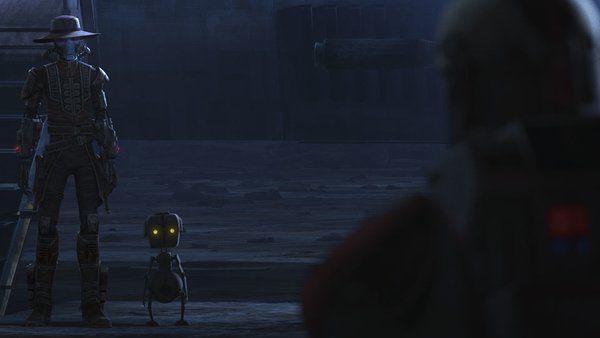
The best returning characters are certainly ruthless bounty hunter Cad Bane, who acts as a brilliant threat to the team for a thrilling two-episode clash, and Captain Rex, a clone currently on the run whose reconnection with the Batch leads to one of the most poignant episodes of the season.
Spreading the returning faces out into the recently greenlit second season would have helped, but all told there's no one who could possibly watch so many iconic characters turn up without feeling at least a little giddy.
7. Beautiful, Slick Animation
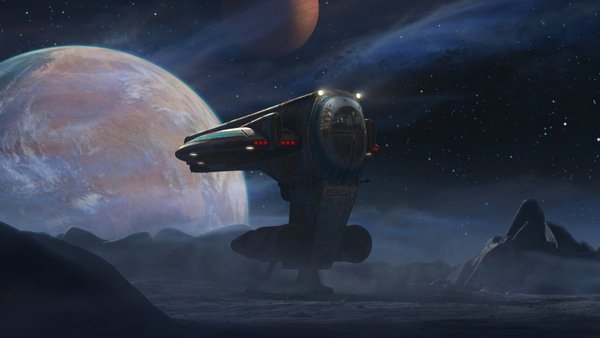
Much like The Clone Wars, The Bad Batch is simply gorgeous to look at. Using the same 3D technology employed by its predecessor, the series has made use of recent advances to make its entire aesthetic even more visually stunning than what came before.
Between the establishing shots of the various planets the Batch visits - all of which could easily pass as live-action if you didn't know the truth - to the facial features of its main characters, the season is nothing short of a masterpiece in animated design, with more depth than even the final season of The Clone Wars.
It'll be interesting to see where the show goes next with its effects, but if the action sequences, character design and scenery is anything to go by so far, it's bound to become more spectacular as time goes on.
6. Kevin Kiner's Pitch Perfect Score

When it comes to scoring a movie or TV show, Star Wars is the gold standard. Ever since John Williams blew audiences away with the franchise's iconic main title theme, the series has prided itself on maintaining its musical excellence, and The Bad Batch doesn't disappoint.
Scored by Kevin Kiner, who previously worked on The Clone Wars and Rebels, the Batch benefits from a menacing and operatic soundtrack worthy of the franchise's reputation.
Moving effortlessly between ominous, doom-filled and occasionally whimsical, the score elevates the drama, action and humour of the show at every turn, making even the most innocuous of developments feel more important and exciting than they appear.
Considering the score has always been a massively important aspect of the Star Wars canon, it's great to see Kiner pushing himself and living up to expectations.
5. Brilliant Genre-Changes
Star Wars is first and foremost an epic sci-fi space opera, but has since its debut played with its tone and themes to include more than just the one genre into its story.
A New Hope took inspiration from Akira Kurosawa's samurai films, and even recent instalments like Solo: A Star Wars Story have included allusions to classic Westerns and 70s spy thrillers.
The Bad Batch is no exception to this trend, using its innovative sci-fi structure to throw in tropes from other beloved genres. When Hunter clashes with Cad Bane, they have a stand-off which turns into a Leone-esque duel, and when the squad are sent into a dangerous hive of bugs, the whole things takes on the feel of a claustrophobic monster horror.
These brief genre changes are used sparingly, but work wonders to create an unpredictable atmosphere and ramp up the show's tension to a sweat-inducing level.
4. Dee Bradley Baker's Career-Best Voice Work

Dee Bradley Baker was always the stand-out star of The Clone Wars, voicing every clone in the series and working tirelessly to give them each defining characteristics and subtly unique personality traits.
Though he's technically voicing less people in The Bad Batch, his workload is far more demanding because the titular Batch are the main characters, and they all have such strikingly different personalities.
As Wrecker, Baker is loud and hyperactive; as Crosshair, he's cold, nasally and menacing; as Hunter, he's more calm and collected; and as Tech, he's fast-talking and forced to reel off pages upon pages of exposition in every episode.
Baker's ability to voice each of these characters is remarkable enough, but the way in which he voices them altogether and makes each of them so unique and easily distinguishable is nothing short of a revelation.
Give him all the awards already!
3. Everything About Omega

There are some rules Star Wars projects have to follow: There has to be a killer score; there has to be a plucky droid or two; there has to be a clear divide between good and evil; and there has to be an innocent character at the centre of the story who brings hope to the otherwise tragic events that surround them.
Luke Skywalker took this role in the original trilogy, Rey recently took it in the sequels, and Ahsoka Tano filled it brilliantly in The Clone Wars.
In The Bad Batch, the resident ray of hope is Omega, a pure genetic copy of clone template Jango Fett who was born a woman, has blonde hair, and ages at a normal human speed. She joins Clone Force 99 after the birth of the Empire, and forms strong relationships with her brothers, especially Wrecker.
Inquisitive, brave, morally sound and innocent, Omega is the heart and soul of the series, letting fans know that the Galaxy isn't all terror and death. Considering how bleak The Bad Batch is when you really think about it, she's a more than welcome addition to the fold who promises to only get more compelling as the show goes on.
2. Crosshair's Development & The Fallout From Order 66
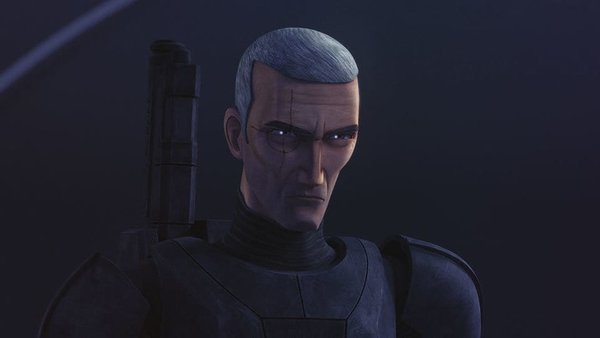
The Bad Batch works because of the characters at its core, and whilst the titular squad are all great creations, none are quite as compelling as Crosshair, the sharpshooter of the team who's the only one effected by Order 66.
Crosshair serves as the season's primary antagonist, and his clashes with his old squad act as the show's most tense and emotionally testing moments.
But it's not just that Crosshair is a s great villain: It's also how - in the way he fights his inhibitor chip and becomes so ruthless once he's sided with the Empire - he represents the true tragedy of Order 66, which turned every loyal clone in the Galaxy into emotionless soldiers ordered to destroy every remnant of the Republic they once so willingly fought for.
Crosshair is a brilliant character who offers striking impact into the effects of Order 66, and if the season finale is anything to go by, his troubled journey is only just beginning.
1. There's Still So Much Story To Tell
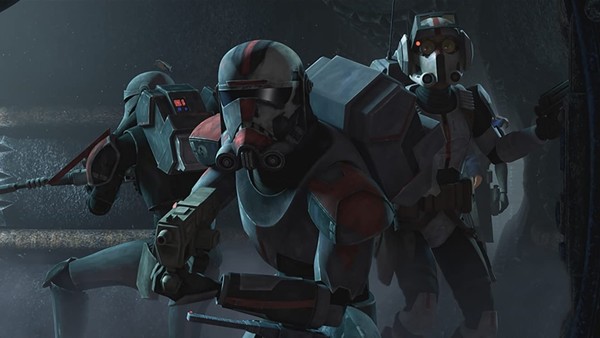
The best takeaway from the first, nearly perfect season of The Bad Batch is how much it still has left to explore.
We end on an ambiguous note, promising some more dangerous misadventures for the titular squad, but it also leaves a lot of balls in the air.
Will the show give some closure on Commander Cody? What actually happens to the Batch before the fall of the Empire? Will there be any other major characters for the Batch to side with down the line? What's going to happen to Nala Se? What about the clones left on Ryloth?
The questions go on and on, and whilst it'll be an agonising wait before we get any answers, the idea that the show still has so much story to explore promises big things for its bright future.
Fingers crossed it lives up to expectations.