Doctor Who: EVERY Version Of The Cybermen Explained
They happen everywhere there’s people. But just how many Cybermen variants are there?

The Cybermen have been a thorn in the Doctor’s side ever since their fateful encounter with the First Doctor, which led to his regeneration.
But in terms of their design and appearance, they’ve been anything but consistent.
Part of the reason for this is that, like the Daleks, they have hierarchies, with some units assigned specific roles or given more responsibility.
This issue is compounded by the fact that Cybermen have emerged independently of each other on various different worlds, sometimes overlapping or crossing over with each other.
Basically, the Cybermen’s history is really confusing. Hence this handy list, compiling every variant ever (barring expanded universe stuff, like the Cybermen seen in the Sixth Doctor webcast Real Time and Eighth Doctor comic The Flood).
If you’re unsure about the difference between Mondas or Telos, don’t get why certain Cybermen have a ‘C’ on their chest and some don’t, or just want to upgrade your Cyber knowledge, look no further.
This is the ultimate guide to the Doctor’s second greatest enemies!
20. Mondasian Cybermen (First Appearance: 1966)

The first Cybermen encountered by the Doctor originated on Earth’s twin planet Mondas.
Aeons ago, Mondas drifted away from Earth to the very edges of space. Realising that its inhabitants were growing weaker, Mondas' scientists and doctors created spare parts for their bodies, in order to 'improve' them. Over time, they were completely replaced by metal and machinery. Emotions were removed. The Cybermen were born.
In 1986, a dying Mondas drifted closer to the Earth, so the Cybermen attempted to use Earth’s energy to replenish it. But the First Doctor foiled their plans, resulting in Mondas’ destruction.
Following this, the Cybermen became even more fixated on Earth, plotting to sabotage its weather and steal its minerals, before carrying out a full-scale invasion.
They also spread throughout the universe, colonising another planet, Telos, and establishing a base there after wiping out the indigenous Cryons. Another strain of Mondasian Cybermen evolved on a colony ship, as part of Operation Exodus.
Reflecting the fact that they were merely humanoids who had upgraded their bodies with spare parts, the earliest Cybermen were fairly primitive – their faces covered with cloth, their bodies covered in surgical sheeting, and their hands exposed.
Over time, they did become more sophisticated, like the Cybermen encountered by the Second Doctor on Telos, whose faces were now complete metal and had sleeker, sturdier bodysuits.
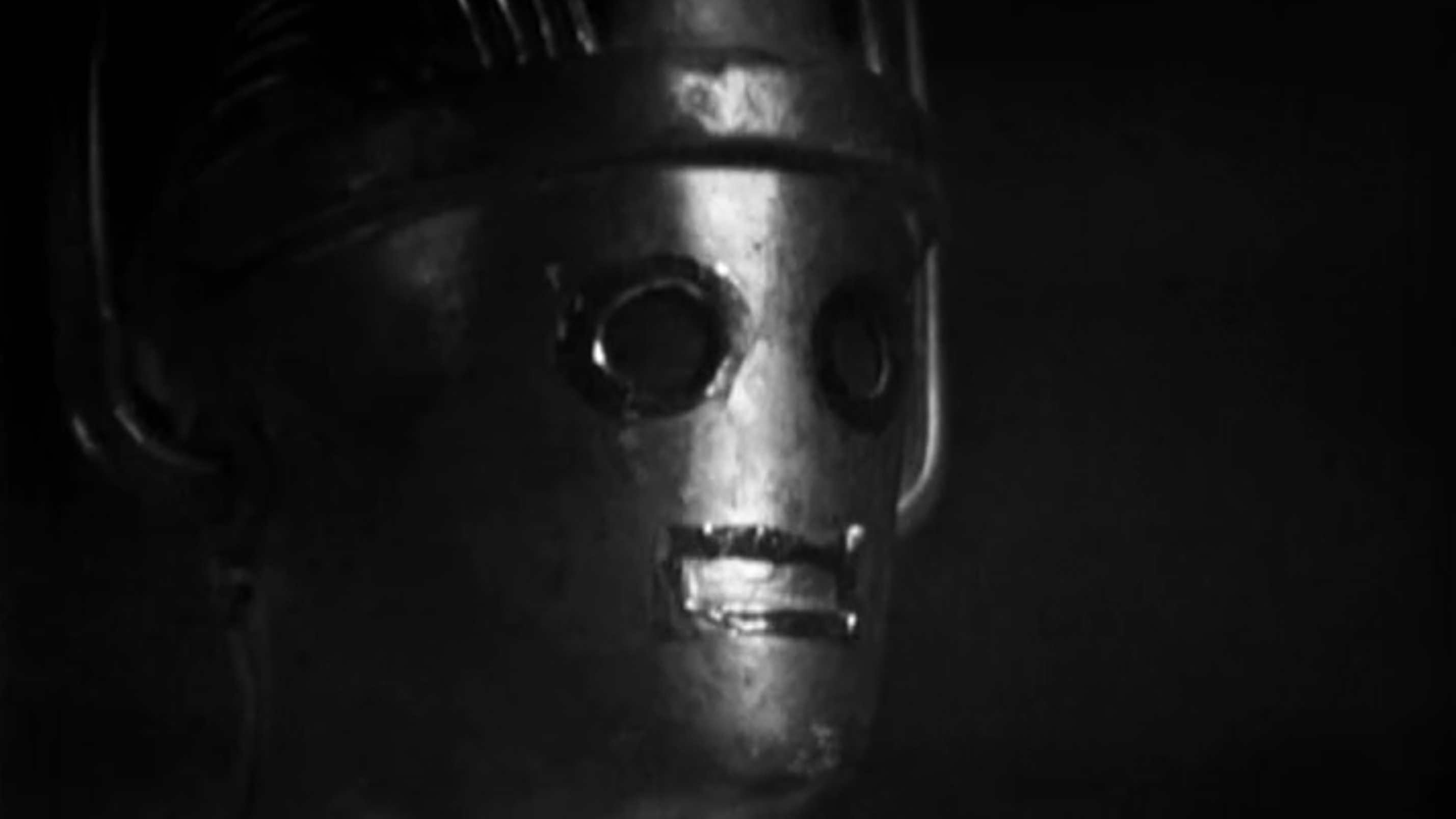
Though built for survival, these Cybermen weren’t unstoppable, with their weaknesses including radiation and the "Polly Cocktail", a chemical mixture that attacked the plastic components of the Cybermans' machinery.
19. Cyber-Leaders (First Appearance: 1966)
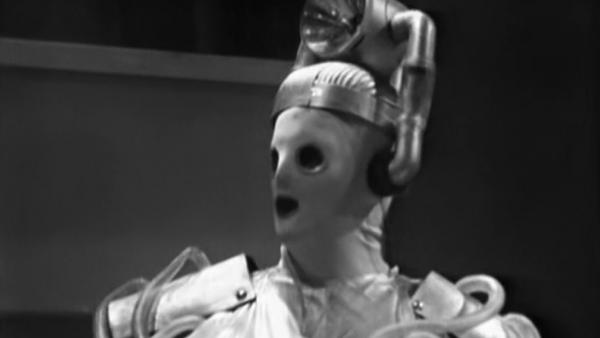
In some cases Cyberman squads answer to a more senior Cyberman, the most common example being a Cyber-Leader.
This was true for many types of Cybermen, including the original Mondasian variants, whose leader, Krail, was indistinguishable from his comrades.
Beginning with their encounter with the Fourth Doctor on Nerva Beacon, Cyber-Leaders were distinguished by black headpieces, or simply just black handlebars.
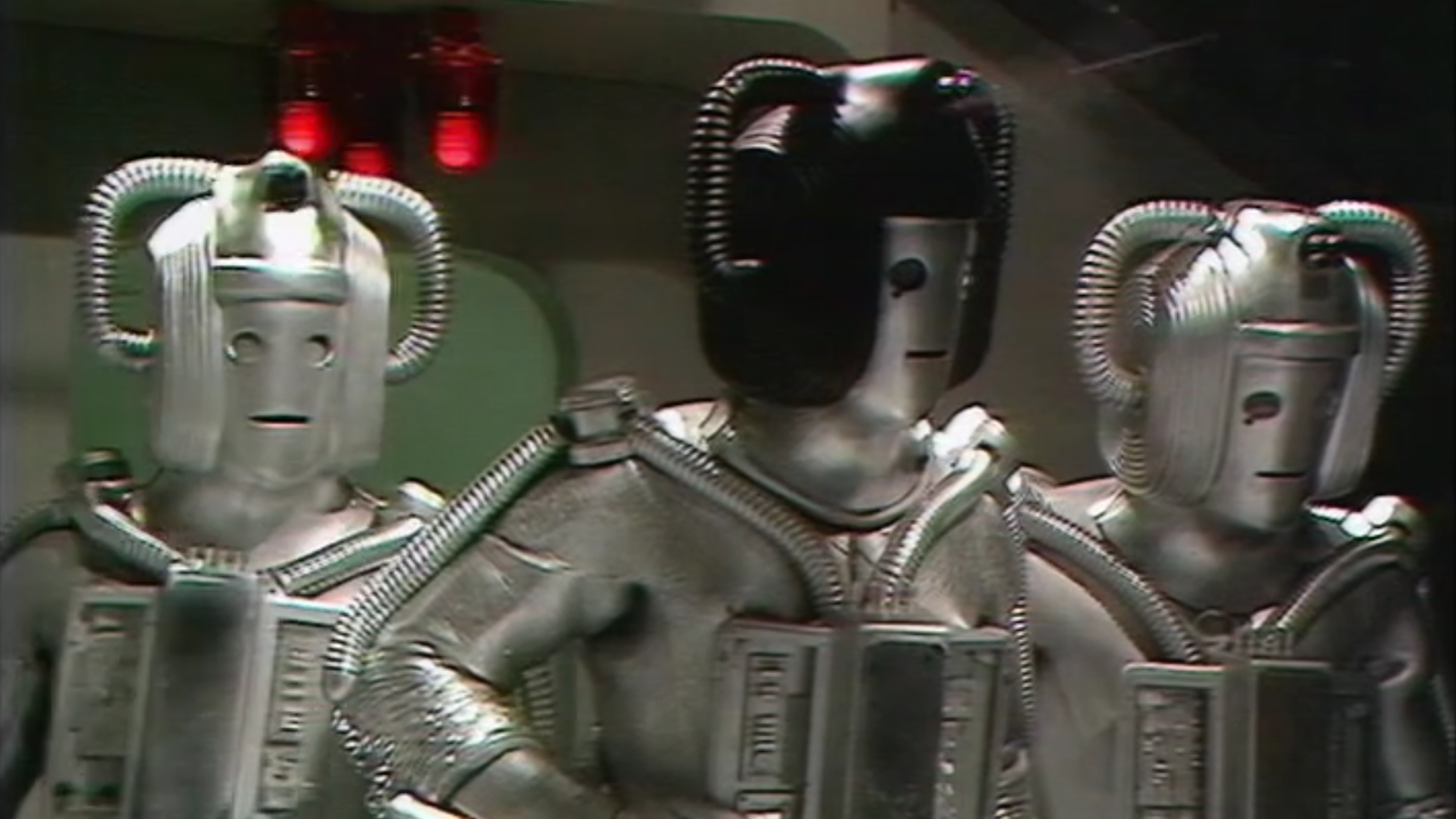
Leaders were subsequently encountered by the Fifth, Sixth, and Seventh Doctors, all assisted by Cyber-Lieutenants, who didn’t look any different to a regular Cyberman.
Cyber-Leaders also operated during the Battle of Canary Wharf. By this point it was possible for a standard Cyberman to be upgraded to Leader when the previous Leader died, as was the case when Jake Simmonds destroyed the existing Leader inside the Torchwood Institute.
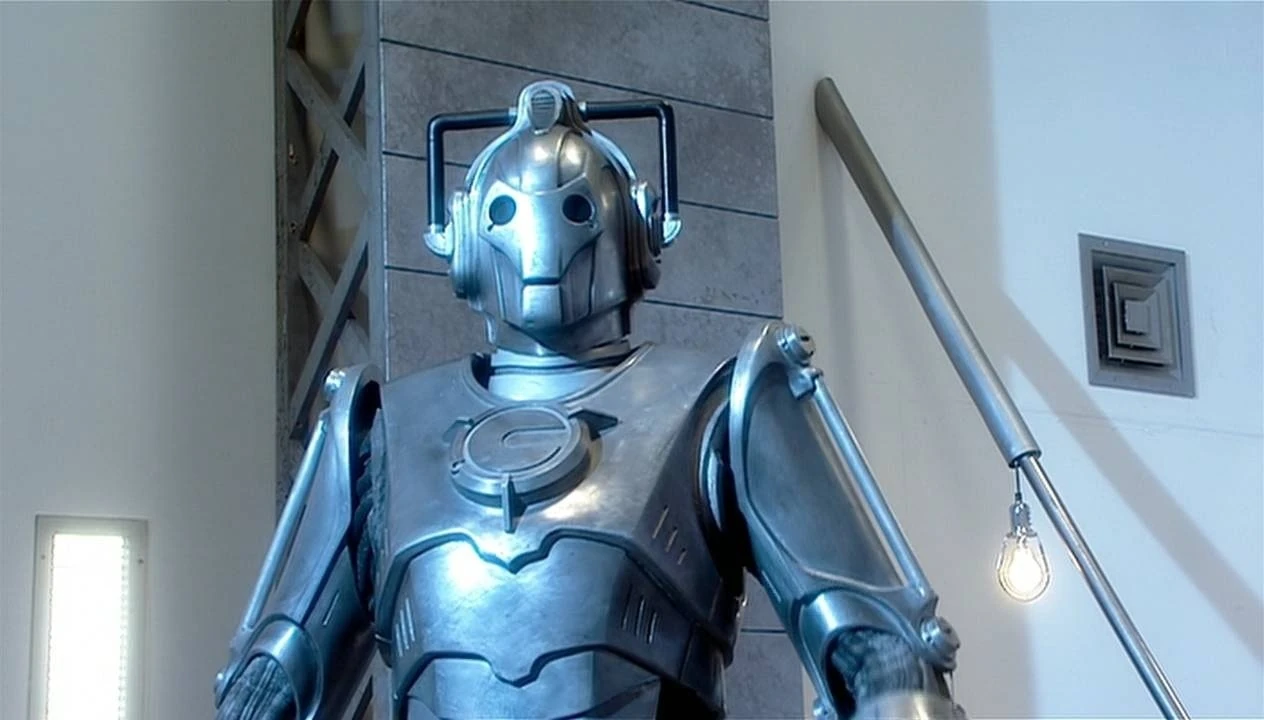
The Cyber-Leader encountered by the Tenth Doctor in Victorian London had a more embellished helmet, with additional black detailing and an uncovered brain (a feature previously reserved for a more senior rank).
It's unclear how Cyber-Leaders are chosen or what exactly distinguishes them from regular Cybermen, but they carry higher levels of authority than your standard soldiers, and appear to be a bit more intelligent to boot.
18. Cybermats (First Appearance: 1967)

Some types of Cybermen are not humanoid, such as the rat-like Cybermats.
Like Cyber-Leaders, Cybermats exist among the ranks of multiple types of Cyberman. Common to every design is a segmented, tapered body, which ends in a wriggling Cyber-tail.
Because of their size, Cybermats can move around unnoticed, making them particularly useful to Cybermen when lurking in the shadows.
For example, Cybermats guarded the Cyberman base on Telos, and were the first to wake when it was raided. The complex even featured secret tunnels, which allowed the Cybermats to easily move from one section to another.
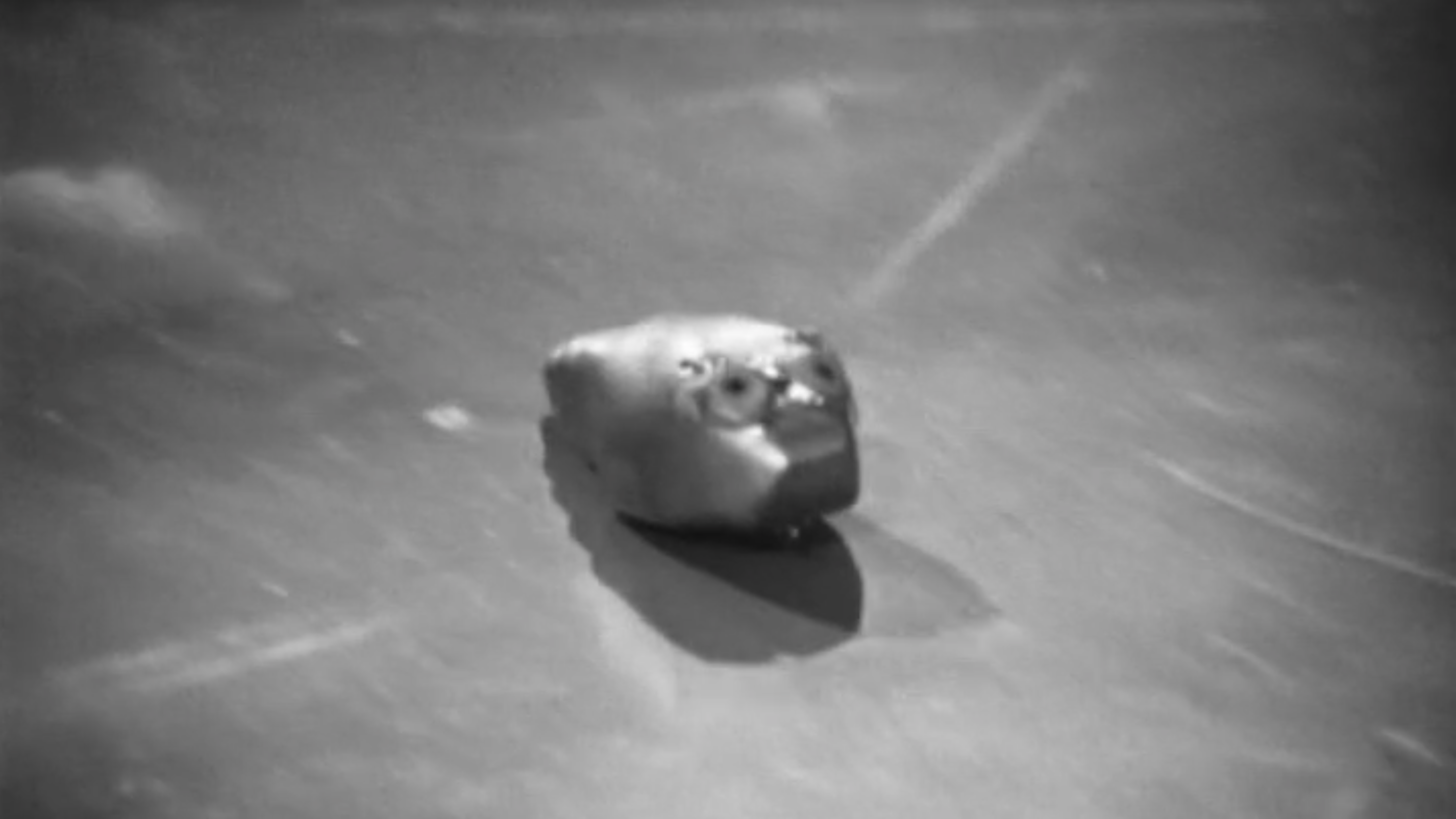
Cybermats were also sent to sabotage space stations, including Nerva Beacon (where one infected the crew).
This was a larger, sleeker model, which was eventually reprogrammed by the Fourth Doctor to attack its masters with gold.
The Eleventh Doctor performed a similar trick on a Cybermat caught patrolling a department store in Colchester (nicknamed Bitey because of its organic teeth), instructing it to drain energy from the Cybermen rather than its surroundings. However, this attempt was less successful, with Bitey crushed by a Cyberman at the first hurdle.
Cybermen aren't exactly known for their stealthiness but Cybermats allow them to conduct their operations in a much sneakier manner.
17. Cyber-Controllers (First Appearance: 1967)
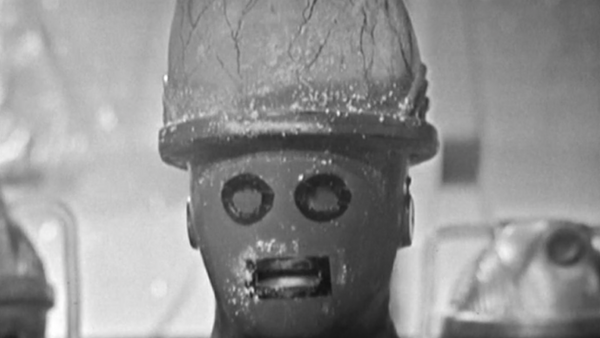
The most senior Cybermen of all are Cyber-Controllers – who, to begin with at least, could be distinguished by the uncovered brains in their helmets.
In the case of the original Cyber-Controller, encountered by the Second Doctor on Telos, this took the form of a bulbous brain casing (eliminating the need for handlebars).
Thought to have perished when the Cyberman tombs were resealed, this Cyber-Controller later reemerged, in upgraded form, to butt heads with the Sixth Doctor.
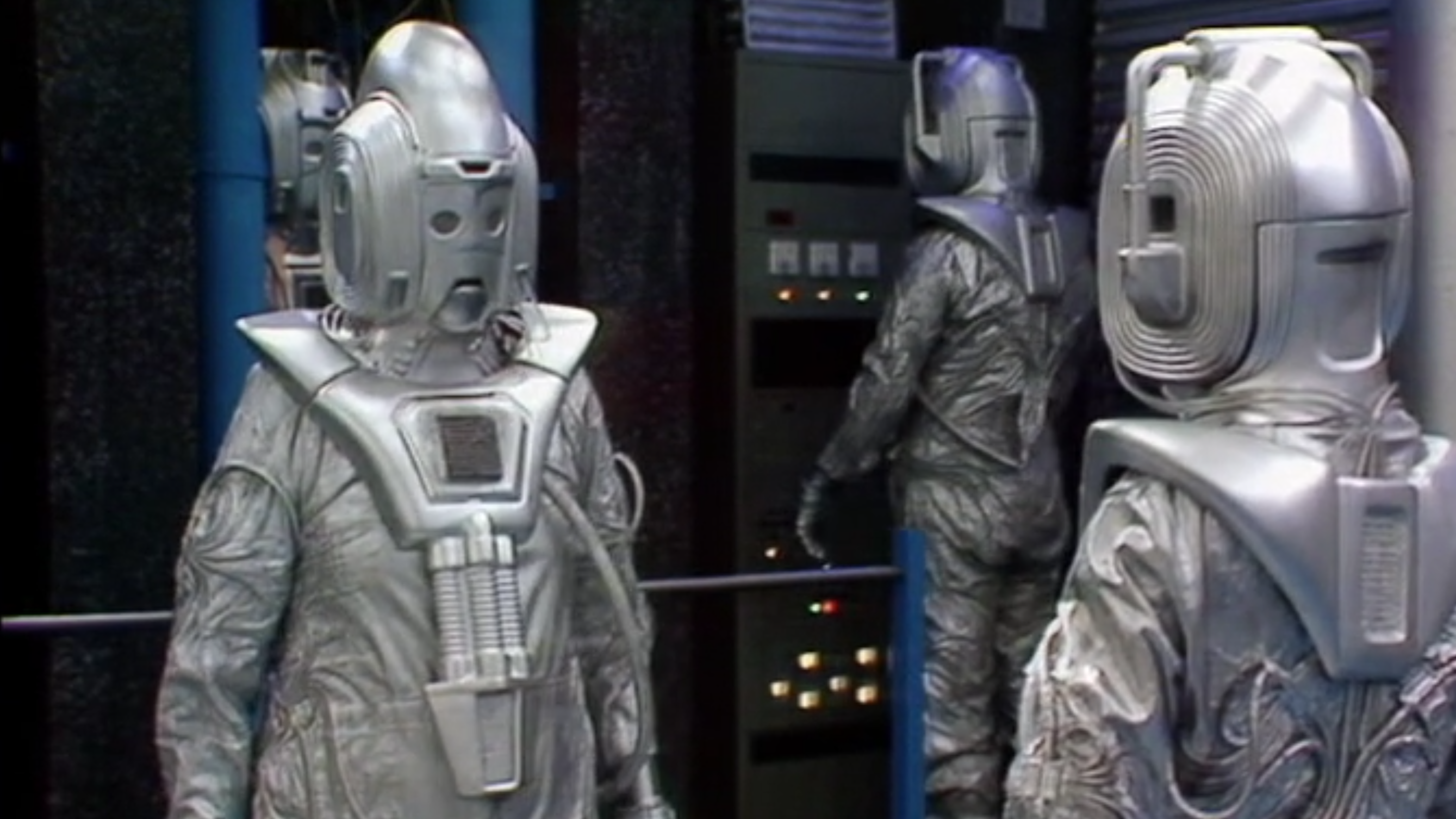
Meanwhile, in the parallel universe that came to be known as Pete’s World, a new breed of Cybermen was developed by terminally-ill businessman John Lumic, who eventually crowned himself Cyber-Controller.
In a first for a Cyber-Controller, the Lumic version had handlebars and an exposed brain. He also had glowing eyes and six sockets in his chest (which connected him to a massive, portable throne).
As with Cyber-Leaders it's insinuated that Controllers are much more intelligent than the standard model, and they're also seen to be much stronger. They also have a bit more of a personality than normal Cybermen, and in general are much more calculating.
16. Cyber-Planners (First Appearance: 1968)
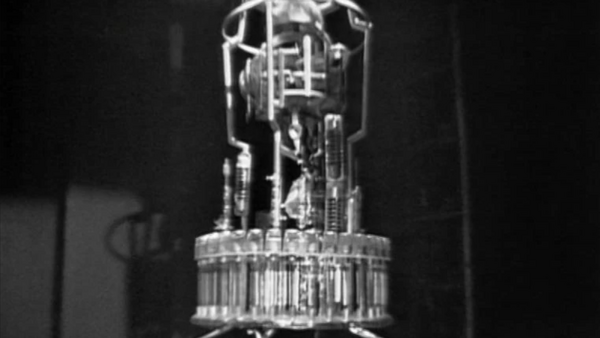
Alternatively, Cybermen can be led by a Cyber-Planner – a highly intelligent and logical being that analyses situations and dictates battle strategy.
The original Cyber-Planner oversaw the Cybermen’s attack on the Wheel, communicating with them via monitors. It resembled a giant flashing brain inside a fragile metal frame.
Another Cyber-Planner acted as the conduit between the Cybermen and International Electromatics’ director Tobias Vaughan during their attempted invasion of 20th century London.
This version was taller and more elaborate, incorporating a ring of flashing rods and a rotating head. It was ultimately destroyed by Vaughan when the Cybermen betrayed him.
Though the most intelligent of all Cyber models, Planners were immobile and quite fragile, which were both addressed with its next upgrade on Hedgewick’s World of Wonders.
Here the Cybermen required a new Cyber-Planner, initially intending to use a child as their minds have infinite potential. However by this point, the Cybermen had worked out how to assimilate lifeforms other than humans. As such, they instead chose to use the mind of the Eleventh Doctor.
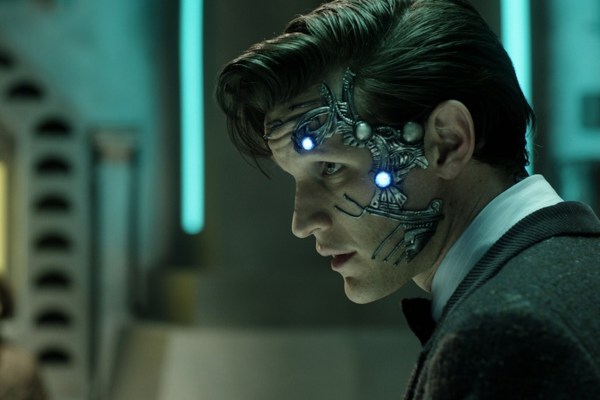
Naturally, the Doctor resisted the process, resulting in a battle of wills between his true self and the Cyber-Planner (who christened himself “Mr Clever”). During this time the Doctor's face was augmented by a flashing, and frankly quite trendy-looking cybernetic implant.
15. Neomorph Cybermen (First Appearance: 1982)
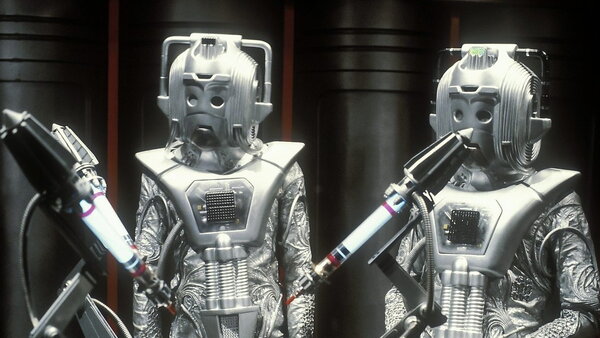
The Cybermen encountered by the Fifth, Sixth and Seventh Doctors still hailed from Mondas, but moved and spoke in a less robotic way.
They wore more flexible suits covered in vein-like piping, carried tubular blasters, and overall there was very little to hint at their organic origins when compared to their previous models.
These Cybermen first showed up in the 26th century, plotting to sabotage an Earth conference where their enemies were gathering (initially by planting a Cyber-bomb, then by crashing their freighter into the planet). They were partially successful – though thanks to Adric’s intervention, the freighter was sent back 65 million years, where it instead wiped out the dinosaurs.
Neomorph Cybermen were then transported to the Death Zone on Gallifrey, as part of Time Lord President Borusa’s plot to achieve immortality. Some were slaughtered by a pure killing machine known as the Raston Warrior Robot, while the rest teamed up with the Master… who tricked them into stepping on an electrified chess board.
A later contingent of these Cybermen, encountered by the Seventh Doctor and Ace, had upgraded suits and a shinier finish.
Overall the Neomorph Cybermen were much more mobile and capable than earlier models, although functionally they were still your standard Cyberman soldier.
14. Cyber-Scouts (First Appearance: 1985)
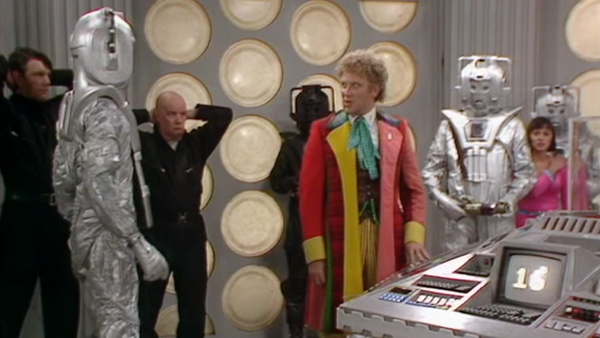
Some Neomorph Cybermen were designated Cyber-Scouts, specialising in reconnaissance, and, well, scouting.
Some of these looked no different to standard Cybermen. This was the case for the Scout that prisoners Stratton and Bates killed on Telos (and subsequently used as a disguise), which was silver.
But in other cases, Cyber-Scouts were rendered in different colours to better match their surroundings.
The Scouts that the Cybermen deployed in their 1980s sewer lair were all black, which made them incredibly difficult to spot in the sewer’s dimly-lit tunnels.
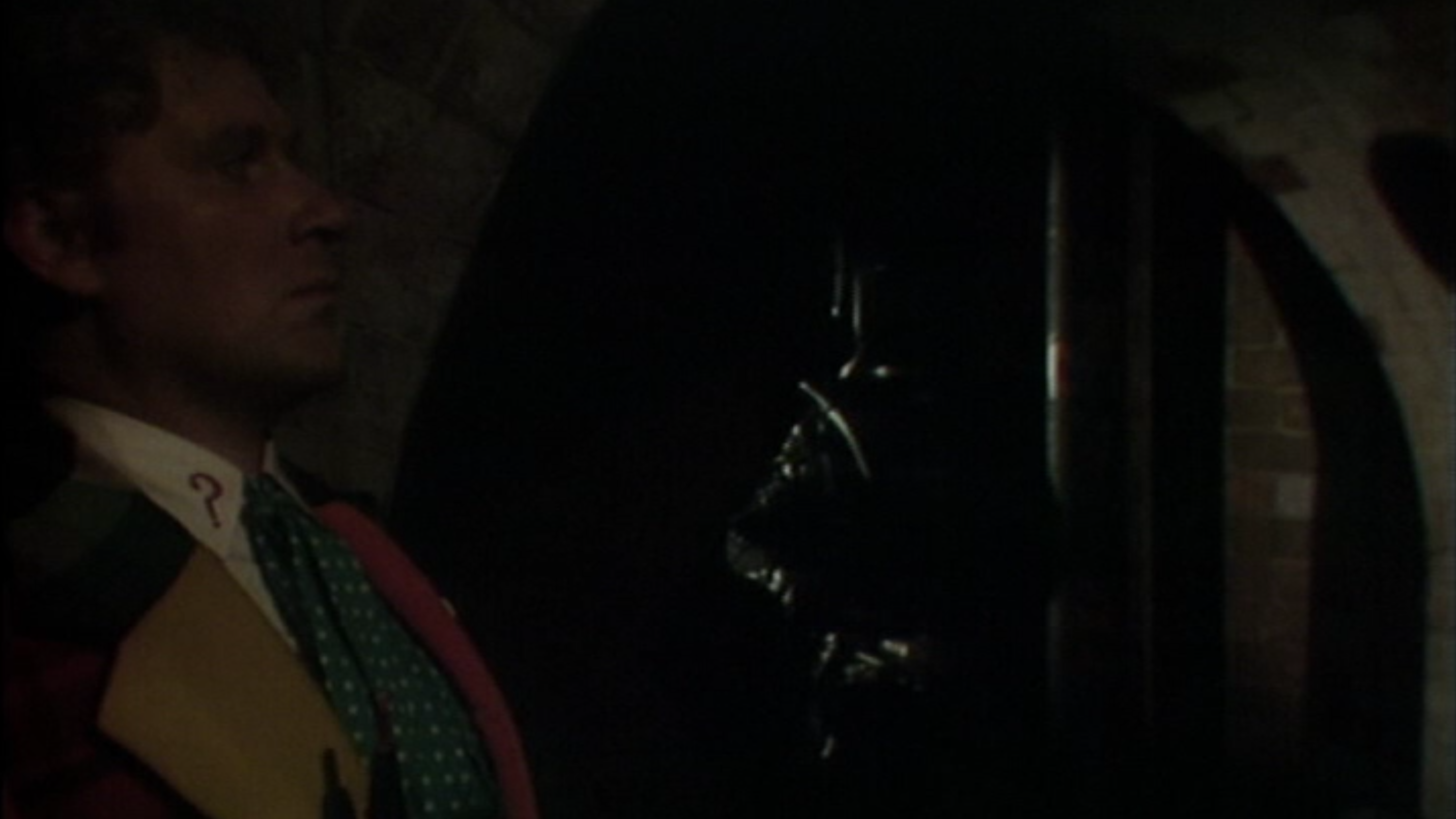
The Sixth Doctor successfully managed to disable one of these Scouts by jamming his sonic lance into its chest, but didn’t count on the fact that its built-in tracker would alert the Cybermen of its death (and, therefore, the Doctor’s presence).
A black Cyber-Scout also stood guard in the lair’s control room, before joining its fellow Cybermen in apprehending the Doctor’s TARDIS.
Cyber-Scouts seem to have subsequently been phased out, but you have to wonder why considering how useful they can be!
13. The Cyber-Commander (Planned Appearance: 1993)
One of the most unique Cybermen ever never actually made it to screen.
This design was developed for Doctor Who’s abandoned 30th anniversary special, The Dark Dimension, which revolved around an alternate universe where the Fourth Doctor never regenerated.
Although the story’s main villain was a new creation named Hawkspur, it was also going to feature new versions of some classic monsters, including the Cybermen, who were going to be led by a powerful new unit described in the script as the Cyber-Commander.
The Cyber-Commander was a big departure from the Cyber designs that had come before, looking particularly formidable and monstrous. It had a skeletal body complete with rib-like grooves, while the helmet incorporated a very human-looking face and the hands had sharp, claw-like fingers.
It looked like a cross between a Xenomorph and Wolverine, and in fact it was designed with some Wolverine-style protracting claws, as described by The Dark Dimension writer Adrian Rigelsford:
"There was a specific Cyberman who was being made by the people at Henson's Creature Workshop. It had holes in its knuckles and there was a point where it held up its hand, made a fist, and six-inch blades shot out of its knuckles! It was like Wolverine out of the X-Men comics. Cyberrine!"
To this day, the only visual reference we have for the Cyber-Commander is a few prototype images. Hopefully one day the design will finally make it to a story in full!
12. Cybus Cybermen (First Appearance: 2006)
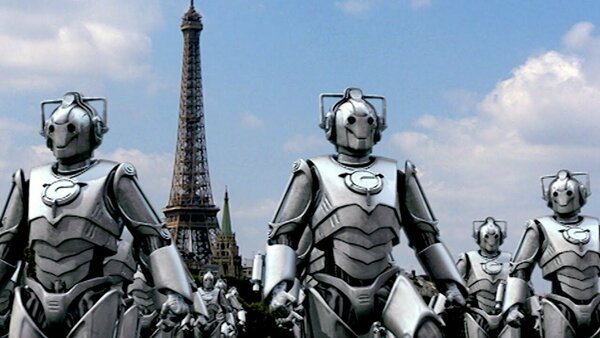
Manufactured on a global scale by his company Cybus Industries, John Lumic’s Cybermen were merely human brains dropped into metal suits, and were created by the mad scientist as a means of prolonging human life – motivated by the fact that he himself was dying.
Made from bulletproof steel, they were stronger and more muscular than their predecessors, and carried emotional inhibitor chips to disable all feeling and humanity. Later units were equipped with arm blasters, while others used guns originally belonging to anti-Cybus resistance group the Preachers.
The Doctor brought down the original Cybus Cybermen by disabling their emotional inhibitors, driving them insane by causing them to see what they'd become. However, some survived, and upon discovering a gap in the fabric of the universe, crossed through to our world disguised as "ghosts."
Also breaking through were the Daleks, who rejected the Cybermen's offer of an alliance, resulting in the explosive Battle of Canary Wharf. In the end, the Doctor managed to suck both sides back into the Void, but some Cybus Cybermen escaped and spread throughout the stars, popping up in places like Victorian London, and as part of the Pandorica Alliance that trapped the Eleventh Doctor.
The Cybus design quickly became the blueprint for Cybermen across the universe, likely due to their increased strength and superior technology compared to their Mondasian cousins.
11. Cyberwoman (First Appearance: 2006)

Towards the end of the Battle of Canary Wharf, the Cybermen started upgrading whole bodies rather than just taking the brains, in a bid to speed up the conversion process to generate more soldiers quickly.
One unfortunate victim was Torchwood employee Lisa Hallett – the girlfriend of future Torchwood operative Ianto Jones.
When the battle ended Lisa was only partway through conversion, such was the hastiness of the Cybermen's new process. Her head was encased in an incomplete Cybus-style helmet, and her body was covered in parts of an exoskeleton, with numerous cybernetic implants (including her breathing and hearing) having been completed.
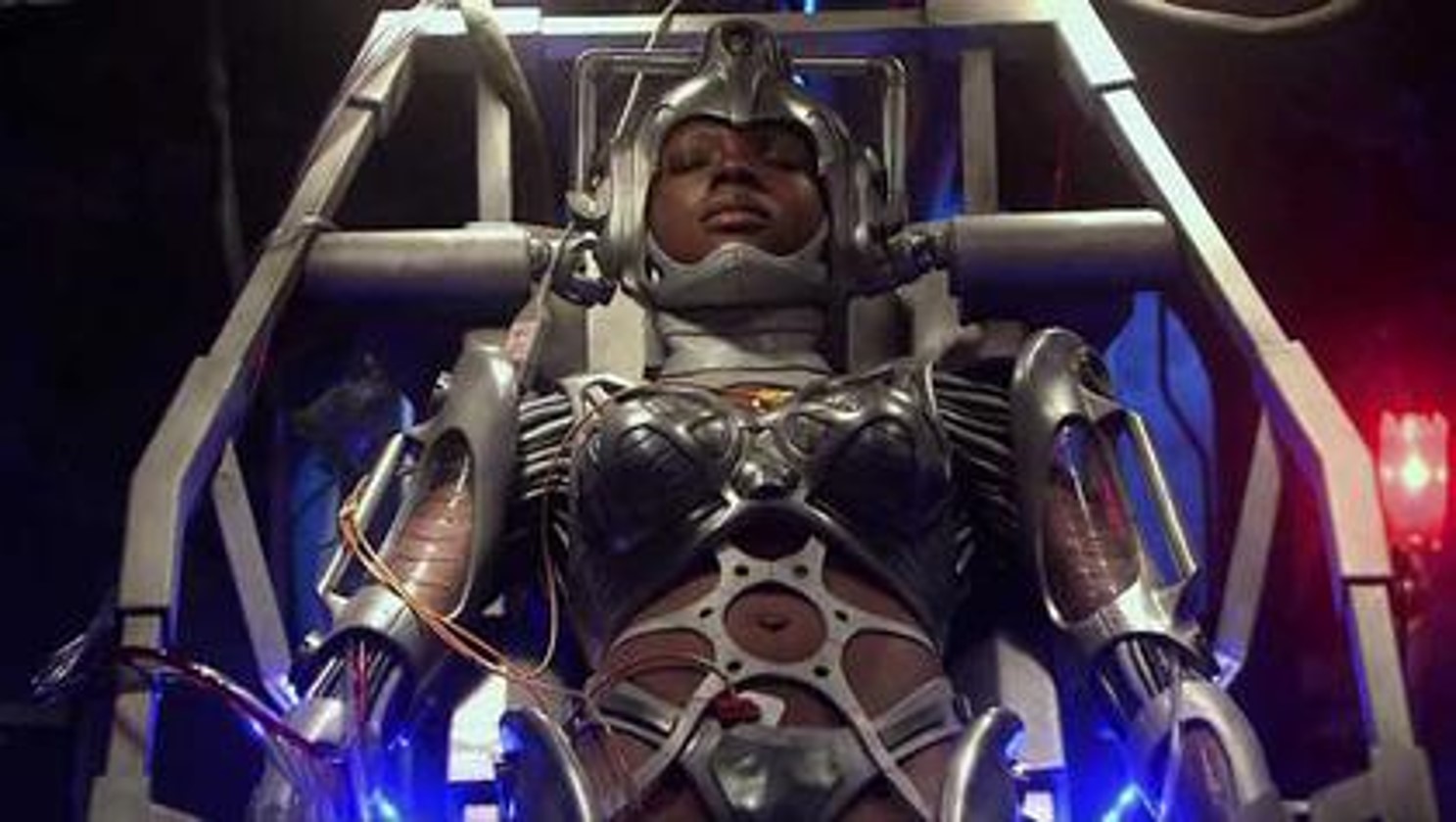
Hoping that he could reverse the conversion process, Ianto took Lisa to the Torchwood Hub, where he kept her alive in secret. However, Lisa’s Cyberman side managed to assert itself, sending her on a rampage.
Captain Jack attempted to stop her by spraying her body with barbecue sauce, which attracted the attention of Torchwood’s hungry resident pterodactyl.
Having survived this encounter but becoming heavily injured, she subsequently transplanted her brain into the body of pizza delivery worker Annie Botchwell, leaving behind her cybernetic form completely.
The result was a deranged Frankenstein’s monster, who barely resembled the original Lisa. As such, the Torchwood team had no qualms about finally putting her out of her misery.
10. Cybershades (First Appearance: 2008)

Upon arriving in Victorian London, the Cybermen needed a quick and easy way to expand their workforce.
Ever-resourceful, their answer was to create animalistic foot soldiers (which, the Tenth Doctor speculated, used the brains of cats and dogs).
Dubbed Cybershades, these creatures had copper-coloured heads and hands (presumably due to the fact that such metals were more readily available in Victorian London), with the rest of their bodies covered in furry black robes. Rivets on their helmets also belied their industrial origins, while their angled handlebars evoked an animal’s ears.
Due to their primitive minds they were far less intelligent than regular Cybermen, and were unable to speak or follow more complicated commands.
However the Cybershades were much more agile than their masters, tending to move around on all-fours. As such, they were well-suited to gathering intel, with cameras in their eyes relaying images back to Cyber HQ.
The Cybershades were ultimately defeated by the Tenth Doctor, who repeated his earlier trick of forcing them to see what they'd become, driving them insane and causing them to explode.
With the Cybermen never having had any reason to convert animals again, the experiment has never been repeated.
9. The CyberKing (First Appearance: 2008)
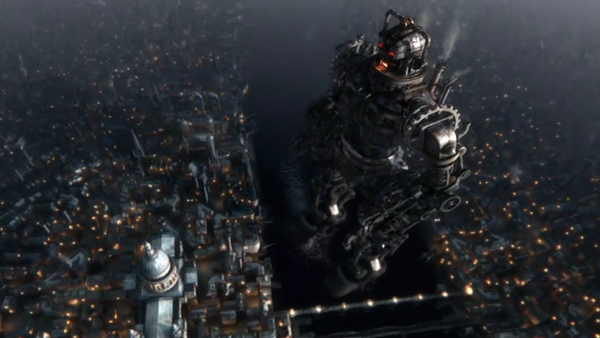
The largest members of the Cyberman family are CyberKings, dreadnought class ships resembling giant Cybermen.
CyberKings are built for frontline combat, with each part having a different function. The mouth houses the command centre, while the chest contains a massive Cyber-factory, capable of converting millions. Meanwhile, the arms provide weaponry – the right arm incorporating a cannon, and the left arm incorporating a blaster.
The existence of CyberKings was originally speculated by Mickey Smith, who suggested that one might be inside the Daleks’ Void Ship.
Following this, the Cybermen that escaped to Victorian London constructed a CyberKing from a base under the River Thames, using local workhouse children as slaves. The resulting unit was possibly more rudimentary and mechanical in design than ordinary CyberKings, appearing to be powered by steam.
As host, the Cybermen chose former workhouse matron Mercy Hartigan, who proved to be more stubborn than expected, resisting the effects of Cyber-conversion and retaining her emotions.
Hartigan hoped to create a new breed of Cybermen in her image, refusing the Tenth Doctor’s offer of salvation. Only by severing the link between her and the Cybermen was he able to thwart the CyberKing, transporting it into the Void before it could do any more damage.
8. Legion Cybermen (First Appearance: 2011)
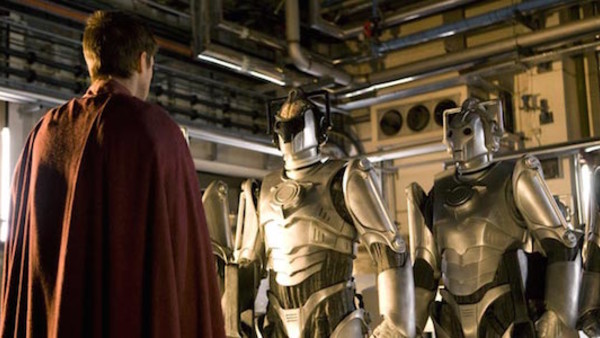
At some unknown point in time – whether due to parallel evolution or some sort of cross-pollination between Cyber variants – a subtle new breed emerged in the main universe, which lacked the “C” on their chest plates (since they weren’t affiliated with Cybus Industries), but were otherwise identical to John Lumic's creations.
These Cybermen were organised into legions, who monitored whole quadrants of space. One such legion – the twelfth – was destroyed by the Eleventh Doctor, to pressure the Cybermen into telling him the location of Demons Run.
He later discovered a group of Legion Cybermen underneath a department store in Colchester, who were visibly damaged due to their ship crashing there years previously (with handlebars and chest plates missing, extra panels bolted on and circuitry exposed).
The Legion Cybermen then fought in the Cyber-Wars, supported by Cyberdrones – flying Cyber heads that could fire energy bolts from their eyes.
For all intents and purposes, Legion Cybermen are identical to John Lumic's Cybusmen.
7. Cybermites (First Appearance: 2013)
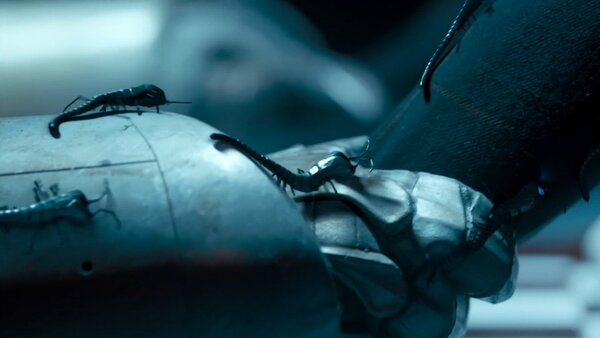
The Cybermen eventually developed an even smaller, more advanced form of Cybermat: the Cybermite.
Resembling cybernetic insects, Cybermites are adapted to keep the Cybermen going at any cost. Even more versatile than Cybermats and Cybershades, they constantly scuttle around and end up in places where they’re not welcome. The Cybermen would seed groups of Cybermites into the surface of conquered planets, leaving them there until they were needed.
Crucially, they’re capable of performing partial conversions, which enables them to rapidly expand Cyberman forces – as seen on Hedgewick’s World of Wonders, where the Cybermites performed a partial conversion on the human Webley, by first animating his chess-playing Cyberman.
As the Cybermen who lay dormant beneath the planet woke up, the need for Cybermites diminished. But they also facilitated the Doctor’s conversion into Mr Clever.
Like insects, they’re almost impossible to eradicate completely. Which means that, more than any other type of Cyberman, they always survive. They're Cyber-Cockroaches!
Indeed, even after the business on Hedgewick’s World was over, a single Cybermite could be seen drifting through space…
6. Weapons-Grade Cybermen (First Appearance: 2013)

The Cybermen that originated on Hedgewick’s World were more streamlined than their predecessors, sporting sleeker, smoother suits with a retractable blaster in the right arm and a circular blue light in the chest.
They could also move at bullet speed, spin their heads 360 degrees and detach their body parts.
Most importantly of all, they could upgrade themselves on the spot to combat new threats or obstacles, making them basically unstoppable. The original batch could only be stopped by blowing up Hedgewick’s World, showing how difficult they are to beat.
Following this, these Cybermen were one of the many races that assembled around Trenzalore during the Eleventh Doctor's time there.
Missy then created an army of Weapons-Grade Cybermen from dead bodies – among those affected were Clara’s boyfriend Danny, and the Brigadier (who, along with some other Cybermen, inexplicably had black corners on his handlebars, which would designate him a Cyber-Leader).
Elsewhere, Weapons-Grade Cybermen could be found living on Trap Street and trapped in Gallifrey’s Cloisters (having tried, and failed, to enter the Matrix).
Along with its offshoots that would follow, the Weapons-Grade is by far the most technologically advanced Cyber-species we've seen to date, a perfect culmination of the Cybermen's constant desire for upgrade, survival, and universal domination.
5. Handles (First Appearance: 2013)
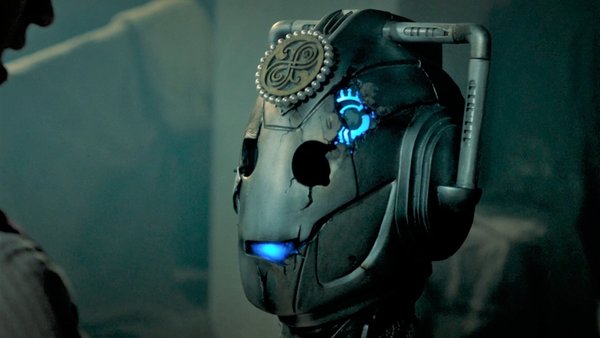
Though most of the Cybermen encountered by the Doctor have been working against him, there was one exception.
Towards the end of his life, the Eleventh Doctor bought a patched-up Weapons-Grade Cyberman head at the Maldovar Market, adopting him as his companion.
Stripped of his organic components, but still containing a full set of data banks, Handles, as the Doctor nicknamed him, was completely harmless and had more personality than the rest of his kind.
As a creature of logic, he was somewhat temperamental, tending to take the Doctor’s instructions literally. But he could assist with simple tasks, such as operating the TARDIS’ teleport, sending reminders and decoding messages.
After accidentally incurring the wrath of the Cybermen by taking his new friend onto a Cyber-ship, the Doctor used Handles to determine the origin, and meaning, of the message being sent through the crack in time on Trenzalore.
Handles then kept the Doctor company during the first few centuries of his exile on the planet, before finally giving up the ghost. In the process, he had, by some margin, become the Doctor’s longest-serving companion.
His final action? To remind the Doctor to patch the TARDIS telephone back through the ship’s console (a reminder the Doctor had set three hundred years earlier). Better late than never.
4. Wooden Cyberman (First Appearance: 2013)
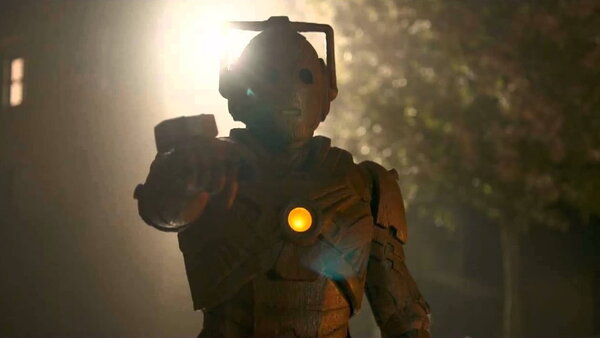
Cybermen are always made of metal. Almost always.
During the Siege of Trenzalore, when the Cybermen were trying to infiltrate the town of Christmas (a task made impossible by the Papal Mainframe, who blocked any advanced technology from reaching the planet) a different approach was needed.
In response, the Cybermen devised a more primitive, one-off unit, made entirely out of wood. This used the outline of the Weapons-Grade model, but with a yellow rather than blue chest light and the blaster replaced by a flamethrower attachment.
It also had a unique catchphrase: “INCINERATE!”
The Wooden Cyberman successfully entered Christmas unnoticed, before being discovered by one of the town’s young residents, Barnable, during a game of blind man’s buff.
Upon encountering it, the Eleventh Doctor forced the Wooden Cyberman to turn its fire on itself, destroying it.
This variant has never been seen again, and considering how ineffective it seemed to be, probably never will.
3. The Lone Cyberman (First Appearance: 2020)

A survivor of the Cyber-Wars, Ashad was a partially-converted Cyberman who retained his emotions and was hell bent on reviving the Cyber-Empire.
His appearance was totally unique, incorporating a Weapons-Grade Cyberman-style upper torso and right arm, a previously-unseen helmet (which only covered half of his face), and leg braces. His left hand was exposed, with the rest of his body covered in surgical sheets and bandages.
Ashad began his mission at Villa Diodati in 1816, where he successfully retrieved the Cyberium: an AI containing the knowledge and future history of the Cybermen.
Returning to the future, he upgraded his leg armour and acquired two guards, before heading to an abandoned Cybercarrier, where he created an army of fully robotic Cybermen, purged of their organic components.
His ultimate goal was to rid the universe of all organic life using the Death Particle – a weapon created for him by the Cyberium – leaving the robotic Cybermen the sole survivors.
But an unimpressed Master put a stop to these plans by shrinking Ashad with his tissue compression eliminator.
It later transpired that the Master had cloned Ashad as part of his Master’s Dalek Plan. This clone led an attack on UNIT HQ and even tried to convert Kate Stewart, but was destroyed when the building was razed to the ground.
Ashad is the most unique and terrifying Cyberman of them all, and perhaps a reminder to the Cybermen that retaining some level of emotion and self-awareness can only make them more dangerous.
2. Cyber-Warriors (First Appearance: 2020)
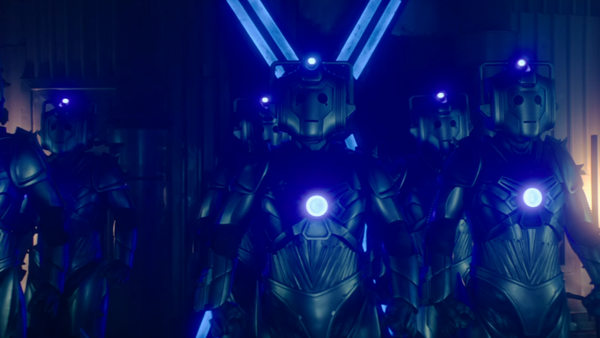
In the aftermath of the Cyber-Wars, a new warrior class of Cyberman was introduced.
Covered with spikes, grooves and serrated edges, these units were built for conflict. Their upper torsos were similar to those of the Weapons-Grade Cybermen, but the rest of their armour was unique – the most notable change being the helmet, which had larger ‘ear muffs’ and a blue light between the handlebars.
These were the Cybermen onboard the Cybercarrier commandeered by Ashad, with some becoming part of his robotic army. Others were emptied of their human remains and disconnected from the Cybermen’s neural network to become disguises, worn by the Thirteenth Doctor’s companions.
Though Ashad’s Warriors were destroyed by the Death Particle, some survived in another form. And the standard Cyber-Warriors subsequently reestablished themselves throughout the universe.
In the aftermath of the Flux, they occupied an area of space known as the Cyber Sector, attempting to convert any survivors (such as Bel). Following this they were tricked into joining an “alliance” with the Daleks and Sontarans, with the whole Cyber Fleet falling victim to the Flux.
It's unclear how many survived, but the Master did smuggle a squad of Cyber-Warriors into UNIT HQ alongside Ashad, via a bigger-on-the-inside Ashad “Russian Doll”. So you just know that the Cyber-Warriors survived elsewhere too.
1. CyberMasters (First Appearance: 2020)
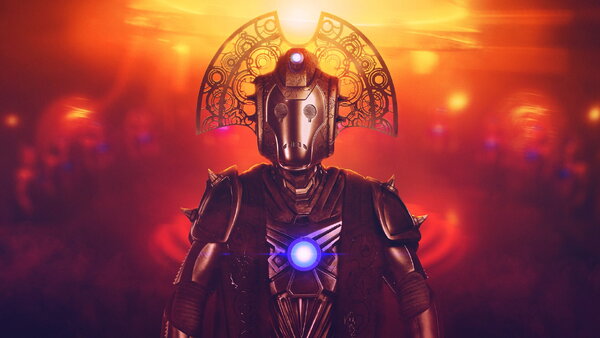
Having learned the truth about the Timeless Child, and that the Doctor was the progenitor for the Time Lords, the Master was looking for a way to get his own back.
He already had a load of Time Lord corpses at his disposal, from when he burned down Gallifrey. And after he’d killed Ashad, he had a whole ship full of Cyber-Warriors too.
Combining the two created an army of regenerating Cybermen, which the Master termed CyberMasters.
Rather than regenerating into new bodies like actual Time Lords, the CyberMasters regenerated into the same form over and over again – the ultimate perversion of a process that symbolises change and possibility.
The original batch were simply Cyber-Warriors with cloaks and bespoke helmets, which incorporated two-dimensional Time Lord collars (in place of handlebars) and Gallifreyan symbols.
Escaping Gallifrey just before it was destroyed by the Death Particle, the CyberMasters returned as part of the Master’s Dalek Plan, with their armour tinted black and Gallifreyan symbols added to the arms and legs.
Additionally, the bespoke helmets and cloaks were reserved for the CyberMaster General and its deputy, with the remaining troopers sporting embellished Cyber-Warrior helmets. They were ultimately defeated by the Holo-Doctor, having been tricked into opening fire on each other.
The Cybermen steered clear of the Fourteenth and Fifteenth Doctors altogether, but it’s surely just a matter of time till they strike again, in one form or another...