20 Great TV Shows That Everybody Turned Against
These shows were once considered must-watch television. So, what went wrong?
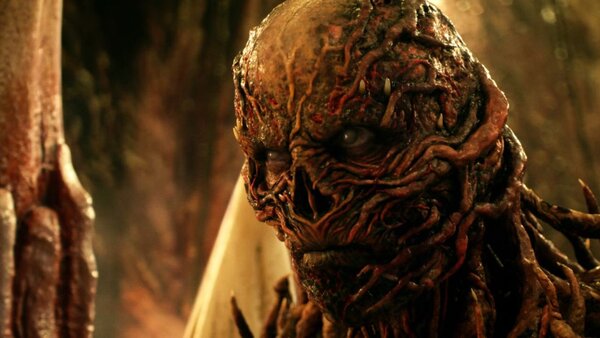
There are TV shows that come along every once in a while that enrapture the world, forcing the masses to drop everything when a new episode airs. Sitcoms, dramas, and cartoons like these leave the populace so engrossed by their compelling storylines, intense character conflicts, or well-written jokes that it seems impossible to ever tire of them.
But nothing lasts forever.
No matter how solid a series starts, it's unlikely it'll maintain that standard, especially if the writing team changes, a pivotal actor is removed, or if the creative well runs dry. If the series in question has been on for decades or churned out hundreds of episodes, the chances of it suffering from a decline in quality are almost 100%.
Sure, It's Always Sunny in Philadelphia and South Park are going strong after a zillion episodes, but shows like this are exceptions to the rule, as more often than not, viewers will grow sick and tired of TV programs they never could've imagined hating.
In their prime, the following 20 entries were considered unmissable, but with the benefit of hindsight, these television shows prove that greatness tends to have an expiration date.
20. Prison Break
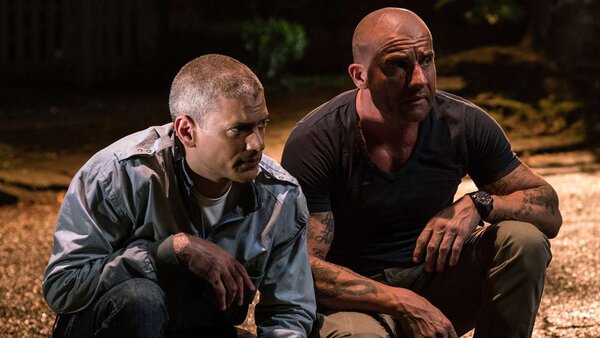
Prison Break opens with Michael Scofield deliberately getting arrested so he can be sent to the same prison as his brother Lincoln, who was framed for murder. As Michael prepares to break out, the siblings find themselves caught in a global conspiracy.
While Prison Break had a great hook, the main reason it worked is that most episodes ended with not one, but a plethora of cliffhangers. Twists and turns occurred non-stop, making it impossible to tell what would happen next.
By the second season, the Scofields and several other prisoners had escaped and were now on the run. Although ditching the initial premise could've backfired, the change-up stopped the season from feeling like more of the same. But when the ensemble was tossed into another prison in the third season, things started getting tedious and ridiculous. Characters were killed off and resurrected over and over, the leads kept making baffling decisions solely to drag out the already implausible story, and it became clear that Prison Break was relying on shock value more than smart storytelling - and even die-hard fans didn't stick around to see how it ended.
19. Futurama

Coming from the same mind as The Simpsons, Futurama had big shoes to fill. Fortunately, the sci-fi saga found its audience early on, thanks to its inventive concepts, hilarious storylines, and iconic characters. Later seasons focused on interconnected storylines, ingenious retcons, and hard-hitting character arcs, like Fry's affection towards Leela or his grief over his brother. (Also, nobody is getting over that dog episode. Ever.)
Even though Futurama got canned, fervent demand from the masses led to its return. When a show makes a comeback, it risks not having the same spark as the original, but not only was the revival as good as Futurama ever was, it had an ending that couldn't be faulted.
However, the fanbase just couldn't leave well alone, leading to another Futurama revival in 2023. Rather than telling stories that felt timeless, the latest iteration of the series drew parallels from the modern world, making many gags age like milk. For example, the episode that centred around COVID felt dated, even when it first aired.
Although it was a cause for celebration when Futurama came back for the second time, the last few seasons have delivered some of the worst episodes yet.
18. The X-Files

The X-Files revolves around FBI agents Fox Mulder and Dana Scully (David Duchovny and Gillian Anderson, respectively), who try to expose hidden truths of the world, mainly involving an alien conspiracy.
The overall narrative was gripping for a while, but too many monster-of-the-week episodes were thrown in to prolong the mystery. Just when it felt like Mulder and Scully were about to blow the whistle on the conspirators' operation, everything would reset, dragging it out further. By the time Duchovny departed after the seventh season, it was no surprise when the show concluded shortly after, even though some secrets were left up in the air.
When The X-Files returned in 2016 after a 15-year hiatus, it was the opportunity to tie up all of those loose ends and give the series an appropriate send-off. Instead, the newer storylines relied on preposterous notions, such as the reveal that the Smoking Man is Mulder’s father (which had been teased before but never outright confirmed). Also, the Smoking Man is alive again despite being incinerated down to the bone in the show's initial finale.
The X-Files' last episode, and last season in general, was so sloppy that it makes the original ending look like a masterpiece.
17. The Flash

Though Arrow was the first show in the DC's Arrowverse, the franchise took on a whole new life after The Flash debuted. Easily one of the strongest entries in this shared universe, The Flash was a faithful adaptation that remained accessible to casual audiences.
Early seasons of The Flash succeeded because they focused on Barry Allen as a civilian as much as his supersonic alter-ego. The Scarlet Speedster's relationships with his friends and love interests were fleshed out, so viewers were invested when their lives were threatened. And when The Flash started embracing crossovers, alternate timelines, and other realities, the series wasn't just thrilling; it was epic.
Too bad that later seasons followed a rinse-and-repeat formula. Character development stagnated, with Barry relearning the same lessons, side characters became underused or inconsistent, and the flagrant increase in weak dialogue and questionable CGI made dramatic moments less impactful.
Perhaps most damaging was the loss of any emotional stakes, as death became easily reversible due to Barry's ability to time-travel, which diminished any tension. Although The Flash's earlier seasons contain some of the best stories in the Arrowverse, the later episodes are among the worst.
16. Arrested Development
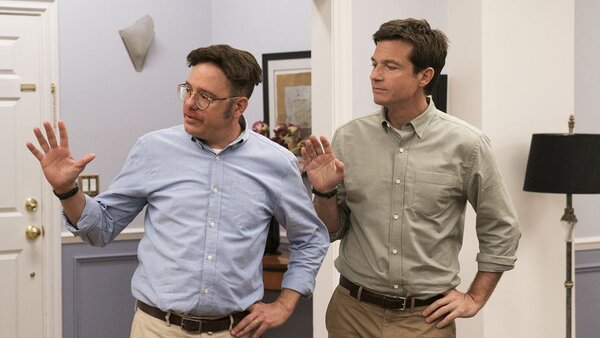
Despite Arrested Development's impeccable performances, airtight scripts, and meme-fuelling gags, Mitchell Hurwitz's sitcom struggled with ratings, leading to it getting axed after the third season.
Ironically, Arrested Development became more popular when it was taken off the air, leading to a revival eight years later. Unfortunately, the fourth season didn't sit right. Most of the ensemble were busy with their careers, making it difficult to book them on the same day. Even though the Bluths' dysfunctional dynamic was the cornerstone of Arrested Development, the family members rarely shared the screen, leading to limited banter.
The fifth season got the gang back together, but doubled down on overcomplicated plots, excessive narration, and self-referential jokes that felt tired rather than clever. Worse still, some storylines relied on pointless twists and retcons that discarded years of established lore, like how Lindsay is revealed to be Lucille's half-sister instead of her daughter in the penultimate episode.
Although it's understandable why Arrested Development veterans weren't ready to say goodbye to the Bluth family after only three seasons, a sudden cancellation was better than a mediocre revival.
15. The Handmaid's Tale
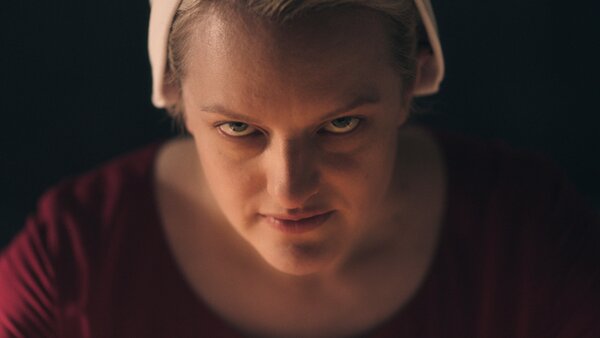
Based on Margaret Atwood's novel, The Handmaid's Tale takes place in a world where human birthrates are almost non-existent. The story focuses on June Osborne, a woman forced to live in the oppressive town of Gilead, where the occupants are subject to childbearing slavery.
Early seasons pushed the narrative forward while deepening the moral and political questions at the show's core, and there was a constant state of dread since any dissidence in Gilead was met with ruthless and often lethal punishments. But after exhausting the source material, The Handmaid's Tale struggled to justify its existence. Plotlines became repetitive, relying heavily on circular character arcs, June’s frequent escapes and returns to Gilead strained credibility, and the show’s fixation on her internal monologues and close-up shots replaced interesting storytelling.
Even though there was a deep sense of terror previously, June and her allies were draped in plot armour to the point where they could survive being blown up by a missile. And that's not an exaggeration, as they actually survive being shot by a missile at one point. Although Gilead's guardians are merciless, they kept tolerating June's insubordination, purely because she’s the lead character.
While The Handmaid's Tale is worth checking out, it's recommended to skip the later storylines altogether.
14. Scrubs
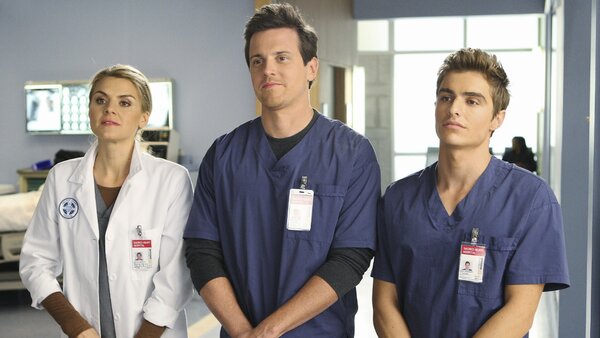
Bill Lawrence's medical sitcom made an immediate impression, masterfully juggling absurdism with emotional gut-punches. Despite being chockablock with fantasy cutaways, rapid-fire jokes, visual gags, and masterful one-liners from The Janitor, Scrubs never compromised the depressing reality of working in a hospital.
It's risky to rely on cameos, but guest actors like Brendan Fraser, Michael J. Fox, and Dick Van Dyke had among the most poignant moments in the entire show. Best of all, Scrubs didn't seem to suffer a glaring drop in quality, either.
But even though everything wrapped up neatly with season eight, the powers-that-be decided to tack on an extra 13-episode season.
Rather than being a direct continuation, this unneeded season served as a quasi-spinoff, with the original actors teaching new medical staff. Some of the former ensemble made sporadic appearances, while other beloved characters didn't feature at all, and though the new cast was fine (including pre-fame Dave Franco), the ninth season felt disconnected without that former ensemble's chemistry. Worst of all, it ruined the original run's perfect finale.
Let's hope the upcoming Scrubs reboot can salvage this mess.
13. House Of Cards

House of Cards follows an unscrupulous politician, Frank Underwood, who will stop at nothing to become President of the United States.
Although House of Cards was praised for its sharp writing and top-quality performances, it was Kevin Spacey's magnetic portrayal as the fourth wall-breaking Frank that defined the political backstabbing drama. After Frank accomplished his goal by the end of the second season, the Shakespearean-like series could've run out of steam, but Frank was so mesmerising, it was apparent that House of Cards would thrive so long as he was around.
Of course, after Spacey was fired, the showrunners were left with little choice but to kill off the Frank Underwood character off-screen right before the sixth and final season. As such, the last eight episodes focused on the presidential reign of Frank's wife, Claire. Though the fifth season indicated Claire would play a more prominent role in the future, removing Frank altogether created a vacuum that left many plot threads feeling uneven or incomplete.
The remaining ensemble tried their darnedest, but it wasn't the same, causing House of Cards to collapse like... well... y'know.
12. Heroes

Tim Kring's Heroes follows a group of regular people across the world who suddenly wake up to learn they've been endowed with superpowers.
Despite its straightforward premise, this comic book-inspired drama stood out from conventional superhero IPs at the time. Though Heroes dealt with fantastical elements, like time-travel, mind-reading, and alternate timelines, the character-driven conflicts stopped it from feeling like a run-of-the-mill superhero story. However, after a strong opening, the writers' strike of 2007 had a noticeable effect on the second season, leading to inconsistent writing and abandoned plotlines.
Heroes tried to get back on track in subsequent seasons, but never matched the original storylines. Attempts to keep things fresh led to retconning characters' powers and motivations, undermining emotional investment, and Sylar, who started as a terrifying villain, was diluted by overexposure and weak writing. Instead of building on established arcs, Heroes repeatedly reset itself, pissing everybody off.
Rather than letting it go, the showrunners hoped to catch lightning in a bottle with 2015's semi-reboot, Heroes Reborn. Unsurprisingly, the unneeded and unwanted spin-off was worse than anything its predecessor did, tarnishing the brand's reputation even further.
11. American Horror Story
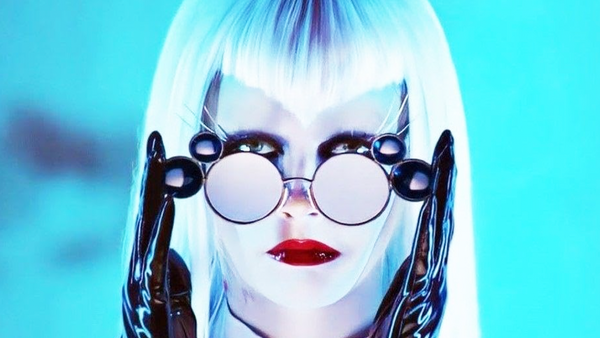
American Horror Story debuted as a bold anthology that revitalised televised horror. Early seasons such as Murder House, Asylum, and Coven were praised for their atmospheric tension, daring subject matter, and commitment to unsettling storytelling.
The rotating casts and self-contained narratives allowed AHS to take creative risks, blending psychological horror and social commentary in ways that felt fresh. Over time, though, the very elements that defined the show began to bring it down.
Later seasons suffered from messy plots, tonal inconsistency, and an over-reliance on shock value rather than nail-biting horror. Twists multiplied without going anywhere, characters were introduced and discarded hastily, and themes were explored superficially.
Although American Horror Story has been hit-and-miss, the most recent two seasons took a serious nosedive, causing even the most dedicated fans to switch it off for good. Being an anthology, there's no sincere reason for American Horror Story to continue, since there aren't any loose ends to tie up, and, considering how unmistakable its drop in quality has been over the last few years, it's a wonder why the showrunners don't just call it a day.
10. Uzumaki
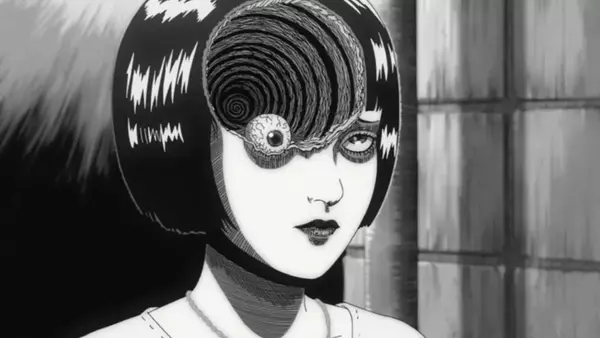
Based on Junji Ito’s manga of the same name, Uzumaki centres around a curse that causes the inhabitants of a town to be consumed by spirals. Ito’s twisted story is so beloved that the hype for the anime adaptation was off the scale.
Astoundingly, the pilot exceeded all expectations. The anime maintained the black-and-white aesthetic of the source material, so it felt like a perfect recreation of the manga. Due to the unsettling premise and nightmarish imagery, this opener is sure to rattle any horror-anime fan.
Now, since Uzumaki is on this list, it goes without saying that it eventually went downhill. However, the anime has the rare distinction since it fell apart... after the first episode.
While the pilot was handled by Studio Fugaku, subsequent episodes were done by Studio Akatsuki, who were given unrealistic deadlines to complete their work, leading to rough animation and incomplete scenes.
Executive producer Jason DeMarco said the Uzumaki development process was such a nightmare that his team considered scrapping the whole thing. Based on the universal disdain for the last few episodes, the studio should've called it quits.
9. The Mandalorian

One of the fundamental reasons why The Mandalorian knocked it out of the park was due to its emphasis on character-driven simplicity. Though entrenched in a galaxy far, far away, the series carved its own identity, pushing for a Western-inspired style, visual storytelling, and sparse dialogue.
Rather than being overstuffed with lore and side-plots, The Mandarin highlighted Din Djarin's bond with Grogu above all else. Even though Disney's Star Wars sequels were meant to revolutionise George Lucas' franchise, The Mandalorian felt like the best Star Wars IP in a long time. But it wasn’t long before the cracks seeped in.
The Mandalorian's second season concluded with Grogu and Din going their separate ways, and the following season opened with the pair back together, almost like nothing happened. Bizarrely, Grogu’s return is explained in another show, The Book of Boba Fett, which made The Mandalorian feel heavily disjointed.
Not only that, the newer storylines just aren't that appealing. The Convert episode barely features the lead characters, instead focusing on an unnecessarily complex subplot that could’ve been condensed in five minutes, and by the time Jack Black and Lizzo make their distracting cameos, The Mandalorian had well and truly jumped the bantha.
8. True Blood

True Blood was an innovative reinvention of the vampire genre, blending Southern Gothic atmosphere, campy humour, and sharp social commentary. The idea of vampires "coming out of the coffin" to the world was clever, and the first season enraptured viewers straight away by throwing in an enthralling whodunnit mystery.
The series thrived on moral dilemmas and allegories for discrimination, using vampires as a metaphor for marginalised identities. And though fantastical, True Blood was anchored by the love triangle between Sookie, Bill, and Eric, accentuated by the actors' performances.
Sadly, this was too good to last.
Later seasons threw in an overabundance of supernatural elements, including witches, werewolves, shapeshifters, fairies, smoke monsters, and (sigh) werepanthers. The will-they-won't-they romance between the leads became tiresome as Sookie kept bouncing between love interests ad nauseam. Character motivations shifted wildly, contradicting years of development for the sake of shock value. The final season, especially, was rushed, with major developments occurring with no build-up whatsoever (especially Alcide’s blink-and-you-will-miss-it death).
Even though the earlier storylines of True Blood were great, the later ones deserved a stake through the heart.
7. Lost

You can count on one hand how many TV shows had a better pilot than Lost. The first episode kicked off with a group of plane-crash survivors landing on a mysterious island, only to learn it's filled with deadly secrets.
Viewers felt obligated to keep watching, since each storyline seemed to contain a clue to the overarching mystery. Even though flashbacks can be used lazily to pad things out, this structure helped flesh out the ensemble, making viewers care about every character, even the villains. Though questions were answered on occasion, that often led to further mysteries, driving fan theories and cultural obsession into overdrive.
But all of Lost's buzz and excitement amounted to nothing. Although the later seasons contained too much filler and recycled plotlines, the biggest issue was the payoff, or lack thereof.
Purists stuck with Lost for years, hoping to get some answers behind the otherworldly island's purpose and origins. Over a decade after it ended, even the biggest fanatics can't make heads or tails of the show's ending.
While Lost remains influential and memorable, its legacy serves as a cautionary tale for how compelling mysteries only work if their resolutions actually make sense.
6. Stranger Things
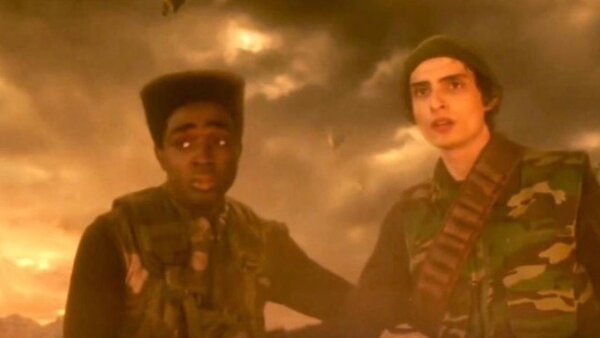
After a three-year hiatus, the last season of Stranger Things had plenty of time to iron out the criticisms the previous season had, including major retcons, bloated run-times, and excessive exposition.
Instead, these issues were amplified in the fifth season. Although characters are expected to grow, the way some of the ensemble evolved is downright nonsensical, such as Dustin, who has gone from being a whiz kid to a quantum physics expert. Seriously, how does a "teenager" know about exotic matter?
The OTT action was jarring, resembling a Marvel movie rather than the '80s-oriented show we fell in love with a decade ago. Epic moments are impaired by rife plot holes, like how the ensemble magically teleports to a cliff-top during a fight in the Abyss.
Jamie Campbell Bower shines as the overarching baddie, Vecna, which makes his brief showdown with Eleven more anticlimactic. Rather than confirming whether Eleven lived or died, the Duffer brothers left her fate ambiguous, making closure impossible.
Many viewers found this ending so underwhelming that it inspired a wild conspiracy that these events were an illusion created by Vecna, which would be unveiled in the real finale, Conformity Gate. This theory was obviously baseless, but the fact that it built up momentum the way it did highlights how many people were disappointed by the formerly unstoppable show.
5. The Witcher
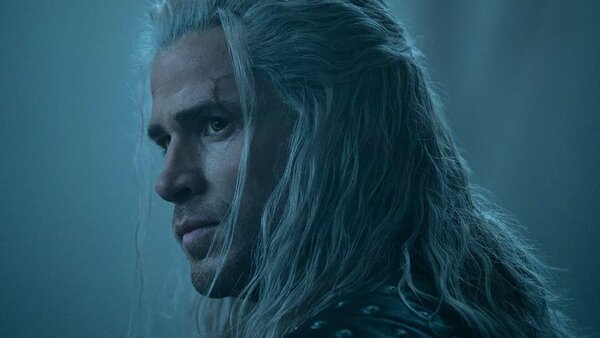
The Witcher was expected to be the next big thing on Netflix, with plans to launch spin-offs and animated features before the pilot even dropped.
Despite that unrealistic hype, the medieval fantasy drama was a rousing success, largely because it respected the source material while embracing ambitious storytelling. Henry Cavill proved he was born to play Geralt of Rivia, commanding scenes with his physical presence and emotional restraint. Combined with strong fight choreography and atmospheric world-building, The Witcher felt distinctive in a crowded fantasy landscape.
Sadly, the third season disregarded The Witcher novels entirely in favour of rushed plots and modern tropes. Cavill still gave it his all, but it was clear he couldn't fight against bad writing, and his eventual departure symbolised the beginning of the end, as the person who respected the source material the most knew that the Netflix adaptation was a sinking ship. Henry's replacement, Liam Hemsworth, did a serviceable job, but couldn't disappear into the role like his predecessor.
Though the first two seasons of The Witcher showed remarkable promise, there's no doubt it lost its way.
4. Killing Eve

Killing Eve centres around an MI5 agent, Eve, who's tasked with taking down a deranged assassin, Villanelle, who works for a mysterious group called The Twelve. As Eve develops feelings for Villanelle, her life becomes more complicated than she could've ever imagined.
The early seasons were commended for their witty dialogue, dark humour, and psychological complexity, thanks to Phoebe Waller-Bridge’s sharp writing. With that said, the electrifying dynamic between the two leads is the bedrock of Killing Eve, since their cat-and-mouse relationship was unpredictable and emotionally charged.
Sadly, frequent changes in showrunners led to inconsistent character development and incoherent storytelling. Eve and Villanelle’s motivations became muddled, with storylines repeating rather than evolving. For anybody who stuck with Killing Eve until the end, they were left well and truly ticked off by the finale.
Having built up The Twelve from the very beginning, Villanelle kills them all off-screen, giving no sense of closure. Then, after she embraces Eve, Villanelle is abruptly shot dead before the screen cuts to black. Her execution left viewers feeling cheated since they invested so much time into her relationship with Eve, and even Luke Jennings - author of the source material, Villanelle - publicly criticised the climax, saying it ended up “bowing to convention”.
3. The Umbrella Academy
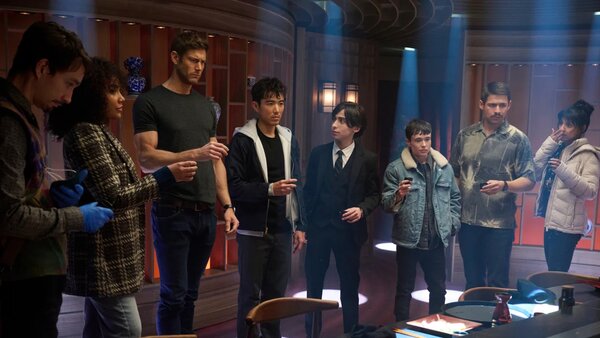
Based on the Dark Horse comic book series of the same name, The Umbrella Academy centres around the superpowered Hargreeves family, who use their abilities to protect reality. The source material is incredibly surreal (even by comic book standards) to the point where it seemed impossible to adapt without heavily compromising the story. (Especially when the heroes fight the Eiffel Tower.)
However, the Netflix series did a remarkable job, balancing zany humour with genuine stakes, while making each sibling feel flawed in their own distinct way. Despite dealing with apocalyptic threats, The Umbrella Academy always knew how to stay grounded.
But as it progressed, those strengths eroded. Later storylines leaned on convoluted time-travel mechanics and repetitive plots, depleting tension instead of raising it. Character development stalled or regressed, with siblings often reduced to exaggerated versions of themselves.
Sadly, The Umbrella Academy saved its worst ideas for the end. When the Hargreeves learn their existence is responsible for the fractured timelines and repeated armageddons, they erase themselves from existence to save humanity. Even though this was supposed to be a noble sacrifice, it meant that all of the characters' growth, struggles, and relationships over the last four seasons amounted to nothing.
2. Game Of Thrones
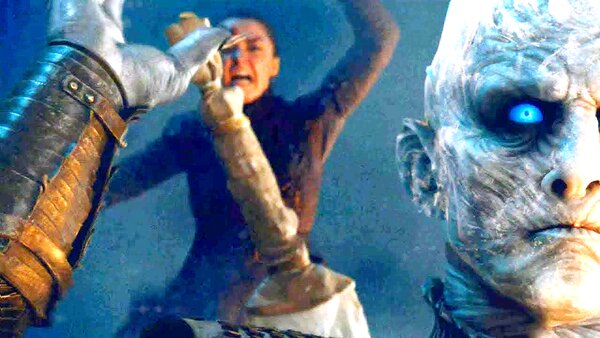
An obvious choice, but this list wouldn't be complete without mentioning the glorious misfire that is Game of Thrones.
Based on the pilot alone, it was apparent that David Benioff and D.B. Weiss took unprecedented measures to ensure they captured the spirit of George R.R. Martin's A Song of Ice and Fire. GoT flawlessly explored a myriad of dense plotlines, interweaving them slowly but purposefully. The supposed protagonist, Ned Stark, was executed before the first season concluded, proving that plot armour wouldn't save anybody.
This point was hammered home further during the infamous Red Wedding sequence, leading to the death of numerous beloved characters. And as the overarching plot focused more on the impending threat of the Night King, GoT quickly became the most epic show on television.
As the series outpaced the books, though, things came apart, especially during the final season. Enormous narrative turns were compressed into solitary episodes, including the monumental showdown with the White Walkers, and plot holes occurred with such regularity that it felt like the final season was based on a first draft. Continuity errors were commonplace, too, with Starbucks cups and bottled water popping up onscreen.
Iconic characters, like the Hound, Varys, Jaimie, and Cersei, were killed off unceremoniously, which felt like a middle finger to viewers. Even though heroic characters regularly performed questionable actions throughout, Daenerys' pointless heel-turn was a perfect example of character assassination.
The final season had a few vocal defenders at first, but most of them clammed up before Game of Thrones reached its anticlimactic end.
1. One Punch Man
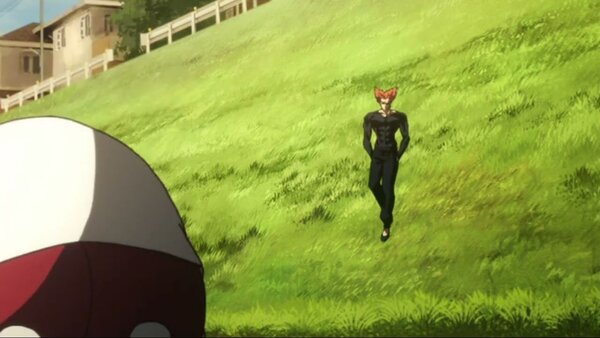
One Punch Man stood out amongst the best anime, thanks to its intriguing premise, astounding action, colourful characters, and hilarious dialogue.
Although the second season finished in 2019, it took six years for the following season to drop. The wait was agonising, but fans were pumped, believing the extra time was needed to cram the third season with fluid animation and cinematic battles. Oh, how very wrong we were.
Looking at One Punch Man's latest season, there's no doubt the superhero saga saw one of the lowest quality drops in television history. As an example, the Motley Heroes episode has an IMDb score of 1.5, making it the lowest-rated anime episode on the entire website.
Rather than being filled with dynamic interactions and action-oriented fights, episodes were let down by unbearable exposition, stiff pacing, and bewildering story choices. But it was the animation that suffered the most. Character movements are so choppy and unfinished, One Punch Man started being referred to as One Frame Man.
Without exaggerating, there are times when animation is abandoned altogether. Instead of showing characters talking or moving, scenes often depict a static image, which is accompanied by dull narration.
Even though One Punch Man's story isn't over, the third season may have preemptively killed the series.