5 Ways Steven Moffat's Doctor Who Is BETTER Than Russell T Davies' (And 3 It's Worse)
Yep, we're going there.
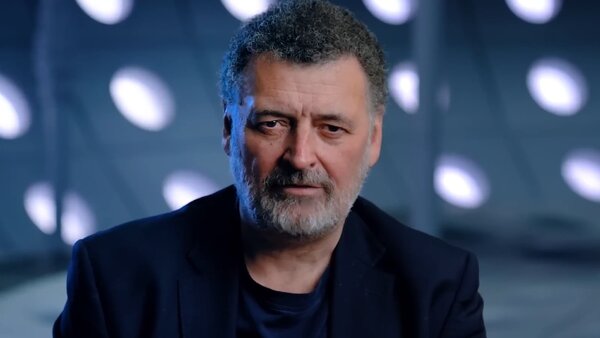
Everyone has their favourite Doctor – those debates have been going on for as long as Patrick Troughton has been tooting on his flute. But the modern era, with its greater spotlight on the people behind the show, has introduced an entirely different, and in some ways far more fervently fought civil war: the battle of the showrunners.
Perhaps this discussion always feels a little more catty as we're comparing actual people and not characters, but it's something we do as a fanbase regardless.
In one corner, Russell T Davies, the man responsible for bringing Doctor Who back to screens in 2005 and making it a cultural juggernaut. In the other corner, Steven Moffat, the breakout writer of the revived series and the helmsman of the show after RTD's first departure. I would love to tell you that Chris Chibnall is in contention here, but while I think we may look on his era more favourably now than at the time, it would be disingenuous to act like this is seen as a three-horse race by most fans.
The RTD and Moffat eras excelled in very different ways. For the purposes of this article, I'll be going to bat for the Moff, and arguing why his era is better, but I'll also be playing devil's advocate by acknowledging the various ways RTD has him beat.
8. Better: Season Arcs Actually Felt Like Stories
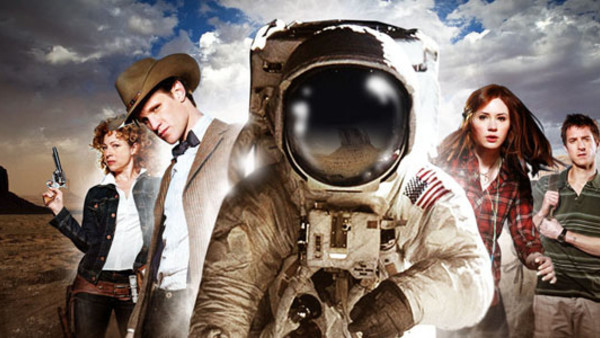
The RTD mystery box is perhaps his most notorious trope as showrunner. In Series 1, the recurring 'Bad Wolf' motif worked to great effect, and he really took that and ran with it. Again, and again... and again.
We got 'Torchwood', 'Vote Saxon' and 'The bees are disappearing', one after another. They were effective hooks, but structurally they were often quite shallow and were used in place of any legitimate build-up to a reveal.
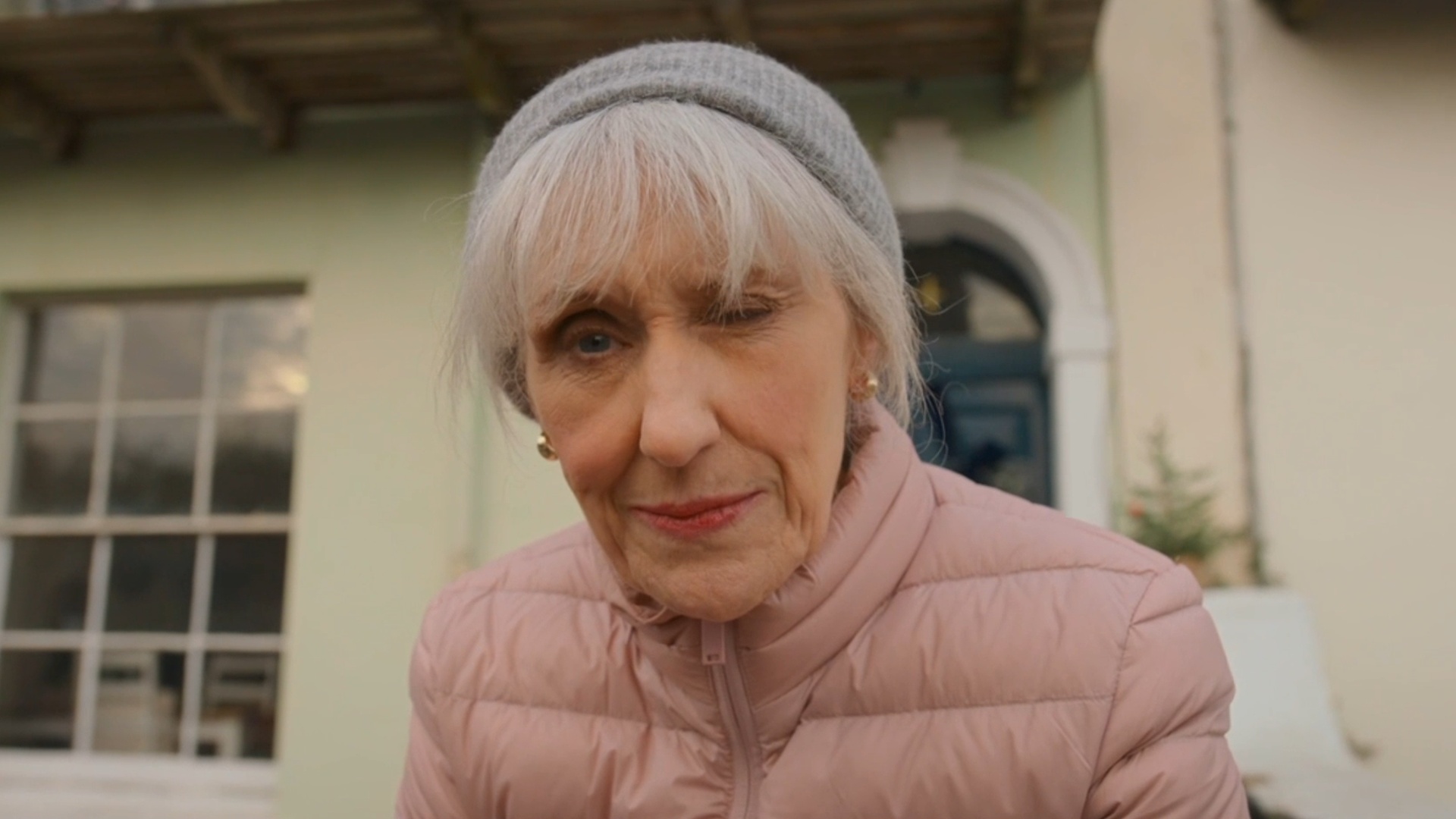
This went into overdrive in RTD2 with its harbingers, anagrams that weren't anagrams, and the very odd choice to have 'spooky old lady' as a mystery box twice in a row. It may have "generated content", but it all felt rather weak.
Contrast that with Moffat’s. For all their occasional convolution, his story arcs actually evolved throughout the series. They had turns, reveals, and progression. Take Series 6 – you've got the Doctor's death at Lake Silencio, Amy's pregnancy, River's identity, and the origin and intent of the Silence.
There's scarcely an episode that doesn't move one of these threads forward in a meaningful way. We don't just say 'Silence will fall' and call it a day, we cut to a scene at the end of the episode that drives us towards the climax. The difference in structure is night and day.
Moffat’s arcs were also character-driven rather than plot-driven, the TARDIS team were impacted and steered by dramatic developments, and most importantly of all, there was variety. No longer was the big question of each series 'who's coming back in the finale?' – each presented an entirely different type of mystery, with the big question focused on totally different things each time.
7. Worse: Worldbuilding

In RTD1, RTD painstakingly built a picture of the universe in which the show exists. In RTD2... not so much. But the point stands for that original run.
His version of planet Earth was always central to the plot. Across his Whoniverse we spent a lot of time with other factions like Torchwood, UNIT, and the Bannerman Road Gang, and the writing went to great lengths to show us the ways in which their approaches to defending Earth differed.
RTD's world had political drama, media reactions, and consequences that carried between episodes. Stories like Love & Monsters and Turn Left both do a fantastic job showing us what living through various alien invasions is like for your average Joe.
We also have a sprawling secondary cast with characters like Mickey, Jackie, Francine, Wilf, and even Harriet Jones getting enough focus to really explore their characters. RTD reaps his reward when all his groundwork culminates in his finales, particularly The Stolen Earth – four years of carefully building connective tissue leading to an Avengers-level crossover that felt more than earned. Something like this could never have happened in Moffat's era.
In contrast, Moffat's world was far smaller. We never really spent time with companions' families, and any time spent on present-day Earth was usually part of a UNIT story, where the experiences of everyday people were swept under the rug.
Entire Cyberman invasions felt like they vanished from public memory, and it really hurt that sense that this was a living, breathing world with a firm continuity. This of course complimented Moffat's 'fairytale' style, but cohesion was certainly lost in comparison to the worldbuilding masterclass of RTD.
6. Better: Richer Characterisation

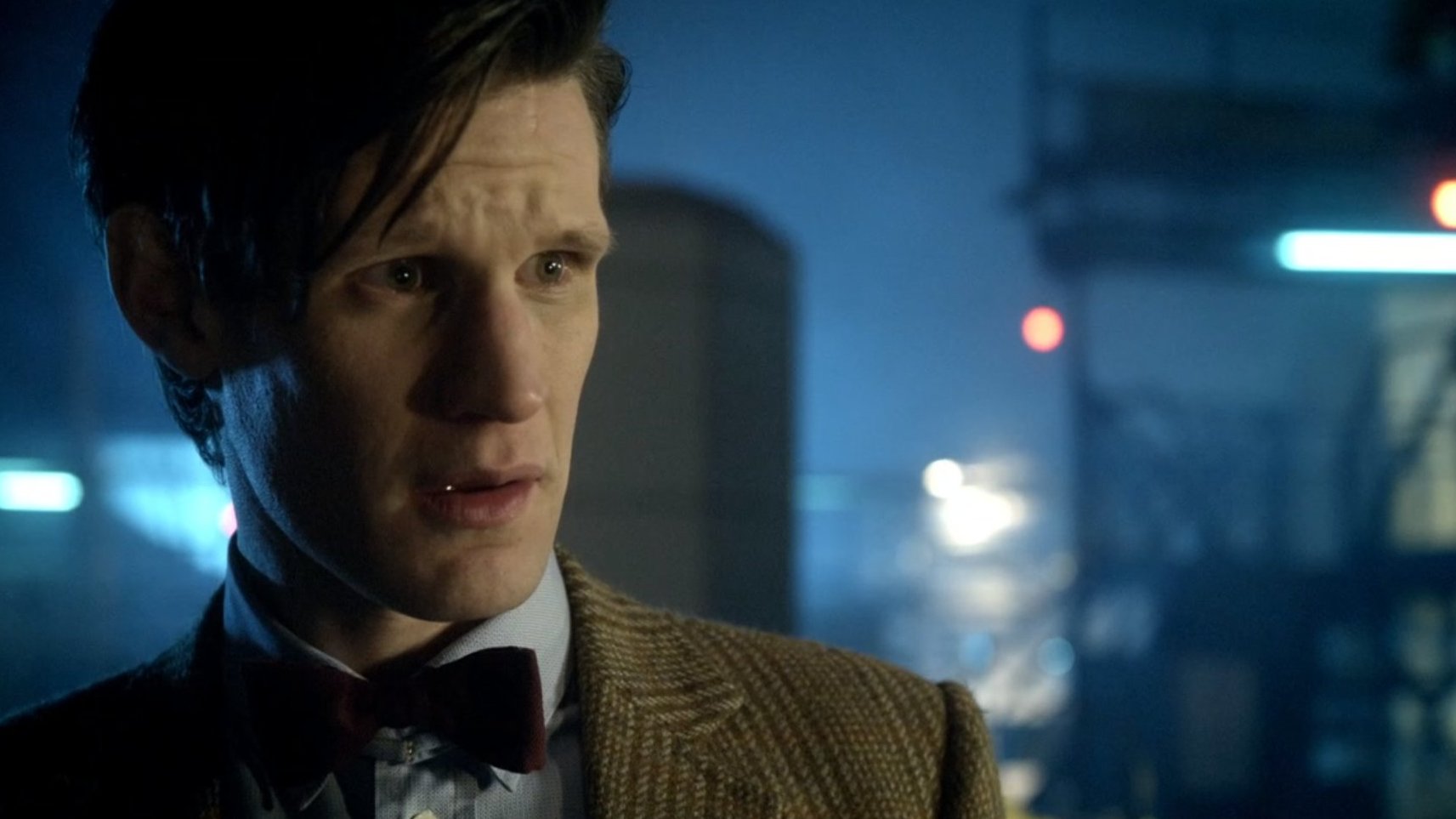
This is a big one for the Moffster. Put simply, the Doctor is a better character during his tenure. Moffat understood the Doctor on a deeper level than almost anyone who has ever written the show, and also, arguably for the first time, really explored the Doctor as a multi-layered character, challenging them and pushing the show in a different, more introspective direction.
Eleven, and especially Twelve, feel astonishingly well-defined. Their behaviour is consistent, their flaws matter, and they have meaningful character arcs that progress during their time in the TARDIS. Eleven evolves from whimsical fairytale hero to a visibly exhausted old god hiding behind his childishness. Twelve goes from abrasive and emotionally repressed to perhaps the kindest and most emotionally mature incarnation of them all.
Both characters undergo these changes as a direct result of their experiences, and their development feels intentional and carefully plotted.
And then you have Moffat's companions.
Clara is perhaps the most fully-realised companion the show has ever had. Moffat took off the training wheels and trusted the audience to no longer need a surrogate. Instead of holding onto her being relatable and being the moral heart of the show, as companions often have been, Moffat allowed Clara to evolve into a complicated, flawed and occasionally outright toxic person.
Her relationship with Twelve is messy, co-dependent and deeply compelling in a way the show hasn't attempted before or since. Missy receives similarly nuanced treatment, and is by far and away the best incarnation of the Master – the performance is wonderful, but what sets her apart is her writing, which allows her to be a character first and an antagonist second.
Let's compare this to RTD. Ten yo-yos between 'I never would' and 'the fury of the Time Lord' depending on the needs of the script. One week he's a lonely god. Next he's cracking jokes while hanging from a CGI crane. Then he's suddenly terrifying again.
This isn't to say that those Time Lord Victorious moments aren't gripping TV, but they're dotted about his era and he never feels like he learns or evolves as a result of them. He hits all the beats of a fantastic Doctor, but the writing underneath is less cohesive than people remember. How different is the Ten in The Christmas Invasion to the Ten in The End of Time, really?
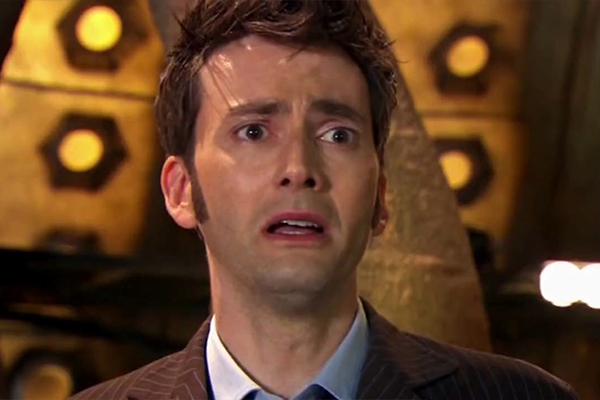
His final words are fairly compelling evidence towards him not having developed, not having overcome his vanity. A brilliant Doctor no doubt, but far less behind the eyes compared to Moffat's incarnations.
5. Better: Smarter Scripts
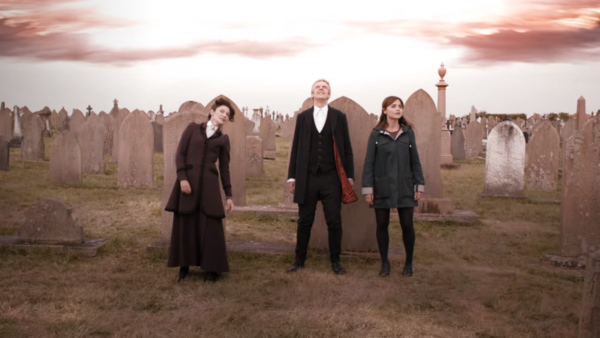
When you line up the episodes penned by Moffat against RTD's contributions, it's hard to argue which is the stronger Doctor Who scriptwriter.
Moffat has a wealth of all-time classics under his belt: The Empty Child, Blink, The Eleventh Hour, A Christmas Carol, The Day of the Doctor, Heaven Sent, and World Enough and Time/The Doctor Falls, to name a few. He also wrote the best-regarded episodes of RTD's original run.
RTD is no slouch when he puts his mind to it – see Midnight, Turn Left, and a co-write on The Waters of Mars – but on the whole, his ratio of middling episodes is considerably higher.
Moffat is a concepts man. He often comes up with a fairly simple but unique base for an episode and extrapolates from there. He weaponises familiar concepts like statues and shadows, and challenges characters by taking away things they're often reliant on: their memory, their ability to breathe or move, and their sight. He understands that the best monsters aren't steeped in lore, but rather have a single, easy to understand and terrifying premise. He seems to hold a higher opinion of his audience than Davies' scripts do.
Moffat's era tended to take a more unorthodox approach to its stories too, with more mature themes and bigger questions asked of its characters. Compare Doomsday and Death in Heaven – Doomsday spends half its time having Cybermen and Daleks zap each other and then presses a magic button to suck them all into the void. Death in Heaven flips the plot on its head, avoids flashy action sequences entirely, and focuses instead on themes of grief, guilt, and military PTSD.
Moffat's writing understood that the thrill of tension is in the anticipation and not the reveal. His scripts are tighter, more organic, and iffy sex comedy not withstanding, tend to be far wittier, which counts for quite a lot in Doctor Who.
4. Worse: RTD’s More Grounded Characters
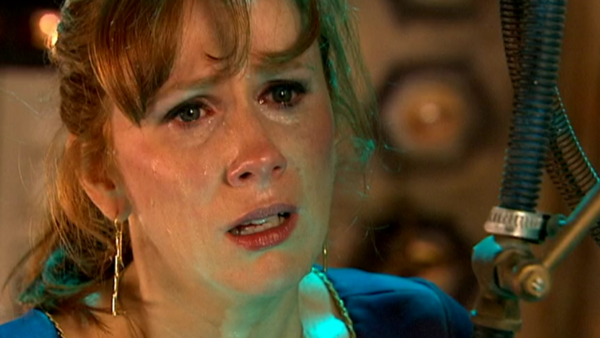
Amy, River and Clara are brilliantly-written characters, but they don't act or behave like normal humans.
They feel like Steven Moffat characters – hyper-competent and smart, constantly witty, and flirtatious to a fault. Moffat has a type, and he does not go to great lengths to hide it. Sure, you've got Rory and Bill who are a little more grounded, but when you hear them talk, it's still Moffat's signature voice coming through.
RTD's companions feel more like believable people. Rose, Martha, and Donna all feel like you could actually meet them on the street. They've got real concerns like difficult families, relationships and jobs. They react to alien things in the way most of us would, at least at first – not with wide-eyed wonder but often with an acknowledgement that the universe is hella weird.
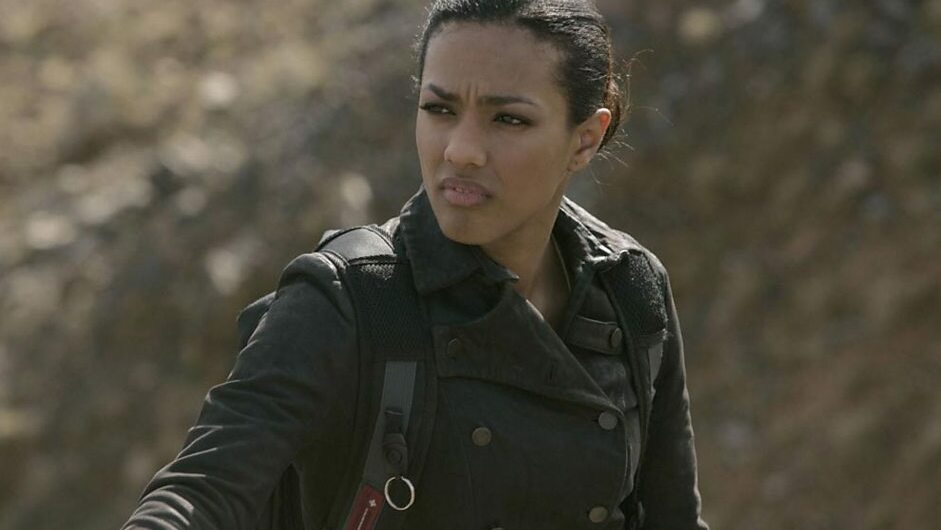
When they're the instigating force in resolving an episode's problems, it's not because they're as smart as the Doctor, or as verbose and confident. More often than not, it's because of their humanity, or their ability to recognise the mundane details the Doctor overlooks. RTD's era gives the impression that anyone can be a hero. Moffat's era suggests that sure, you can be a hero, so long as you're also the wittiest and most confident person on Earth.
Donna is the ultimate example of why this approach to companion writing absolutely works. She's a triumph, precisely because we watch her grow from everyday office temp into someone truly remarkable.
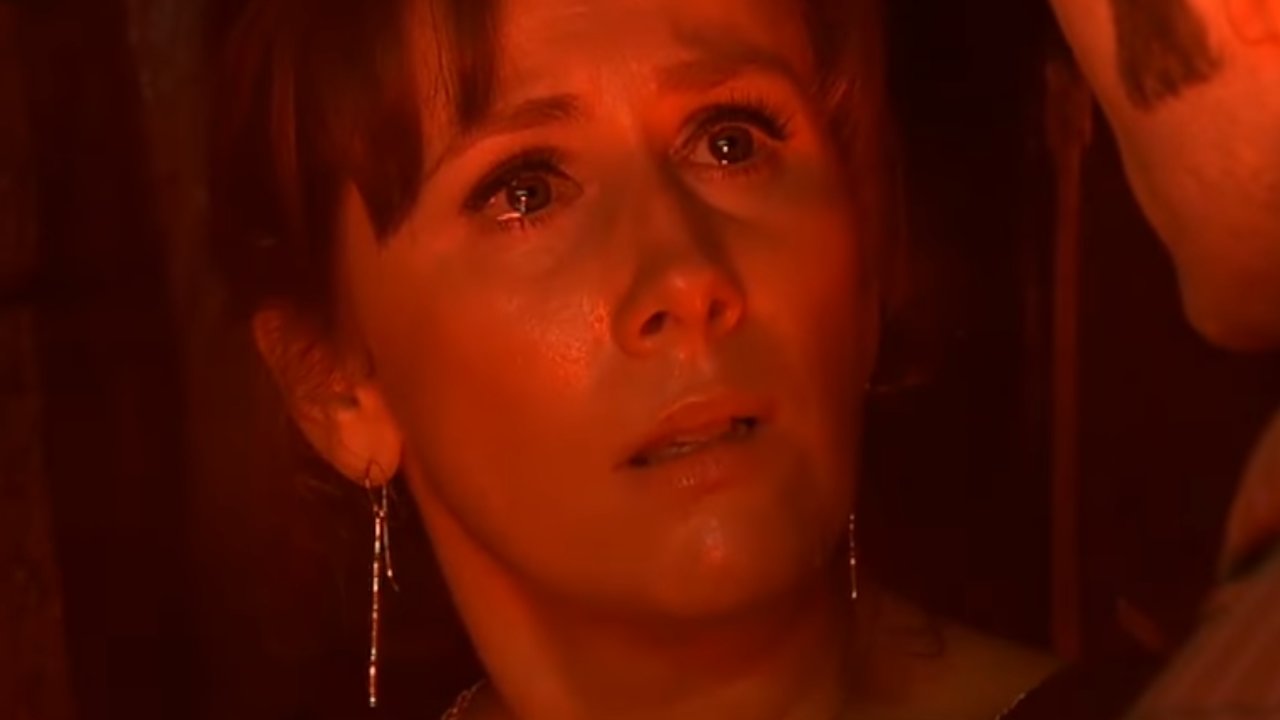
Some people bemoan the soap opera stylings of RTD's 2005 run, but it understood the brief perfectly. The show had a reputation to shed – it was considered silly, unrealistic, and in some cases, rather reductive of its female characters. Creating these grounded, realistic companions with proper story arcs fixed one of Classic Who's more notable failings.
Rose may have her detractors but she's right up there as one of the single biggest reasons the 2005 revival succeeded.
3. Better: It Actually FELT Like A Time Travel Show

Moffat absolutely clears RTD on this one, no debate.
Under RTD, the TARDIS functions as a mode of transport. It drops the Doctor and companion somewhere (probably Cardiff) and the story unfolds – very rarely will the TARDIS or time travel serve the plot in any important way. The TARDIS set doesn't feel like a home, or a safe space, and in general is far less dynamic – less of a motorhome and more just a car.
On Moffat's watch, the show really started to lean into time travel. The TARDIS wasn't just used as a taxi – time travel itself became a frequent part of the narrative structure. Straight off the bat, in fact, as The Eleventh Hour utilised time jumps as a core concept. Moffat was no stranger to this, with stories like The Girl in the Fireplace and Blink having time travel woven into the narrative.
He would go on to lean into this even more heavily, with stories like The Pandorica Opens/The Big Bang, The Impossible Astronaut, A Christmas Carol and Before the Flood. The man with a time machine actually thinks to use his time machine to solve problems. Fancy that! We start to play with concepts like paradoxes, time loops, time dilation, and Moffat's personal favourite: non-linear timelines. Enter River Song, a truly fascinating character that would only have been possible in Moffat's wibbly-wobbly run.
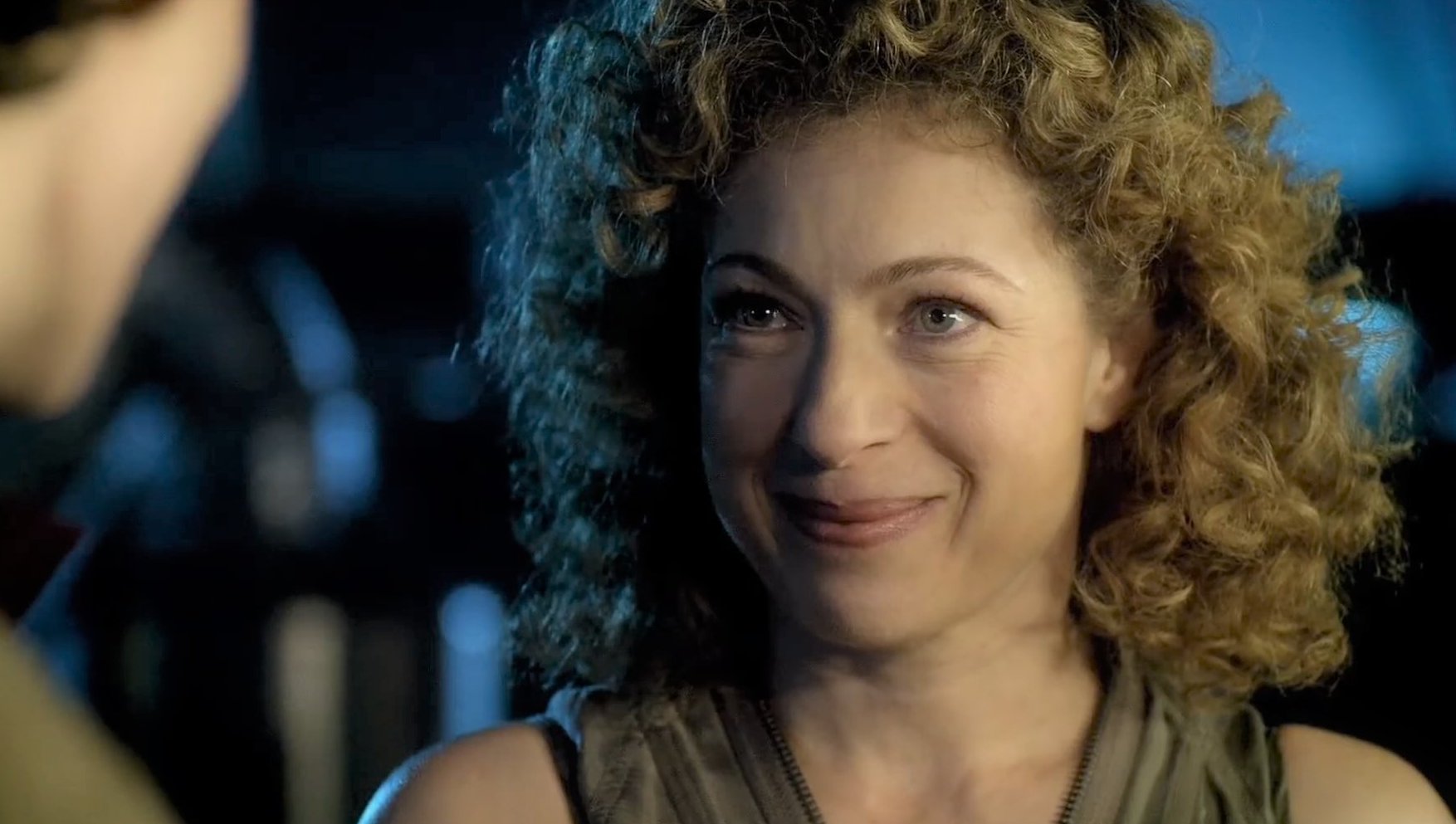
The net result is that time travel in Moffat's universe feels stranger, more mythical, and far more dangerous.
His approach to the TARDIS – treating it like a home, giving it a sense of depth, giving it some warmth and allowing the set to actually breathe also fed into this in a major way. His version of Doctor Who embraced the idea that travelling through time should fundamentally distort how stories operate.
2. Worse: Less Mainstream Appeal

During RTD1, the show was simply more successful than it was under Moffat. Bigger ratings, bigger cultural impact, bigger public hype. Davies had a remarkably solid understanding of the TV landscape in 2005 (in 2026, not so much). He knew how to market the show, how to drive ratings, and how to write event television. Every finale in his tenure felt unavoidable. Even people who didn't watch Doctor Who were aware that something was going down.
Davies made the smart move of capitalising on his success early by getting two spin-offs commissioned, both of which became successes in their own right. One of the biggest boons of Torchwood and The Sarah Jane Adventures was that they helped fill the off-season – the Whoniverse was never away for long and was able to remain in the public consciousness.
Back then, the show had incredible momentum, aided heavily by how top notch both spin-offs were – Children of Earth is arguably the best thing RTD has ever penned, Doctor Who or otherwise.
The battle to stay relevant was fierce, and the moment RTD and Tennant stepped back, the show began a downward trajectory in this regard. That's not to say the Matt Smith years weren't popular (far from it, in fact), but it undeniably wasn't the same, and the Capaldi years were even less so. Even RTD, upon his grand return, has failed to capture the lightning in a bottle he created that first time around.
The Moffat era also lacked any notable spinoffs, with 2016's Class flopping on its face and Torchwood dwindling out in 2011. This obviously didn't help the show stay as relevant as it had been between 2005 and 2010.
For all the praise we just gave Moffat for his complex time travel stories, the flip side is that the show became slightly more impenetrable for casual viewers. The storytelling was denser and the timelines twistier. For fans, this was wonderful, especially those who grew up on the revived era and felt like the show was growing with us, but mainstream audiences gradually drifted away.
He might get more of the blame but the loss of steam we've seen this last decade from the show started with Moffat, not Chris Chibnall.
1. Better: Less Reliance On Nostalgia
This is a difference that has become all the more apparent in the wake of RTD2. Davies has a special reverence for nostalgia, and seems to base all his big moments around the return of something you remember from back in the day.
The first time around, this worked – after all, you can't have Doctor Who without the Daleks, the Cybermen, the Master, or Davros. But 15 years on and this routine felt considerably more stale, not least because it wasn't someone else's work he was fondly remembering... it was his own.
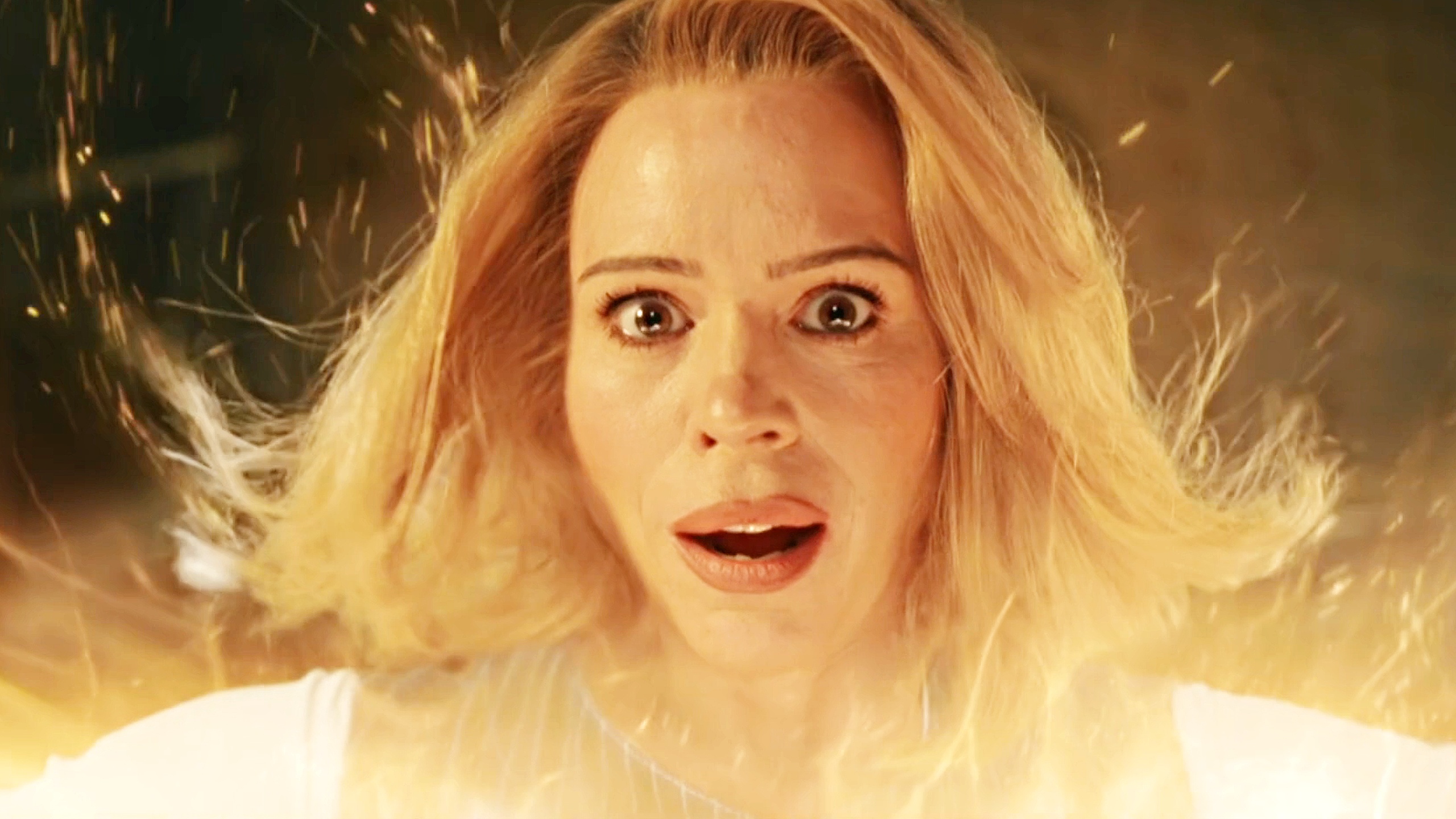
The return of Tennant and Tate and the attempt to recapture that Series 4 magic was a sign of things to come, with the era ending on the jump-the-shark moment of the Doctor regenerating into Billie Piper. In a relatively short space of time, RTD also brought back the Toymaker, Sutekh, the Midnight Entity, the Rani and Omega, and treated each of these like reveals that would shock the nation, when in all likelihood 99% of viewers had no idea who they were.
It's become increasingly clear that RTD cannot write a finale that doesn't hinge on these nostalgia reveals, having done this an astonishing eight out of eight times (including both runs of specials). The man simply doesn't have a Pandorica Opens/The Big Bang in his locker.
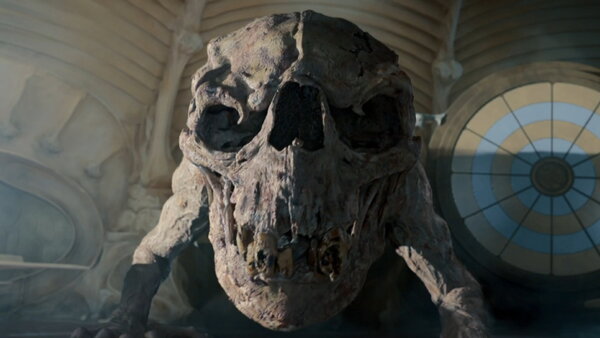
That frustration has been compounded by the fact that, as time has gone on, these characters have less and less resembled their original counterparts, and their impact on the plot has been increasingly minimal, culminating in Omega (the famed Gallifreyan scientist and inventor of time travel, with a complex history and iconic villain design) being reduced to a giant CGI skeleton baby that gets blasted out of the plot in five minutes flat. Omega was there for a reveal, nothing more.
In comparison, Moffat revelled in building his own mythology, and as a result his era still feels remarkably fresh on a rewatch. He had confidence in his own ideas, with adversaries like the Weeping Angels and the Silence taking centre stage. Some finales, like Series 5, Series 7, and Series 9, weren't really focused on an adversary at all, but a mystery or hurdle to overcome. Plot first, nostalgia second. Every single time. Not every experiment worked, but the ambition deserves credit.
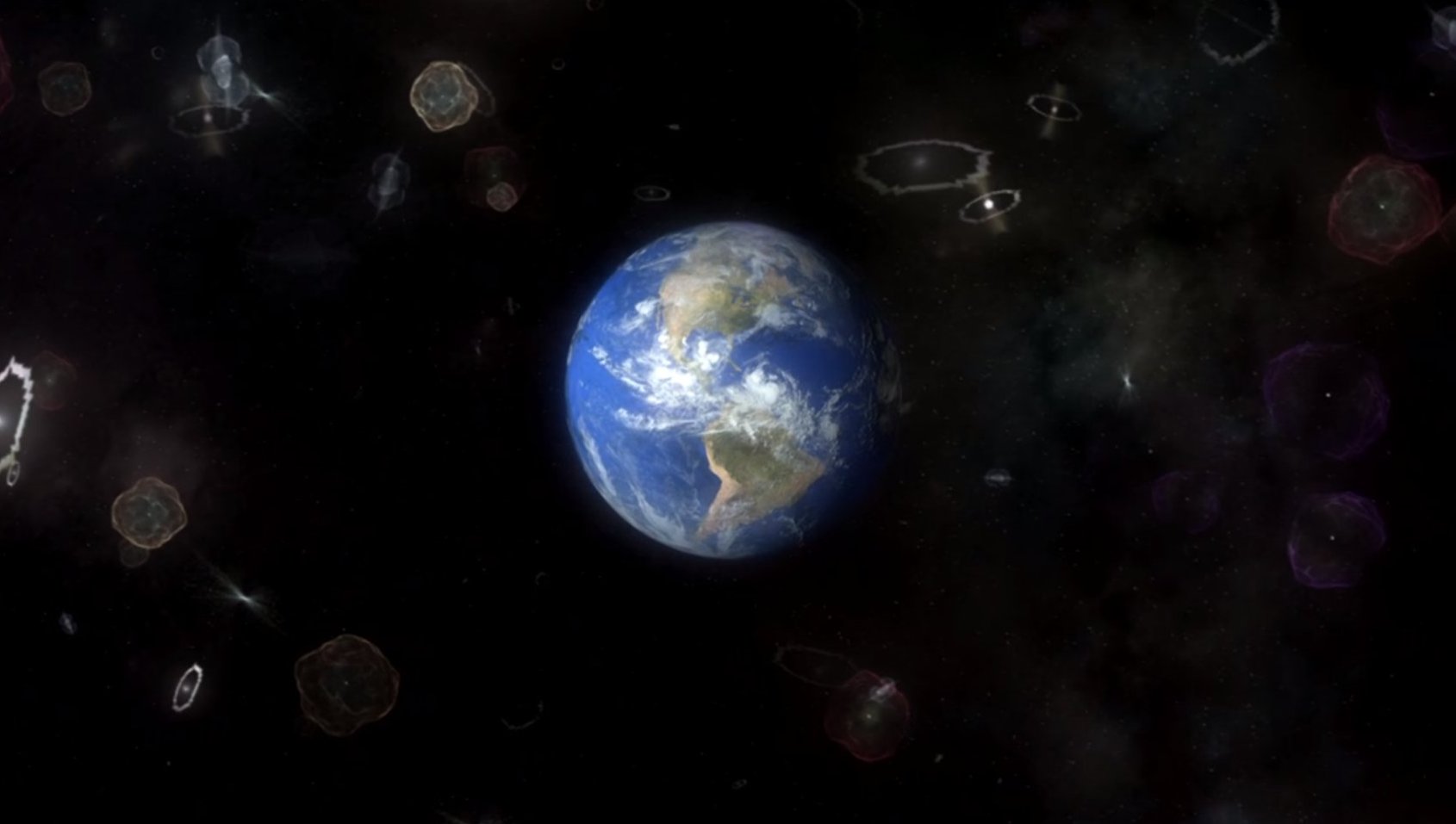
Moffat’s era often felt willing to take risks, and at its best, was capable of giving us a finale as truly special and subversive as Heaven Sent/Hell Bent. For all its focus on creating "content" moments, RTD2 has utterly failed in creating anything that will live as long in the memory as Eleven being dragged into the Pandorica and the universe exploding, or the Twelfth Doctor punching his way through a diamond wall.
Another point to the Moff – and an overall victory for him, too.