7 Reasons Orphan Black Is The Best TV Show You're Not Watching

Looking for your next binge-watch? You've found it.
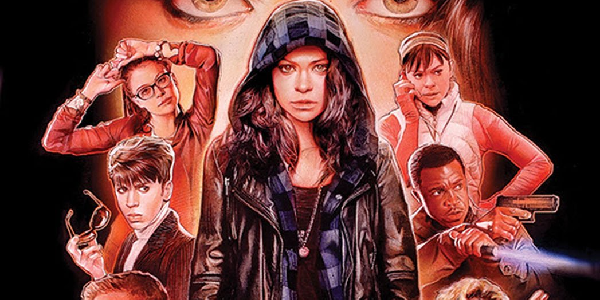
The first season of Orphan Black aired almost three years ago, so you€™ve probably already heard of it. If not, please take the time to crawl out of the rock you€™ve been under and join the €˜Clone Club€™. This intense sci-fi thriller has critical acclaim and cult stardom coming out of its ears, with actress Tatiana Maslany impressing fans with her embodiment of numerous roles. In what we're repeatedly told is "a golden age of television" it€™s difficult to decide what€™s actually worth watching. Whilst on the outside Orphan Black could easily be dismissed as another off-beat sci-fi show, it€™s actually one of the best series around. The only problem is, that with an average of just half a million viewers per week, no one (Game of Thrones does 16x that every week) is actually watching it. The series is exceptional, with network BBC America giving so much to offer in terms of plot, music and performance.The genre-juggling show depicts rebellious outsider and drug addict, Sarah Manning, on a journey to find her daughter, that ultimately ends up with her immersion in a conspiracy of radical geneticists, murderous anti-geneticists, and various clones - and thats just season one. The introduction of pro-science religious fanatics, Proletheans, and militarised biological male clones evolves the series into an intriguing multifaceted story. If you€™re still not convinced that this show can compete with the top runners, then maybe these 7 reasons will convince you.

7. It Mashes Genres Up Seamlessly

The show is extremely genre-diverse, and could easily be described as many things. A cop drama, a science show, a comedy and a conspiracy theory. The episodes bleed effortlessly from one to another with elements of mystery setting the pace for a very busy show. Lack of filler episodes result in an appreciated focus on storyline, something some series struggle to do (I€™m looking at you Walking Dead). However, with back-to-back action, it comes with some relief when the show uses humour and character development for momentary breaks - and it does it well. Soccer mum clone Alison, and Sarah€™s shamelessly flamboyant foster brother Felix (Jordan Gavaris) are characters notably used to provide these humorous breaks. The duo are portrayed as unlikely €˜frenemies€™, and manage to create a necessary balance to the overarching dramatic narrative. Whereas Felix delivers the one-liners and dishes out the sass, Alison is more inadvertently funny. She enters the series as an uptight suburban mum and despite living the all-american lifestyle with white picket fences and neighbourhood tea-parties, she still manages to create some drama - armed with a glue gun and headband. Alison€™s descent into insecurity and paranoia is dark, but also becomes incredibly humorous to watch. Throughout the series we see her and her husband, Donnie, (Kristian Brunn) starring in some of the series best scenes, and there€™s really nothing like an underwear/money dance party (complete with glitter), to brighten up an episode.

6. It€™s One Of The Most Unique Shows On TV

Yes, the clone thing has been done before, but perhaps not quite to the same extent as Orphan Black. This series proclaims its excellence by being a series about sci-fi for people who hate sci-fi. The stark realism of the series makes it much more relatable, as the cloning and body augmentation plays on modern science. There€™s not an alien or ghost in sight, and although there is admittedly some rather questionable body mutations (FYI it€™s a tail), the whole story is made much easier to believe in a modern setting. The added layer of conspiracy and danger distinguishes Orphan Black from the normal identity-crisis story. This programme will literally have you questioning everything and everyone, with each episode revealing new and shocking revelations. It is because of this, that if someone asked: €œso what would you compare Orphan Black to,€ you€™d probably draw up blank. Comparing it to anything else would only serve as an insult to the excellent scriptwriting and distinguishable traits of the series.

5. It's Got A Character-Driven Plot

Though the show follows a particular strand of stories, whether it be the plight of evil scientists or half-crazed religious folk, the heart of the story is character-driven. It is this element that makes the show so good. The characters draw you in, with each one being uniquely compelling. Whilst each of the clone characters are incredible, it is difficult to ignore the ensemble cast who are stellar across the board. The likes of Felix, Mrs. S. (Sarah€™s foster mother and the guardian of her child, Kira) and Kira (Sarah€™s child) each come into their own throughout the series. Mrs. S. (Maria Doyle Kennedy) has us questioning from the beginning where her loyalties lie, and each episode throws out different clues to make you question even the strongest bond in the series: family. Armed with information and big-ass guns, Mrs. S€™s moral compass is certainly questionable throughout the show but this allows viewers to form their own opinion as to her intentions. The show is made exceptional by it€™s plot holes, but the development of character is one of the the things that makes this show stand out. Curly-haired and cute, Kira (Skyler Wexler) shows a real sense of growth as a character, and as one of the only children to be born from a clone, there is certainly unusual and exciting things to discover about her purpose. Although the series does present the typical elements of childhood vulnerability, it goes one step further in embracing the acute awareness that children posses. Rather than being a constant liability, Kira is made incredibly self-aware, and uses this to her advantage when trouble arises. It€™s also refreshing to see the so-dubbed €˜little monkey€™ interact with doting mother Sarah, and despite existing in a futuristic thriller, the series shines brightest when it makes space for the smaller character-driven stories.

4. It Handles The Religion Vs Science Idea Brilliantly

The series has a lot of conflicting themes, with the clash of religion and science being one of them. Now, it is appreciated that people watching the show probably aren€™t top class philosophers or theologians, but the importance of this element rests firmly with what it brings to the show. First of all, the Prolethians are downright creepy. The religious extremist group believe synthetic biology should be done in God€™s name and will, and under Henrik Johanssen€™s (Peter Outerbridge) messianic vision they prove to be a formidable threat. Armed with insemination tools and needle and thread, they bring another antagonist role to the show. If you weren€™t confused enough, their existence also adds a further layer of complexity to the purpose of the clones. But don€™t fret, the scientific elements of the show are well-explained, and there isn't a extensive focus on hard science. But, if you do happen to be a self-proclaimed science geek, then the conflicting case of nature vs nurture in Orphan Black is particularly engaging. As mentioned, Maslany plays various different clones, which in turn means each of the characters share a genome and are genetically identical. Though you will be pleased to find out that they€™re all actually so dang different, it does raise the question as to why? How much of our lives are determined by the environment we live in? And if you don€™t really care then all you need to know is that it€™s actually all pretty cool.

3. It Manages To Be Incredibly Gory, Without Ever Being Gratuitous

Of course Orphan Black is a science fiction show, which means that the appearance of blood and brutality is hardly surprising. When it comes to violence, the show certainly doesn't disappoint. A plethora of torture, shootings, stabbings, and one particular case of strangulation by a food disposal sets the shows bar for violence quite high. Cleverly, the show incorporates violence as a source of humour, but it isn€™t unnecessarily senseless, with plentiful scenes where the actions have power and meaning. Whilst other shows can rest firmly on using brutality for one purpose, Orphan Black just keeps giving, with neither a hard focus on slapstick on hardcore cruelty. You may also grow accustomed to associating certain characters with certain traits, and its always pleasant to be surprised. Whilst outright bloodshed is expected from sociopathic Ukranian clone Helena, the show surprises when Alison shows her comically manic side. A recurring theme throughout this show is to expect the unexpected, and the use of cruelty and torture from both these characters add different elements to the plot. The action-packed scenes sure don't disappoint, and the comparatively light-hearted ones create an engaging balance for an audience.

2. Tatiana Maslany Is Brilliant

Essentially the greatness of this show boils down the leading lady Tatiana Maslany. She€™s brilliant in every sense of the word. She depicts a multitude of characters - most of the time in one episode - and she€™s so damn good that it€™s quite easy to forget that there€™s only one person. It€™s the depth that she goes into with each character that makes her truly sensational. It€™s not just a change of clothes or addition of a wig that distinguishes the characters. Each clone embodies different mannerisms, facial expressions and movements, which makes the numerous scenes where they're all together incredibly convincing. Now sometimes an actor can go all Dick Van Dyke when attempting to play an accent different to their own. Canadian-born Maslany however, doesn€™t have this problem. Her repertoire of characters has her depicting Cockney, American, Ukranian, German, and in a complete gender role reversal, a man. It€™s in the emotionally-heavy or action-packed scenes that actors tend to have a lapse in accent, and with the show brimming with intensity, it€™s impressive to see that Maslany can maintain her focus whatever the situation.

1. Actually, Everyone In It Is Brilliant
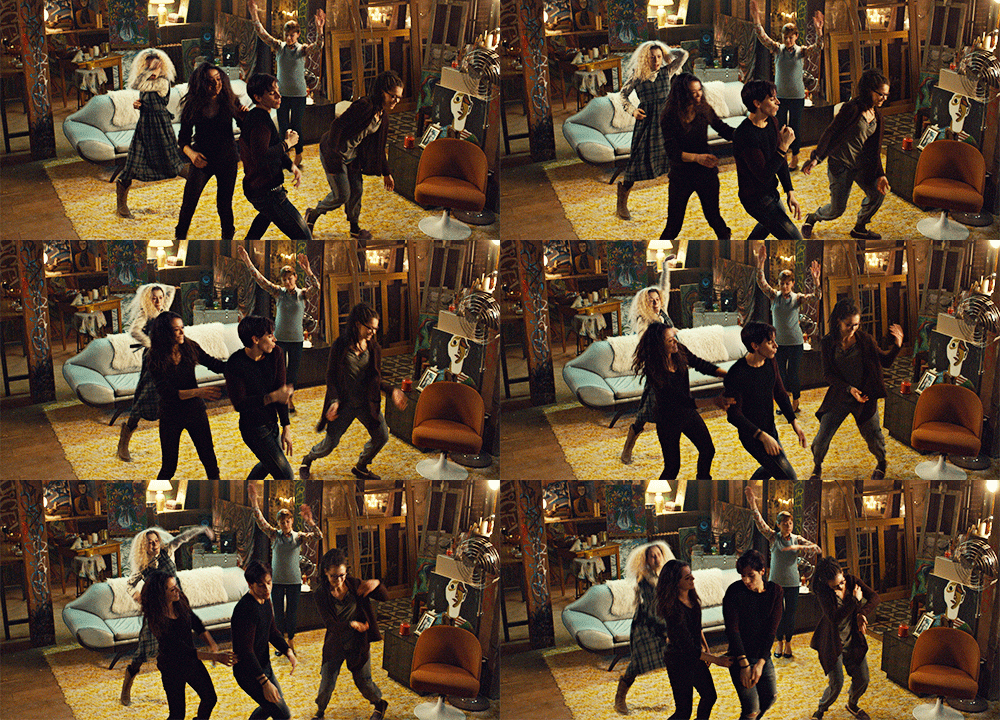
Every show has a leading light, but rare is it to find one that has so many strong supporting performances too. Potential viewers may be pleased to know that the characters do not fall into specific stereotypes. Science-geek Cosima may be admirably clever but she is not too over-the-top in her portrayal. She has quirky elements that add an appreciated depth to her character. Likewise, Sarah may be dysfunctional and grunge, but her motherly attitude towards Kira is genuinely believable. Helena is indeed the series€™ psychotic nut-job, but there is validation behind her madness, and she grows to become family-focused and understanding. Ari Millen depicts the male clones introduced in series three, and he too brings energy to his interpretation of each of his characters. Comparatively so, these clones were brought up together and therefore have much more similar characteristics, with only subtle mannerisms distinguishing them. It€™s all too easy for a series to dwindle, especially when the originality of the piece is revealed in the first season. Orphan Black however, is one completely worth watching, with its continuous engagement and intrigue. Season four is due to air sometime in 2016, and with only 10 episodes in each season, it€™s nothing a binge-watch can€™t handle.

Contributor

Yorkshire born and bred. I like cups of tea, a Netflix binge, and Harry Potter. Sunderland University, Journalism and Drama - because one course wasn't enough.