10 Weirdest Reasons Popular TV Shows Were Cancelled
Can you believe "people had to watch it" is a real reason a TV show has been cancelled?
The cutthroat nature of television is no secret. Every single year a bunch of beloved shows, without fail, end up with their heads on the chopping block, cancelled without getting a proper chance to say goodbye.
It's rare for a series to end on its own terms in this industry, as everything from plummeting ratings to cast contracts can see a show taken off the air without warning - whether its story is finished or not.
Just because this happens routinely doesn't make it any easier to stomach when it's one of your favourites though. As a result, there have been plenty of high-profile cancellations throughout the years that fans still aren't truly over - and more often than not there's a strange story behind why they ended.
The decision to cull a show usually boils down to money or ratings (or both), but for the following examples the backstory isn't as simple - and it makes their disappearance that bit more frustrating as a result. There's a common thought that TV executives don't know anything, and based on these blunders, it's difficult to argue otherwise.
10. Even Stevens - Disney's 65 Episode Rule
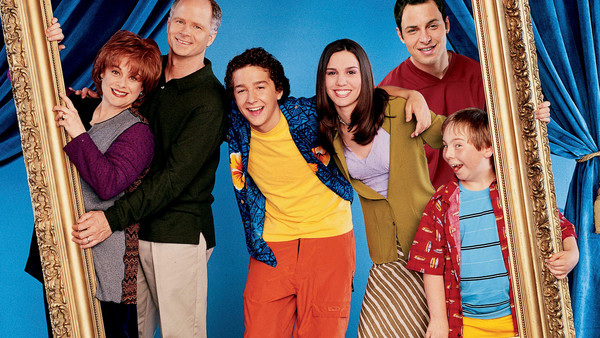
Disney, despite being one of the most profitable and popular companies in the world, is undeniably a strange beast. For better or worse it often operates within its own rules, and while that has led to success, it's also resulted in some particularly odd business moves over the years.
Case in point: the 65-episode rule. This was a decision made by the TV arm of the company that mandated no show could exist beyond the 65 episode mark. It didn't matter how much money they were bringing in or how well they were received, you had 65 episodes and then you were done (except for some extreme exceptions).
The idea, allegedly, was essentially to get each show to the point where Disney could fill 13 weeks of programming, with an episode scheduled for every weekday in that period. Then the network could simply cycle through its catalogue every financial quarter.
There were plenty of victims of this strange, frustrating rule, but Even Stevens was perhaps the biggest casualty. This was a series with huge appeal, and one which was going from strength to strength until it was canned after its allotted eps were in the bag.
9. Firefly - Every Network Decision Was A Disaster

I'm no scientist, but I'm pretty sure it's impossible to have a list about TV show cancellations and not talk about Firefly. This is one of the most infamous shows of all time, a cult favourite that was tragically killed after just one great season.
It wasn't the fault of the creatives either; this was a smartly written, perfectly cast sci-fi western that was way ahead of its time. Sadly, it was also the kind of show that TV executives, with their robot exteriors and lizard brains, simply have no idea what to do with.
As a result, every decision Fox made to sell the show simply doomed it. There are plenty of candidates but perhaps the biggest killer was the idea to air the episodes out of order - because the best way to introduce audiences to an admittedly strange concept is to cut up the story and tell it out of order, right?
This is on top of a terrible marketing campaign and release schedule as well. It was like the network was looking for an excuse to cancel the series, which it swiftly did.
8. Batman - The Sets Were Destroyed

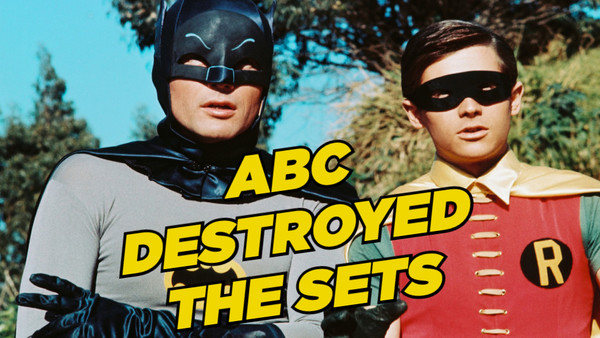
One of the more annoying stories on this list, there's no denying just how odd Batman's cancellation was. Despite being a hit - one that remains in the pop-culture memory half a century after it ended, the campy TV version of Batman actually only ran for three seasons and two years (though it did rack up a hefty 120 episodes in that short time).
With such a production overdrive, Bat-mania was perhaps destined to be short lived, and the third season did see a decline in ratings and audience interest, resulting in ABC canning the series. Still, it was a hot property and the creatives shopped the show around, entering discussions with NBC to save the series.
The issue was though, wasting no time after its cancellation, ABC actually had the sets destroyed to make room for other productions. Facing hundreds of thousands of dollars in bills to get these recreated and the show back up and running, NBC scoffed at the cost and passed on saving it, cutting off Batman's last lifeline.
7. Who Wants To Marry A Multi-Millionaire - The Star Wasn't A Multi-Millionaire
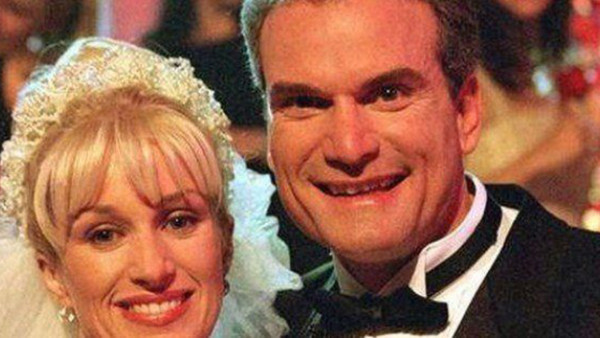
Nobody is mourning the loss of Who Wants to Marry a Multi-Millionaire. You don't even need to see the show to know exactly what kind of beast we're dealing with here: one of those vapid, obnoxious, reality competition shows before reality TV properly existed - and that's coming from someone who loves vapid, obnoxious reality competition shows.
This really was the worst of that already maligned sub-genre though, with a bunch of 'lucky' women lining up to compete for the affection of a mystery 'multi-millionaire'. It was aired as a kind of special one-off, to huge ratings might I add in case you were wondering why it's on a list about popular shows, but it instantly hit a wave of backlash that resulted in its quick cancellation.
Despite it being rightly ridiculed for the gross content, it was also revealed that the titular bachelor probably wasn't actually a multi-millionaire, defeating the entire hook the show was named after. Not only did he bulls*t about his worth, but his claims of being a standup comedian were also discredited, while a look into his true past revealed a sinister history of domestic abuse.
On the one had, the whole thing was a trainwreck, on the other, we might one day get a great Netflix Tiger King-eseque documentary series about the whole affair.
6. Ozark/Sabrina - Netflix Doesn't Make Money Off Old Shows

Once over, Netflix was the safest place you could work on a show. As it was getting off the ground in terms of original programming, the streamer clung on to most of its content, giving even unpopular shows multiple chances of getting an audience invested and subscribed.
That was back in the early 2010s though, and now Netflix is an original programming powerhouse, with literally hundreds of shows under its belt. Now, creatives have the opposite problem, as Netflix cancels programmes left and right no matter how popular they seem to be.
Though it's never been openly discussed by the company, plenty of reports have highlighted the fact that shows which live beyond three or four seasons actually do nothing for the Netflix machine. The company succeeds when new subscribers come in, and the older shows get, the less of a chance they have at bringing in huge numbers of new payers.
Consequently, unless you're a Stranger Things mega-hit, you'll have a hard time convicing Netflix to give your well-liked and watched show a chance of making it to five seasons or beyond - as the likes of Sabrina and Ozark found out this year.
Deadline released a great breakdown of the Netflix model in 2019, but the general idea is it's new content people subscribe for, not the legacy material.
5. Police Squad! - People Had To Actually Watch It

Only ever airing six episodes, Police Squad is more remembered for the Naked Gun movies it spawned, but the original show is still a hoot. Made up of the same machine-gun pace, physical slapstick comedy and a committed performance from Leslie Nielsen, it was a series packed with gags, but that was also its major problem.
Now, a comedy show having too much comedy sounds like a criticism that only the dumbest TV executives could dream up, but that was the real cause of death for this series. The president of ABC famously said that "the viewer had to watch it in order to appreciate it," to explain why Police Squad ended so quickly, and that's just bonkers, right?
Well, it is in the age of serials that demand viewers pay attention, but TV wasn't always viewed as the best conduit for that kind of storytelling. Executives liked shows with broad appeal, ones that you could flick over to and not feel lost, and sadly Police Squad treated its audience with too much respect.
4. Robin Hood - Robin Hood Died

BBC's short-lived Robin Hood wasn't all that great, but it did provide solid enough Saturday night entertainment. While its writing chops weren't amazing, it did at least have a great cast, with the titular role being brought to life by Jonas Armstrong and the villainous Sheriff of Nottingham embodied by Keith Allen.
It wasn't afraid to prove that it was a new take on the classic mythology either, killing off the usually untouchable Marian in the second season. While that certainly did cause a wave of buzz around the show, it came at the expense of a key character, an issue that would be compounded when Jonas Armstrong decided the third season would be his last.
Consequently, the end of the third run saw Robin Hood himself killed (alongside Allen's Sheriff), essentially taking the three main characters out the story - one of which the whole show was built around.
Apparently BBC had plans to reinvent the series for a fourth run, but after diminishing viewers and a recession kicking into gear, decided to call it quits instead.
3. Designated Survivor - The Cast Weren't Locked Down (And All Took Different Jobs)
In the modern movie and TV climate, producers spend a lot of time and money locking down their talent. Marvel ushered in the age of six, seven, eight, nine-picture contracts for its biggest stars, but similar practices were more common in the TV realm, with executives wanting to keep the stars of a show around for as many seasons as possible.
This doesn't always work out, but there have been too many disastrous attempts to keep a show going when the core cast has jumped ship for most networks to let contracts fall by the wayside.
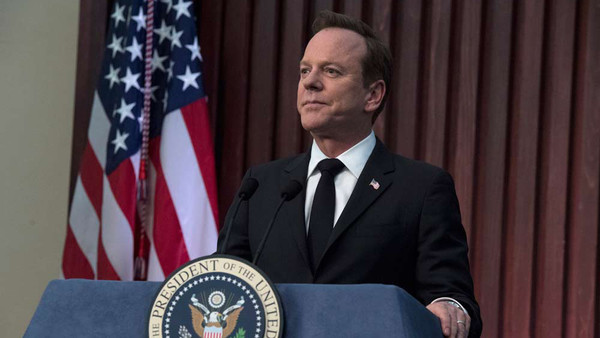
However, this is exactly what led to the end of Designated Survivor, which moved to Netflix for a third season after being dropped by ABC. In an interview, star Kiefer Sutherland explained:
"The reality is, because the contracts were so complicated and different from network television to Netflix, they didn't book a lot of the actors who were on the show and they took other jobs. I don't blame them for a second for that."
Essentially, all the talent took other gigs because Netflix didn't get around to drafting long-term contracts, and it didn't make sense pushing forward on another season without them.
2. Young Justice - Nobody Bought The Toys

By all accounts, Young Justice was a success. Ratings were strong, fans were receptive, and it was frequently pointed out as one of the highlights of Cartoon Network's DC Nation programming. The problem was, it just wasn't the right kind of success the network was looking for.
Yes, apparently there is a wrong way to be popular in the world of TV. Paul Dini once infamously claimed that part of the reason Young Justice bit the bullet was its popularity amongst the female audience, who "don't buy toys".
This gender aspect was downplayed by producer Greg Weisman a few years later, but he did confirm the series actually ended because of a lack of toy sales. Apparently the deal with toy maker Mattel funded the show, and they weren't reaping much reward.
It didn't matter how many people were watching, if those people didn't go out and pick up merchandise, the show wasn't making any money.
1. Gargoyles - The OJ Simpson Trial

From one Greg Weisman project to another, the demise of Gargoyles is something nobody could have predicted.
That's because, according to Greg, it was actually partly O.J. Simpson's fault for the show's cancellation.
How? Well, Gargoyles was airing doing the peak of his trial, which was a huge television event in itself, and every time news broke about it, his show would be cut short or replaced with the news. As he put it:
"The OJ Simpson trial meant we were constantly being preempted for trial coverage, because we were on syndicated stations, and syndicated stations still primarily lived off local news in the 1990s. Every day it ran, we were being preempted, and in any given city, people were missing episodes of 'Gargoyles', and falling out of the habit of watching it... It sounds bizarre that OJ Simpson helped destroy 'Gargoyles', but it’s true."
Watch Next
How Well Do You Know Netflix TV Shows?
