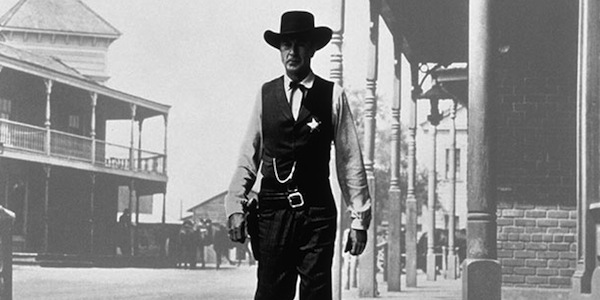
The Film: High Noon rode into cinemas early in the decade and its appeal continues to endure with audiences. Altogether different to Westerns that had come before it (events unfold in real time and character-wise Coopers sheriff Will Kane is a vulnerable yet stoic protagonist) the film sees Kane at the mercy of old Father Time as he awaits a showdown with some murderous villains. The making of High Noon is almost as exciting as the movie itself screenwriter Carl Foreman was called before the House Un-American Activities Committee and deemed to be uncooperative when he wouldnt fess up with any names and its testament to Cooper and Zinnemann for pushing so hard to keep Foremans name on the credits. Hand to the holster, this is the best Western of all time. Classic Moment: As the film builds up to its payoff, Kanes old lady played by Grace Kelly makes a decision that adds a true element of surprise to the anticipated showdown.
5. Rashomon
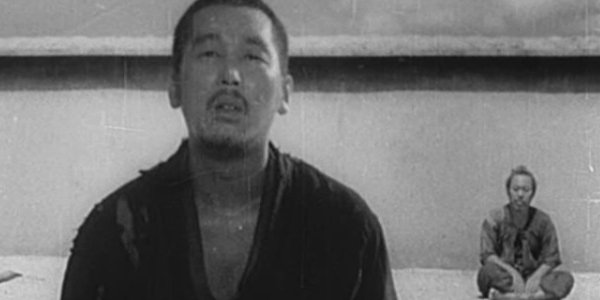
The Film: The Seven Samurai will always remain Kurosawa's blockbuster great, however, it's Rashomon that stands as his most important piece of work. Hitting screens in 1951, a time when Japan's primary output resided in the form of Ozu's solid dramas, this darker foray into Japanese storytelling - a murder mystery told from multiple perspectives - was an instant hit and put Kurosawa on the map. Innately minimalist - the film utilises just three sets - the plot is deceptive and puts the viewer in a position where the prospect of the unreliable narrator is employed for the first time to dramatic effect. Quite simply, you never know which character to believe right up until the film's killer payoff. Such is its everlasting appeal, everything from Reservoir Dogs, The Usual Suspects and episodes of The Simpsons, Rugrats and even Happy Days have cribbed from Kurosawa's opus in some way. Classic Moment: A priest's faith is restored and the film ends in glorious sunshine, showing off Kurosawa's budget-beating skills at using natural light to bathe his finale in a dreamy glow.
4. On The Waterfront
The Film: When screenwriter Budd Schulberg put pen to paper on this feature not even he could have imagined his tale of unions and dubious longshoremen along the Manhattan coastline would become an enduring success. But by placing mob-affiliated boxer Terry Malloy smack bang in the middle, he gave heart to his allegorical story and once in the hands of director Elia Kazan, On The Waterfront became a drama/ thriller like no other. Key to its success was Marlon Brando who thrust all of his method skills into the character of Malloy, turning in an Oscar-winning performance that is consistently ranked as being one of the greats. All in all, this was a towering and gritty example of how good a film can be when story, director and actor come together to form a dramatic powerhouse. Classic Moment: Malloy's big brawl on the docks may not end up with him winning, but the overall battle is won in this commanding final scene that just begs for interpretation beneath the murky subtext.
3. Rear Window
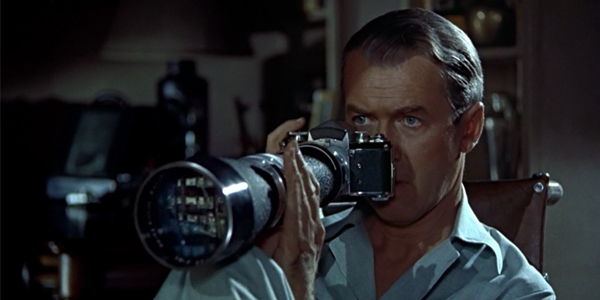
The Film: Watched in its entirety, Rear Window is a thrilling offering from Hitchcock and his everyman muse, Jimmy Stewart. But peel back the layers on this pulpy story - Stewart's bedbound photographer uses all of his kit to spy on a creepy neighbour he suspects of offing his wife - and there is a heady tapestry of Freudian analysis. Stewart's plastered leg and reliance on a phallic lens is a dead on signifier for latent sexuality, especially in the presence of a radiant Grace Kelly. Also filled with technical magic (Hitch bought a apartment block to life in the Paramount studio lot) to unravel. It's this blend of aesthetics that make this a standout entry on Hitchcock's CV. Classic Moment: The barks and bangs off the apartment block send Stewart into a slumber that takes him through to nightfall, only to be awoken by a bloodcurdling scream. An iconic turning point.
2. The 400 Blows
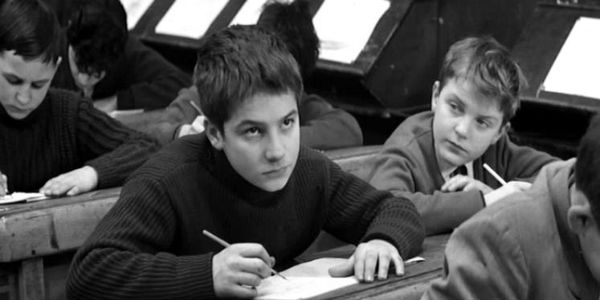
The Film: Director François Truffaut mined from his own wayward childhood to create cinema's definitive tale of the outsider. The first in a series of movies starring Jean-Pierre Léaud, Les Quatre Cents Coups as it is known in its native France, follows Léaud's rebellious Antoine Doinel as he gets in trouble at school, cuts class and generally forges his own path through Paris. Although this is deemed to be one of the forerunning films of the French New Wave, The 400 Blows boasts none of the stylish cuts and narrative mod cons of, say, Jean-Luc Godard's Breathless and instead relies on solid story-telling, an edgy breakthrough performance from its lead and, importantly, a central theme of loneliness and misdirection that all audiences can relate to. Stunning. Classic Moment: Yes, the long tracking shot of Antoine escaping from juvie, charging across the French countryside and ending up immortalised in a beachside freeze frame is a belter, but the film's motif of loneliness is never bettered than when Antoine takes a ride on the Rotor, curled up in the foetal position, a withdrawn figure in a displaced and kaleidoscopic sequence.
1. Rebel Without A Cause
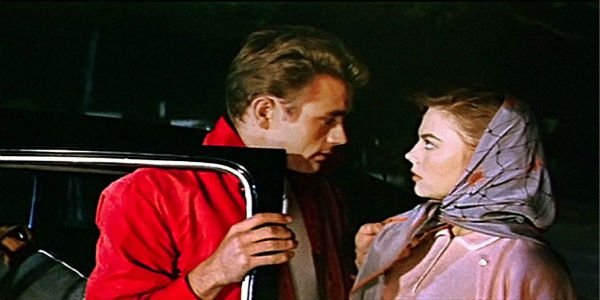
The Film: Nicholas Ray had warned us that the kids aren't alright by way of his 1948 debut, They Live By Night, but in this worthy list-topper he created something so unique, ground breaking and entertaining that every film that came before it was left chuffing on his dirt, losers in cinema's eternal Chickie Run for immortality. Starring James Dean as troubled teen Jim Stark, the film takes a tight focus on Stark's troubles of being the new kid in town, where his issues with mother and father manifest themselves in binge drinking, daring car antics and fights outside the Griffith Observatory. Palling up with Sal Mineo's oddball outsider and Natalie Wood's mysterious love interest, Stark's odyssey takes twists and turns en route to tragedy. Crammed with famous tales - Dennis Hopper, a bit parter in the movie, talked of wild times and orgies during production - and notable for being Dean's last movie before his untimely death in an auto wreck, Rebel Without A Cause can also be cited as starting everything from the French New Wave (Godard was famously quoted as saying, 'cinema is Nicholas Ray') all the way to changing society's perception of the teenager. If the 1950s are best remembered for those iconic images, ones that are forever embossed on our minds, retro posters and the occasional t-shirt at Primark, nothing, not Monroe's fluttering blue dress, Gort standing tall or Wayne poised alone in a doorway can rival that of Dean in his red jacket stood by a Mercury Coupe. His and Ray's interpretation of the teenager as a rough-edged human being was a clamouring call for society to change through its young. Suffice to say, the 1960s were an altogether different prospective and it's through this timeless classic that the seeds for revolution were planted - it was time for those picket fences to be flattened. Classic Moment: Too many to mention, but for prime thrills and excitement Jim's blade fight atop Mount Hollywood still stands as a nail-biting moment. Got a hankering for some other movies from the decade that deserve a mention? Then don't hesitate to head south and comment on the thread below.
Shaun is a former contributor for a number of Future Publishing titles and more recently worked as a staffer at Imagine Publishing.
He can now be found banking in the daytime and writing a variety of articles for What Culture, namely around his favourite topics of film, retro gaming, music, TV and, when he's feeling clever, literature.