The True Lurid Story Of Free WWE UK Pay-Per-Views
How Mae Young's shock stunt at the 2000 Royal Rumble lost more than one's appetite.
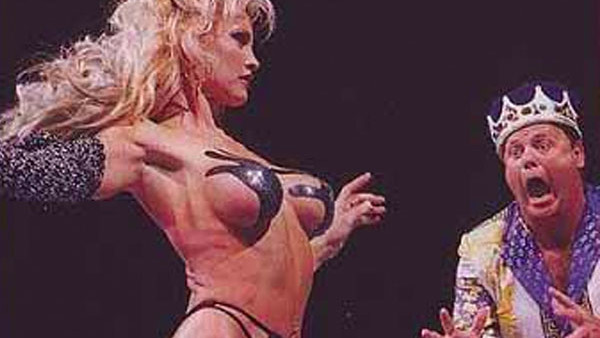
WWF Royal Rumble 2000 holds a certain significance to fans in the United Kingdom.
It was a fantastic show. It was a legitimately dangerous-feeling show. It was also a free show. If you were lucky enough to have a bedroom of your own with a mini television set, you too could watch an octogenarian expose what seemed indistinguishable to her own bare t*ts! No longer was an embarrassing explanation required to justify asking your folks to stay up late downstairs, if you were lucky enough to have Sky. The answer to the question "What am I recording for you tonight, my 14 year-old son?" no longer had to be "Oh nothing, just Sable taking her top off and if you look closely, you can see the outline of the nipple and everything."
Anecdotally, at least, few parents had a problem with their young and disgusting teenage boys watching the sexualised ultra-violence of the Attitude Era. If anything, cost was often the main breast barrier.
"Dad, can I watch a lunatic slowly endure chronic traumatic encephalopathy through repeated, unprotected chair shots to the head?"
"Depends. How much does it cost?"
"...about thirty quid a month."
"Thirty quid? Get fucked sonna."
Your parents were probably just glad that you were in the house, and not choking on your own vomit in the sort of pitiful alcopop-induced death the front pages had warned them about.
CONT'D...(1 of 6)

But it never felt like that to the anxieties of a hormonal lad who still felt keenly the word "trouble" and could not, under any circumstances, place the concept of sex anywhere near their parents. Having your dad walk in on a mummy dry-humping Hulk Hogan was one thing. Having your dad walk in on Jacqueline mimicking bouncing on a c*ck was quite another.
But Channel 4 - a terrestrial channel equivalent to network TV in the United States - removed the risk by striking a deal with the WWF to broadcast pay-per-views free of charge in the United Kingdom. The first event offered was the Royal Rumble. This was amazing. Even if you had Sky, it was unlikely that you were able to watch the PPV live. Monday Night RAW ran on Fridays. The immediate live experience was elusive.
Until now.
The sense of danger was immediate and palpable. This was new on top of new - the next post-Steve Austin chapter of an Attitude Era that radiated innovative transgression every week. Even the set-up of Madison Square Garden, with its unusual, shortened entrance ramp, felt strange. The loud, boorish atmosphere received the mystery debut of Tazz in full, electrified voice. Tazz's UFC-inspired gimmick radiated also a sense of legitimacy, creating an almost shocking drama around his thrilling and unique suplex festival. The angles were drastic, Kurt Angle's bumping all-out. And when he got choked out to defeat, commentators Jim Ross and Jerry Lawler were ordered to use the bone-chilling "Owen Hart" voice to sell his unconscious plight. The sting to Tazz's WWF theme, of course, was the sound of a heart monitor flatlining. "Wait a minute," said JR, falling to a hush at the sight of onrushing EMTs. "We have a problem here. Kurt Angle has yet to regain consciousness...and this is not good."
CONT'D...(2 of 6)

It's not as if the WWF were no longer allowed to sell the dangers. But they knew exactly what they were going for, with that particular tone, and the profoundly grim "Well...onto the t*ts" precedent had already been set.
And the t*ts would materialise, but first, the Hardy Boyz defeated the Dudleys in a demented and frantic stunt-show. This was the first WWE Tables match, and the excellently timed and super-brutal action was laced with the prevailing feeling that these things could - and often did - go too far. It was electrifying, but also terrifying.
Onto the t*ts!
Mae Young then "won" a swimsuit contest, in which Jacqueline performed said bounce, Terri Runnels wore a thong so tiny it was practically invisible, BB shook it like a polaroid, The Kat wore a bubble wrap bikini that Jerry Lawler in dire connotations wished to pop, and, in the closing sight gag, the elderly Mae Young arrived on the scene as a last-minute contestant. She aggressively dry-humped midair before revealing the prosthetics. At least she was up for it. Ivory unmistakably was not, illuminating just how degrading all of this was.
Remarkably, for about 15 solid minutes, the pay-per-view calmed the f*ck down, not that man-on-woman violence was considered a break from the "sick filth" by the broadcaster.
CONT'D...(3 of 6)

The Intercontinental and Tag Team Title matches were mundane affairs that passed by without much in the way of incident, which says rather a lot about the prestige of the midcard championships, since the former changed hands.
The WWF Heavyweight Title had maintained its prestige, and it was contested here infamously in a seminal, unforgettable Street Fight between Triple H and Cactus Jack. An excessively brutal and shocking match loaded with storytelling substance, Trips emerged from it a barbed wire-punctured warrior. In a grotesque but compelling finish, Mick Foley landed face-first on a smattering of thumb tacks. One of the greatest plunder brawls ever, it completed the trifecta of Attitude Era controversy: stunts, t*ts, and ultra-violence.
The Royal Rumble match was unremarkable, in contrast to the wildest sub-two hours the WWF had ever promoted, but there was such a ghoulish contrast to the way in which Taka Michinoku's pratfall was sold against the opener. Taka was legit hurt - his face popped and he required medical treatment - and yet Jerry Lawler switched voice mode from 'Owen Hart' to 'PUPPIES!', he was so delighted by the slapstick quality of the bump. So overjoyed was Lawler, in fact, that he requested multiple replays of the incident.
On January 23rd, 2000, the WWF promoted - as its introduction to the UK general public - a "video nasty", the likes of which were exploited by a sales-desperate tabloid racket under the bullsh*t premise of aghast moral authority. Channel 4 management was livid, and to put into context just how bad it had to have been, the broadcaster itself was hardly a paragon of virtue.
CONT'D...(4 of 6)
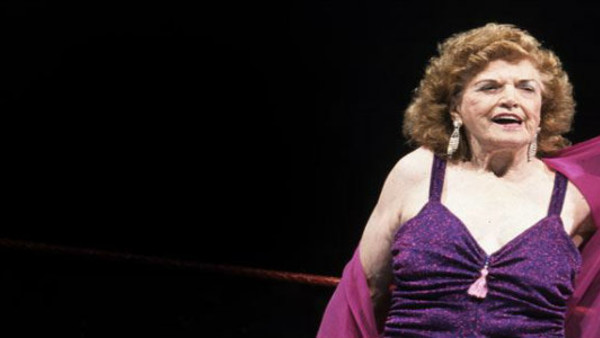
In 1991, Channel 4 presented its first 'Banned Season' - a selection of films and documentaries previously outlawed by various regulators. This proved unwise.
The long-running 'Eurotrash' was an irreverent magazine-format look at mainland lowbrow culture complete, more often than not, with excessive cleavage and innuendo. 'The Word' is tame, in retrospect, but at the time shocked and appalled Little England by platforming homophobia and tacitly encouraging shock-merchants to perform sans clothes. The soap operas Channel 4 optioned were far grabbier than those shown on the BBC and ITV. In a sense, Channel 4 and the WWF were a perfect fit - and yet the Rumble was too much.
Channel 4 didn't conduct due diligence. The pay-per-view offerings were a bonus; the real money was to be made through its weekly broadcast of a weird, exposition-heavy version of 'Heat' intended for younger daytime viewers. C4 expected the bulging pecs of the golden years, and were instead confronted by sagging tiddies.
Madison Square Garden officials were equally appalled, but the WWF actually slapped an N for Nudity rating on the event. Had Mae Young actually got 'em out for the lads, Vince McMahon would have fallen afoul of New York City and New York State morality laws. Officials released a statement claiming to have been "disturbed" by the Mae Young stunt. Channel 4 meanwhile made the immediate decision not to renew the deal and fulfil through gritted teeth the two-year contractual obligation.
Vince McMahon, in effect, failed to establish an enormous sets-per-home advantage because he has a childish sense of humour.
CONT'D...(5 of 6)
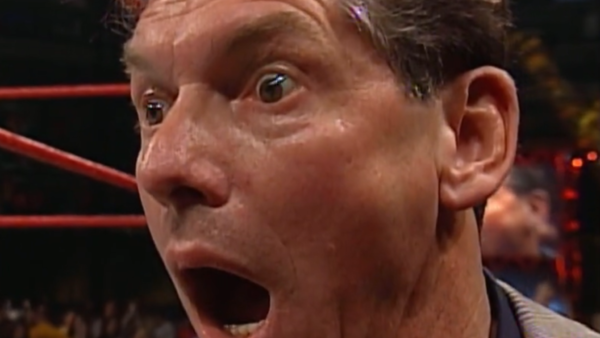
The next pay-per-view Channel 4 carried, Backlash, was broadcast via 50 minute tape-delay.
This allowed for intra-show editing - the blood on X-Pac's forehead was digitised quite infamously - which pissed off the fans who weren't to receive the full allure of the Attitude Era experience. Staying up late was already an inconvenience. Staying up later for a diluted product in which the table bumps were freeze-framed was just untenable. Later showings weren't half as butchered - by then, any semblance or fear of outrage had faded from thought, and they didn't care - but the relationship never recovered.
Heat was later shunted to the small hours. Whether directed or just made in shame, the presenters of the youth-oriented 'T4' programming block in which it featured ripped the piss out of it all before the time slot change. None of this dented the WWF's popularity amongst wrestling fans. Business was so strong over here that the promotion ran several UK-exclusive pay-per-views, but the craze element that saw SummerSlam '92 move to Wembley Stadium just wasn't there.
Ironically, mainstream England - which had once embraced the WWF where the US had repelled it - was embarrassed by Vince's racket when it was white-hot on the other side of the Atlantic. The New Generation was always better, so consider us arbiters of taste.
We never embraced NXT UK, either.