How Good Was John Cena Actually?
The time to appraise WWE’s John Cena is NOW.
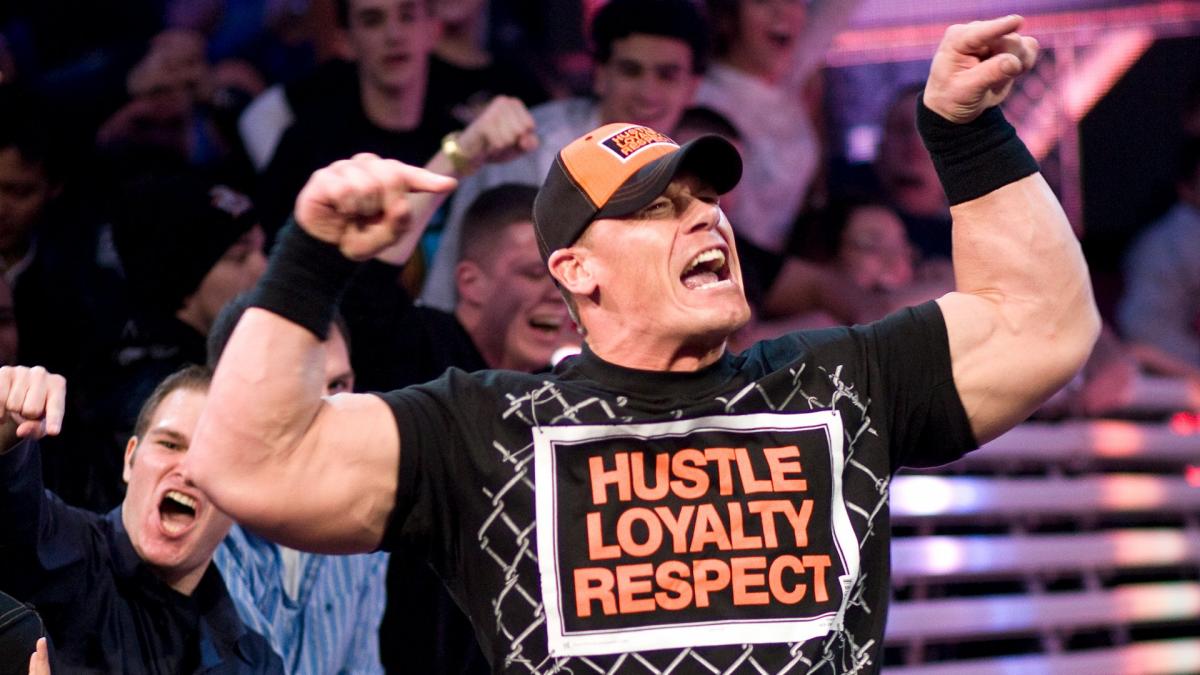
It’s over. The man that WWE has positioned in its grand narrative as the ‘Greatest Of All-Time’ has retired.
It took WWE far too long, but they got the retirement run right in the end. The counterproductive creative disgrace that was his shock tactic heel run will forever leave a blemish on the whole thing, but in a way, Cena's 2025 run was a fitting end to one of the most uneven and divisive wrestling headliners ever.
“Record”-holding WWE Champion John Cena is a fascinating subject for this series.
If you’re a millennial who tolerated WWE in its post-monopoly era, because you still held hope that the company would grow up alongside you just like they did in 1998, the answer to the leading question is a firm, almost angry: “Not at all”.
Cena represented a betrayal. WWE (sensibly) was recruiting children for a new era; Cena was their gurning, lame mascot. For a long time - the SuperCena years, roughly between 2008 and 2014 - John Cena was an overbearing, clunky embarrassment who was pushed well beyond a degree of parody. What's worse, he was ever-present and indestructible, so intent on terminating your internet darlings that he no-sold the injury list.
By 2015, things changed. Cena adopted a super indie-lite style, and while the execution of his new “movez” was often rotten, many fans took to him. He was trying, years and years after his WWE Hall of Fame induction was a formality, and he was more giving. It felt like atonement. Not many people hated John Cena after that.
Some never did. There were the kids, of course, but Cena has long attracted a subset of contrarian hardcore fans who love him and Akira Taue alike. 2007 John Cena is held in as much esteem as 1989 Ric Flair by the worst wrestling hipster you know.
The paradigm shifted with such force that it became lame to “hate on” Cena - like his critics were too concerned with appearing cool that they failed to see the proof in front of them. Stop faking it, poser.
Is John Cena almost universally beloved? And if the answer to that question is “Yes”, does he deserve to be?
Presence/Look/Presentation
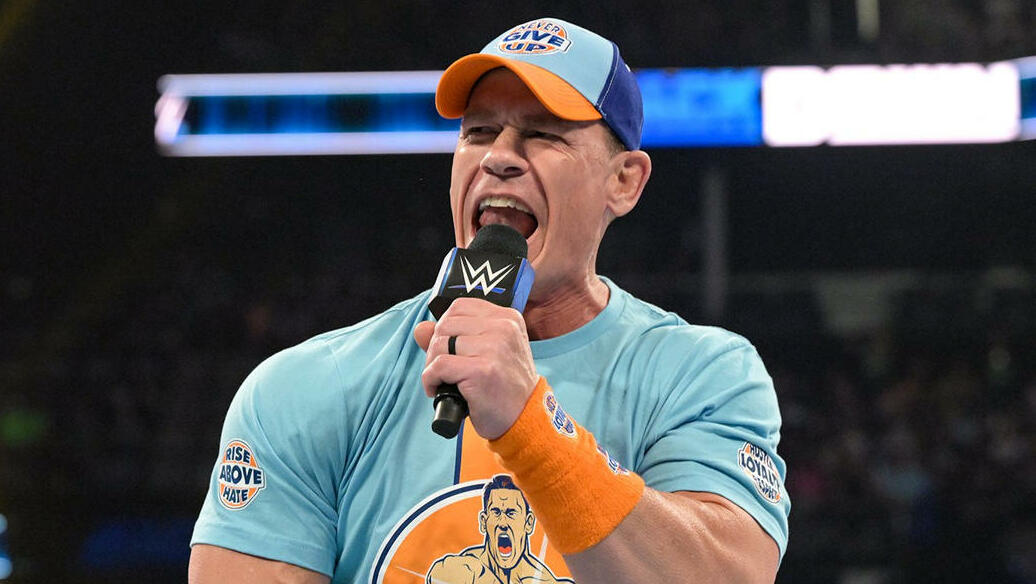
John Cena passes the silhouette test. The cap. The oversized t-shirt that still struggles to contain the massive, sprouting trapezius muscles. The handsome, clean-cut face, rock-strong jawline. The jorts that define a lack of coolness so devout that it comes all the way back around: Cena looks the part more than most, past, present, and future.
A lot of wrestlers are synonymous with and are identified by a certain colour scheme. Red and yellow, black and pink, orange. The names of those wrestlers need not be stated.
John Cena was such a merchandising sensation that, at one point or another, every last colour belonged to him. The Rock, infamously, referred to Cena as “looking like a big fat bowl of Fruity Pebbles’ in 2011. This was designed to portray Cena as a children's TV show lead - an uncool wrestler compared to the Rock and his edgy brand of charisma - but how much of an insult was it?
Cena had become so ubiquitous as a top star that he could wear (and flog) anything, and he was still, unmistakably John Cena. He was preposterously charismatic.
Cena’s presence is something more than immense. He split the audience during his prime. Older fans hated him. They grew up on Hulk Hogan as kids, and then Steve Austin as teenagers. The trajectory reversed, and those fans couldn’t sanction it. The kids adored him. WWE developed a way of spinning it - John Cena was such a massive personality that he inspired extreme reactions! - and it worked. Cena was more over than anybody else in the building before he even did anything.
His entrance themes were both outstanding. ‘Word Life’ was a swirl of hip-hop cliche, with its grandiose strings and record scratches, but effective with it. Cena’s genuinely impressive rapping ability elevated the track. It also allowed him to stand out as an elusive, unique character in an increasingly idealess world.
‘The Time Is Now’ wasn’t designed to capture the split reactions, but it did. The moody horns in the intro sound different depending on how you viewed the character. If you hated him, the intro was ominous, the soundtrack of dread encroaching. If you loved him, it was a reflection of the adversity Cena was about to face before erupting into a triumphant, defiant melody. In either case, something magical happened when the song hit the PA: an irresistible surge of real, big-time emotion.
10/10
Promos
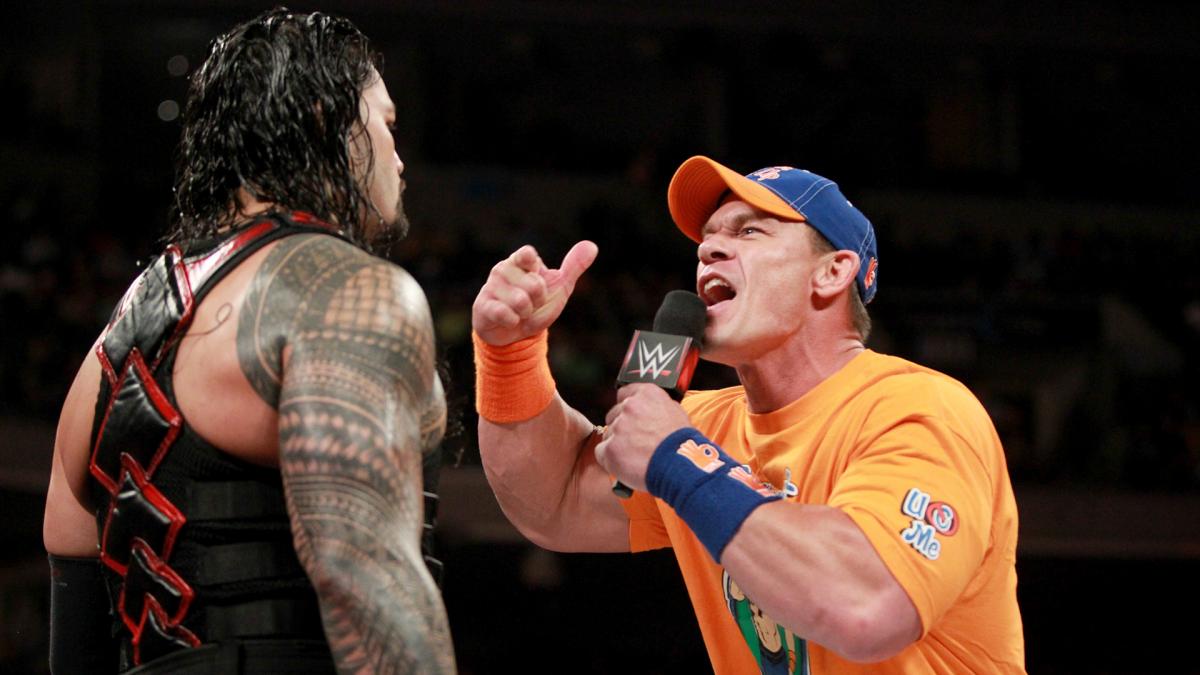
In terms of pure delivery, John Cena was world class at promos - one of the best talkers in the history of the game. The rhythm, the freewheeling improvisation, his ability to manipulate a crowd, even those who were adamant that they didn’t care a few moments before he opened his mouth: Cena was an unflappable master. Every wrestler does the bit where they raise their voice towards the end of a promo, when they reach the important part you’re meant to remember. Few, if any, were better at Cena at emphasis.
The content of Cena’s promos ranged from cringeworthy and putrid, to questionable, to effective. Cena was so good at the art of talking that the actual words, and even the essence of his character, was almost irrelevant.
Prime John Cena was ostensibly a hero to children who urged them to never give up and embody decent values to live by. How often, though, did he express those sentiments in a rousing, effective way?
Cena at his worst was an unquestioning soldier who accepted his commands of regurgitating the dreck that a WWE creative writer would come up with in a bid to make Vince McMahon feel like he was reaching the kids. There was that time Cena compared his feud with John Laurinaitis to the plot of Star Wars, complete with skin-crawling impressions of Yoda. Infamously, Cena referenced a popular viral video on YouTube, saying “Baloney, fudge and mustard! I haven’t flipped out this bad since my mom cancelled my subscription to Warcraft!”
Cena wasn’t just a wrestler for the kids, which wasn’t necessarily the worst thing in the world. Randy Savage was kid-friendly as a babyface, very unlikely to say anything that would get the WWF into trouble. Cena actually talked like and resembled a small child, which was the key distinction to the do-gooding heroes of the 1980s. Watching the aforementioned promos in particular was akin to suffering through a school talent show. And the other thing about Cena is that, for a supposed role model, the guy was phenomenally mean-spirited.
Cena’s material wasn’t just acutely embarrassing, to the older fans watching with a roommate, partner, or family member in close range: it was actively counterproductive. The Cena stand-up routine was relentless, a stunningly poor fit for so many of his rivals. Cena wasn’t primarily responsible for the downfall of cult leader Bray Wyatt. Under Vince McMahon, Wyatt would have failed if he was programmed with Cena or not. Cena however trivialised Wyatt to a shocking, aura-draining extent. This was his playbook. He should have made an exception for a character possessed of otherworldly power, but no: Cena did the usual, awful Photoshop gags on the TitanTron. His more acclaimed stuff was still questionable.
John Cena was, to be blunt, a dick. An intensely unlikeable dick - one of the weirdest babyface acts ever and even imaginable.
Towards the end of his run as a full-timer, Cena barely performed as a fictional character concerned with title wins and grudge programmes. He was WWE’s proud mascot and workhorse, and would frequently, aggressively, assert that nobody else could represent his beloved WWE like he could. With unchecked arrogance and entitlement, this Cena character was oblivious to the fact that he was booked to win.
He savagely buried Roman Reigns, in 2017, throughout a short programme premised on the idea that Reigns could not get over as a babyface, nor become Cena’s successor as the top star of the company. Roman won their match at No Mercy, but victory in a staged contest did nothing to refute Cena’s claims. Wasn’t Roman winning matches, but not forging a connection with the crowd, Cena's exact issue?
This meta business was overthought and ineffective - a bizarre thing for a hero concerned with hard work and respect to engage with. What were the kids meant to make of it all? And if this was aimed at the older fans, it did nothing but cast Cena, a better public speaker who didn’t win quite as much as he used to, as the lesser of two evils. The programme was designed to get Roman over. It didn’t; Roman only got over as a babyface years after finally turning heel in 2020.
John Cena has cut several excellent, traditional promos, and when he wasn’t just…saying stuff, his diss track promo-style was compelling television. His 2012 feud with the Rock was an unmissable exchange of very real, potentially volatile tension. On the subject of the Rock, though, Cena’s definitive, most memorable promo work was a more snarky and less entertaining take on that insult-happy approach.
Worst of all, Cena was absolutely hopeless at selling defeats. It was impossible to tell that he’d even lost when he appeared on TV 24 hours later. Some role model; the guy lacked any humility and accountability whatsoever. So much of WWE was meaningless with Cena on top; so much of that was Cena’s fault.
Here’s the start of a theme: not much of this mattered.
7/10
In-Ring Ability
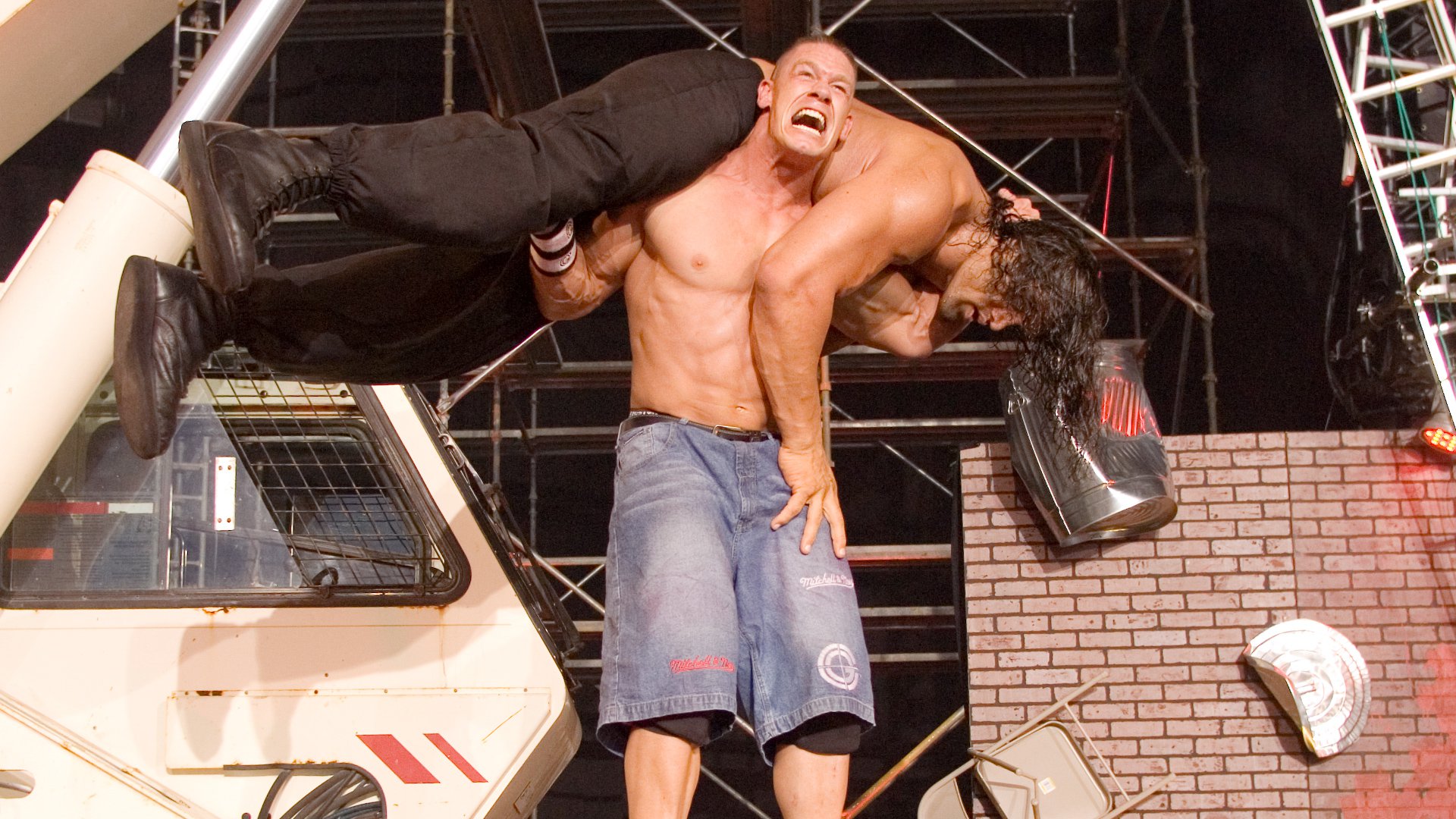
John Cena very quickly abandoned a springboard stunner because he lacked the agility, composure, and the ring awareness to get where he needed to be. When Cena applied his STF, it looked like he was holding hands with himself. It was a strange and distracting sight, since he did this in several important main events. His gurning face practically looked disembodied; he couldn’t have been reacting to the pressure applied, since there was none. Cena was ungainly, popping up to hit the five knuckle shuffle with his feet jutted out into the ten-to-two clock position. Cena bumped as if he had no idea what to do with his jazz hands. His body was cosmetically impressive, and it was powered by untold stamina, but it often looked weird and wrong hurled about in that ring. He was also quite bad, comically so, at communicating with it.
Cena’s selling was so odd. At times, he was great. At others, he either sold as if he’d just perished or returned fire like a move had zero effect on him - and not in a defiant, fighting spirit way either. His face often exceeded “expressive” and crossed the line into wacky.
John Cena is in fact so uniquely bad at the actual mechanical execution of moves that he is put forward as a key example of an enduring debate: how much does that stuff matter?
John Cena frequently worked excellent, emotionally-charged, very special feeling matches in spite of his lack of technical ability. In spite of himself, it felt like at times.
He was at his best in 2007. Some of his critics might point out that he was led by Shawn Michaels, which wasn’t untrue at WrestleMania 23, but Cena was with him every step of the way in the hour-long, far superior televised rematch. Cena, obviously, could not have been carried by the Great Khali - and their matches were absurdly awesome. Their Falls Count Anywhere match at One Night Stand 2007 was one of the all-time great overdeliveries; not in the least bit contrived, Cena grabbed any object in sight to repel the monster in an ultra-rare plunder match lacking any obvious assembly. It was the hidden gem counterpart to his famous masterclass opposite Umaga at Royal Rumble 2007. Cena, aided by the bandages wrapped around his abdomen, entered a performance in which he felt like he was clinging on for his life. The roles were reversed at the finish, where Cena choked the monster out, looking just as cool and vengeful as the most revered territory heroes of the 1980s.
His feud with CM Punk was a revelation; Cena, who had alienated the audience with his neverending and dull programmes opposite Triple H and Randy Orton, went hold-for-hold and counter-for-counter with Punk in an electrifying, sophisticated series pitting Cena’s raw strength against Punk’s wit and intelligence. The story was never 1989 tier, but in the ring, it was a better Hogan Vs. Savage dynamic than the men themselves mustered.
Cena’s record is patchy elsewhere. A great series with AJ Styles, what felt like sabotage against the Miz. Infinitely more drab matches against Randy Orton than good ones, an all-hits rivalry against Edge. A very selfless and bold approach to working with Kevin Owens; a litany of hatchet-jobs against Wade Barrett.
Even Cena’s best work - the Umaga match excepted - relies on you to fill in the blanks, to an extent. No other wrestler as famous as John Cena is afforded as much latitude. Is that because he was the main character during the worst long stretch of WWE programming ever, and many of us needed it to be better than it was?
John Cena is a great wrestler. Just don’t pay attention to the STF. The top role leg drop misses by miles a lot of the time, and he looks rigid mid-flight, but he works hard. Yes, he gets up too quickly sometimes, but the fans are going nuts, who cares?
7/10
Time’s Test
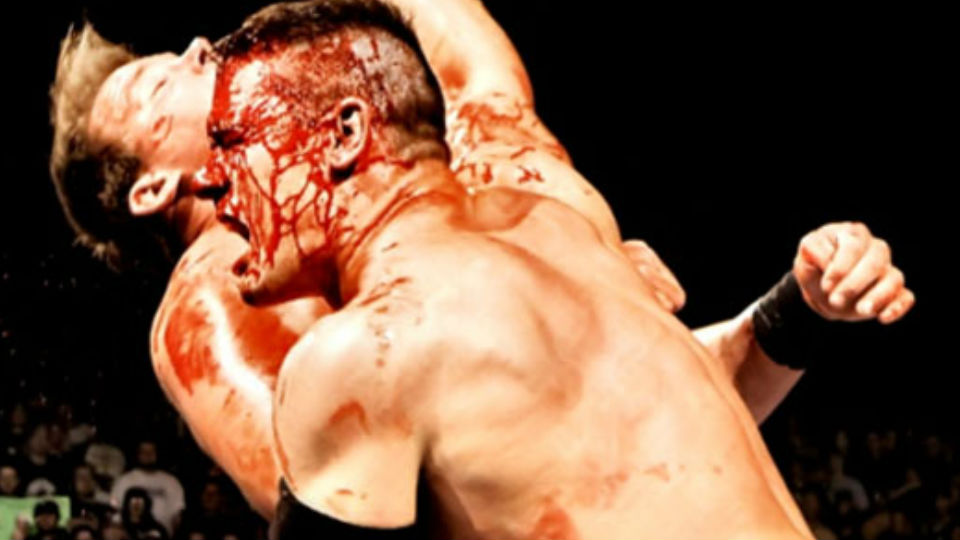
Cena’s work will endure because every match that people give a sh*t about endures. Cena couldn’t throw a dropkick, but he could make the fans care. A million of his peers got that the wrong way ‘round. Can you think of a single John Cena match that played out in front of a quiet crowd? In fact: can you think of a John Cena match that didn’t play out in front of a crowd that wasn’t, at a minimum, wildly enthusiastic?
There’s an exception to prove every rule. The Miz matches are that exception.
Cena’s selling was uneven, his moves were clumsy, and the matches that many people would put forward as his best, the PWG John run, were actually quite shallow, relying on the near-fall spam and multiple finisher kick-outs that other promotions get blasted for.
This doesn’t matter, ultimately: Cena’s matches were loud, vivid, and very dramatic. A lot of his critics and “haters” said that Cena won far too often. He was pushed down your throat. And yet, even at his most pushed, he could still sell a crowd on a pulsating near-fall in almost every single major match - and if that’s because the fans were desperate to see him lose, he was playing heel in front of half of them anyway. It still worked.
Cena’s 2015 stuff was a surreal novelty. There are better “bangers”, but few felt as special. Cena’s real best stuff was genuinely timeless. Soaked in blood and looking desperately in need of a transfusion, his gruesome wars against JBL and Brock Lesnar were objectively, thrillingly, badass. Any “sicko” or any fan into brawls and fights and glorious pro wrestling violence done the old, mythical way loves those matches. Cena was as pure a babyface as they come when he ran the razor, which isn’t discussed enough as a skill. Cena isn’t iconic with the blade, which was banned just three years into his run as a headliner, but in terms of ability, he was up there with the very best.
Some people just can’t abide WWE and the way it presents what it refuses to even call “pro wrestling”. A fan of Mid-South Wrestling or Jim Crockett Promotions could live and die with John Cena on those nights.
Both opposites of the extreme are reached here, in that a lot of John Cena’s stuff was agonising to watch in real time, much less all these years later. That face he pulled when mocking Mr. Kennedy’s ring announcement gimmick? It’s haunting, unbearable, and his TV segments are littered with infinite bags of such garbage.
7/10
Cultural Significance
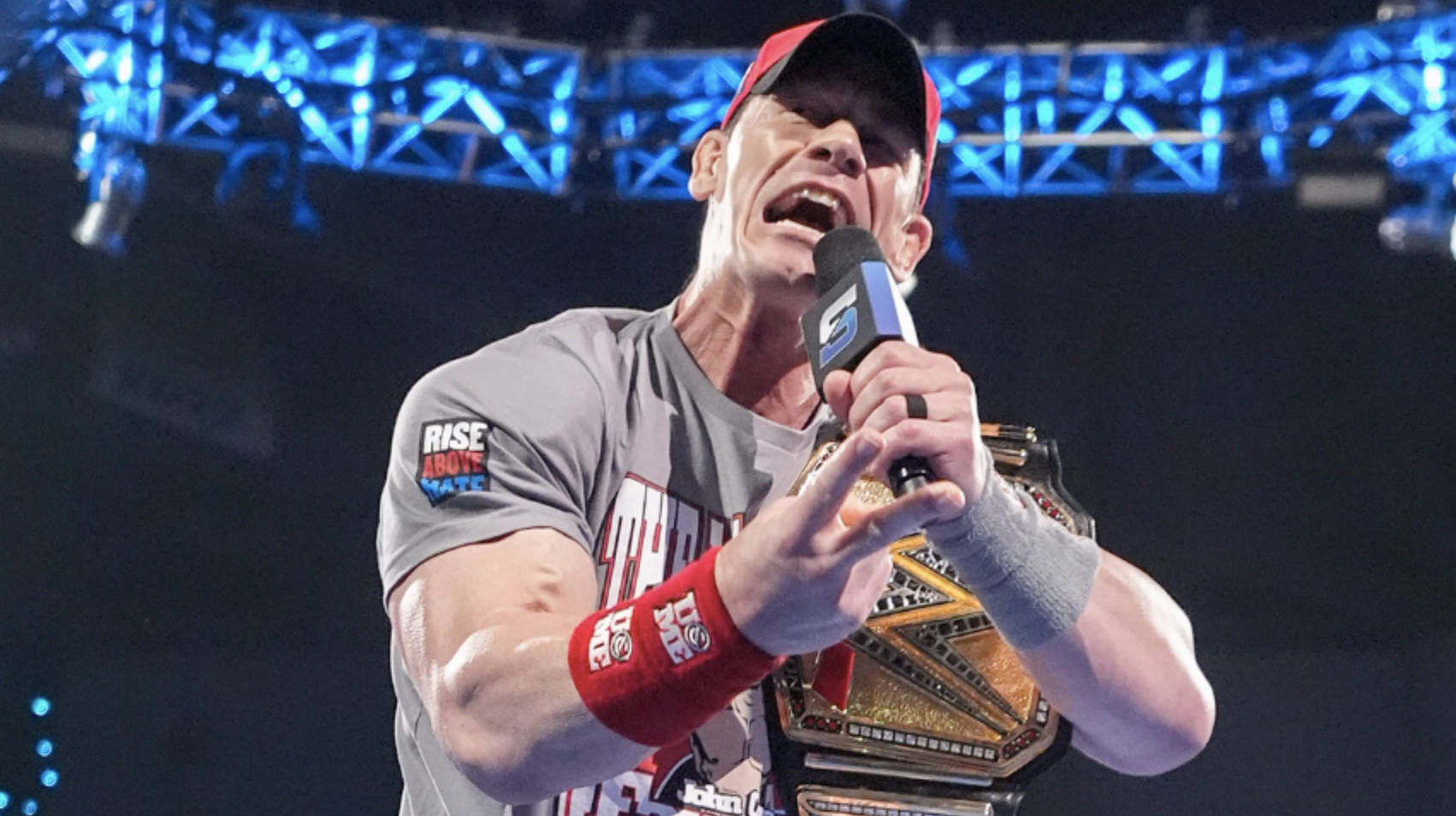
The majority of citizens in the U.S. probably know who John Cena is, even if that amounts to 51%.
Cena never led WWE through a mainstream boom. If anything, the opposite was true; he presided over softening business over a span of many years, although it’s clear things would have been worse without his presence. Cena is one of the most meme’d public figures of the 21st century. We’re sure about that. The extent of his visibility online is a decent enough indication that more people watch and enjoy pro wrestling than they may care to admit.
Cena is also a genuine mainstream crossover star. After unsuccessfully launching an acting career backed by the awful WWE Studios, Cena eventually broke through as he scaled back his WWE schedule. His turn in the modest comedy hit ‘Blockers’, the box office for which quadrupled the budget, was well-received. He didn’t lead the film, but was a vital part of its ensemble cast. He was more integral to ‘Bumblebee’, which was a veritable smash, generating $468m from a $135m budget.
Both pictures were released in 2018. It felt for a time like Cena was set to repeat Dwayne Johnson’s incredible Hollywood feats. That didn’t quite happen - movie producers are not desperate to cast him as the leading man of a majorly-funded project - but the success of ‘Peacemaker’ is almost as successful as it gets in this fractured, post-watercooler entertainment landscape. Cena is the unequivocal, eponymous lead of the TV show. SlashFilm reported that the season one finale broke highest single day viewership records for HBO Max, echoing reporting from Deadline that every episode generated higher viewership than the last - with the finale out-drawing the premiere by 44%.
Season two is less successful and might be trending towards ‘flop’ status. Streaming numbers are difficult to track. Superhero fatigue, the long gap between seasons halting momentum: both may be a factor there. In happier news for John, his 2025 vehicle ‘Heads of State’, in which he co-starred alongside Idris Elba, was one of the most successful iterations of Amazon MGM Studios’ Prime Video streaming project. While a hit is harder to define than ever, that was a hit.
Cena is still competing for a spot with Dave Bautista all these years later. Bautista opts for more critically-acclaimed fare in his improbably successful reinvention as a thespian; Cena is happy to be a popcorn guy. The public agrees with him. Call it a score draw.
The most succinct way of putting it is that John Cena is a not inconsiderably significant public figure outside of wrestling - a tier below the Rock, but more known these days than Steve Austin.
8/10
Rivalries
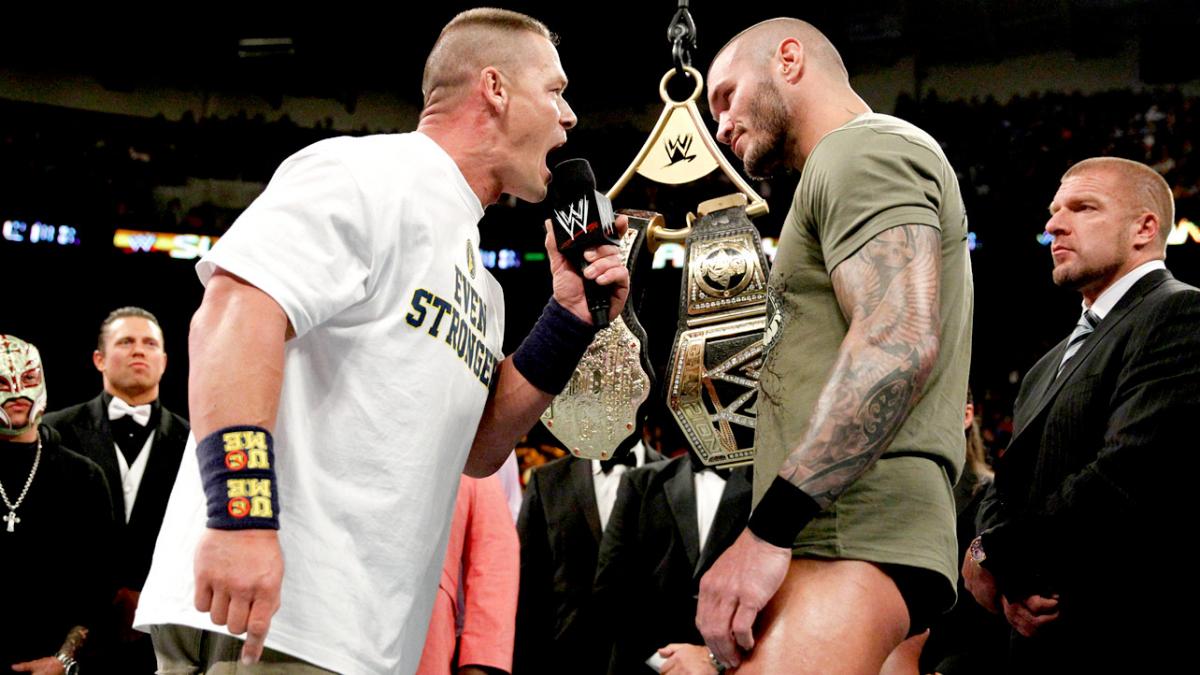
The role of a World champion in pro wrestling is multi-faceted, but if you want to reduce it, the champion should possess the ability to reach down and elevate other wrestlers to that level. That’s not to say Edge wouldn’t have made it eventually, but Cena pricked his finger. Their classic rivalry solved the conundrum; Edge had felt for at least four years like he was cursed to remain on the cusp, an upper midcarder masquerading as a real star.
Cena versus the Rock dragged on a year too long, but Vince McMahon’s greed and lies should not overshadow the magic they created together in 2012. The trash-talk was deliriously entertaining, the whole thing felt absolutely enormous, and most importantly, it felt at times dangerously close to crossing the fabled line. That’s a monumental achievement. How often does that happen? The answer is “close to never”.
His feuds with CM Punk and AJ Styles shared certain similarities - a more technically accomplished wrestler trying to seize Cena’s throne - but both were excellent and fondly remembered.
Cena’s case for greatest rivalries is torpedoed when you consider who his great legacy rival was, and what they achieved together. Ric Flair had Dusty Rhodes. Steve Austin had the Rock. John Cena had Randy Orton.
This isn’t Cena’s fault, per se - Vince McMahon insisted on dragging it out over years and years because he was incapable of creating new stars - but it wasn’t even that great when it was good, and the peak didn’t last long. The matches, of which there were far, far too many, were repetitive and often just above average bell to bell. And then they became very convoluted and desperate.
At Royal Rumble 2011, Cena and Orton exchanged a stare-down. This coming-together of the two fierce rivals and modern living legends was meant to draw a massive eruption. The fans fell silent. They didn’t feel anything for their history and certainly didn’t want them to work a future match at WrestleMania. Cena and Orton never went one-on-one on the ‘Grandest Stage’. What does that tell you?
At Royal Rumble 2014, Cena and Orton collided in the ring, yet again, this time for the WWE title. The fans hijacked the match with chants of “We want Divas”, “Boring”, and “Daniel Bryan”. They were so bored of the traditional overlong Orton chinlock that they even chanted for the Undertaker and Chris Jericho - wrestlers who were hardly in the hipster zeitgeist. Those fans were simply bored stiff of WWE’s insistence that Cena Vs, Orton was a big deal.
7/10
Moments
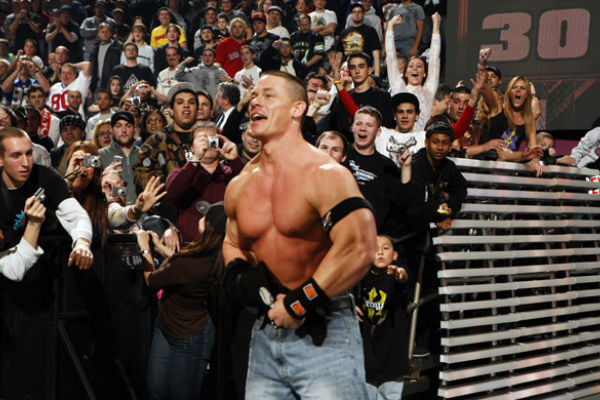
John Cena played a role in some of the greatest moments in WWE history.
It was Cena with his back on the mat when CM Punk kissed WWE goodbye at Money In The Bank 2011. It was Punk’s night - but that moment does not feel like a life-affirming relief, if Cena didn’t play the role of invincible company Ace so effectively.
Cena was also battered by the Nexus in one of the strongest debut angles ever. It’s an ultra-rare occasion, when the polished WWE produces a genuinely chaotic and unsettling scene. A rare, giving performance on Cena’s part put it over the top - a key argument as to why he was protected so heavily in the first place.
Cena created a moment a week with his incredibly tasteless battle raps. It’s hard to watch them now, but back then, they catapulted him to the top.
Even when Cena was performing in less than seminal programmes, he had the ability to unleash something that will stick with you. John Cena Vs. Edge Vs. the Big Show won’t make it near the top of any “best WrestleMania matches” lists, but he hit both of them with the AA at the same time. What a spot that was, Jesus Christ: it was stupidly impressive on his part to do it Big Show alone. Was it even the best moment involving Cena and Edge?
No: that was the wild finish to their awesome TLC war at Unforgiven 2006.
Cena suspecting that the Rock had used notes for a promo was an eclipse-rare moment where nobody could be sure if the segment was a work or a shoot. Cena’s return at Royal Rumble 2008 was mind-blowing - so much so that the contrarian Madison Square Garden temporarily forgot that they were meant to hate him.
The legend of John Cena is so mythical that his challenging Kurt Angle is considered to be the start of an entire era in WWE - Ruthless Aggression - when in fact, Cena was demoted very shortly afterwards.
Cena was also responsible for some of the worst and destructive moments in WWE history, too.
8/10
Range
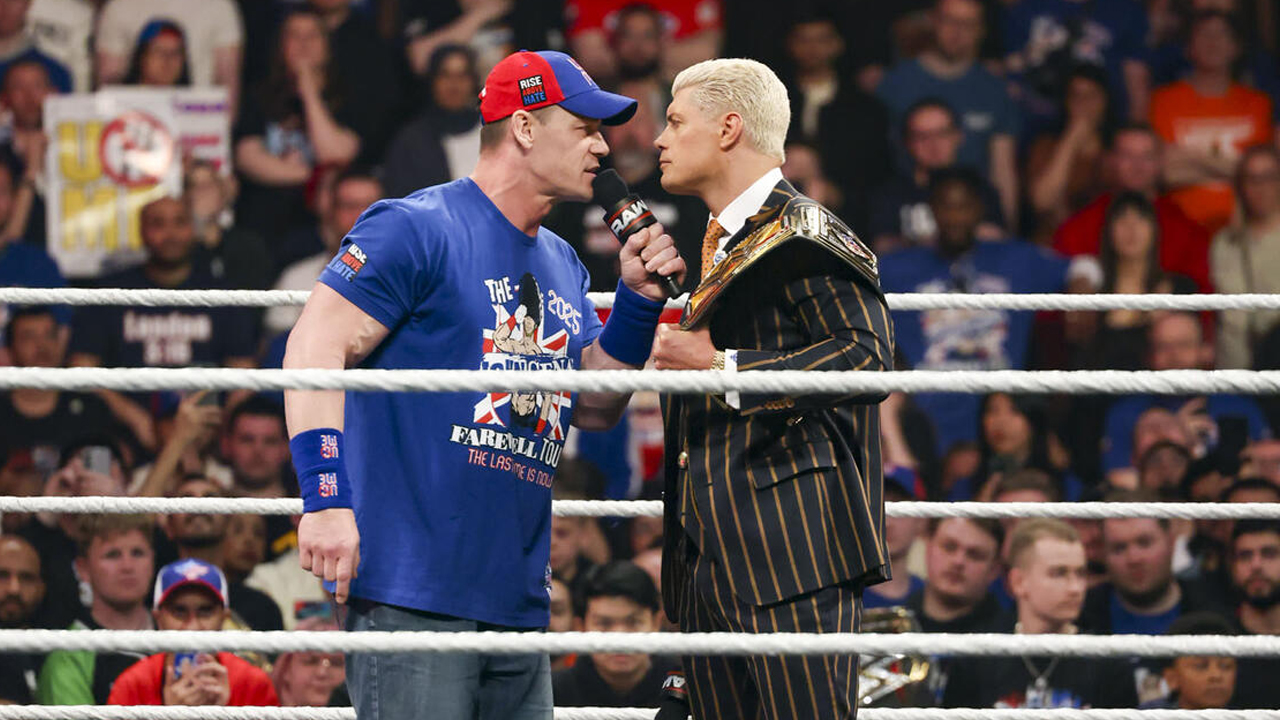
John Cena’s profoundly ill-fated heel turn exposed, brutally, his lack of range. This was illustrated when Cena first went face-to-face with Cody Rhodes ahead of their match at WrestleMania 41.
Cena said that Cody was a generic mix of every superstar that he’d ever liked, and came off like a 16 year-old taking acting classes who was afraid of public speaking. In response, Cody said that John Cena hangs around with Zac Effron and wishes he was 16 years old.
How was Cody Rhodes afraid of public speaking? Seriously: the guy was the WWE Champion, entrusted to open WWE TV shows constantly, and the consensus is that he was/is one of the best talkers of his generation. It was actually the last thing you’d use as ammunition with which to fire shots at Cody. And it’s not as if Cody was a compelling promo who was prone to flubs. Bret Hart was that guy: an impeccable pro who presented himself as clean-cut athlete who wouldn’t take any sh*t. He was also, until 1997, anyway, a decent talker who lacked composure. Cody was outright brilliant at the art of public speaking.
This Cody/Cena face-off was all very baffling. Cena’s stuff often was; his aim was to make the crowds gasp at the things he supposedly isn’t allowed to say, but he’d often spout pure nonsense to get there. Cena has a weird brain generally - look at his tweets, watch his press interviews - which doesn’t help.
As this scene unfolded, the fans volleyed chants of “Let’s go Cena / Cena sucks!”
Worked shoot lines designed for empty pops against the backdrop of a split crowd: while Cena was nominally the heel here, literally everything about this was indistinguishable from his key segments as the top babyface in the company. In Cena’s defence, when he first played heel, he was green. When he last played heel, he was washed-up. He spent the vast majority of his time in the ring playing a babyface.
He was still a rubbish heel.
It’s barely worth discussing his in-ring work as the ‘Doctor of Thuganomics’, certainly in the context of a wrestler’s G.O.A.T. case. It was green, early career stuff. As a heel in 2025, Cena was actively atrocious. His performances were oddly joyless. He didn’t receive the heel turn as an opportunity to unleash years of creative stagnation. He went the “methodical” route, which was always a euphemism for boring, and wasn’t good at getting his ass kicked. Cena lacked the athleticism to execute WWE’s bump-and-feed formula, often falling gingerly on his ass at half-speed.
Cena could do trad babyface incredibly well on his best days, and big match drama even on his worst. That’s about it.
5,5/10
Drawing Power
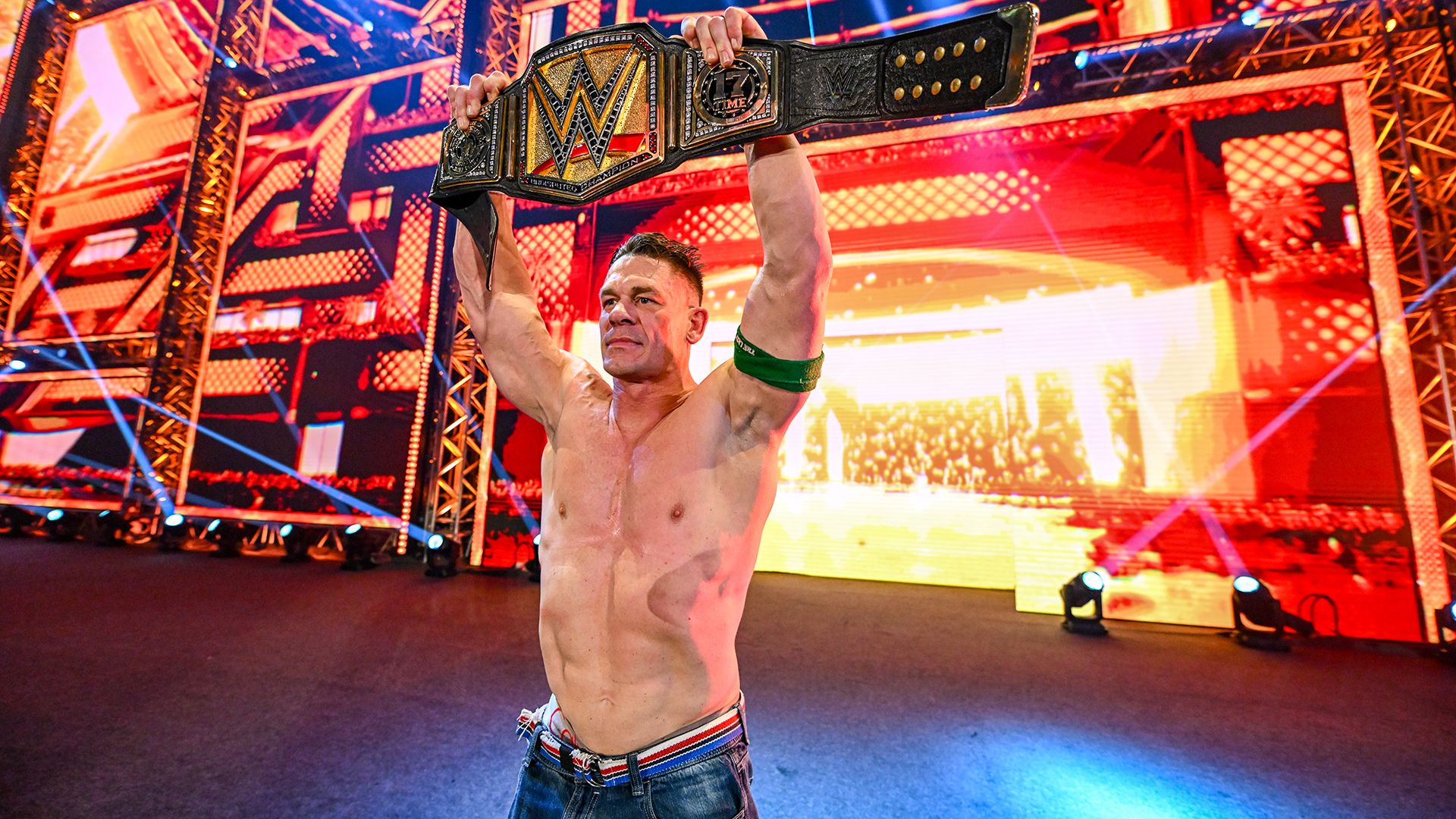
You might not agree with the Wrestling Observer’s Dave Meltzer when it comes to his star ratings. What you cannot in good faith question is Meltzer’s deep knowledge of pro wrestling history and his analytical ability of the financial side of the business.
In 2024, upon the announcement of John Cena’s retirement, Meltzer attempted to determine how much of a draw Cena was. Meltzer used the metric of most years spent as the biggest arena draw in wrestling. Cena was the biggest annual arena draw for seven years, tied in 4th place with Lou Thesz and Bill Longson. Cena might not have drawn as many punters as his historical competition, but was the top draw amongst his peers each individual year.
Dave also compiled a top ten biggest draws ever, based on “top ten placings for the years and era dominance”. Cena ranked 10th, behind only Jim Londos, Bruno Sammartino, Thesz, Longson, Hulk Hogan, Ed ‘Strangler’ Lewis, Ric Flair, Buddy Rogers, and Argentina Rocca.
[Dave conceded that this method was somewhat flawed, in that Mexico’s records are “sporadic at best”, and that it is skewed to reward longevity, failing to address that the Rock and Steve Austin out-performed Cena for a shorter amount of time.]
Cena presided over a monopolised business that was rarely super-hot. TV ratings were never hugely impressive during his time, at least relative to the competition, though his quarter hours were strong. WWE pushed Cena as hard as they did for a reason.
This does hurt his case somewhat. Was he a big fish in the smallest pond?
Perhaps, but his merchandise sales live up to the legend.
John Cena remained a monster attraction even when he was goofing around in glorified house show tags before his retirement tour - and this late-career run compares favourably to Hulk Hogan, who was far more of a short-lived novelty during his part-time years. Back in January 2023, facing strong competition in the Orange Bowl, Cena drew 2.63 million viewers to SmackDown, its best number in an age.
Cena was a level below Steve Austin, the Rock, and Hulk Hogan as a box office attraction, but otherwise, they get no bigger.
9/10
Conclusion
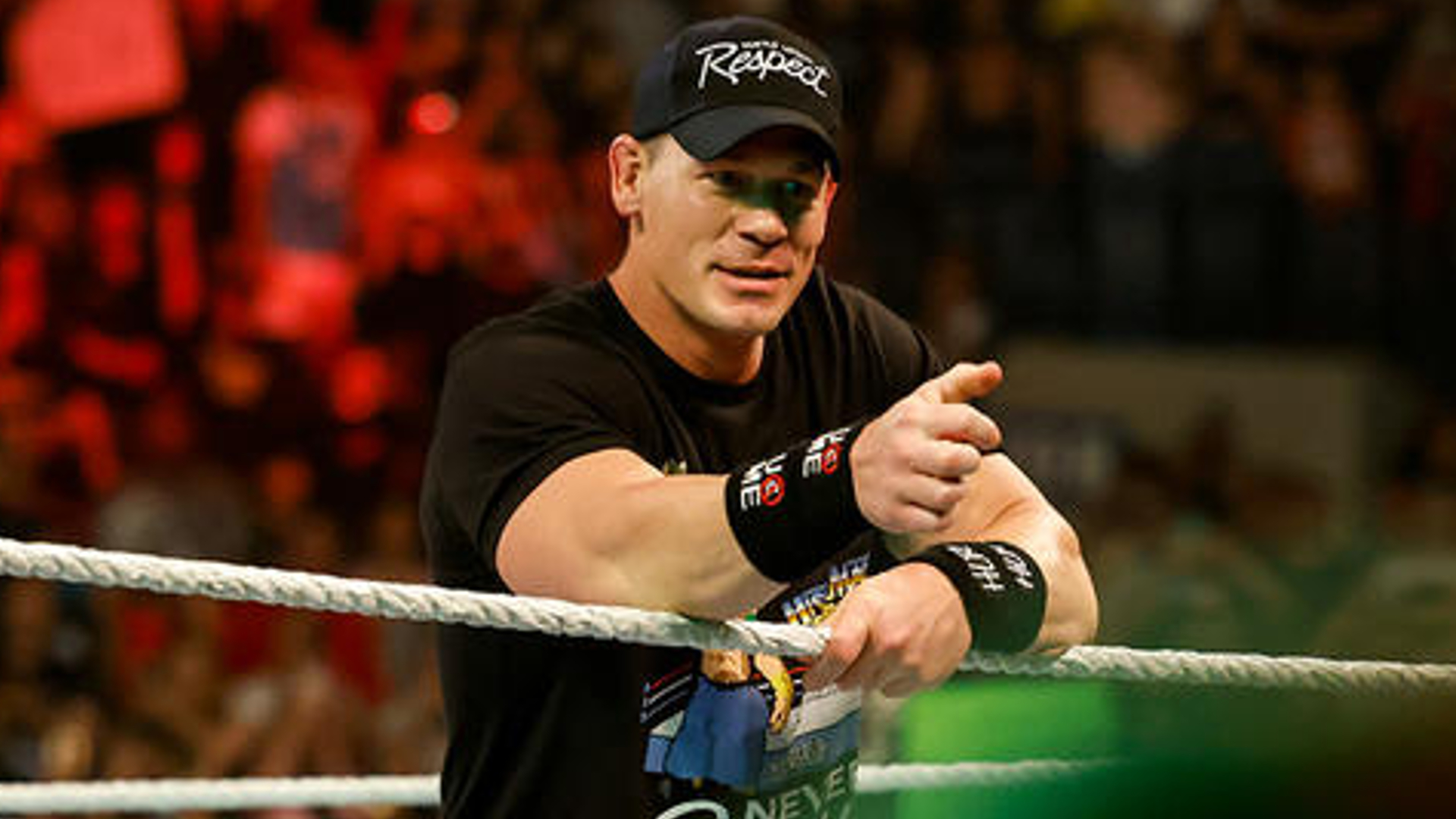
John Cena was the most uneven top star in WWE history. Let’s consider his G.O.A.T. case relative to the competition:
Steve Austin drew more money at his peak, was a vastly superior pro wrestler, was more of a household name, and was significantly less likely to make you embarrassed to be a fan. Cena really only has longevity over Austin. Using the exact same criteria, the Rock has a similarly stronger case than John Cena - depending on how much value one places on longevity. Is a longer and more mixed stint on top really that impressive? Cena starred throughout an era in which obstacles were put in front of his peers, too; moreover, Vince McMahon was more incompetent than ever before. Cena had a clear run at the top spot with no direct wrestling competition, nor many on the roster with creative license to take it from him.
Cena boasted superior range to Hulk Hogan, who wasn’t exactly able to work bloodbaths and bangers alike. Hogan was a more lucrative attraction, and in his defence, didn’t need to deviate from what was such a magic formula. Both Cena and Hogan alienated the same demo of the audience; Hogan timed and performed his heel role to infinitely better effect. Hogan lasted ages on top, but wasn’t undermined by the same overexposure on television. A score draw seems fair, subjective and objective factors considered.
Bret Hart and Shawn Michaels really only have in-ring ability over Cena. The Undertaker is an interesting comparison. Both wrestlers are considered by WWE fans to be all-time greats; equally, to those less passionate about the promotion, both are responsible for as many awful moments and frantic races to turn off the TV. Cena was a bigger draw; he wins narrowly against his most tenured opposition. If Triple H counts, Cena batters him. The way in which Triple H held onto his spot will forever diminish his case.
Cody Rhodes is a new contender for this WWE Mount Rushmore conversation. He’s better in the ring, an enormous draw, and unlike Cena, has led a legitimate boom period. Rhodes needs a few more years to build his case. Randy Savage did the impossible and replaced Hulk Hogan as the top babyface in the late 1980s. Roman Reigns only has that one heel run on his CV - but that run was a monster.
Since John Cena is somewhere in the middle…
8/10
Overall Rating: 7.5/10