8 New WWE Pay-Per-View Concepts For 2016

War Games, King of the Ring, and Lucha Libre rules!
Ever since the WWE Network was launched, Pay-Per-View has been less of a priority for WWE. With the traditional monthly events becoming part of the $9.99 subscription package and most dedicated fans having access to them (whether they watch them or not), there's been less of an onus for the company to deliver matches and angles that demand a hefty price tag. It's subscription numbers that keep the ship afloat... or is it? This week in the Wrestling Observer Newsletter, Dave Meltzer reported that Pay-Per-View buyrates - bolstered by fans in areas where the Network is not yet readily available - are actually higher than the company expected. In fact, while Network subscription numbers are still short of WWE's goals, PPV buys are actually offsetting some of that financial gap. The analysis came hot on the heels of the news that October's Hell in a Cell show did a respectable 87,000 buys worldwide. Pay-Per-View isn't what it once was, but it's not dead. If WWE puts out must-see shows, fans will continue to spend money to see them, even if they have to do it the old-fashioned way. In order to keep the monthly shows interesting, WWE should continue giving them their own feel. WrestleMania and (to a lesser extent) SummerSlam are typically built around marquee matches that sell the show, but the rest of the calendar - from the Royal Rumble to TLC - could do with some more unique shows. With that in mind, here are eight Pay-Per-View concepts - some new, some updated - WWE could use in 2016.

8. Tag Tournament Of Tomorrow

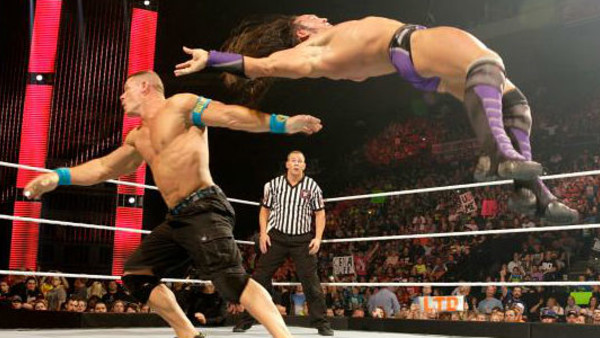
One of the most often-repeated criticisms of WWE is that the company hasn't done enough to make new stars over the course of the past several years. While it's true that creating new moneymaking talent takes time and energy, a handy stepping stone to giving younger superstars the rub could be with an intergenerational tag team tournament. Taking a page from the book of Mexican wrestling giant Consejo Mundial de Lucha Libre, WWE could host a tournament where established stars and up-and-comers join forces to battle each other, with the winners getting a shot at the WWE Tag Team Titles. Leaving the decisions in the hands of the veterans would put the younger stars over - imagine John Cena personally selecting Neville or Randy Orton picking Kevin Owens - and the whole tournament would make the Tag Titles seem more important.

7. An International Affair

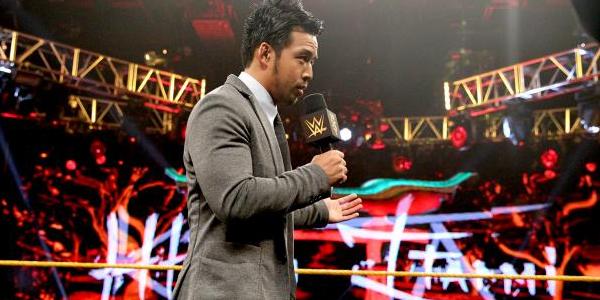
In the entire history of WWE, the company has only run a handful of Pay-Per-View events outside of the contiguous United States and Canada. The problems with doing it are evident - most specifically, time zone issues mean that a show will either air outside of prime time in the U.S., be held live outside of prime time in its point of origin, or be taped - but given the fact that SummerSlam 1992 remains the company's legitimate largest crowd, it's an avenue worth considering. Shows in the UK, Mexico, Japan, or other countries could also provide an opportunity for WWE to showcase superstars in front of their home crowds. A John Cena-Hideo Itami match may sound implausible, but it would literally be mainstream news in Japan, drawing tons of interest in the country. Also, the show could give WWE an opportunity to absorb some local culture - like, say, in the form of a traditional six-man lucha match in front of a Mexican crowd.

6. Cyber Sunday

Years back, WWE ran a Pay-Per-View called Cyber Sunday, where fans watching the live show would get to vote on the matches they'd see. The show didn't draw well - it turns out wrestling fans like to know what they're spending $50 on before they plunk it down - but there's no reason that the concept can't be brought back with some changes. First and foremost, the voting needs to be opened to fans well before the Pay-Per-View itself. That way, matches can be made by the customers, then built up by WWE. Challengers who have been voted into title matches can ride the audience's wave of support all the way to their big opportunities, gaining even more steam in the process. Secondly, the fans should be allowed to make the choices they want - no obvious ringers WWE pushes in hopes that they'll get votes. For once, the WWE Universe will dictate what happens and the company will book accordingly. In a wrestling world where fans increasingly feel like WWE doesn't listen to them, Cyber Sunday could be a gesture of good faith as well as a great show.

5. Elimination Chamber

The Elimination Chamber has been around for many years, and yes, it's still currently a part of WWE's annual output. Nevertheless, it's greatly declined in relevance recently and it needs some tweaks in order to remain a viable concept. The Chamber match was at its best when there were two world championships, and the brand whose title the Royal Rumble winner did not choose to contest for at WrestleMania used it to determine a challenger. Rather than put the WWE World Heavyweight Championship up for grabs in a poorly-conceived six way match, the bout can be used in a similar way - just at a different time of year. SummerSlam is traditionally seen as WWE's second most important show of the year, and booking a title match for the event should have a level of gravity almost on par with WrestleMania's. With that in mind, six of the top contenders for the championship can be placed in the chamber in July, and the winner would get his shot at SummerSlam. It wouldn't be the Royal Rumble - at first, anyway - but it would make the Chamber bout feel like a must-see match with important ramifications.

4. A Round-Robin Tournament Of Champions

Another complaint often levied at WWE regards its booking - specifically, the lack of emphasis placed on wins and losses. With the current top heel stable in the company made up largely of wrestlers who have spent months losing, it's hard to argue that there's a dichotomy between kayfabe success and so-called pushes. That makes fans care less about the bouts and their competitors in the long run. To make wins - and titles - matter, WWE can take another page from CMLL - and one from New Japan Pro Wrestling, as well. Each year, WWE can run a round-robin tournament where all five male champions are forced to compete against each other. The show can be run as a two-night event, and the eventual winner would be crowned Champion of Champions - a title, like King of the Ring, that would be awarded annually, but not defended. Typically, the WWE World Heavyweight Champion would be the favorite to win, and that wouldn't be bad thing, as it would cement that he's the best. A win by another champion, though, could be a strong hint that he'll be a major player before long.

3. King Of The Ring

Or, if that's all too complicated, WWE has another tournament all ready to go - the King of the Ring. It was once a prestigious honor to hold, though losing a dedicated Pay-Per-View event damaged it nearly as much as the booking of the last two winners. A back-to-basics approach is best for this one - eight men, one night. There can be a qualifying round on Raw to determine the competitors, but just as it was in the 1990s, so should it be today. Also, harking back to the early years, main event talent would compete, as well. The crown would be coveted by everybody. Of course, none of that is important if the King of the Ring isn't booked well after his victory. That would be the most essential part of the formula.

2. War Games

In today's stable-heavy WWE, teams of men with scores to settle often find themselves meeting in huge tag bouts. WWE seems to have no confidence in the Survivor Series format, so why not up the ante with the most famous faction-on-faction match in wrestling history? In War Games, a steel cage covers two side-by-side rings. Two competitors start the match, wrestling for five minutes, and every two minutes afterward, another man enters the ring (the advantage is given to the team that wins a pre-match coin toss). Once all of the men have entered, the bout can end - but only via submission. War Games has never appeared in WWE, but everything about it makes it right for a comeback - even the unique visual of two rings next to one another is a bizarre and ominous drawing point. With The League of Nations and Roman Reigns's squad gearing to face off, "The Match Beyond" could take things to the next level.

1. WWE Versus NXT

When WWE purchased WCW, fans were excited like never before - yes, the company promised that WCW would be run as a separate entity, but surely there would be crossover. We'd finally get the dream matches we'd been waiting to see for years. In the end, Vince McMahon quickly squashed the WCW brand and the company's former stars simply because of an outdated grudge. A potential "World Series of Wrestling" supercard never came to pass, and millions upon millions of dollars were wasted. While not a draw on the same level, a WWE/NXT battle could be promoted as the WWE/WCW war should have been. Each year, the two brands could meet in a Pay-Per-View faceoff - the only crossover of the entire year - with dream matches between stars. Sure, the point of NXT is to train wrestlers for WWE, and so those dream matches are supposed to come to play eventually, but what if they don't? What happens to the NXT stars who never leave the brand, or the ones who aren't pushed properly when they do? A top-to-bottom card featuring bouts like Seth Rollins versus Finn Balor, John Cena versus Samoa Joe, and Apollo Crews versus Brock Lesnar would be a huge draw in 2016, and potentially the most anticipated concept Pay-Per-View has seen in years. Fans with and without the WWE Network would be sure to watch it, and the company's bottom line would be the beneficiary.

Contributor
Contributor

Scott Fried is a Slammy Award-winning* writer living and working in New York City. He has been following/writing about professional wrestling for many years and is a graduate of Lance Storm's Storm Wrestling Academy. Follow him on Twitter at https://twitter.com/scottfried. *Best Crowd of the Year, 2013