7 NEW Differences Between NXT And Main WWE Roster

It's time to get very excited about WWE's new brand.
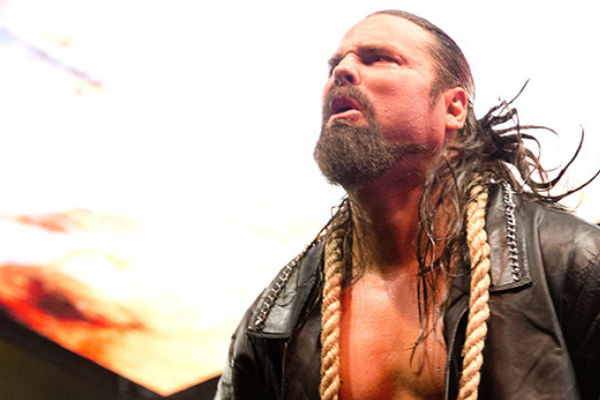
With recent news stating that NXT talents like Samoa Joe, Asuka and James Storm may never see the light of the main roster in WWE, we've officially reached a new place in the relationship between Raw and Smackdown and their developmental "little sister" brand, NXT. Whereas we once thought that NXT was a place that would eventually springboard talents to the main roster, we're now beginning to see the roots of what NXT may become as a stand-along group under the WWE umbrella. This left turn in NXT's evolution is intriguing. The brand's 2014 excellence and 2015 breakthrough have clearly caused WWE to re-think their goals for the "little brand that could," and what we're seeing now is NXT as a promotion that in being re-imagined and re-positioned now has new (and quite possibly very exciting) differences from WWE's main roster product. In contemplating what these differences are, the possibility exists for any fan angry at WWE at-present to just tune in on Wednesday nights and have their troubles (Samoa Joe or Zack Ryder face-) washed away. Here are seven of the NEW key differences between NXT and WWE's main roster. In considering these, it's time to get VERY excited about what's to come in World Wrestling Entertainment overall.

7. Tag Team Wrestling Is A Cornerstone Of The Product
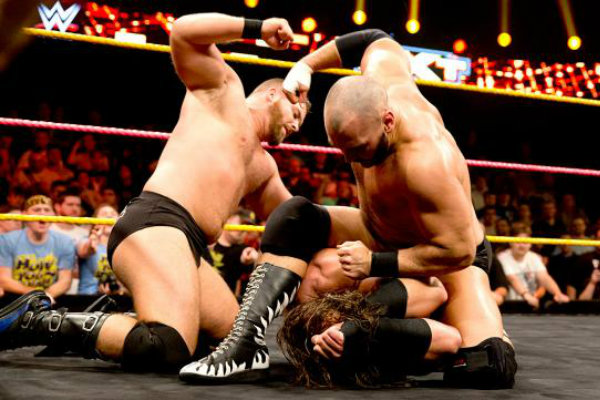
Whether it's now-main roster performers like The Ascension or the Lucha Dragons, or NXT-familiar performers like Dawson and Wilder, Enzo Amore and Colin Cassady, the Vaudevillians or ex-tag champs Blake and Murphy, tag team wrestling is a focus of NXT's product. Unlike the main roster, tag team performers are given the time to get over, cut promos, develop personalities and have main event-promoted feuds. On the main roster, tag teams are oftentimes an afterthought, featuring two singles competitors who can't seem to get over the hump. Tag teams that become top acts almost do so by accident, maximizing their minimal TV exposure are forcing their way into being depended upon parts of the main roster's creative picture. Tags getting a push in NXT is an old school nod that really gives the product a fresh, yet classic appeal that's appreciated. Proof positive of this? The Dusty Rhodes Invitational? A TAG TEAM TOURNAMENT that was pushed as a draw on TV for many weeks.

6. The Commentary Feels Less Forced

Watch Raw and Smackdown, and prior to saying anything about the match in the ring, Michael Cole or Rich Brennan is mentioning a corporate sponsor, Twitter hashtag, social media factoid and WWE Network plug before telling you anything about the competitors themselves. There's something that's really intrinsically not "pro wrestling" about that which takes away from the story that WWE's both trying to tell and sell. Compare this to the vastly different presentation of NXT. In NXT not necessarily being a brand obsessed with corporate sponsorship, social media or pushing multi-media spectacles, the company has the chance to get over performers on their own merits, rather than just being cogs in a corporate machine much larger than they are. It's the small "u" WWE universe presentation of NXT that makes it stand out in the sense that it feels a litte more based on the story being told in the ring being the thing selling the show moreso than any outside interest's benefit being overall more important than what's happening in the ring.

5. NXT Is "Surprising"

One way to keep ratings high for a TV program when all other draws have been exhausted is to "surprise" viewers of the program. In an era where WCW and ECW don't exist and TNA and ROH have such low presence to not really dent the mainstream wrestling markeplace, Raw and Smackdown no longer feature "shocking" debuts. By comparison, NXT is this wacky niche branded product where all signed talents must appear now before hitting the main roster. Thus, from Samoa Joe and James Storm to Tomasso Ciampa and Johnny Gargano, NXT's a really "surprising" show where you never quite know who's wrestling when and why. The element of surprise has been missing from mainstream pro wrestling for a generation. NXT bringing it back makes them a standout brand in the business as a whole.

4. You Never Know Where NXT Wrestlers Are Going To Appear
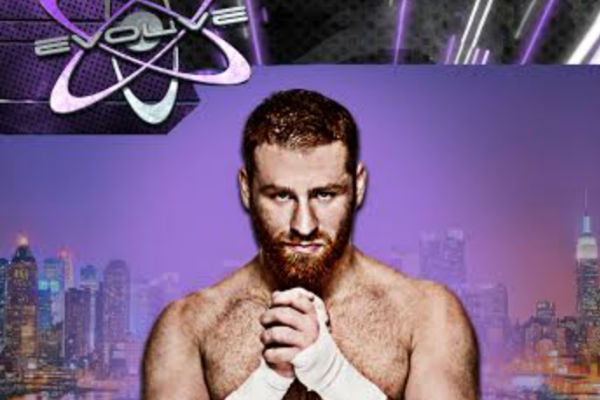
Sami Zayn's appearance at an Evolve show and that weird era where Samoa Joe was just seemingly kinda wrestling for anybody whenever he wanted make NXT INCREDIBLY different from the main roster. There was once a time when ECW and the WWF had a loose talent exchange occurring that allowed things like Jerry "The King" Lawler going from ringside at Raw to caning Tommy Dreamer in the testicles at the ECW Arena. WWE's main roster talent aren't going to say, appear on Impact Wrestling or wrestle Shinsuke Nakamura anytime soon. The idea that Finn Balor could wrestle AJ Styles at Korakuen Hall for either New Japan or on a WWE Network special, though? Somehow that actually seems entirely possible. NXT's got the wrestling world by the balls right now, while many people think WWE's main roster presentation sucks balls. That's a problematic difference.

3. The Divas Revolution (And Evolution) Is *Actually* Happening In NXT
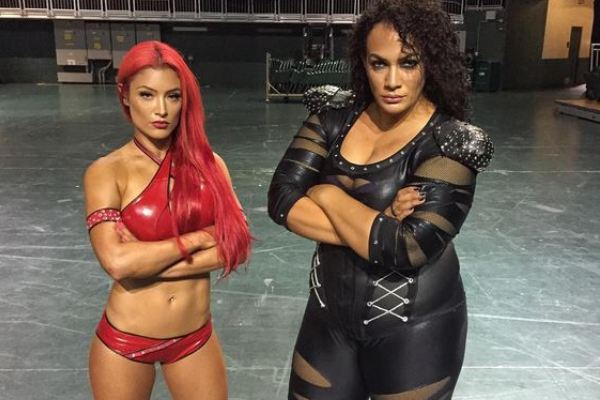
The Divas Revolution (and evolution) continues in NXT. Here's a few things to consider. This may blow your mind, but Eva Marie has already wrestled Asuka on numerous occasions at NXT house shows NXT's already solved that pesky problem of having to sign either Amazing Kong or Jessicka Havok by debuting Nia Jax Bayley is the new Sasha Banks Also, Alexa Bliss is bringing an "annoying heel" persona to the Divas Revolution that was sorely needed As well, Peyton Royce and Billie Kay are the most ideal Women's Tag Team Champions WWE as a company may have and those two are everything that the Bellas are (and more). WWE's main roster has a "divas revolution" happening, but is henpecked by creative still trying to get "divas not all being catty b***hes" right. LOL.

2. "John Cena" Doesn't Exist

There's a great argument that says that the "lead babyface" in NXT is the brand itself, which means that no one performer is more important than the NXT product as a whole. I'll argue that we're actually about to see an era where Finn Balor being the NXT Champion and thus the "lead babyface" is about to occur, and in Balor having no slick corporate catchphrases or movie roles is actually more compelling than paint-by-numbers babyface Cena. NXT lacking a very hackneyed sort of "good guy" presence at the top of the brand will likely make NXT quite different. In the story not always having an expected happy ending and the top babyface maybe being the kind of guy who will die nobly on his shield, it's actually a far more dramatic presentation.

1. Grudge Matches Matter

At some point in the very near future, bad guys who do bad things to good people are going to hold the NXT Championship and the NXT Tag belts, too. Ever since they 2002 heyday of Triple H has WWE ever had heels on top that inspire fans to hold grudges against their excellence. In heel Samoa Joe and The Mechanics holding the top championships, babyfaces competing for said championships will not just be winning matches in dethroning them, they'll be "righting the wrongs of the NXT Universe." By comparison, main roster WWE Champion Seth Rollins is presented as an annoying dude who is a chickens**t pawn of The Authority. Even deeper, the main roster doesn't really know what to do with guys who excel in grudge match-style feuds, as the Dean Ambroses, Bray Wyatts and Kevin Owenses of the world are just kinda *there*, and the babyfaces who need grudge-match feuds to get over like Cesaro, Neville and more are suffering because of it. Expect that when evil Samoa Joe becomes NXT Champion for the differences between NXT and WWE to grow exponentially. Exciting times are ahead.

In this post: 
James Storm
 
Posted On: 
Contributor
Contributor

Besides having been an independent professional wrestling manager for a decade, Marcus Dowling is a Washington, DC-based writer who has contributed to a plethora of online and print magazines and newspapers writing about music and popular culture over the past 15 years.