7 Most Disastrous WWE 'Big Projects' That Failed Instantly
Remember NXT Kids? Don't worry, nobody else connected to WWE does either.
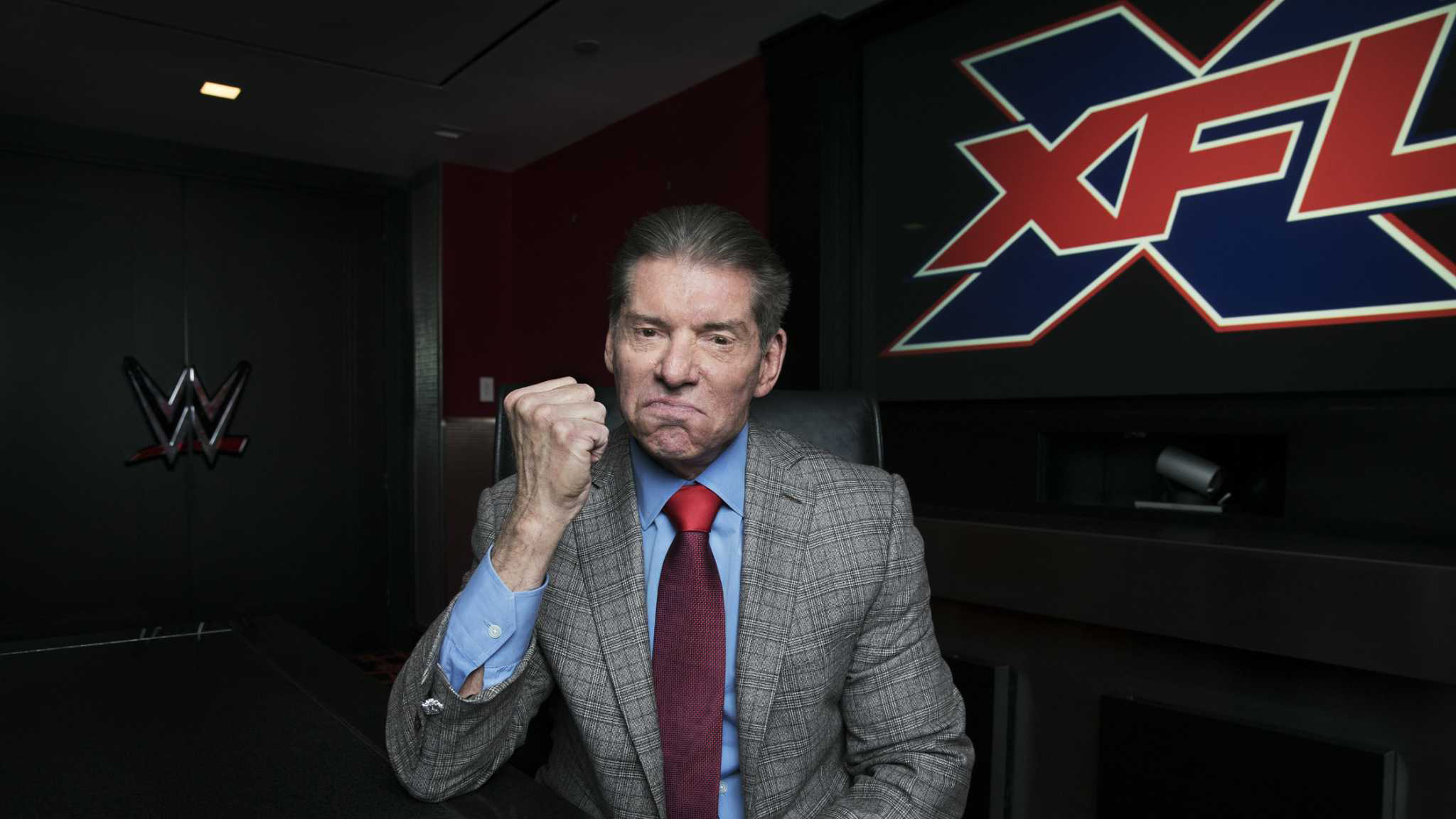
WWE remains a highly successful business that rakes in millions of dollars in profits and entertains millions across the globe. The outfit sells merchandise by the bucketload, has money coming out its ears in TV/streaming rights fees and promotes some of the biggest live events around.
Somehow, even a booming biz like WWE's has witnessed colossal (often embarrassing) failures that cost cold hard cash to leak from coffers and acted as harsh lessons for Vince McMahon, John Cena, Triple H and others.
Do they care? Publicly, McMahon would've told you no when he was in charge. He'd have 'nyuk-nyuk-nyuk' laughed it off and looked forwards, but these big project flops were painful reminders to stay in the right lane.
WWE doesn't shy away from being called professional wrestling like it used to. Vince preferred "sports entertainment" as a way to differentiate his organisation from others, and a wandering entrepreneurial eye led the old boss to try his luck beyond the mat multiple times.
Amongst other things, the company has dabbled in ill-advised financial trends, restaurants/hotel chains/amusement rides, the music business, bodybuilding, tried to launch an NFL competitor (twice!) and even took PG certification to the next level. The results varied - most times, these side quests fell flat on their face.
These are the worst, most expensive and most humbling examples. Many of them failed almost instantly, which meant months/years of preparation fell by the wayside in the blink of an eye.
Ready...set...FUMBLE.
-
Join WhatCulture Wrestling+ on YouTube for exclusive behind-the-scenes content, membership badges, emojis, and much, much more: https://www.youtube.com/@WhatCultureWrestling/join!
7. John Cena’s NFT
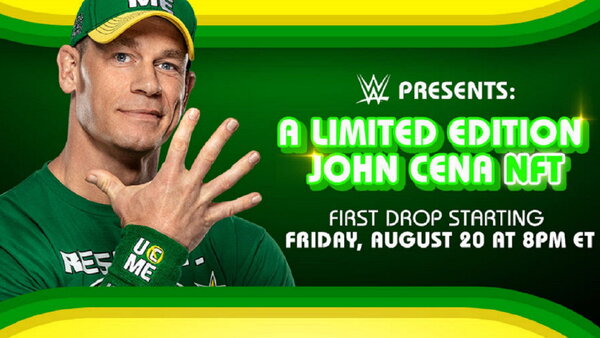
NFTs were a fad. They're still around, but generally people have moved on from stockpiling these things like they'd become key sellable assets in years to come. WWE got on the trend train with a special John Cena package offered right before SummerSlam 2021.
The world has completely forgotten about it for a reason.
500 packages became available for $1,000 apiece in 2021. Buyers bagged a Super Mario Bros-inspired t-shirt, a cap, a mini-title belt, a wristband and some other merch items. The actual NFT itself was said to be the most important piece, but...so much for that.
WWE shipped just 37 of these NFT packages in total, which left them in a financial hole on the whole project. Surprised? You might not be, but some will be shocked to learn that an earlier Undertaker NFT offer did rake in some cash - it was significantly cheaper though.
Even Cena himself called the entire escapade a flop when quizzed by interviewers after the fact. There was no denying it, and John didn't try. It's pretty obvious that punters were put off by the high $1,000 entry fee for what was effectively a few hundred dollars worth of merch and the chance of something more if NFTs took off.
Being honest, you were smart to steer clear of the whole trend if you did. It was often confusing; a minefield of 'will you/won't you' investing. Every investment is a calculated risk, clearly, but WWE's JC NFT was always going to be a money loser.
You can't see it. You never will again.
6. SmackDown Records
Hey, remember all of those sweet CDs the then-WWF and WWE put out stacked full of killer entrance tracks? Those appeal to collectors today, and they were a neat complement to your enjoyment of wrestling in the 90s and early-2000s. Playing old PS1 or PS2 games with WWF The Music: Vol 4 on was a humble thrill.
Also, Forceable Entry is one hell of an album. Just saying.
Most of these CDs were launched under the WWE Music Group banner, which was originally called (you guessed it) SmackDown Records. What some folks don't know is that the label wasn't set up exclusively to release superstar entrance themes.
No, the McMahon family viewed it as their ticket into the music biz at large. They planned to sign major recording artists to big deals that'd effectively turn Vinnie Mac from wrestling promoter into the second coming of Universal or Island. Well, sort of.
That was the hope, at least, but things didn't shake out that way. In the end, SmackDown Records signed just one external band before being reshaped as a publishing wing for in-house tracks. In 2002, metal band Neurotica left Newtown Music and inked a contract with SmackDown Records.
Their self-titled '02 album was released under the WWF/WWE's umbrella, but it'd prove to be their last. SmackDown Records didn't take on any other bands/singers before turning into WWE Music Group, for the record (ahem).
WWE Anthology, released later the same year, was a much bigger success for the label. What was that about staying in your lane?!
5. The WBF
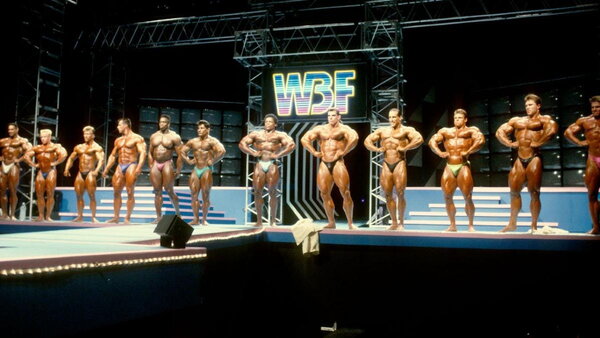
THE VASCULARITY! THE RIPPLING BICEPS! THE POSSIBLE DEHYDRATION AND PROTEIN FARTS!
Seriously, bodybuilding can be cool. No, really, but it clearly isn't an interesting subject to everybody. Vince McMahon thought it was something his WWF audience would stump up cash to see though, which is why he launched the World Bodybuilding Federation in late-1990.
The premise was simple: WWF broadcasts would hype WBF shows and turn wrestling fans into muscle obsessives just like McMahon. Except...well, that didn't quite happen. People weren't too intrigued by all the muscular physiques if they weren't hitting power slams or side suplexes.
The WBF gobbled up money and took some focus away from the bread and butter wrestling product on Superstars, Wrestling Challenge etc. By 1992, it was clear that no-one really cared for it, and even Lex Luger (who had been signed from WCW to front the project) prepped for a wrestling return instead.
It turns out that showcasing impressive bodies wasn't enough of a lure for viewers or pay-per-view customers. Who knew? Also, why would WWF fans care about any of this when they could see beefed up dudes like The Ultimate Warrior, Sid Justice or Hulk Hogan on the wrestling side anyway?
Worse, bodybuilders who had signed on for the WBF reportedly had to pay $25,000 fines if they wanted back in the IFBB. Eek! The entire project was doomed to fail from the get go, being brutally honest.
Sure, that heavily muscled guy up on the stage can hit a neat double bicep pose, but can he land a superplex for a near fall? Nope.
4. ICOPRO
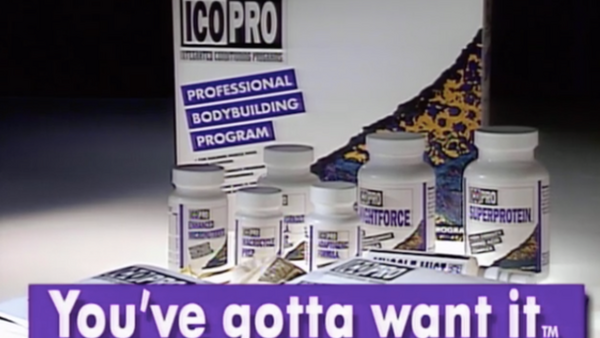
Like the disastrous WBF, this product line suffered due to a declining public image for the WWF stemming from the steroid trials of the early-90s. Back then, the federation's boffins figured that launching their own protein range and "professional bodybuilding program" would be a neat accompaniment to the "bodystars" (not superstars) on screen.
Spoiler alert: It wasn't a neat accompaniment. Not even close.
Bret Hart remarked in his autobiography that various protein powders, bars, pills etc were made available to the wrestlers at most TV tapings, but the 'Hitman' thought they tasted horrible. Sometimes, protein rich bars can take quite gritty, which certainly isn't for everybody.
Another problem surfaced. ICOPRO (Integrated Conditioning Program) had a complicated system that seemed obtuse next to other product lines, and other trusted brands were already firm favourites in the workout community. So, crashing the market was always going to be difficult for the WWF.
If you watched any kind of fed programming in the early-to-mid-90s, then you surely saw one of the many ads for ICOPRO. Wrestlers like Bret, Lex Luger and Razor Ramon were shown working out, consuming products then saying: "You've gotta want it".
Big banners hung high overhead even during the earliest tapings for Monday Night Raw, but ICOPRO wouldn't take off. Eventually, the WWF had a bulging inventory of unsold protein powders and packages. Lord only knows what they did with them, but that might be why Hart recalls seeing so many backstage.
'Nobody else wants these, so the wrestlers can chew through them!'.
3. The XFL (Twice!)

So nice they tried it twice.
When people think of American football, they think of the NFL, and that'll probably never change. The McMahons wanted it to when they first launched the original XFL back in 2001, but the league lasted exactly one season before folding.
Unsurprisingly, NFL fans curious about what this alternative football league would look like didn't care for sports entertainment-style add-ons and forced rivalries between coaches/players/commentators. Keep that stuff on Raw and SmackDown, please. Monday Night Football only needs Al Michaels or Joe Buck (depending on preference) and the game itself.
Vince admitted that he had a lot to learn about promoting real sports after the fact, but he privately maintained that things 'would be different next time'. Then, in 2018, WWE announced that the XFL was on the comeback trail and would be ready to go again by 2020.
The WWE-style presentation quirks were ousted in favour of a more straightforward football product, but then COVID hit mid-season and the whole thing had to shut down. It was another catastrophe those 3 NFL-chasing letters simply couldn't handle.
In 2020, The Rock was involved in a takeover consortium before the XFL completed one more season in 2023 and then merged with the United States Football League to form a brand new UFL (United Football League).
Meanwhile, the NFL has stayed consistent and is still the only show in town for those who want some gridiron action. That should be that for the XFL - it flopped twice in 20-ish years and reportedly cost the McMahons approx $50m.
2. WWF New York/The World

WWF New York (later called The World when the company rebranded to WWE in 2002) was just one of several tourist attractions that failed to catch on. The restaurant/fan hub opened on Times Square in New York City in late-1999, and it was featured on countless TV shows or pay-per-views.
Wrestlers who weren't on the card for PPVs would often hang out with fans attending watch parties in the venue, and the place hosted a few angles/brawls as well. It wasn't really making any money though, and rent for Times Square was through the roof even back then.
A rebrand to The World failed to change fortunes, and the place closed as a restaurant/bar in February 2003. WWE kept a merchandise store open for another couple of months after that, but they'd already decided to move on from the location ASAP.
Other WWE tourist attractions, like a planned Las Vegas hotel/casino and a merch store/amusement park at Niagara Falls, flopped too. The ride, called 'The Piledriver', was WWE themed but didn't attract as many visitors as the promotion hoped it might.
That Niagara Falls outlet opened in July 2002 and lasted all the way up until March 2011 before closing doors. It arguably came too late in the day to capitalise on the mainstream/casual appeal of the 'Attitude Era' anyway, so it's remarkable the place lasted as long as it did.
Realistically, all of these tourist bids were losing money as soon as they launched. The McMahons were sinking capital into the Las Vegas venture for years without even breaking ground on a proposed hotel/casino.
1. NXT Kids
WWE only ran one pilot episode of NXT Kids before calling the whole thing off.
That TV experiment from 2015 saw matches like Bayley vs. Jessie McKay (Billie Kay of IIconics fame) and Kalisto vs. Tye Dillinger spliced in with child-friendly, often educational vignettes. Amongst other things, the company quizzed fans on "how many 7 foot [Big] Casses would it take to equal the 305 foot Statue Of Liberty?" and had kids interview various other wrestlers.
There was another segment with a baby guessing who various NXT stars were by their entrance themes. Even he said that modern tunes 'sucked compared to the classics Jim Johnston penned'. Probably.
The follow up episode was supposed to have matches from Charlotte Flair and Sami Zayn, but it didn't make air. NXT Kids exists in some shut off part of your brains - you maybe heard it discussed at the time, but then it's like finding out about this all over again whenever it's brought up in conversation now.
Some may even confuse it with the longer-running Saturday Morning Slam broadcast that lasted from August 2012-May 2013. That had a similar green colour scheme to the "Kids" motif slapped on top of the NXT logo pictured above, after all.
It was a pretty niche idea to promote WWE's developmental brand (NXT was aimed more at hardcore fans than anyone else) as a kid-friendly vehicle. At least they tried, but it didn't last longer than it takes your average toddler to finish a juice box.
What other offshoot WWE projects failed spectacularly? For more wrestling, check out 25 Greatest Wrestling Heels Of The 21st Century and 50 Things You Learn Binge-Watching Every WWE Royal Rumble!