41 Most Disgusting Promotional Tactics In Wrestling History RANKED
12. 2022 - Vince McMahon Grabs An Onscreen Pop On Day Sexual Misconduct Allegations Are Reported
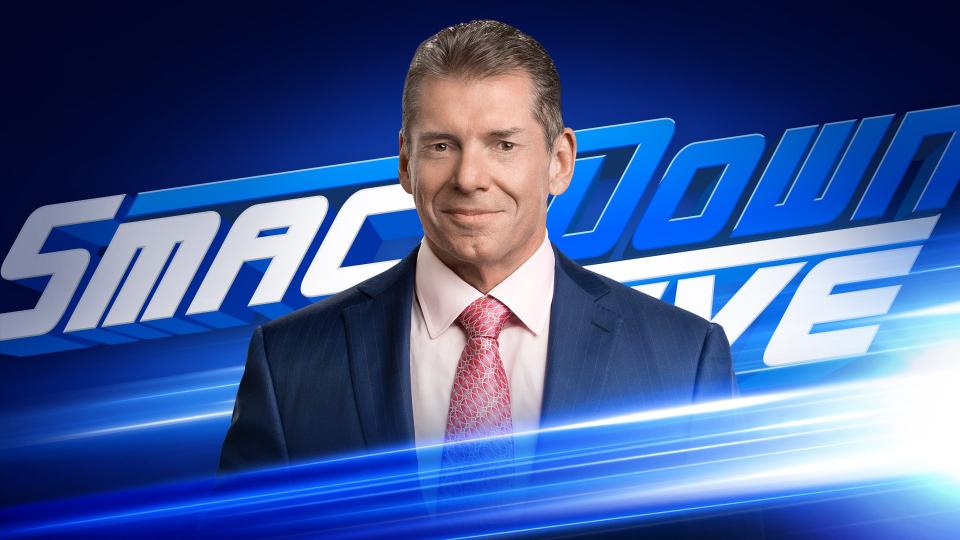
On June 15, 2022, the Wall Street Journal reported that Vince McMahon had paid $3M to a former paralegal - later revealed to be Janel Grant - who had a sexual relationship with both Vince and John Laurinaitis. (The depraved scale of said “relationship” would become grimly apparent in January 2024).
This was the first phase of Vince McMahon’s downfall. In the same article, it was reported that Vince had also entered NDA agreements with further former female talents amid a hailstorm of historical sexual misconduct allegations.
In what was widely perceived to be a wholly uncommitted bid to deflect attention away from the brewing scandal, on June 17, it was announced that Vince had stepped down from his roles as Chairman and COO pending a Board investigation. He remained as head of creative, underscoring how little the corporate move mattered. By 2022, Vince had long ceded control of key high-level corporate responsibilities to the likes of George Barrios, Michelle Wilson and later, Nick Khan.
Vince, a carny to the very end, interpreted the scandal not as something to be ashamed of, but rather an opportunity to pop a rating. It was announced earlier in the day that he would appear live on the June 17 SmackDown.
He opened the show to his ‘No Chance In Hell’ theme. He appeared on the stage with his arms stretched outwards in defiance, soaking up the pop. The fans largely cheered for him. He grabbed the mic and reminded fans of WWE’s signature: Then. Now. Forever. Together.
This was hardly a complex code to solve. Vince told everybody watching that he intended to rule over WWE for eternity, regardless of what anybody thought of him. He felt - and how depraved is this, considering what he was alleged to have done - untouchable.
As he exited through the curtain, Fightful reported, he said “F*ck ‘em”. Before it all unfolded as it should have, Vince twice introduced John Cena on Raw, using him as a shield of sorts. Funny how Cena let him, no?
11. 2023 - TKO Allows Vince McMahon A Position Of Power
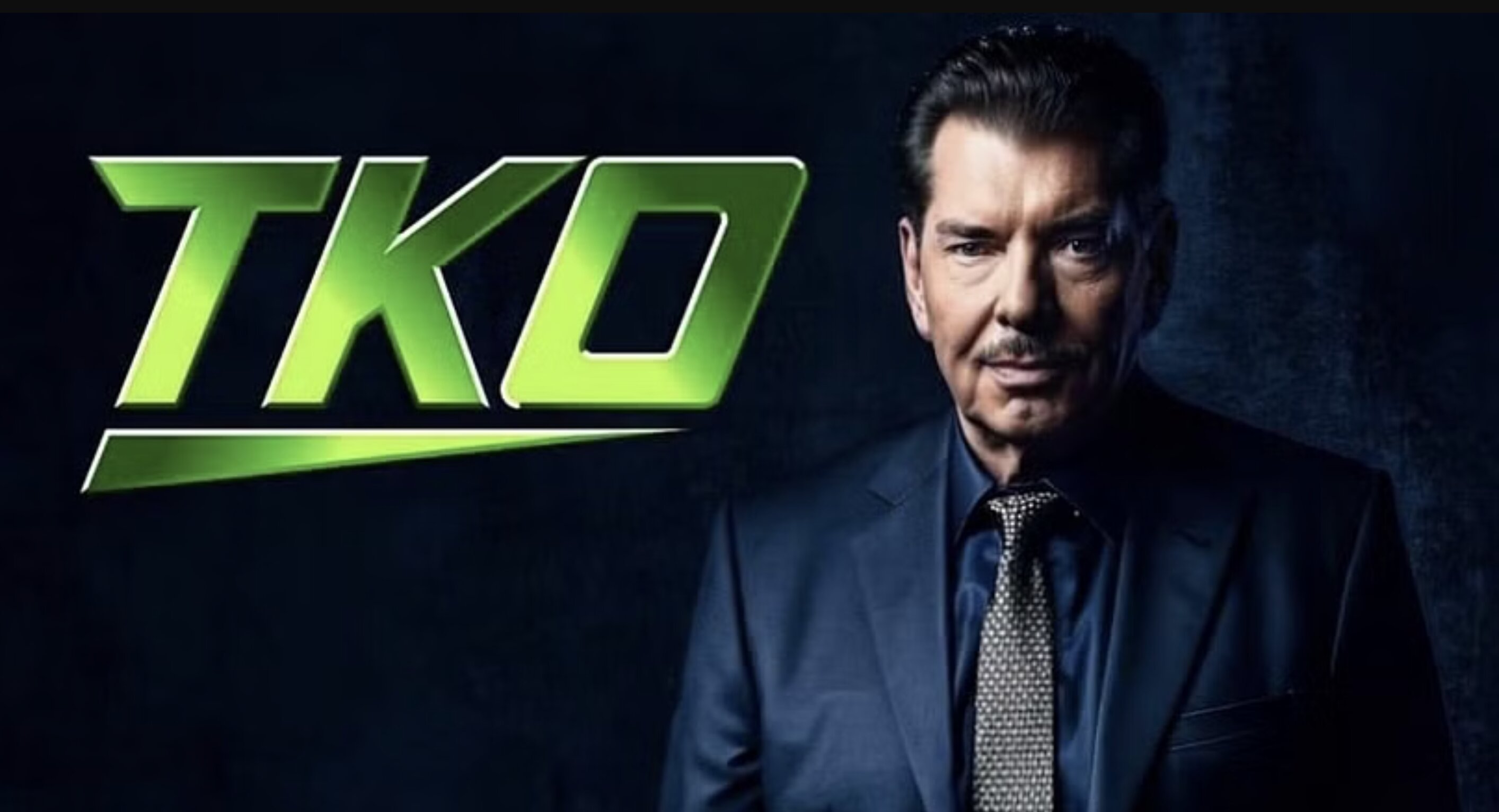
While you’d think he’d have lost any semblance of brain matter, taking a look at his last several years of creative output, Vince McMahon remained shrewd. That, or he was very well-advised.
In a power play cynically (though widely) received as extortion, Vince wormed his way back into the big chair. When he stepped down in 2022, it wasn’t a permanent move, even if he withdrew from his day-to-day responsibilities. He held controlling voting power as the company’s majority shareholder and, on December 31, 2022, wrote to the Board via email to declare that, unless allowed back, he would not approve of any company sale nor new media rights deal. To put it more succinctly: he had WWE by the balls, and he had the balls to no-sell a scandal that got worse for him, and would get worse still.
The “strategic alternatives” he spoke of when mounting his power play resulted in the sale of WWE to Endeavor; WWE, together with UFC, fell under the TKO banner.
Vince was back - and he was heartily, despicably endorsed by Endeavor CEO Ari Emanuel. This was nothing short of one of the best counterarguments to the system of capitalism.
Vince didn’t interfere as heavily as many expected - or dreaded. He did involve himself at times. He made the call to change the finish to Edge Vs. Finn Bálor at WrestleMania 39 in the former’s favour; Brock Lesnar Vs. Omos was a small gift to himself; he was even in gorilla throughout the Raw after WrestleMania, the most heavily criticised WWE show since the summer of 2022.
The “why” is unclear, though it was probably PR-related. Perhaps Vince knew that Paul Levesque’s run as booker was so well-received that he had to wait for signs of decline to swoop in.
Thankfully, Vince was left with no choice but to vanish forever when the reprehensible details of Janel Grant’s lawsuit were made public.
10. 2017 - WWE Promotes Jimmy Snuka As A Hero In Death
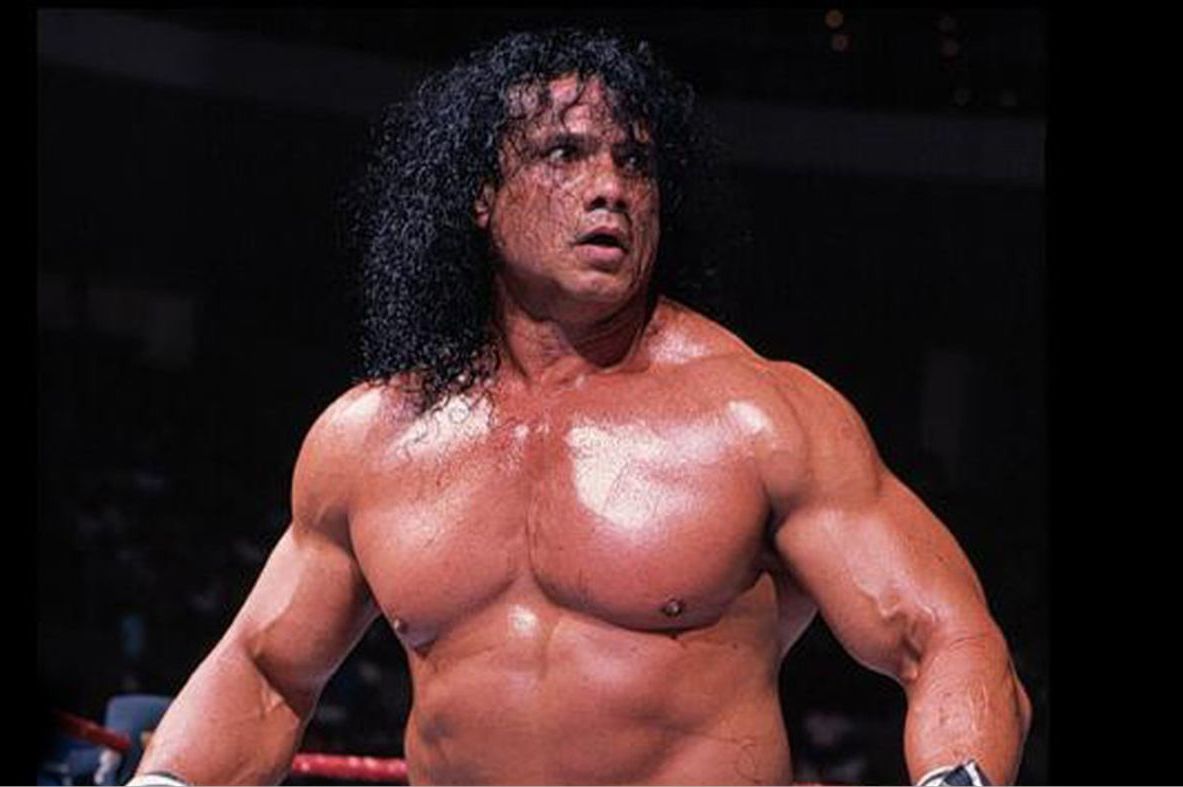
On May 10, 1983, Nancy Argentino died as a result of “undetermined craniocerebral injuries”. During the autopsy, it was discovered that she presented signs, multiple cuts and bruises, consistent with physical abuse.
Her boyfriend, Jimmy Snuka - who had been arrested in January for beating her - was the only suspect in the subsequent murder investigation. He was never brought to justice. Charges were not pressed. Bleak wrestling apocrypha suggests a tale of despicable corruption. Belatedly, Snuka was arrested and charged, in September 2015; by the time he edged closer to the court case, however, an ailing Snuka was deemed unfit to stand trial.
After Snuka died, aged 73, on January 15, 2017, WWE paid tribute to him with a gushing video package. Highlights of his career were interspersed with fawning tweets from Triple H and talking head testimonies from the young wrestlers who idolised him growing up.
When Crash Holly died, on November 6, 2003, WWE didn’t acknowledge it whatsoever.
It’s repulsive, that the age-old pro wrestling mantra - top stars are afforded far more privilege - is true even in death. Holly was a great midcard character for his time, a very fun performer, but WWE couldn’t select a true iconic highlight from his career in order to lionise itself as an epic moment factory, like Snuka jumping off the top of a cage in Madison Square Garden.
So they didn’t bother.
He was not alone in being ignored; this galling lack of respect extended to Chris Candido (Candito), Chris ‘Kanyon’ Klucsarits, and Andrew ‘Test’ Martin, amongst others.
9. 1997 - Vince McMahon Interviews Melanie Pillman
Brian Pillman, a revolutionary pro wrestling mind and one of the most memorable, credible characters ever, passed away on October 5, 1997. He was 35.
He died as a result of a heart attack brought on by a preexisting condition - atherosclerotic heart disease. Oddly, given Pillman’s unreal intake of recreational and pain-killing drugs, no traces of cocaine nor somas were found in his body during the autopsy. Regardless, Vince McMahon was not equipped with all of the facts 24 hours removed from Pillman’s death. Vince McMahon was also keenly aware of Pillman’s crippling painkiller addiction, and sought, in the most unconscionable manner imaginable, to disassociate the WWF from the death of one of its performers.
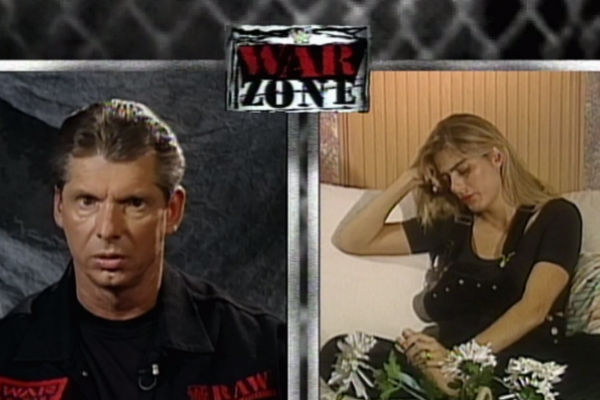
It was awful enough that Vince would interview Brian’s grieving widow Melanie live on television 24 hours later. He actually built up the interview throughout the broadcast, showing pictures from inside the family home, as if it was an episodic show-long hook, like Steve Austin returning from jail or something.
Vince, choosing his words carefully, basically said that Brian ingested too many prescribed pain pills of his own volition, and asked his widow if she’d like to offer any advice to “aspiring athletes” who feel the need to resort to painkiller abuse. Utterly ghastly stuff. This pretext was obscene. As if that’s what a benevolent Vince wanted to achieve.
Watching Melanie’s face twist and contort in anguish and indignation remains profoundly upsetting, all these years later. It is harrowingly obvious to anybody with a shred of empathy that she is deeply uncomfortable with Vince’s line of questioning.
8. 2016 - The Kimbo Slice Vs. Dada 5000 Fight
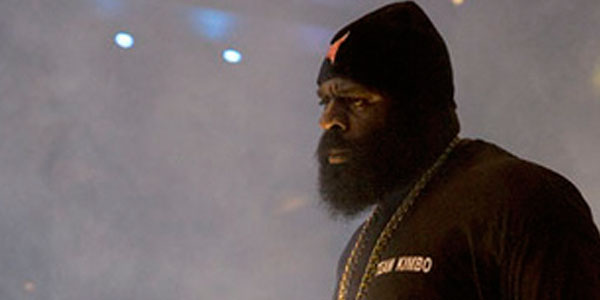
The Observer also covers the world of mixed martial-arts which, being a combat sport, is also disgusting.
The vast majority of readers are wrestling fans, though, which explains why the pseudo-sport dominates the majority of categories.
In 2016, to further build Brock Lesnar as a merciless, invincible killer, WWE had him shoot bludgeon Randy Orton’s skull with the point of his elbow, resulting in significant hard-way blood loss and a concussion. While the charges were dropped, Adam Rose was arrested in May for domestic violence; he sought to monetise this by selling a t-shirt with his mug shot printed on it. Sasha Banks teased retiring in an angle clearly patterned after Daniel Bryan. That was rough.
You’d infer, given strong competition and the relative lack of coverage, that promoting Kimbo Slice Vs. Dada 5000 was very bad. You’d be correct.
Promoted by Bellator, it was put together because Kimbo and Dada, former high school classmates, had both earned notoriety in the backyard brawl circuit - think of it as an inter-promotional dream match of sorts. How ironic.
It was an ultra-bleak spectacle. Neither man was remotely in good enough cardio condition. Dada lost via TKO. It should have been called off far earlier; Dada was unable to protect his face for at least 30 seconds as Kimbo unleashed punch after punch after punch. None were particularly stiff, but Dada was still visibly struggling - from what was thought to be exhaustion and dehydration. It turns out, according to friend Billy Corben, that Dada was in fact dying. His kidneys had shut down.
Neither man had any business being in a professional cage to begin with. Fate was very nearly tempted; Dada entered cardiac arrest backstage, his heart stopped beating, and he was briefly in critical condition.
In a macabre twist, his opponent died months later on June 3, at 42, of congestive heart failure. While pre-fight testing revealed that Slice had no issues with his heart, the result was overturned when it was revealed that he had steroids in his system.
Recklessness of the ultimate, gravest order.
7. 1990 - Jose Gonzalez “Stabs” Atsushi Onita

Jesus Christ.
Atsushi Onita was the founder of Frontier Martial-Arts Wrestling in Japan, and the man responsible for the Exploding Barbed Wire Death match. A born entrepreneur - and carny - he wasn’t athletic nor durable enough to make the grade as a superstar headliner, and besides, his abiding interests lay to the west. A devotee of the Sheik, Onita spotted a gap in the Japanese market for hardcore plunder - a style behind which he could conceal his physical limitations. His mind was also attuned to the cheaper way of promotion.
In 1990, seeking to capitalise on Bruiser Brody’s death, Onita participated in macabre cosplay.
He arranged a match with Jose Gonzalez - the pull being that Brody was beloved in Japan, and Onita had vowed vengeance in his memory - and flew to Puerto Rico to build it up.
Unbeknownst to Gonzalez - apparently - Onita worked his big angle. After Gonzalez left the worked press conference, Onita staged photographs, shot by members of the Japanese press he had recruited, that showed him bleeding from the stomach. In the images, Onita’s head is also bleeding. That is because the shallow cuts he had given to himself had not produced a strong enough visual, so he gigged his forehead and smeared the blood on the white shirt covering his gut.
As hideous as the tactic was, it half-worked. Of course, no match ever took place, and Onita was stigmatised as a scumbag in the aftermath - but this level of notoriety did no harm in establishing FMW as a dangerous, unseemly, and compelling promotion.
6. 1989 - The Jose Gonzalez Babyface Push
Jesus Christ.
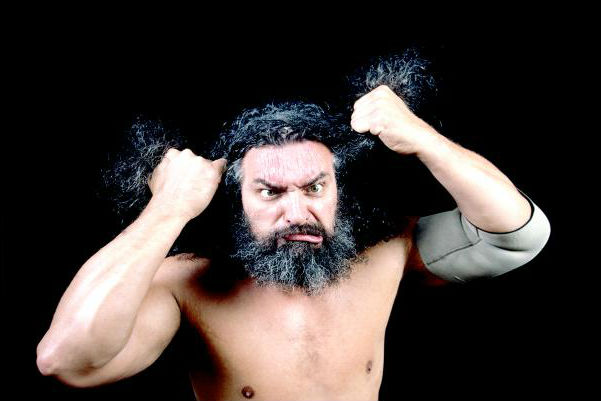
On July 17, 1988, legendary heel Frank ‘Bruiser Brody’ Goodish was stabbed to death in the shower area backstage by Jose ‘Invader I’ Gonzalez - the booker of the World Wrestling Council, and his boss for the night - before a show in Bayamón, Puerto Rico.
Lured there under the pretext of a typical meeting, Jose cut him multiple times in the intestines and liver. Goodish died on an operating bed in hospital hours later. There’s no doubt whatsoever that Gonzalez stabbed Brody to death; he only escaped justice because he claimed he acted in self-defence, and was thus acquitted. The integrity of the court case has been widely disputed in the aftermath.
Every wrestler present at the scene maintains this was premeditated murder. Tony Atlas said, on Dark Side of the Ring, that Jose’s request for a meeting was polite, and that Goodish howled in agony the second he disappeared from view.
The motive remains in dispute, all these years later. They’d butted heads. Brody was Brody, though, and Gonzalez was a booker. This was almost the defining thread of Brody’s career; he outright refused to job during his heyday in Japan, and frequently improvised his own finishes to stay over. S.D. Jones once relayed the story that Gonzalez - after taking a severe in-ring beating at Brody’s hands in a match years prior - said “one day, I’m going to kill that man”. (Dave Meltzer, per the September 24, 2018 Observer, believes that story to be exaggerated.)
Under a year later, Invader I was back, working for the same promotion - as a babyface. The death of his child, six months before the night of Brody’s stabbing, was played up in a bid to garner sympathy on his behalf.
Gonzalez was back as the booker before the trial, and presented himself as the returning, exonerated hero who captured championship gold on his first night back.
5. 1985 - Using Mike Von Erich’s Near-Death To Sell Tickets
There is no scale to the Von Erich family tragedy - a tale so unremittingly awful that it broke an unwritten role of cinema. More often than not, when dealing with a story based on true events, Hollywood will embellish it for dramatic effect. The climactic events of ‘Argo’ went far smoother in real life. In both ‘Titanic’ and ‘The Imitation Game’, historical figures were falsely depicted as villains.
Conversely, the Von Erich tale was so overwhelmingly and frequently devastating that ‘The Iron Claw’ writer and director Sean Durkin felt he had to omit the story of Chris Von Erich. The film was dialled-back.
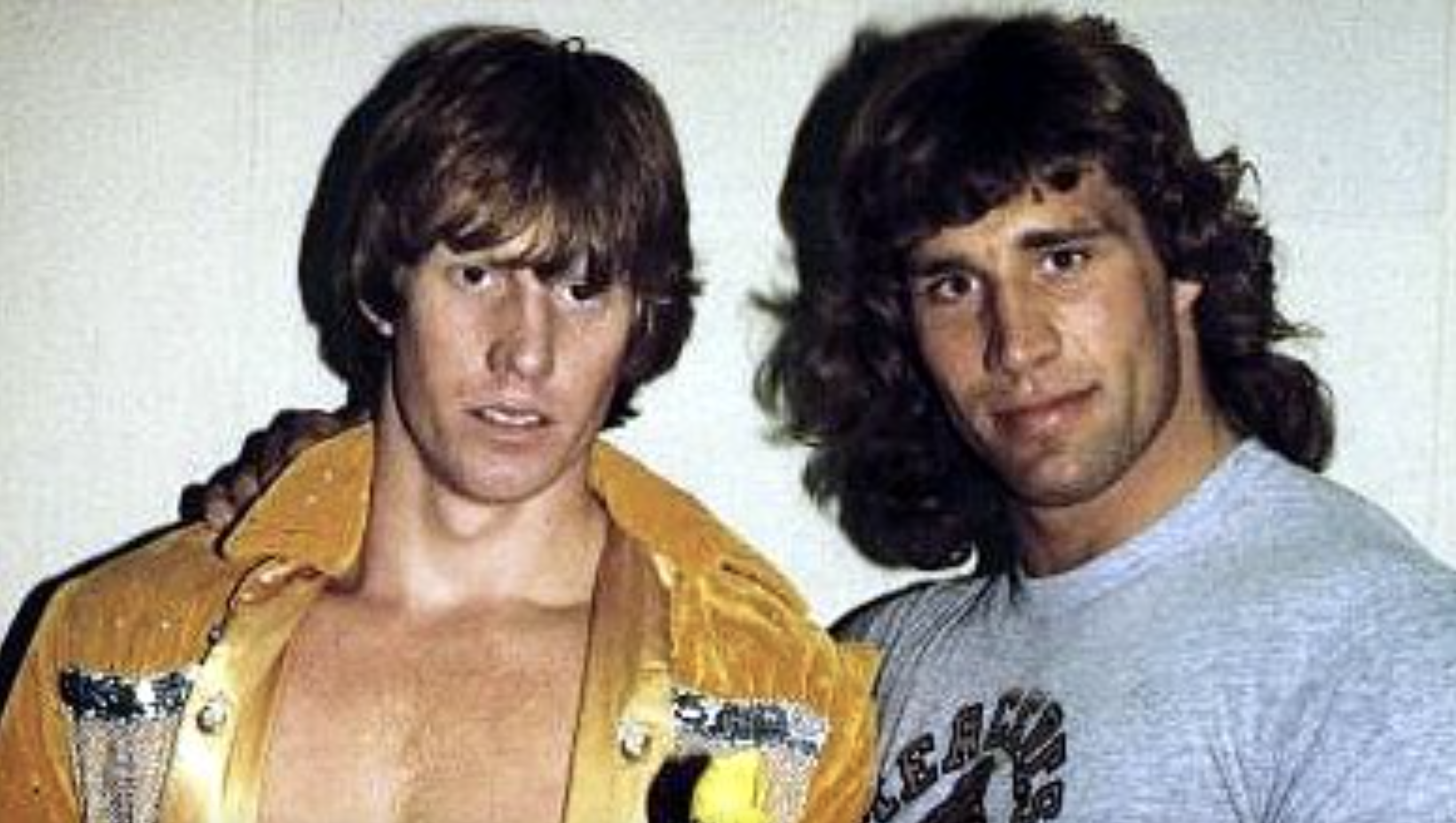
There’s a different tenor to Mike’s story, not to undermine the others, in that Mike wasn’t really built for nor devoutly interested in the wrestling game. He felt the pressure of the business and the family’s legacy bearing down on him after his brother David had passed away, aged 25, on February 10, 1984. In August ‘85, Mike suffered toxic shock syndrome and, subsequently, brain damage. He was never the same; in a taped press conference broadcast from the Baylor University Medical Center early into his recovery, his speech was slurred and he had difficulty gathering his thoughts and focusing his eyes. In a gross bid to capitalise on his condition, Mike was promoted for an upcoming major show at the Cotton Bowl stadium to, in the words of his brother Kerry, “thank the people in person”. This was ultra-grim pretext to sell a few extra tickets, preying on morbid fascination as much as his concern for his wellbeing.
Mike’s recovery was framed by WCCW as a “living miracle” to its deeply religious heartland audience; in reality, the recovery was minimal.
4. 1987 - Exploiting The Death Of Mike Von Erich
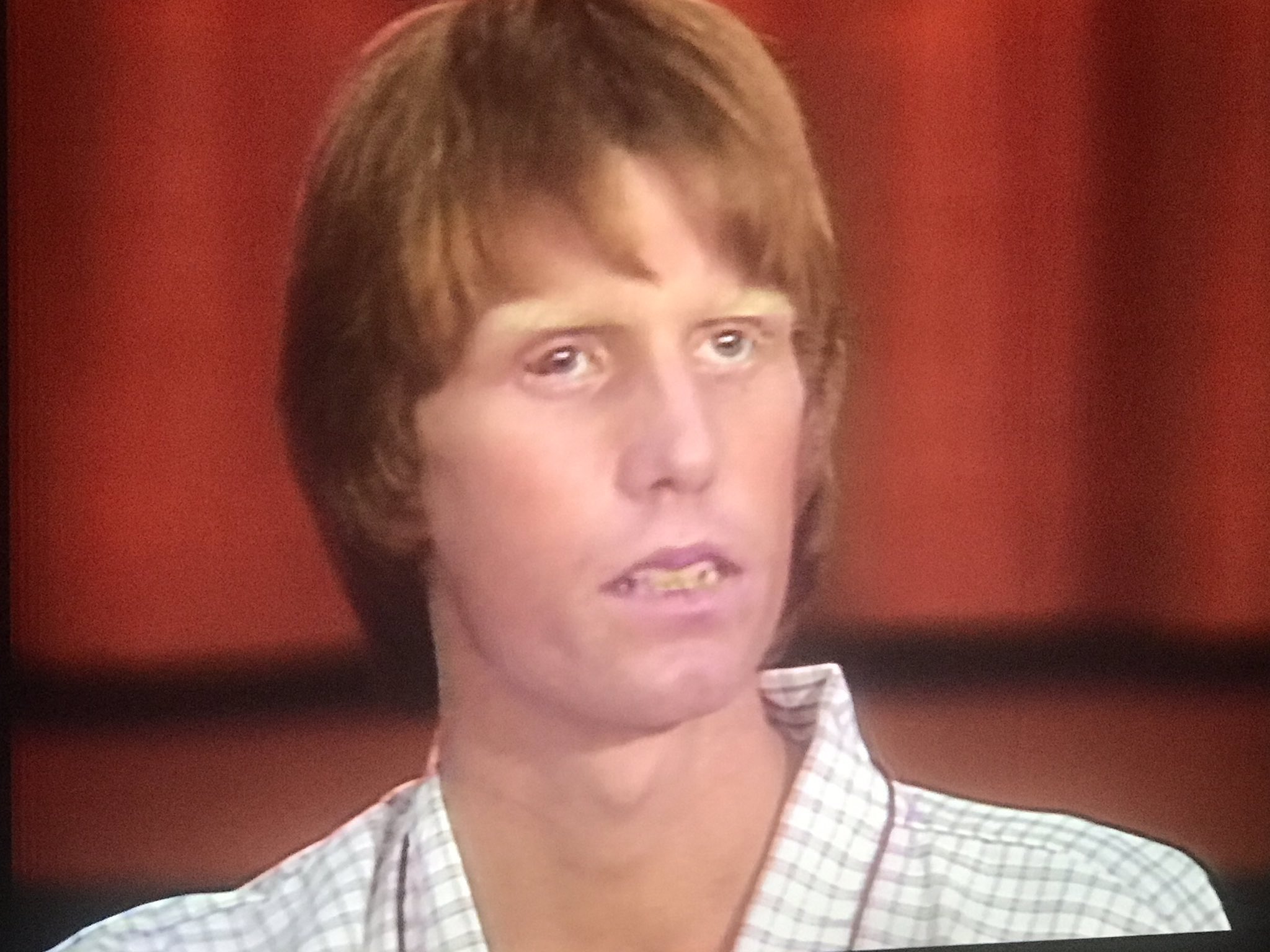
Mike Von Erich didn’t have it in him, physically, to star in the wrestling business. He wasn’t a great athlete; he was a more sensitive and creative soul with an interest in music.
He was put back in a ring, in July 1986, even though he hadn’t recovered. Depressed at his fate, and his inability to reverse business, he was arrested multiple times before, on April 12, 1987, taking his own life via intentional drug overdose. He was just 23 years old.
Fritz’s carny impulses drove him to get ahead of the real story, in a bid to garner sympathy and preserve the idea that the Von Erichs were good old, clean-living all-American boys. Before Mike’s suicide was reported accurately by the media, astonishingly, Fritz had conceived the idea to pretend that Mike had been kidnapped, shrouding the cause of death in mystery.
The annual Parade of Champions Memorial show, initially promoted to lucrative success as a means of paying tribute to David, was already rotten. Surely, one was enough. The 4th (!) edition was expanded to include Mike. The idea of the show was gross enough; the tone of it was utterly bleak. You’d have expected some stripped-back pure wrestling. It was not the time for gimmicks. Promoting gimmick matches on such a card would suggest that Fritz was chiefly interested in shifting some tickets.
On Mike’s memorial show, Fritz booked a lumberjack and scaffold match, and, worse still, a six-woman Mud Pit match designed to titillate a grieving audience. Utterly disgusting.
Moreover, with business plummeting, Fritz charged extra for VIP tickets.
3. 1988 - Fritz Von Erich’s Fake Heart Attack
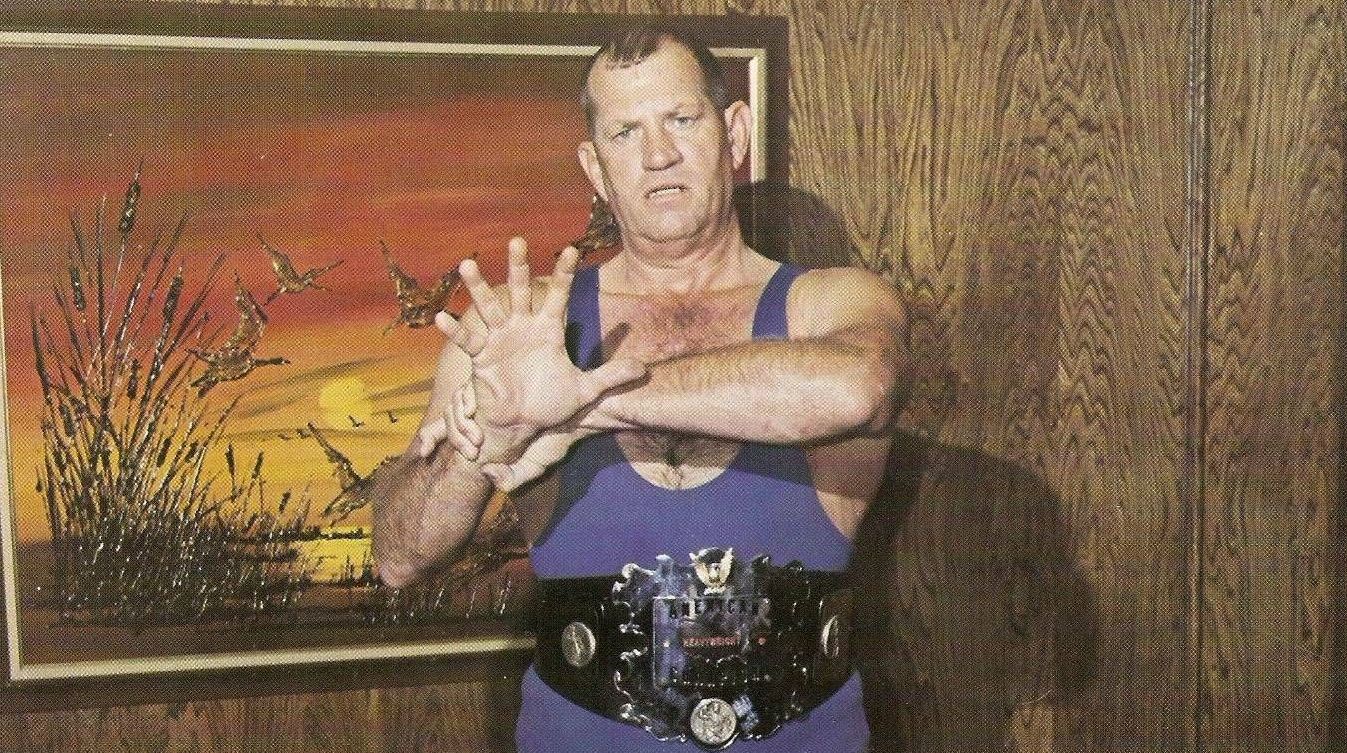
When you write a long list like this, based on the same topic, you eventually run out of synonyms that adequately capture the gravity of wrestling’s awfulness. Ghastly. Exploitative. Abhorrent. Evil. Despicable. Loathesome.
What word best conveys how awful it was, when Fritz Von Erich faked a heart attack?
By 1988, a Von Erich family tragedy - a real one, the serious illness or death of a young man - essentially became WCCW’s big annual show. Fritz had lost his creative fastball, but, since it was so feasible and there was such real-world precedent, he could always depend on disaster.
The problem is that the curse had spared him for a while. What was he to do? Nobody had died for real. Better use the sympathy generated by his grief to con the public.
These were his own sons, and he used the “not again…” trauma felt when they had passed in order to book a believable wrestling angle. This happened on Christmas Day, 1987, when, following a steel cage match, he was beaten down by the retooled Fabulous Freebirds before collapsing. An angle featuring the same stipulation and the original stable had sparked the World Class boom back in 1982. This amplified the bleak quality of the tactic; this was Fritz Von Erich playing the hits - and one of them was tragedy.
In a bid to quell the backlash, Kevin Von Erich revealed on the next show that his father had not actually suffered a heart attack, an explanation he has maintained since, but the fans in Dallas sensed the implication.
Worse still, depending on whether the weekly Friday show had drawn a decent crowd, Fritz’s condition would worsen. If it was a bad gate, he’d suddenly feel worse.
2. 2018/2019/2024 - WWE Performs Propaganda For The Kingdom Of Saudi Arabia
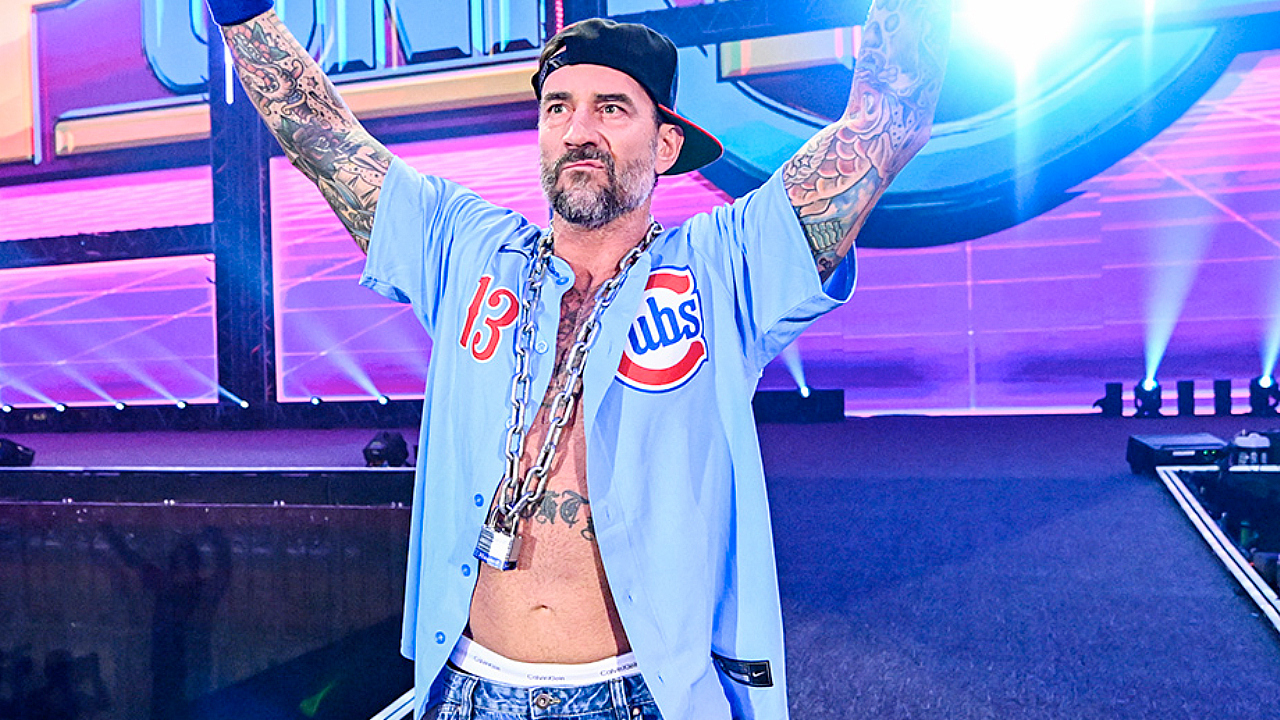
A perennial and richly-deserved award winner, the vote reflects how we should never forget the ugly nature of WWE’s relationship with the Kingdom of Saudi Arabia.
The idea, ongoing since 2018, is to portray Saudi Arabia as a “progressive” country, fairly ruled, and sports-wash away its reputation as a murderous regime. This is rather difficult, when Saudi won’t cease the murdering.
In the very month this copy was written - June 2025 - the company’s Ministry of Interior announced that it had executed journalist Turki al-Jasser on grounds of “high treason”. The journalist had been detained for seven years and denied legal representation for reporting on allegations of corruption within the royal family. This of course followed the gruesome murder and dismemberment of dissident journalist Jamal Khashoggi, justice for whom never followed, who disappeared in Istanbul’s Saudi consulate on October 2. WWE presented the Crown Jewel pay-per-view a month later.
The thing is, sadly, it is easy to forget. Yes, the propaganda exercise receives a lot of votes - but what does that mean, really?
Nothing.
The sportswashing exercise has worked. The Saudi shows have been normalised; people are now calloused to it. There is a finite amount of awful things we can deal with before taking any more psychic damage. Our brain almost defends itself from this sort of thing eventually.
WWE was ghoulishly smart. The approach was insidious. If a full-scale rejection or protest was ever likely, it might have happened had the operation launched with WrestleMania. That would have been sacred. It didn’t; the first “Saudi show” was Greatest Royal Rumble, an outwardly daft event you were not meant to take too seriously. Then, over time, the canon events entered the schedule as your raw feelings hardened in parallel. A Big 4 PLE is set to debut in the Kingdom in 2026. WrestleMania is inevitable; by the time it happens, it will feel normal.
This is legitimately one of the worst things WWE has ever done - but at this point, what can you do?