20 Most Unsung Heroes In Wrestling History
Guys who really never got the respect they deserved.
20. Tyson Kidd
19. Dean Malenko
18. Nova/Simon Dean

17. Christopher Daniels
16. Matt Osborne
15. Gabe Sapolsky
https://www.youtube.com/watch?v=D26jjw-7hhE Paul Heyman's right-hand man in ECW. Co-creator and co-founder of Ring Of Honor. Head Booker for Ring Of Honor, taking them to the top independent promotion in the world. Vice President of Dragon Gate USA. Co-founder of EVOLVE Wrestling. That's quite the list of accolades for someone who doesn't have a mainstream "name", but he has been plugging away for 20 years now, making big moves and setting himself apart. As the co-founder of Ring Of Honor, many in the IWC should shake his hand, as many of the internet's favorite wrestlers may not be known today without him and his promotion. His cutting edge booking style won him praise left and right, including by the Wrestling Observer Newsletter, who voted him Best Booker for four consecutive years in the mid-2000s, when RoH was putting on some of the best overall product, from top to bottom, that many people had ever seen. When asked for honesty, you might hear a lot of people tell you that hiring Sapolsky would have been all TNA needed to do save themselves from swirling down the toilet. Sapolsky left Ring Of Honor in October 2008, and could have been given an impressive roster to work with in TNA at that time. We'll never know what would have happened, of course, but it's fun to think about.14. Chris Kanyon
13. Goldust
12. Tully Blanchard
11. Bam Bam Bigelow
10. Barry Horowitz
9. Tod Gordon
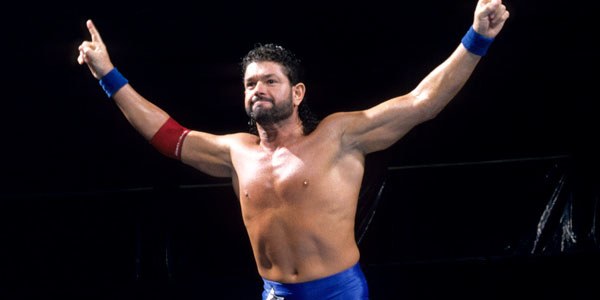
 When it comes to the success of ECW, of course everyone looks to Paul Heyman, who shook up the entire wrestling world in the 90s with his inventive ways and being the on-screen persona of the product that was so revolutionary and in-your-face. While Heyman deserves every bit of praise he gets for ECW, it's Tod Gordon who is usually overlooked. Gordon founded the original ECW, back when it was Eastern Championship Wrestling, and was there when the company broke away from the NWA and was re-branded as Extreme Championship Wrestling. Gordon brought Heyman in as the lead booker, and they concocted a plan to have Shane Douglas throw down the NWA Heavyweight Title belt and declare the Eastern Championship Wrestling Title as his new belt. The company left the NWA umbrella and became their own entity. Gordon would continue to own ECW for two years, before selling it to Heyman, and then staying with the company for a while in an on-screen authority figure role. Under the helm of Heyman, ECW reached the highest heights it would reach, but without Gordon's vision, the original ECW may have been just another NWA promotion that failed to get with the times and would ultimately have no choice but to fold as their fans looked elsewhere for "cool" trends.
8. Jim Johnston
7. Bill Watts
6. Bobby Eaton
5. Ricky Morton
4. Billy Robinson
3. Vince Russo
2. Toots Mondt
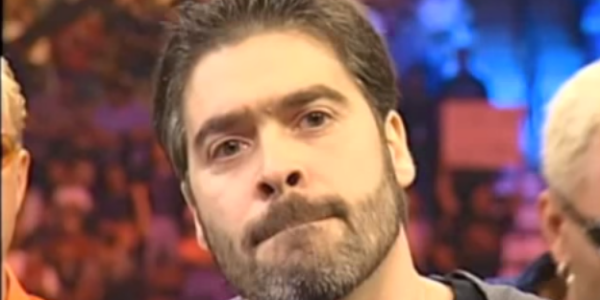
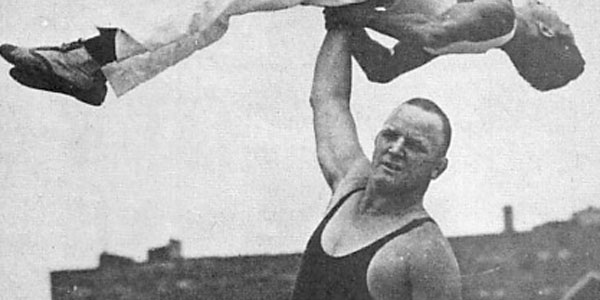 When you think of the company known today as WWE and all of its former "versions", the one name you immediately think of is McMahon. Jess McMahon co-founded what you all see today, and when he passed away, his son, Vincent James McMahon, was brought in, and Vincent J. McMahon was, of course, followed by his son, Vincent Kennedy McMahon. However, the one name you don't hear about in the history of the company is Joseph "Toots" Mondt, who co-founded the company with Jess McMahon. Together, they formed the Capitol Wrestling Corporation, joining the NWA in 1953. A year later, Vincent J. McMahon was brought in after his father passed away, and after nearly a decade of successful promotion throughout the Northeastern United States, Mondt and McMahon formed the World Wide Wrestling Federation in 1963. Although Mondt would step down only a few short years later, his contributions to the company, and to wrestling, in general, cannot be denied. It was Mondt who teamed with Ed "Strangler" Lewis and Billy Sandow to change the way pro wrestling was presented. Before Mondt, wrestling matches had no time limits, and would often go on for hours on end. He created the combination of Greco-Roman and freestyle wrestling in a boxing-style ring that we see today. He also took wrestling events out of burlesque halls and had them take place in larger, more important venues from city-to-city. With the financial backing of Bernarr McFadden, Mondt was able to start booking shows at New York's Madison Square Garden, which would go on to become the WWF's "home venue", of sorts, for decades to come. He also helped to create wrestling stars such as Bruno Sammartino, Antonio Rocca, "Cowboy" Bill Watts, Stu Hart, and many more. Unfortunately, the ahead-of-his-time nature that he showed in creating all of these things didn't evolve, and once the sport began implementing television more and more, he couldn't keep up with the times. A severe addiction to gambling ended up costing him his ownership, as Vince Sr. became increasingly frustrated with his business partner and ended up muscling him out of his spot, buying Mondt's share of the company from him. By the time Mondt passed away in 1976, he was completely broke, having blown all of his money at race tracks through the years. Perhaps it's the way his time in the business (and in life) ended that has caused his name to slip through the cracks, but without what Toots Mondt brought to the business, pro wrestling as we know it today might be a vastly different product, and he deserves to be remembered for that.
1. Gorgeous George
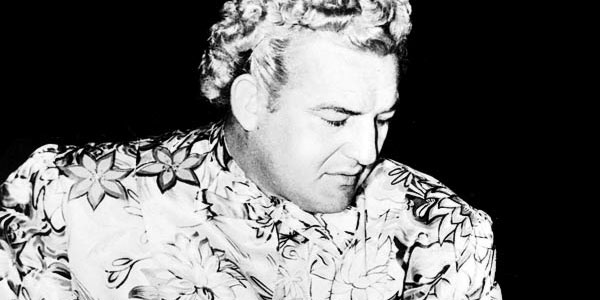 During what was dubbed the "First Golden Age Of Professional Wrestling", there was no bigger star and attraction than Gorgeous George. His character was flashy and over-the-top, which really stood out back in the more serious era. Wearing extravagant capes and robes to the ring was something that he didn't invent, but he took the idea to another level and received attention for it from wrestling fans and from the burgeoning wrestling media. His behavior was viewed by many at the time as "effeminate", and this made him a despised heel, as men all across the country wanted to see him get what they felt was coming to him. After dying his hair platinum blonde, he would come to the ring to the sounds of "Pomp and Circumstance" as a purple spotlight followed him, becoming the first wrestler to have an entrance theme. He had his own red carpet that he would walk on, as his personal assistants would throw rose petals at his feet and would carry a large mirror for him to admire himself in. He wouldn't even allow referees to touch him and check for foreign objects until they had been sprayed with "disinfectant". All of it might not sound too crazy in 2014, but in the early-1940s, he might as well have been coming to the ring inside of a UFO. "Win if you can, lose if you must, but always cheat" became his motto, and cheat he did. At a time when heels and faces were vaguely defined, George was a clear heel, cheating at every possible turn. The term "chickenshit heel" is used today to describe a lot of heels and their style, but George was the first one that wrestling had ever seen. His showmanship was unmatched, and everyone had to see his act, whether in person or in the early stages of wrestling on television. With television, George became one of the biggest celebrities in the world, and not just in wrestling. His flamboyance was tailor-made for television, and it showed. In the 1950s, George was making over $100,000 a year, which made him the highest-paid athlete in the world. He single-handedly changed the sport, taking it from 100% in-ring performance to what we see today, with color, characters, and theatrics. His influence stretched far beyond the world of wrestling. James Brown and Muhammad Ali are both on-record in saying that they modeled their "gimmicks" after George. Bob Dylan said that a meeting with George was "all the recognition and encouragement I would need for years". Elton John, Liberace, and Little Richard have all "borrowed" from the Gorgeous George character with their live acts. In wrestling, people like "Superstar" Billy Graham, Buddy Rogers, and Ric Flair owe just about everything they've been to George's character. We will probably never see anything like the changes that George brought to the business again. For the heights that he reached all on his own, and for the continued influence that he has 70+ years later, he gets the top spot here.