10 Things WWE Wants You To Forget About NXT

Is promotion to the main roster really a move in the right direction?

As badly as things have been lately, WWE deserves a bit of credit. Despite frequently (and rightfully) accused of being out of touch with what fans want, the company's decision-makers have managed to create a separate brand with an independent, cutting-edge feel - and the results have been amazing. Since debuting (and especially since getting airtime on the WWE Network), developmental brand NXT has become a phenomenon among wrestling fans, selling out arenas and introducing its own standard for in-ring action. Later this month, the brand will be embarking on its first-ever UK tour, complete with a live TakeOver special from London. Add that to the imminent television debuts of former independent talents Rich Swann and Biff Busick, and the future looks bright for NXT. Still, things aren't perfect - over the course of its short history, NXT has faced some serious issues. Some have been all but swept under the rug, while others are persisting headaches which WWE simply hopes fans won't notice. Yes, NXT's product is simpler, smarter, and better than WWE's, but it's still got problems - some of which are even caused by being simpler, smarter, and better. Here are 10 things WWE would rather you forget about while watching NXT...


10. Renee Young Was Better On Commentary Than The Current Announce Team

Despite the vast differences between the brands, it never hurts to remind oneself that WWE and NXT are ultimately run by the same people with the same preferences. To that end, it's no surprise that NXT boasts a bland, homogenized style of commentary, just like Raw - and just like the main show's team, NXT's has suffered from inexplicable changes for the worse. When the show first debuted on the WWE Network, Renee Young was among the commentators - and she was quite good at her job. It was a refreshing change to see a woman get a chance behind the booth, and Young proved to able to tow the company line while keeping things interesting. Rumors began to circulate that she was being groomed to someday take over lead play-by-play duties for Michael Cole, but at the beginning of 2015, she was inexplicably removed from commentary. The current broadcast team doesn't match up.

9. Too Many Talented Wrestlers Never "Graduated"
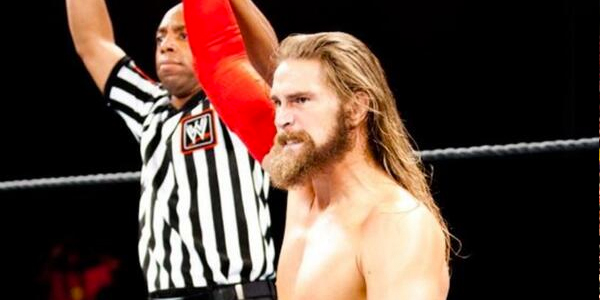
With the shape of independent wrestling changing, WWE has had to shift its priorities somewhat - today's up-and-coming talent shows that there's more of a premium on skill than on look or size, and fans have been responding well to that. In turn, WWE has been giving developmental contracts to wrestlers they might not have considered in previous years. Unfortunately - and as proven by Solomon Crowe's recent departure from the brand after two years of general inactivity - sometimes skill still isn't enough, and an NXT contract doesn't guarantee anything. In addition to Crowe, one of the most glaring examples is Kassius Ohno. Known as Chris Hero on the indies, Ohno was signed by WWE in 2012 and became part of NXT's inaugural roster. Ohno drew rave reviews for his ring and microphone work - so much so that CM Punk suggested he be made part of The Shield. WWE chose Roman Reigns instead, and Ohno moved into an acclaimed feud with William Regal. Still, after rumors that the company was displeased with his appearance, Ohno was fired in November of 2013. More recently, independent standout Willie Mack was signed to NXT, but was fired before making his in-ring debut.

8. The Fans Are Annoying

Mick Foley recently made news with a tweet that seemed hostile toward the very same people who made his career - wrestling fans. In the brief missive, Foley accused NXT's live fans of thinking the show is about them, disrespecting the wrestlers, and ultimately, making the product less fun to watch. Foley's comments may not have been popular, but he's absolutely right. Over the past decade-plus, independent wrestling fans have tried to make themselves part of the show, chanting and yelling ironic, ridiculous, and even offensive things. While main WWE shows haven't been safe from that sort of behavior, it's far more noticeable in NXT, which draws the same fans to the same small arena for TV taping after TV taping. These postmodern wrestling fans may think that they're simply engaging with the product in a vocal way, but it's all to NXT's detriment. At best, the emotional impact of matches and angles is lessened by the self-congratulatory "humor," and at worst, fans with brains start to wonder why they even bother with this stuff.

7. Bo Dallas Was NXT Champion

NXT has gotten a reputation over the past couple of years as a workers' paradise, where world-class independent and international talents are scouted, pushed, and allowed to have fantastic matches. The most talented men and women in wrestling are groomed to take over WWE, which leads to a strong developmental territory. That may be true, and undoubtedly the past several NXT Champions - Finn Balor, Kevin Owens, Sami Zayn, and Neville - speak to that belief. It's not completely accurate, though - as fans who followed NXT before it debuted on the WWE Network can attest, early champion Bo Dallas isn't quite on the level of those men. To be fair, Dallas, while not world-class, isn't a bad worker - he's just floundered terribly on the main roster. While his NXT matches and character work were far superior to what he's done in WWE, the strength of his work since making the main stage doesn't do much for the reputation of the NXT Championship.

6. NXT Arrival Suffered From Technical Difficulties
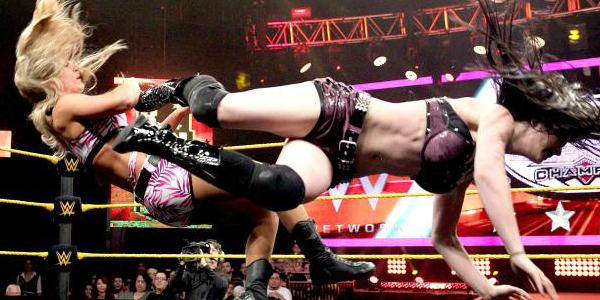
The WWE Network launched in February of 2014 with promises of a revolutionized wrestling-watching experience. Not only would there be thousands of hours of streaming content available, but the service would also host live shows - and the first would be February 27's NXT Arrival. The show got good reviews, but that praise only applied to the parts that fans were able to see. With the Network in its infancy and bugs running rampant, many fans reported technical difficulties - or a complete inability to see parts of the show. The most common complain was that during the penultimate match - a Xavier Woods-Tyler Breeze encounter - the feed cut out, leading to thousands of fans being unable to watch the show's main event. That bout saw Neville win the NXT Championship from Bo Dallas in a ladder match, an emotional victory that more fans should have witnessed.

5. Success In NXT Doesn't Guarantee Anything

Strangely enough, one thing that's become clear since the rise of NXT is that Triple H doesn't wield as much power in WWE proper as people thought. "The Game" is head of creative for the developmental territory and has largely chosen to book the company around great workers, hiding their weaknesses and promoting their talents. Once they get to the main roster, though, they aren't booked with the same level of care. Former NXT Champion Kevin Owens debuted in WWE with a huge victory over John Cena, but subsequent losses to Big Match John dulled his edge and left him firmly in the midcard. The Lucha Dragons debuted on Raw to fanfare the night after WrestleMania 31, but have since struggled. Still, no fall from grace has been as pronounced as that of Neville. The longest-reigning NXT Champion ever, Neville also debuted the night after WrestleMania, and before long, his win-loss column started to look lopsided. He failed to defeat Bad News Barrett in the King of the Ring tournament, then spent months in a feud with Stardust. Today, the ultra-talented grappler is largely directionless, with many believing that his size has hurt him. It didn't in NXT, but WWE is a whole different place.

4. The System Doesn't Create Good Workers

It's impossible to talk about NXT without mentioning the amazing talent that's worked for the brand. Apollo Crews, Samoa Joe, Sami Zayn, Sasha Banks, Kevin Owens, Charlotte, Hideo Itami, Bayley, Kalisto, Neville, Becky Lynch, and current champion Finn Balor have produced matches that stand beside - and often completely overshadow - anything that the main roster produces. Those men and women will (and in some cases, already do) produce the same kind of work on the main roster, if allowed to do so. Still, those are only a handful of workers, and with the exception of Charlotte, they all have one thing in common - they developed their skills elsewhere. Most of them, especially the men, were considered among the most talented wrestlers in the world before ever being signed... and the rest of NXT's roster is less impressive. WWE has made much of its state-of-the-art Performance Center in Orlando, which trains wrestlers for the NXT brand, but the Performance Center/NXT system has yet to create any capable workers beyond Charlotte and Chad Gable. Men like Enzo Amore and Baron Corbin, who were trained from scratch by WWE, aren't known for their in-ring abilities, while experienced workers like Blake and Murphy or Dash and Dawson haven't managed to find their personalities. WWE has the money to sign the world's best talent, but their ability to create it is still unproven.

3. It Used To Be An Awful "Reality" Show

NXT has been WWE's developmental territory since 2012, but the name first came into use two years earlier. When WWE decided to end the revived ECW brand in early 2010, they filled the hour-long slot on SyFy with NXT - a show that was supposed to be part in-ring action, part reality-based competition, and all focused on finding WWE's next major stars. The format of the show saw a "rookie" - one of the developmental wrestlers from Florida Championship Wrestling - team with a WWE main roster "pro," with eliminations leaving one rookie as the winner. Fans were excited for the debut of independent star Bryan Danielson, but they saw his pairing with The Miz as a disrespectful sign of WWE flexing its muscle. That wasn't the worst of it, though - the show was complete nonsense, with wrestlers judged as much on ridiculous contests (like carrying a keg or cutting a 30-second promo on a given word) as their actual capabilities. There were five seasons of this format - with the final one lasting for well over a year - before WWE ended the concept and put the letters to better use.

2. Head Trainer Bill DeMott

Despite the fact that he never had much sustainable success of his own, WWE decided to hire Bill DeMott to teach its developmental talent how to be superstars. He worked for the Deep South Wrestling territory from 2004 until 2007, being released amidst wrestlers' complaints over his abusive behavior. Nevertheless, DeMott was rehired in 2011, and when NXT was created the following year, he was made the head trainer. Similar complaints regarding DeMott popped up during his second tenure, with wrestlers describing incidents where the trainer made racist and homophobic comments toward them and others, threatened students with a gun, and physically assaulted trainees. In early 2015, the allegations began to gain more media traction and DeMott, despite denying them, resigned from WWE. Given his history and the complaints against him, WWE had no right to pretend to be surprised by the accusations. Nevertheless, they kept him employed until they got caught.

1. It's A Lot Better Than The Main Product
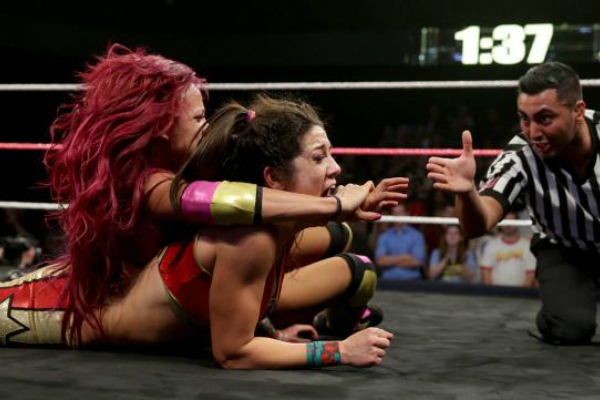
For all of its problems - past, present, and future - NXT's on-screen product remains strong. That may be the most damaging thing about it. With one well-booked hour of television a week, the developmental brand manages to outdo WWE's main programming consistently. While fans trudge through three hours of Raw (and the particularly masochistic add Smackdown to the mix), NXT is a welcome departure, making its point quickly and leaving fans hungry. The two-hour NXT Takeover specials are also shorter than Raw, and accomplish much, more more. Of course, NXT's strengths aren't limited to its brevity. The company pushes great workers, builds intuitive and compelling programs, and delivers classic matches - all on a regular basis. While WWE struggles to create a single new interesting, well-booked star, NXT does it month after month. It's clear there's a lot WWE's creative team can learn from NXT's - the members just aren't willing to do it. It's obvious to any fan who follows both products, but WWE hopes that we forget our complaints, shut up, and turn on the TV.

Contributor
Contributor

Scott Fried is a Slammy Award-winning* writer living and working in New York City. He has been following/writing about professional wrestling for many years and is a graduate of Lance Storm's Storm Wrestling Academy. Follow him on Twitter at https://twitter.com/scottfried. *Best Crowd of the Year, 2013