10 Things We Learned Jim Cornette's WCW 1989 Timeline Kayfabe Commentaries Shoot

What revelations did the infamous manager have whilst exploring WCW in 1989?
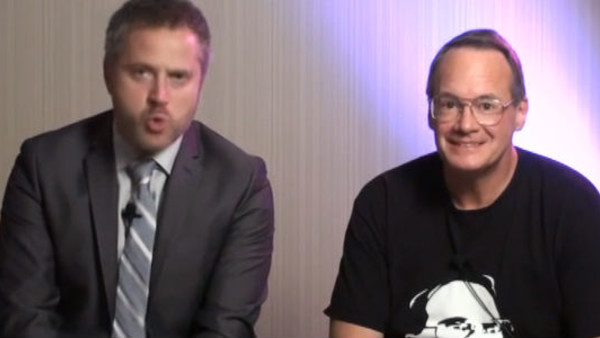
Tune into or read an interview with Jim Cornette, and wrestling fans know exactly the kind of thing they're going to get. Ever a fascinating guest, Cornette is consistently outspoken regardless of the subject, and that's why he's so popular on various podcasts and 'shoot interview' releases. Kayfabe Commentaries have been acclaimed for producing some of the best shoot interview footage of all time. Host Sean Oliver is a likeable character in his own right, routinely building up a degree of camaraderie with his guests and really helping make them feel at ease throughout the interview, something which only leads to them being more open than they might be with others. In 1989, World Championship Wrestling was on the cusp of something new. Up until that point, the promotion were pretty much known as the NWA, sitting alongside the more glitzy WWF as a true alternative. Normally regarded as much more of a wrestling product (rather than 'sports entertainment'), the NWA name would give way to WCW in late-1988 and into 1989, as media mogul Ted Turner tightened his grip on the company.
That year and that promotion is the focal point for a timeline review from Kayfabe Commentaries, and this list explores some of the different things fans can learn from Jim Cornette on the presentation.

10. The Midnight Express Were Viewed As Too Highly Paid By 1989
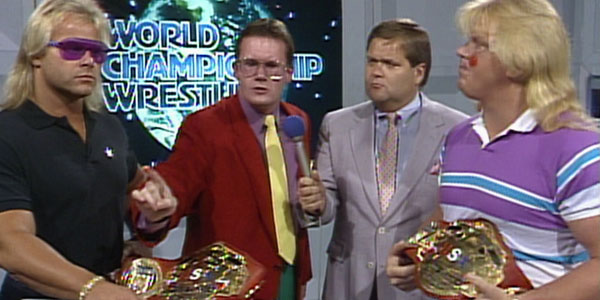
When longtime wrestling fans look back to the decade of the 1980's, The Midnight Express are one of the tag-teams that routinely crop up as one of the best of that era. One of more famous incarnations was Bobby Eaton and Stan Lane, a tremendous duo managed by the loudmouth James E. Cornette. Running riot in the NWA, the tandem would also feature in the new WCW of 1989, but it almost wasn't to be. According to Cornette, it was when the company morphed from NWA into full-fledged WCW that things started to cool off for The Midnight Express, mainly because new management felt the team were earning far too much money. Right up there with the likes of Lex Luger, The Road Warriors and Sting as the top earners - due to the fact they'd been a hot ticket since their arrival in the territory a few years earlier - Eaton, Lane and Cornette were all offered substantially less money by the incoming Jim Herd. Despite drawing big houses for their matches just the previous year, The Midnight Express and their manager weren't really what new officials envisioned as top stars, and they couldn't fathom why these smaller men were being paid the big salaries they were.

9. WCW Put A Match On After Flair vs. Steamboat At The Chi-Town Rumble
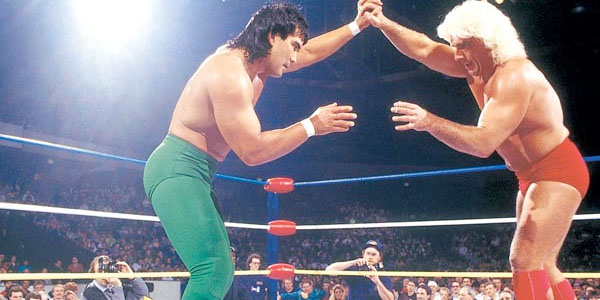
Widely regarded as one of the most classic series of matches ever, the collection of collisions pieced together by Ric Flair and Ricky Steamboat in 1989 remains a vital reason to check out the NWA/WCW from that era. Talk about poetry in motion, these guys had chemistry coming out of their ears together, and it made for some absolutely enthralling, classic-style pro wrestling. No bells and whistles were really needed, wrestling fans just wanted to see Flair and Steamboat get inside the ring and work against one another, because they always crafted sheer magic. At the Chi-Town Rumble Pay-Per-View in February, 1989, Steamboat would defeat Flair to win the NWA World Heavyweight Title, and the fans could go home happy. It's therefore baffling then that WCW decided to put out another match for the fans, as Kendall Windham emerged victorious over Steve Casey in a 25-minute scrap that didn't air on the Pay-Per-View. Quite why company officials felt this was necessary is really confusing, because how on earth Windham and Casey could have followed the NWA Title match remains a mystery!

8. Midnight Express Were The Only Team The Road Warriors Jobbed To
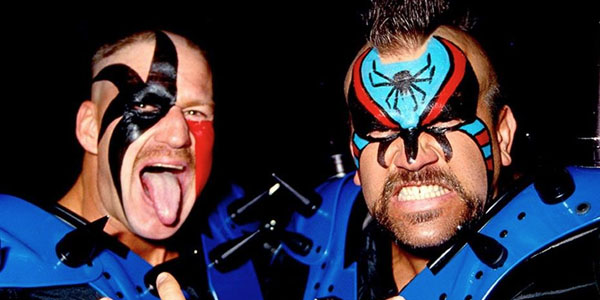
Before departing for the WWF in 1990, The Road Warriors weren't really in the business of doing jobs to anybody, let alone teams who were physically smaller than them. Hell, Hawk and Animal didn't even really practice the art of selling, preferring to dominate their opposition and maintain the imposing aura which served them well throughout their run as a tag-team. According to Jim Cornette, The Road Warriors angered WCW management by arranging with The Midnight Express to put them over on a house show in Memphis shortly before departing to go work for Vince McMahon. It was pretty rare to see The Road Warriors be pinned in those days, but they did lay down for Bobby Eaton and Stan Lane, men they respected immensely. This directly went against booking orders, which had called for a Road Warriors win, even though Hawk and Animal were on their way out the door. Cornette laughs as he recalls the various distractions which 'protected' them in their loss to The Midnight Express, but still recognises that The Road Warriors didn't have to lose to anyone, and that it was a tremendous show of respect.

7. Terry Funk Tried To Get Eddie Guerrero A Job In May

A friend of the Guerrero family, the legendary Terry Funk was interested in doing the infamous grappling clan a favour in 1989, organising a tryout match for the young Eddie Guerrero in May of that year. It's startling to think that Funk had already started to wind down his full-time in-ring career by '89, especially considering the fact that the 'middle-aged and crazy' veteran still occasionally works to this day. Funk would eventually return to the ring against Ric Flair in 1989, but not before tuning up against the green Eddie, who Cornette surmises was never really in the running to bag himself a full-time gig with WCW at the time. Citing his small stature as a major reason as to why he wasn't ever really considered, the iconic manager laughs during his shoot interview at the notion of WCW decreeing Guerrero would never be a star. Of course, Eddie would at last go on to become a major player in the industry, winning the WWE Title and becoming one of the most-treasured names in the entire business before tragically passing away in 2005. WCW would come calling years later, but it's fascinating to learn that Terry Funk tried to get him into the company as soon as possible.

6. Cornette Bought Wrestle War PPV And Watched As Fan For First Time

For all his years in the industry, it's stunning to think that Jim Cornette still watched in awe on monitors backstage as some of the biggest matches in wrestling history took place just a few feet away from him live in the arena. During his Kayfabe Commentaries shoot, the manager states that he would still buy NWA and WCW Pay-Per-View events, having them taped for him at home whilst he was appearing on the shows. Remarking that he was never really a big fan of the WWF supershows, because it wasn't really his style of wrestling, Cornette gleefully told Sean Oliver that he pretty much marked out like the average fan when watching the Wrestle War main event between Ricky Steamboat and Ric Flair. Off the road, Cornette was watching the show at home, and says it was the first time he had bought a wrestling Pay-Per-View and watched it live on television, as opposed to being there in the building as part of the card or looking on from backstage. There's a particularly cool moment when Jim talks about jumping out of his seat when Terry Funk got involved with Flair post-match, because he didn't know it was going to happen.

5. The Boys Hated That Clash VI Went Head-To-Head With WrestleMania V

For Vince McMahon's WWF, WrestleMania V was another huge success. Headlined by a titanic main event between former friends-turned-enemies, Hulk Hogan and Randy Savage, the show predictably pulled a big buy rate on Pay-Per-View. Close to 19,000 fans crammed into the Trump Plaza venue in New Jersey to watch the show, which contrasts heavily with the 5,000 WCW pulled for Clash Of The Champions VI. Held in the massive Louisiana Superdome (now known as the Mercedes-Benz Superdome, the venue that hosted 2014's WrestleMania XXX), Clash Of The Champions VI featured matches such as The Varsity Club vs. The Road Warriors, Ricky Steamboat vs. Ric Flair in a 2-Out-Of-3 Falls epic, and Lex Luger vs. Jack Victory. A house of 5,000 was relatively small for time, especially in the 70,000-80,000 capacity venue. In addition, Jim Cornette was at ringside as The Midnight Express wrestled The Samoan Swat Team, the bout which opened the show. Airing live on national TV, WCW were left reeling as the show only pulled a 4.3 rating. Moods were low because it was thought that by showing the event on free-to-air television, the WWF buyrate for 'Mania would take a hit, it didn't.

4. Jim Herd Wanted WCW To Have More Wacky Characters
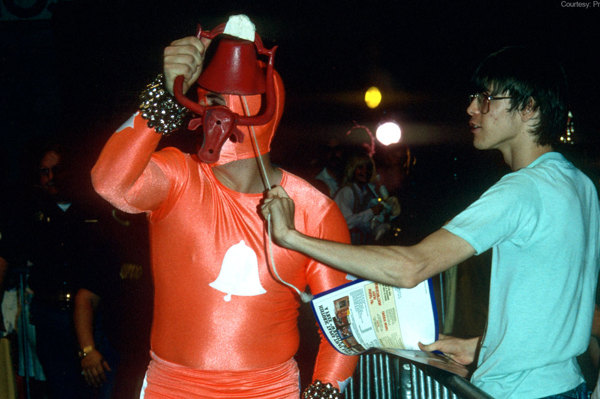
In 1989, WCW went from featuring the older style of wrestling favoured by booker George Scott (who brought in all his old pals who had drawn money a decade or so previously, but were never going to work in the late-80's), to Jim Herd, a man who thought the best way to capture the hearts and minds of wrestling fans around the country was to create a range of madcap characters. Ted Turner's media empire had just started to acquire a whole load of old MGM classic movies, and Jim Cornette says Herd infamously stated that he wanted to find a wrestler who could portray Long John Silver to perfection. Looking to debut a whole host of gimmicks based on old-time films, Herd also had a few other character ideas up his sleeves. One of those was The Ding Dongs, an irritating "babyface" tag-team that would ring a giant bell in their corner, attempting to rile up the fans and get them onside. Instead, those in attendance understandably hated the idea, but it was a damn sight better than The Hunchbacks, a pair of teaming wrestlers who couldn't be pinned. And people think WCW circa 1999-2000 was bad!

3. The Dynamic Dudes Were The Brainchild Of Jim Ross

Even WWE Hall Of Fame announcer Jim Ross isn't safe from a roasting from Jim Cornette during his look back at WCW in 1989. Looking to recreate the success of the highly-regarded tag-team The Rock N' Roll Express, Ross helped put together The Dynamic Dudes, surely one of the most dorky, unlikable good guy tandems of all time. Comprised of Shane Douglas and Johnny Ace, the Dudes carried skateboards to the ring, despite never actually being able to ride the things. As Cornette explains, Ross had noticed that skateboarding had become hip and trendy, so he wanted to capitalise on that pop culture phenomenon with this new tag-team. It backfired spectacularly, The Dynamic Dudes were horrible, and didn't even come close to replicating the success experienced by Ricky Morton and Robert Gibson as The Rock N' Roll Express. Cornette attributes this mainly to Ace, who had "2 left feet" and didn't complement the young and talented Douglas at all.

2. WCW Paid The Iron Sheik To Sit At Home

During the early portion of 1989, George Scott - as the then-booker of the promotion - decided that bringing The Iron Sheik into the mix would help swing the wrestling war firmly in WCW's favour. There was only one problem, Sheik was largely finished as a top-level in-ring performer, unable to have even decent matches and never actually being of any benefit to WCW. Cornette spills a revelation here, explaining that the Sheik was pretty much paid to sit at home and do nothing by the company, who really didn't have a place for him after realising that he wasn't fit to collide with the likes of Ric Flair, Ricky Steamboat, Sting or Lex Luger in main events. Even more incredibly, WCW forgot to trigger the 90-day notice period of termination for Sheik's contract, which meant that his deal rolled over for yet another full year in 1990, despite him not making any appearances. It was thought easier to simply pay the man to do nothing, rather than finding something for him to do. That's the kind of thing many blame WCW for doing in the late-90's with guys like Lanny Poffo, and it's utterly mind-blowing that it was happening 10 years earlier.

1. WCW Copied WWF Tactics Regularly

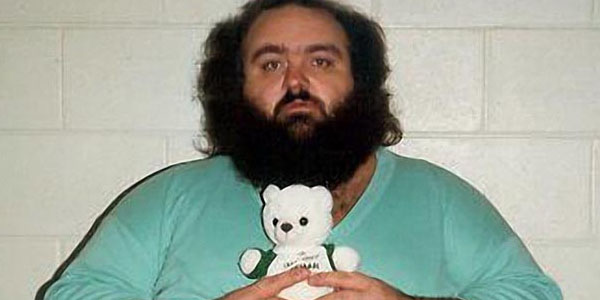
Nowadays, many wrestling fans will point fingers at TNA, laughing consistently at their repeated attempts to piggy back on WWE ideas and replicate their success. As early as 1989 however, World Championship Wrestling were doing the same thing, and that was pretty much the sum of their bank of ideas, look at what was working for Vince McMahon and try to copy it. Seeing the reactions George 'The Animal' Steele was garnering in New York, WCW management tried to get the same level of babyface sympathy for Norman The Lunatic, played by Mike Shaw, the same man who would go on to portray the disgusting Bastion Booger in the WWF. As if that wasn't enough, entire decisions were made backstage depending on what McMahon was up to. Due to the fact that the WWF didn't really take managers to house shows with the touring roster at the time, WCW stopped doing the same thing, which infuriated the likes of Jim Cornette and others, who were often the focal point of storylines involving their wrestlers. What other things did you learn from watching the shoot interview on Kayfabe Commentaries with Jim Cornette? What do you make of the points raised here? Let us know down in the comments section below!

Contributor

Lifelong wrestling, video game, music and sports obsessive who has been writing about his passions since childhood. Jamie started writing for WhatCulture in 2013, and has contributed thousands of articles and YouTube videos since then. He cut his teeth penning published pieces for top UK and European wrestling read Fighting Spirit Magazine (FSM), and also has extensive experience working within the wrestling biz as a manager and commentator for promotions like ICW on WWE Network and WCPW/Defiant since 2010. Further, Jamie also hosted the old Ministry Of Slam podcast, and has interviewed everyone from Steve Austin and Shawn Michaels to Bret Hart and Trish Stratus.