10 Things Keeping WWE Alive Right Now
It's not all bad news for The McMahons....
This past Mondays RAW drew a 2.16 television rating in the US, making it officially the lowest-rated edition of the show since 1997. This, coupled with the staleness of the product and the company's seeming lack of ability to create new stars, has created concern amongst some in the wrestling media (as well as pockets of fans) for what it could mean for the future of the company.
Then add the fact, that in the last few months weve seen major injuries of superstars from Daniel Bryan and Randy Orton to Rusev as well as John Cena out on the sidelines and things start looking even more bleak.
As Survivor Series approached it was abundantly clear that WWE didnt have a lot of star power going into the event and, after the crowning of Sheamus as the companys new top heel and World Champ (after his six months of him playing the mid card comedy heel), some have labelled this one of the worst times in the company's history.
This is for both critical and commercial reasons, mind. Live attendance is down across the board, with recent SmackDown tapings pulling in 4,000 fans compared to three or four years ago when the Thursday night show would draw over double that. House shows are also down and there's a general feeling that WWE is can-miss these days.
With so much going against WWE recently, it's easy to forget that they still have a lot going for them and still have irons in the fire...
10. Network Subscriptions

When WWE first aired an ad in early 2012 for the WWE Network, fans were pretty excited but, by the time it launched in 2014, it had changed from a TV model to online and went from being extra content on top of existing TV & PPV to having every WWE PPV live at a fraction of the price, countless hours of archive content and original series. Essentially, it has become WWEs future.
All programming is going to go online eventually and the company realised that, and have committed to an initial loss in order to achieve long-term gain.
On paper, when you see that WWE used to charge $54.95 for pay per-view events and now charge $9.99, it seems like they must be losing an insane amount of money. However, given that talent no longer get the bonuses that came with traditional pay per-view shows and with increased money from television deals, it hasn't been anywhere near as catastrophic as one might assume.
This past years WrestleMania had more viewers than it has ever had in its history, giving more fans a chance to see what WWE can do for their biggest show of the year and potentially retaining those customers' Network subscriptions if the product is good and they like what they see.
With over 1 million steady subscribers, the Network is a great source of income for the company. In 2016, theyll be looking to expand the Network to interest more fans whether its through original content or more archive shows from their massive tape libraries.
9. Mainstream Attention
WWE has made a point in the last year or two to really develop its brand and get more mainstream outlets covering the product. With the edgy infusion of NXT, magazines like Rolling Stone often do WWE-related articles on their website or interview current stars on the rise and chart their success. Rolling Stones website gets mammoth amounts of hits on a daily basis and WWE being associated with that brand gives them a cool factor they maybe didnt have before.
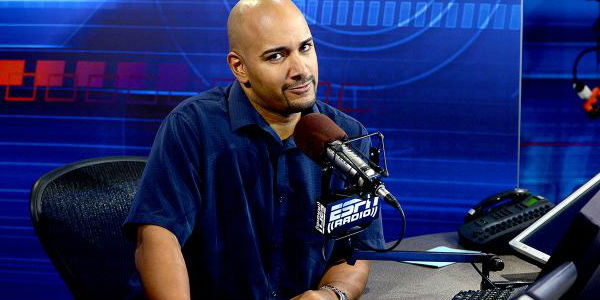
When Jonathan Coachman left WWE a few years ago and ended up at ESPN, it was unlikely The Coach would ever go back to WWE. But thanks to Michelle Beadle often attending WWE shows and covering the company on Sportscenter, that opened the door for Coach to pitch ESPN something a little bit more regular in the way of WWE coverage.
Now, every Tuesday on Sportscenter, a WWE star does a brief interview with Coach, a fluff piece on what theyre up to in the storyline and a couple of sports-related questions to appease the regular viewers of ESPN. This level of mainstream press from an outlet like ESPN is huge for WWE and, at the very least, will make more people aware of their product.
8. SummerSlam Weekend
A gripe of the wrestling community in recent years is that WWE puts a lot of effort into their WrestleMania season to make it feel special but from April-December there isnt a major focus on making other events feel like a big deal.
In 2015, WWE attempted to rectify that by announcing that SummerSlam weekend would take place in New York with an NXT Network special taking place the night before the summer specular, with RAW the night after also taking place in the Barclays Center in red hot Brooklyn, New York.
The events were a phenomenal success for the company. With events in the New York area throughout the week, a Fan Axxess to meet superstars, Bayley reaching the top of the mountain at NXT, Undertaker and Brock Lesnar battling in the main event and Sting returning the next night, the weekend felt almost as big as WrestleMania.
Now theres an interest in fans from across the globe to travel to New York City for SummerSlam weekend which brings in more revenue for the city and, in turn, generates more exposure for the company. After WWE announced the exact same SummerSlam weekend experience in NYC for 2016 and 2017, WWE now have two major weekends a year where they can sell tons of tickets, do lots of media and enhance their brand and reach.
7. Mattel

Over the last 7 years, WWE have made more of an effort to have their programming appeal to a younger demographic. They signed a lucrative deal with toy kings, Mattel, and in a relationship that is growing each year theyre able to produce and sell a huge amount of action figures, replica titles and other memorabilia.
While some fans detest the WWE being PG these days, its an essential part of the business model and a condition for Mattel to work with them in such a high-profile relationship. With Mattels distribution, WWE action figures can be on sale across the globe and they are able to make lines like the 'Elite' line where (at a higher price point) a fan can get more accessories or detail on a figure.
With an array of products catering to children with the current roster and legends to lure in the old school fan and the collector, this relationship is one that continues to bring in a lot of money for the company.
When WWE signs former stars to Legends contracts, the figures are one of the main sources of making a profit on that contract.
Last year, Mattel and WWE extended the agreement through till 2019 ensuring this profitable and fruitful licensing deal will continue to help the company keep making money in the lucrative toy market for years to come. It also means that WWE will continue to be PG for the next four years.
Sorry.
6. International Tours
Its no secret that in the last year or so, attendance at North American WWE live events has been down. Luckily, thanks to increased ticket prices, they havent lost any money on the lack of butts in seats at smaller shows and SmackDown tapings.
In contrast to that, whenever WWE runs their International tours, they make A LOT of money in the process. Markets that are starved of seeing their favourite WWE stars that they watch on TV each week means the arenas are sold out for the most part and millions of dollars are spent at the merchandise stand as well.
Along with the two European tours in April and November each year (which are massive revenue streams for the McMahons), WWE also run tours in countries like Australia, India and Mexico where the events are similarly successful. These markets don't get to see WWE live every week, so when the muscle-bound heroes do make it to an arena near them, tickets go sharply.
Next week, the NXT brand hits the UK for a tour, which is interesting as Dave Meltzer has pointed out that the NXT talents dont get big paydays for these shows as its still considered part of their developmental deals to get experience of what itll be like on the main roster. So you have an all-but sold out tour making large amounts of revenue that all goes back into the company.
5. NXT

Speaking of NXT, the developmental brand is the only way WWE looks towards the future, at least in terms of talent. While the main product has become stale and is losing viewers, there are a lot of fans sticking around purely for NXT. Its been described by media outlets as having a grungy and edgy type of feel and that's appealing to jaded fans who are sick of WWE's sterile current setup.
During a recent interview, Rhyno compared NXT to the old ECW in terms of rabid fanbase, and the small engine that fans seem to love rooting for and he's not far off in that assessment. In 2015, NXT has added shows to WrestleMania and SummerSlam weekends and its started a new initiative - NXT Loud where the brand goes to music festivals and puts on events and signings at metal festivals across the country.
At the recent Aftershock Festival, Slipknots Corey Taylor even got into a physical altercation with Baron Corbin which got picked up by large media outlets and further enhanced the image of NXT as the cool new place where you can see the superstars of tomorrow.
The NXT brand is fast becoming the coolest thing about WWE. From bringing in big indy names like Samoa Joe and James Storm to focusing on womens wrestling through Asuka and Bayley, NXT is getting WWE mainstream press coverage, adding to their two big weekends a year and starting to make serious money for the organization.
4. Partnerships
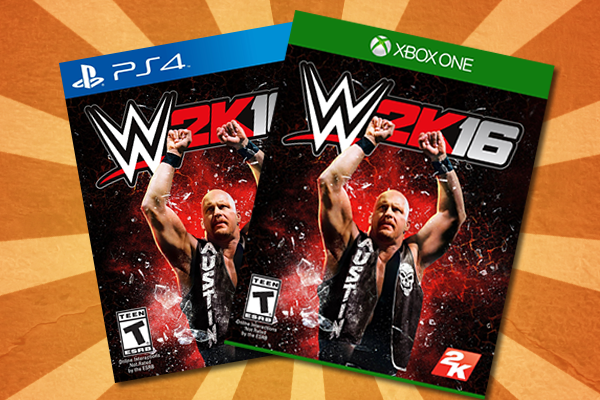
A core component of keeping the WWE brand running and making money is through the licensing partnerships they have. I covered Mattel earlier, but theres a few other partners to discuss that make millions for WWE while enhancing the brand at the same time.
The 2K deal to produce an annual WWE video game has been a huge success. With the 2013 work with Ultimate Warrior, a 2014 release with Sting and the 2015 promotional campaign with Steve Austin, the 2K deal has managed to utilise big names that arent on the road week to week, in an effort to perhaps bring former fans back into the fold to check out the new talent and get the current fans spending money every year on a new game with updated rosters.
The era of the straight-up autobiography seems to be over, but WWEs book deal with DK Publishing has seen some new ideas come to the table, ideas that have gone on to be successful at book stores across the globe. From huge coffee table books on 50 years of WWE and The Attitude Era to superstar books focusing on The Ultimate Warrior, this global relationship sees massive book sales in America, Europe and many other countries.
These two major partnerships, along with global licensing on DVDs and toy retailers and sponsorship on TV shows by companies like Kays Jewellers, are lucrative deals for WWE and continue to be a great revenue stream for the company.
3. Special Attractions
Journalists and fans alike have branded recent WWE booking as being too even-steven or the majority of the roster being in the 50/50 club. Simply put, some have accused WWE of making sure every wrestler loses then gets their win back with nobody really advancing up the card. It's parity to the extreme.
Luckily for WWE, they still have a handful of special attraction performers that can garner interest in their matches and get more people tuning into the pay per-view/Network specials that theyre a part of.
While Sting holds an 0-2 record in WWE, its been a boost to the company to see the WCW Legend being a part of WWE events in his matches with Seth Rollins and Triple H. If The Stinger can work a couple of final matches in 2016, it would perhaps entice some former WCW fans back to watch The Icon in action.
The Undertaker rarely wrestles in WWE but when hes on a WrestleMania or SummerSlam, he adds prestige to the event. This years SummerSlam gained far more attention from fans, wrestling journalists and other members of the press due to the big rematch between The Dead Man and Brock Lesnar.
Speaking of The Beast, Brock is the ultimate special attraction. His handful of matches a year feel like a big time fight and bring in more pay per-view buys, Network subscriptions and viewers on television. He's an instant draw and people will always want to check out what he's doing.
At a time where star power is at its lowest, the special attractions are keeping the big event business of WWE alive.
2. WrestleMania

The growth of WrestleMania over the last thirty years has been pretty incredible, to say the least. From the first instalment in 1985 with over 19,000 fans in Madison Square Garden to this past year in San Jose with a full week of events, media coverage and over 70,000 fans in Levis Stadium.
The WrestleMania brand is one of WWEs biggest assets. Cities bid on the event every year. It brings millions of dollars into the economy and with weeklong events from Fan Axxess to the Hall of Fame, WWE makes millions of dollars on merchandise sales as well as at the live gate.
Every year, former WWE fans come back to check out WrestleMania so its a great way to entice viewers into seeking out the product again. Fans from across the globe make their way to the host city to be a part of the show and witness the culmination of all the big storylines that take place on the show. WrestleMania features, without fail, WWE's biggest crowd of the year.
While most WWE monthly events still draw maybe twenty or thirty thousand traditional pay per-view buys, WrestleMania still attracts over 200,000 PPV buys at a cost of $54.95, bringing in a great deal of added revenue that other shows dont.
Forbes listed WrestleMania as one of their top 10 brands earlier this year, showcasing just how important 'Mania is to the success of WWE.
1. Television Deals
The long-term success of the WWE Network is only possible due to the huge money from television deals that WWE has managed to bring in over the last few years. In 2014, WWE brought in $130 million in revenue from their TV deals. With yet more Total Divas and the inclusion of Tough Enough, that increased to $175 million in 2015.
One hundred and seventy five million dollars. That ain't chump change.
WWE have a huge deal with NBC Universal that includes the weekly three hour RAW, specials, a move to SmackDown in January and more Total Divas, and is estimated to make a profit of $190 million in 2016. That deal will culminate in 2018 with expected revenues of £235 million. That's how much WWE is getting for producing so-called 'stale' content.
The numbers dont lie and even if attendance dips a little and ratings fall, as long as WWE has TV deals that make them such a huge profit, theyll remain a viable and profitable conglomerate.
These 10 things are keeping the WWE afloat and, while the creative on Television leaves a lot to be desired, the company are making money hand over fist and are very lucrative in the eyes of their shareholders. Along with that, they're attracting new mainstream press who are happy to cover them and their brand is growing all of the time.
WWE is alive and well...
...unlike Sheamus World Heavyweight Title reign!