10 Problems Only Wrestling Managers Will Understand
I have to get THIS guy over!?
It's unusual for things to be written from a purely first person perspective on WhatCulture.com, but I perform as the manager 'James R. Kennedy' for Insane Championship Wrestling. My character - one of a wealthy background who uses that money to hurt others - is influenced by all the greats, from Bobby 'The Brain Heenan and Jim Cornette, to Paul Heyman and J.J Dillon. Obviously, I have a long way to go before I even deserve to be mentioned alongside those men, but they were the inspiration for causing me to pursue my childhood dream of becoming a wrestling manager. Throughout my time in ICW, I've been lucky enough to work with some unbelievable talents. Many of these men have wrestled across the globe, and their wealth of experience has been eye-opening for me. As any manager knows however, the very position comes with its own range of problems. Those troubles are explored in this article, and they're not exclusive to my own work. Not all of these problems are ones personally experienced by me, but they are ones most common for the wrestling manager. For that reason, there will be numerous examples from my performances scattered throughout, mainly to provide key experience context. I've always maintained that my place is to help wrestlers get over with the crowd and ensure the spotlight is on them, but circumstances can make that difficult on occasion.
10. Do You Go Out Before Your Wrestler(s) Or Not?

9. Constantly Having To Run Away And Act Cowardly
Most managers are heels, that's just the way it is. There have been exceptions, such as Paul Heyman's recent work as Brock Lesnar's 'Advocate'. Recently, Heyman has started to become more of a babyface, but it's not through his own doing. Fans simply enjoy his work to such a degree that they want to feel part of it, which is wholly logical. This doesn't change the fact that Paul Heyman must still act like the biggest coward on the planet. There's no getting round it, managers aren't really there to do anything noble or brave. Instead, they exist as almost a halfway house between fan and wrestler. Not as physically imposing as a wrestler, managers won't be able to come out on top in a face-to-face confrontation. This means running away, and lots of it. Often, this doesn't even make much sense, but it does fit into that ongoing fight to make pro wrestlers appear somewhat superhuman. After all, if that non-wrestling manager can beat them up, why should fans believe that they couldn't? It's a fine line, but managers are consistently asked to beg off and try to get out of harms way.8. Fans Think They Can Put Their Hands On You

7. Fans Claiming That You Block Their View Of The Ring
6. Criticised For Bumping 'Like A Wrestler'
5. The Referee Forgets About Your Planned Interference
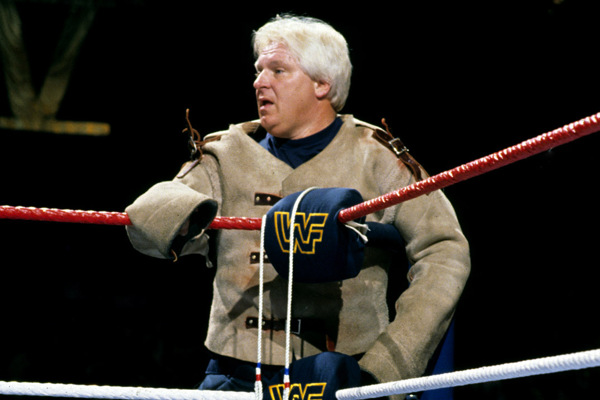
In a perfect world, everybody who is part of a wrestling show should be working together. To the credit of the referees in ICW, there haven't been too many occasions when James R. Kennedy suffers from a lack of communication. Before matches, those men in stripes make sure they have everything in their heads. After all, they want everything to run without a hitch too. Sadly, there are occasions when things don't go quite to plan. Maybe things changed last minute, and the referee hasn't been informed of a manager's scheduled interference. There's nothing worse than when a ref catches a manager when they're not supposed to, and ruins the heat of the match. It can take wrestlers a while to build that drama back up again, making their jobs harder. It's not all the referee's fault either, the manager must take some portion of the blame. Perhaps their positioning is off, and they're obviously in line of sight of the referee. Whomever is to blame, it's a problem, and it's one that can really hamper performance. The general idea of a heel manager interfering is to build resentment on the heel wrestler, who needs that manager to butt in on his/her behalf.4. Feeling Inadequate Next To Wrestlers Who Can Talk

3. Your Position Being Overlooked As Important
2. The Wrestler You're With Doesn't Want A Manager