10 Evolving Changes That Haven't Been Good For WWE

Remember when the Royal Rumble used to mean something?
World Wrestling Entertainment stands tall as one of the most continually-successful touring brands in all of the entertainment industry. One need only look at the repeat success Vince McMahon's wrestling juggernaut has during regular jaunts over the Atlantic Ocean to the UK, WWE may not be quite the beast it once was, but it's still - without a doubt - the biggest dog in the pro wrestling yard. That's something which may never change, and there are a lot of things the promotion do right. Read any internet wrestling forum or opinion piece, and it's unlikely you'll get through without something negative, but the fact of the matter is that WWE must do more right than wrong, otherwise they'd struggle to reel in the viewership and ticket sales that they do. On the flipside, that's not to say that there haven't been problems with the company over the years, of course there have. The wrestling business is a different animal now than it was 20 years ago, entertainment in general has changed. The big question is, just how have WWE kept on top of things? There have been nuances of the product which WWE haven't addressed, something this list focuses on. Others listed have been forced issues, things WWE have simply had to put up with in an ever-changing industry, but they haven't necessarily been good for the business overall.

10. Lack Of Competition

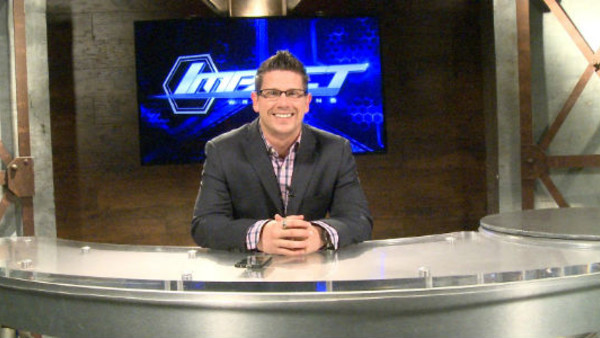
Ever since World Championship Wrestling went to the wall in March, 2001, Vince McMahon has largely had the pro wrestling market all to himself. On the surface, it may have looked like all was rosy in paradise, mainly because McMahon now owned what had been his biggest competitor, but it has had an adverse effect on WWE overall. Since 2002, TNA have tried to paint themselves as the other biggest fish in the grappling ocean, but the fact of the matter is that they have never once come close to properly going head-to-head with WWE. In 2010, the company tried to reinvent the wheel by trying to revisit the 'Monday Night Wars', but it was an unmitigated disaster, and the promotion were quickly found out for being relative minnows compared to the monopolistic WWE. This lack of real competition has hurt WWE, because there's little to keep them on their toes. Previously, when WCW introduced Monday Nitro and started kicking McMahon's ass from late-1996 till early-1998, the then-WWF had to stay sharp, because there was a real threat of going out of business if they didn't. That's not the case now, allowing WWE to be lazy with creating new stars and coming up with original ideas.

9. Social Media

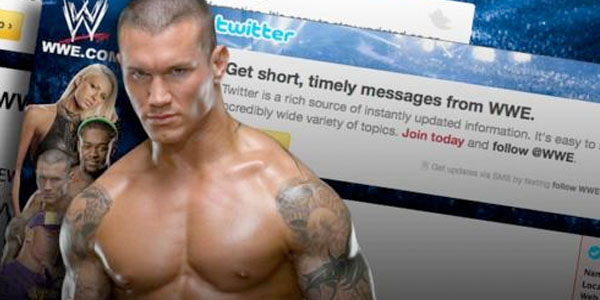
Somewhere along the line in the late-80's, Vince McMahon made the express decision to move him business model away from the one perfected by many different wrestling promoters for decades. Bigger was better, Vince argued, and thus the World Wrestling Federation appeared to be more akin to mainstream family entertainment than classic professional wrestling. Kayfabe, the art of keeping wrestling's secrets hidden from the audience out of fear of exposing the pre-determined nature of the product, was largely done away with, and wrestling moved into a new era. Suddenly, with the dawn of the shoot interview and increased popularity of the internet in the mid-90's onwards, fans knew more about the men and women involved in wrestling than ever before. In more modern times, social media has allowed folks a heightened sense of relationship with their favourite stars, but it hasn't always been for the best. The safety barrier of being behind a keyboard gives people a false sense of security, a trap many wrestlers have fallen into. Systems like Twitter should be brilliant for WWE, and they have their uses, but all too often it appears a necessary evil for the company, who have somehow become obsessed with 'trending' worldwide, rather than ratings.

8. WWE Network

At the time of this article being published, the WWE Network has around 1.3 million paid subscribers, which is obviously a huge amount. Unfortunately, it's a long way away from the numbers the McMahon family initially projected upon the service's launch - let's not forget that numbers such as 3/4 million were previously being banded about as realistic targets. Before going any further, it's important to note that the WWE Network has been brilliant for fans. Beforehand, wrestling enthusiasts would build up a bank of VHS tapes and DVD sets, grabbing double disc collections of their favourite events. Now, with the advent of the Network, it's all available at the click of a button - every single Pay-Per-View ever (pretty much) is now online, an incredible wealth of material. Yes, the WWE Network is great for fans, but what about WWE's own business? The service makes a ton of money, but does it really offset the losses from Pay-Per-View revenue and DVD sales? A quick check of the finances of the company reveals that they're still raking in a ton of cash, mainly from advertising, merchandise and TV revenue, but was the promotion really ready for something as huge as the Network, or did they jump the gun a little?

7. Genuine Heel Announcers

Every so often, JBL cheers on the heels at ringside, directly conflicting with the opinions of both Michael Cole and Jerry 'The King' Lawler. It's an age-old, simple strategy - by having one announcer act as the vocal justification for what those nefarious bad guys are doing, the point is hammered home to the viewer watching at home. Better yet, it creates debate, something for the unbiased commentators to contest. Simply put, this doesn't happen enough in WWE, or at least not with as much tact as it used to. When Michael Cole was tearing it up as a 100% heel announcer, it often felt forced. Contrast that with how Bobby 'The Brain' Heenan, Jerry Lawler himself or even Paul Heyman would work, and it becomes clear this is one art form WWE appear to have lost the ability to present. Genuine heel announcers can be crucial, and it's a little jarring to have JBL occasionally flick on a switch, becoming a heel for a few seconds before returning to laughing and joking with his buddies at the announce desk. There needs to be more consistency there, something which is sorely lacking.

6. De-Emphasis On Tag-Team Wrestling

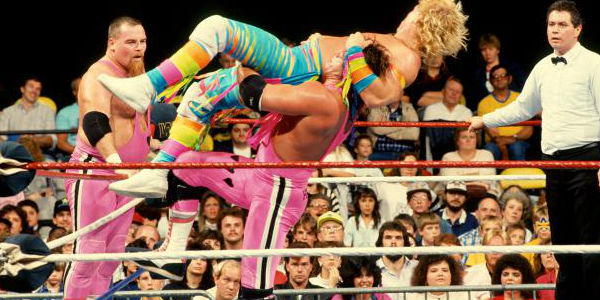
In fairness, the 2-Out-Of-3 Falls match for the WWE Tag-Team Titles between Cesaro & Tyson Kidd and The New Day at Payback was tremendous fun, but it acts as a reminder of the kind of action fans could routinely expect from the company. Every now and then, articles pop up online which seem to suggest WWE are about to move back into having a renewed emphasis on tag-team wrestling, but it never really comes to pass. Tag-teams are an essential part of the product, because tag grappling offers people something truly different to what's happening elsewhere. Far from simply shoving random combinations of wrestlers together and hoping for the best, there was a time when Vince McMahon and company had an embarrassing amount of riches in the tag leagues. There's scope for that once more, but the promotion would need to cease this idea that tag wrestlers can't be singles stars. When looking at the likes of Bret Hart and Shawn Michaels - both of whom came out of tag-teams to become major players - it wipes that idea in the dirt.

5. Raw Seems On Par With Pay-Per-Views
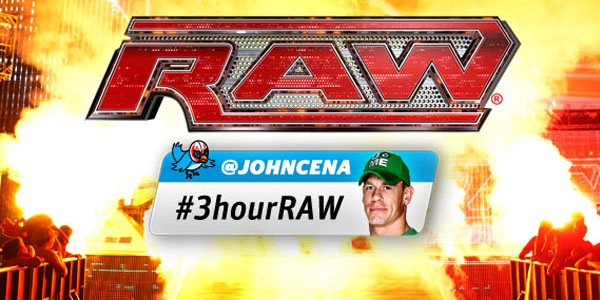
The argument that WWE need to revert back to a 2-hour format for their flagship show, Monday Night Raw, has been debated ever since the company decided that the broadcast should be 3 hours long each week in 2012. At first, the creative team seemed to struggle with the extra hour, but to their credit, the writers have started to make Raw a much more even program from start to finish. Even so, several lengthy matches are booked to fill up time, and there's often little to differentiate Raw with Pay-Per-Views, certainly a lot of the 'B' level supercards. Traditionally, the monthly specials felt bigger than the regular TV shows, not only because they were longer, but also due to the matches which took place on them. It's not uncommon for WWE to repeat book matches for PPV which have already taken place on television, sometimes only a few weeks prior to the event. Worse yet, there are times when Raw-like in-ring segments take up time on Pay-Per-View, making it hard to view these shows as special or extraordinary.

4. Part-Time Superstars Coming And Going
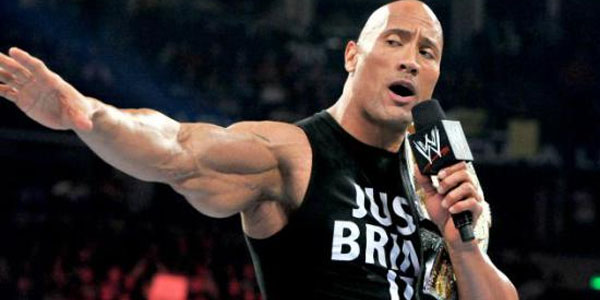
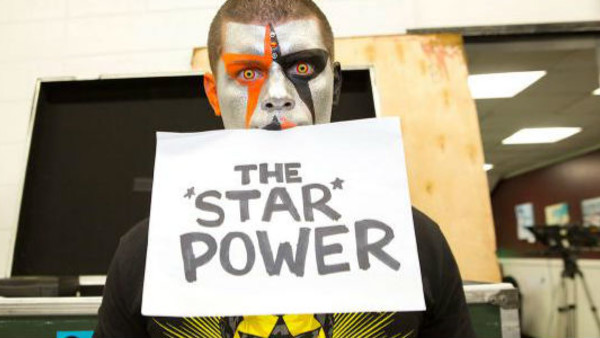
Perhaps due to the previous point regarding a real lack of competition, WWE have struggled to create a plethora of stars who can legitimately prop up the show on their own merits. It seems nowadays that the WWE brand itself is king, with John Cena arguably being the only full-time performer who can claim to be a guaranteed ticket seller for live events. Never has this been more evident than over the past few years - WWE have brought back everyone from The Rock and Batista, to even having Shawn Michaels and Hulk Hogan make special one-off appearances every now and then, all to try and keep the star power levels high. That's worrying, because whereas there's nothing wrong with bringing back an old legend every now and then, the company seemed to rely on The Rock and Brock Lesnar to carry WrestleMania for several years running. Even men such as Chris Jericho and Rob Van Dam have been brought back occasionally. Again, there's nothing intrinsically wrong with this, because they do have a role to play, but it has been a problem, because it stifles the ability of younger, more active performers to sink or swim of their own volition. Thankfully, WWE seem to have realised this, and there's been a much more concerted effort to make guys like Seth Rollins - for example - seem like a huge deal.

3. Ignoring History

Recently, Michael Cole muttered something about Kane and Triple H being trusty allies, as though both men have always seen eye-to-eye throughout their time together in the promotion. The idea was sound, to try and get over the fact that Triple H trusted Kane to be a valued member of The Authority to help Seth Rollins retain the WWE Title, but it spat in the face of history. This disregard for what has come before directly contravenes enjoyment for the long-term fan. It's almost like WWE wants to punish people for having a long attention span, something which is rare in this current climate of short attention span culture. That needs to change, especially now that even young or newer fans have access to all that history on the WWE Network. Quite clearly, to anybody who has watched WWE for longer than a few years, Kane and Triple H have rarely been associated on-screen as anything other than enemies. Even the infamous 'Katie Vick' angle, which will never be forgotten, involved both men as rivals, and WWE should remember that there are people watching who have done so for a long time. That should be rewarded, not punished.

2. Fan Base Progressively Finding Heels "Cool"

This is maybe one which WCW can take the blame for, if any blame is to be dished out. When the nWo burst onto screens in 1996, they were much more cool than anything else the organisation was presenting to their core fan base. Suddenly, even though the likes of Kevin Nash, Scott Hall and Hollywood Hogan were heels, they found themselves being cheered, because fans were living vicariously through their bad ass actions. Similarly, 'Stone Cold' Steve Austin was supposed to be a villain, but he was so utterly aggressive and successful that people wanted to be like him, choosing to boo guys who had previously been heroes like Bret 'Hitman' Hart. This is why The Rock, then known as Rocky Maivia, had an auspicious start to his career, because goody-two-shoes babyfaces were deemed dull next to vibrant heels. That trend still continues, and it has shown itself to be an ever-evolving problem for WWE. Take Roman Reigns, for example. When he was kicking butts as part of The Shield, adult males adored him, but as soon as WWE tried to make him their next big babyface, people rebelled.

1. The Royal Rumble Is Now Largely Redundant

Has the long-standing tradition of the WWE Royal Rumble ever meant less than it does in 2015? Previously, the winner was guaranteed a shot at the WWE Title come WrestleMania, and the promotion would really get behind that chosen person to try and prepare them for that headline slot. Now, winning the Rumble doesn't necessarily signify that 'Mania will be main-evented by the victor. That's a flaw with the WWE system, because the promotion are still branding and promoting the Royal Rumble event in the exact same fashion as they did 20 years ago. You know, that whole 'by the numbers' spiel that gets wheeled out via video package each January, and the same old tired announcer cliche that entrant #30 has the best chance of winning, even though they never do. It's a conundrum, because the addition of making the February Pay-Per-View a hitch on the road to WrestleMania means WWE have a decision to make. Do they shake up the Rumble, offering something other than a title match at 'Mania for the winner, or do they dispense with the importance of the February show, one which regularly undermines what the Rumble has to say? What other evolving changes do you think haven't necessarily been good for WWE? Do you agree with the points raised here? Let us know down in the comments section below!

In this post: 
Stardust
 
Posted On: 
Contributor

Lifelong wrestling, video game, music and sports obsessive who has been writing about his passions since childhood. Jamie started writing for WhatCulture in 2013, and has contributed thousands of articles and YouTube videos since then. He cut his teeth penning published pieces for top UK and European wrestling read Fighting Spirit Magazine (FSM), and also has extensive experience working within the wrestling biz as a manager and commentator for promotions like ICW on WWE Network and WCPW/Defiant since 2010. Further, Jamie also hosted the old Ministry Of Slam podcast, and has interviewed everyone from Steve Austin and Shawn Michaels to Bret Hart and Trish Stratus.