10 Reasons RTD's Doctor Who Return Failed
Russell T Davies is no longer generating Doctor Who content. What went wrong?

Having originally helmed Doctor Who from 2005 to 2010, Russell T Davies returned to the show in 2021 for what fans hoped would be a new golden age.
Sadly, it didn’t quite turn out that way, with his second tenure coming to a standstill in 2025, when Disney failed to commit to any further seasons.
For a time, it looked like he might be staying on for a Christmas special in 2026. But this has now been shelved.
There are lots of question marks about what went down behind the scenes, and who was to blame (be it individuals at the BBC, Bad Wolf or Disney, or a combination of all three – and ultimately it certainly will have been a combination, given the scale of the operation and the amount of people involved).
But as showrunner, the buck ultimately stops with RTD. And he definitely made some bad calls. So why wasn't his Doctor Who return quite as golden as his first go? Let's take a look at some of the biggest reasons.
10. Just ASSUMING There'd Be A Third Season
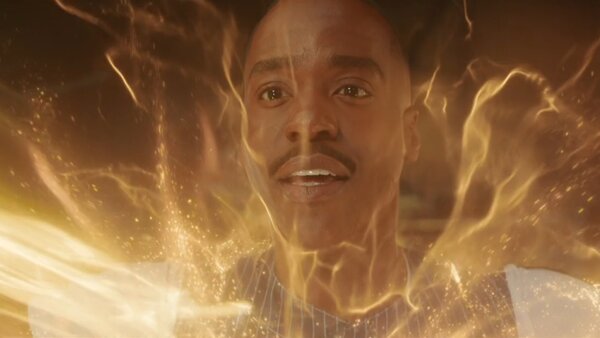
Given that Disney only ever committed to two seasons of Doctor Who, the most sensible approach would've been to play it safe and plot an arc which is definitively wrapped up by the end of Season 2.
But RTD didn’t even seem to consider the possibility that Disney wouldn’t renew, actively leaving a billion hanging plot threads for a third season that was ultimately never greenlit.
In 2024, he even said this:
“I’m working on the fourth script now for season three. It’s not actually commissioned, That’s still up in the air. I shouldn’t say we’re confident, because that’s asking for a fall, but we’re very confident, to be honest. And we’ll just keep going.”
That aged well, didn't it?
If it wasn’t bad enough that the Fifteenth Doctor’s regeneration was tacked on to the end of an existing story, we also never got to see him reunite with Susan or Rogue. Or find out who the Boss is. Or find out who picked up the Toymaker’s tooth, and if the Master ever escaped from it.
There's a touch of arrogance to just assuming everything would work out and not considering the business realities of the situation, and it's left us with a frustratingly incomplete and truncated era of the show.
Even when the ending to The Reality War was rewritten and Disney had all but confirmed they wouldn’t be continuing, RTD added another reference to the Boss, and a stunt regeneration! Talk about digging yourself a deeper hole.
9. Weak Finales
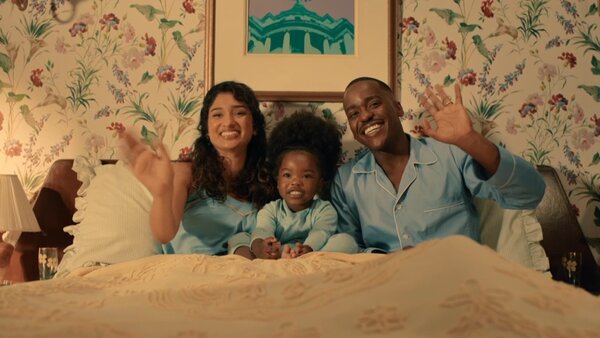
RTD clearly envisaged the two Fifteenth Doctor finales as action-packed Marvel blockbusters, with the Doctor fighting iconic returning bad guys supported by UNIT’s best.
But in execution they were all style and no substance, with far too much going on and way too many characters.
It gets to the point where it’s just embarrassing, because you’ve brought back an '80s companion to 'do her justice', only for her to do almost nothing. And you’ve got Rose just stood in the background, tapping on an iPad. And Anita holding open a door. Did nobody point any of these things out?!
The use of Sutekh and Omega was also questionable. They were far too obscure for general audiences to get excited about and so far removed from their original versions for fans to get onboard with. They literally pleased no-one.
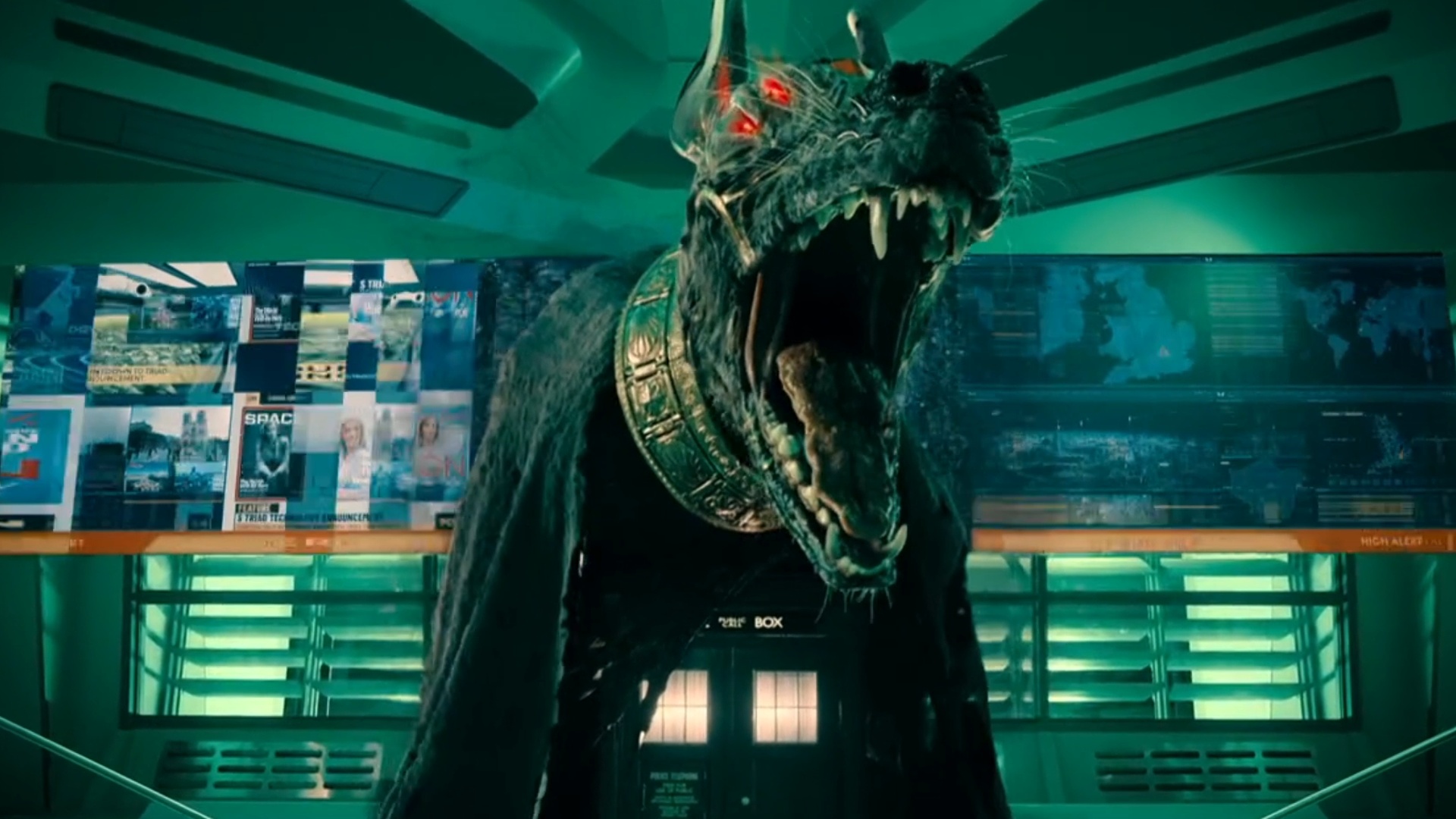
But above all else, the Season 1 and 2 finales were simply just average, at best. The Reality War is a decent fun time for that middle 20 minutes but is mostly a hot mess, and Wish World is absolutely honking. Empire of Death tainted the entire season with its confusing and underwhelming answers to the Ruby mystery, while The Legend of Ruby Sunday is nothing-burger buildup.
With only eight episodes in a season it's crucial that these big moments hit, and they just didn't. Getting something on the level of World Enough and Time/The Doctor Falls wouldn't have saved this era, granted, but it wouldn't have hurt it either!
8. Weak Openers

In a similar vein, first impressions count. A lot. Which is something RTD2 never seemed to understand.
For the big Disney launch, all eyes were on the Season 1 opener. And rather than a story that showcases what Doctor Who can do, and what makes it so unique and brilliant, RTD went with talking babies.
Genuinely, we underestimate how baffling that decision was. All those supposedly intelligent TV people in a room. All of them thought Space Babies was a good first impression for perhaps the most important Doctor Who episode since Rose? It seems they did eventually get cold feet later on, as the decision to launch with two episodes clearly signalled they knew Space Babies wasn't good enough on its own. But by then it was too late.
Season 2's opener was an improvement, and certainly a visual feast, but it was just... flat. Average. Not what you need for your big opening statement.
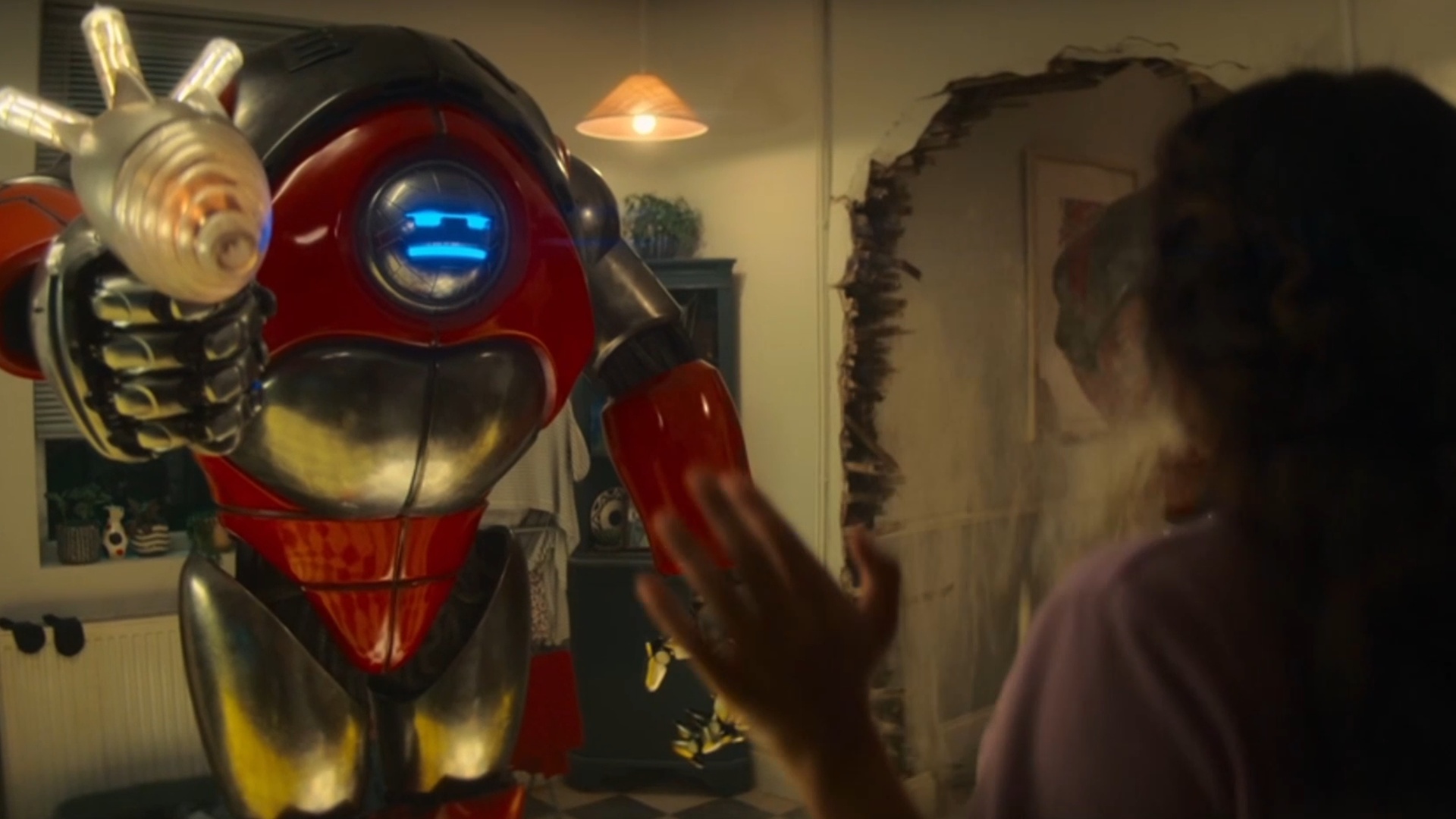
In this day and age when there’s so much competition from other streaming platforms, you have to put your best foot forward and stand out from the crowd. And Russell simply didn't do that.
Seasons 1 and 2 needed to start with a bigger, more game-changing story like The Impossible Astronaut. Or something more high-concept like Boom and 73 Yards. Not that those stories would work as openers as they stand – but they’ve absolutely got the right vibe, the right hook.
Saving that sort of thing till episode three or four is pointless if you can’t get people to watch past episode one.
7. Constant Controversies And Bizarre Press Quotes

While RTD has always been great at promoting Doctor Who, his second era was characterised by weird comments and controversies, which were only tenuously linked to the stories themselves.
There was usually some kernel of truth to what he was saying, but it was always blown out of proportion and presented in a way that was deliberately provocative.
Take the debate about Davros and the “disabled villains” trope. Pointing out the stereotype is one thing, but in the very first episode of Season 2 he went and wrote a disabled villain that fulfilled the very stereotype he was seemingly fighting against, so what exactly was the point here?
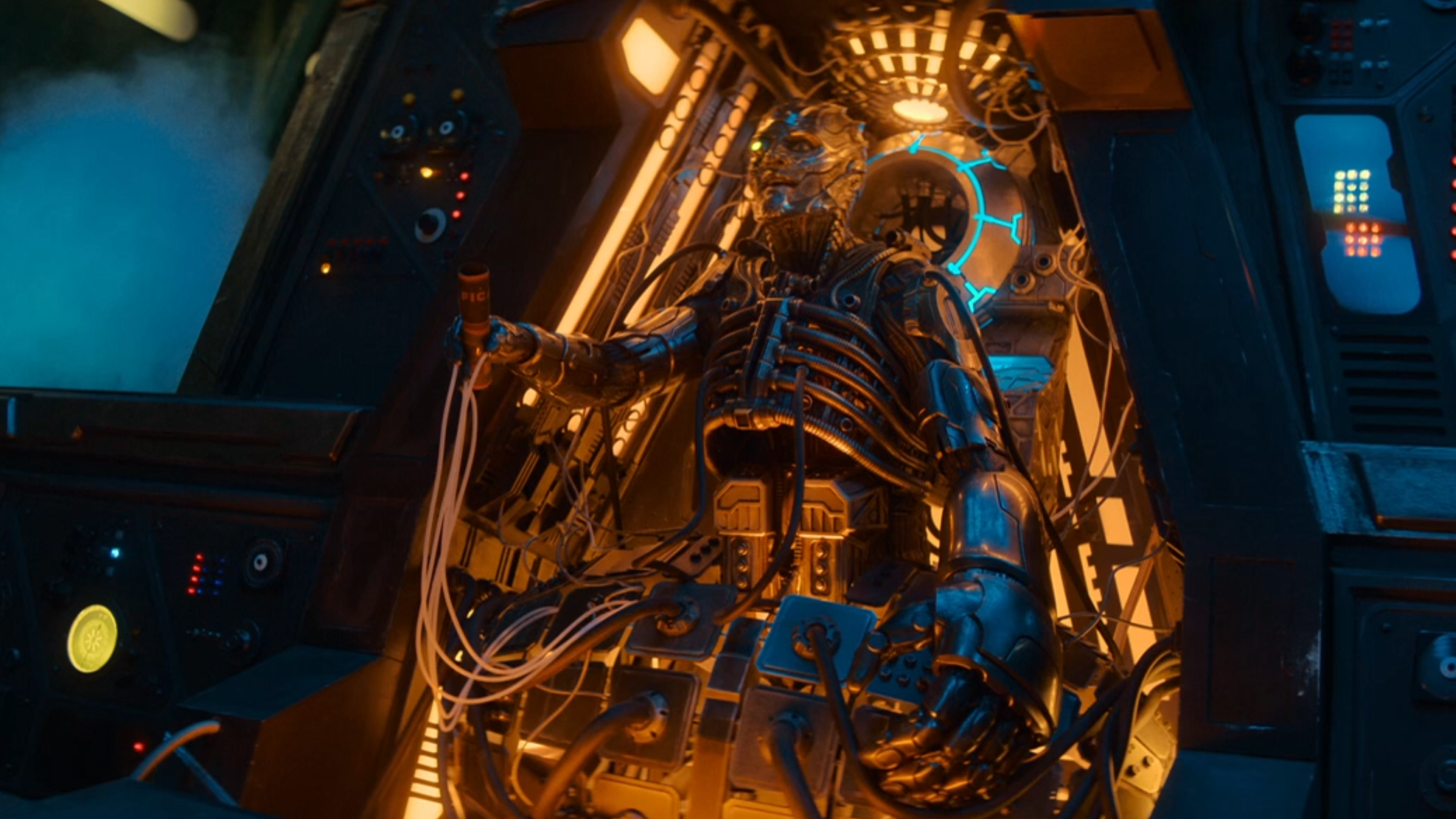
There was his comment about the sonic screwdriver looking too much like a gun, hence its new TV remote design... only for the Fifteenth Doctor to go and shoot down Omega with a massive laser. Again, why are you saying these things in the first place? It just comes across as virtue signalling and stirring the pot for no reason, and plain confusing when you go and contradict these statements with your own writing!
The same goes for him saying that the term Sea Devil is "racist." Just... weird. Or that David Tennant couldn’t wear Jodie Whittaker’s clothes because it was disrespectful to drag culture, despite Sacha Dhawan having worn them in literally that same episode, and nobody batting an eyelid.
It’s hard to take someone seriously when they’re so blatantly stirring up culture war-style debates in order to make headlines. Honestly, this type of stuff does more to lower the public’s opinion of the show than raise it.
6. Making It Up As He Went Along
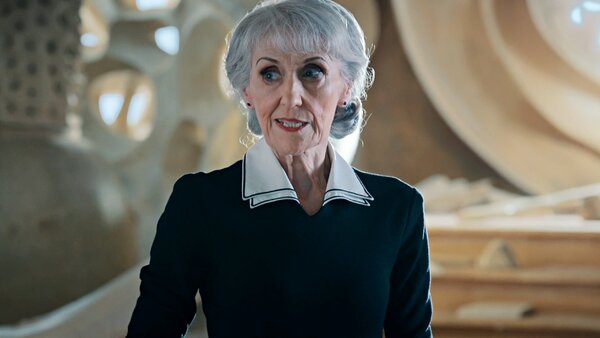
The idea of one of the Doctor’s old nemeses hiding in the background for two seasons is a good one. But if you think Mrs Flood didn’t exactly feel like the Rani in her early stories, there’s a reason for that.
RTD has admitted that he was "in two minds" about making Mrs Flood the Rani, and that Anita Dobson was originally down for just a single episode. He said:
"I was always in two minds. You sort of judge how things are going. From the moment we cast Anita though, I knew we would do a lot with her. She came in initially to just do one episode, but she was lovely and completely up for it. You kind of evolve it as you're going along with the actor's participation."
In other words, the core ongoing mystery of this era was essentially just decided on the spot, and RTD didn't have a clue who she was. All those theory videos we made on WhoCulture, and all those theories fans posted across the web. We all engaged in a mystery that didn't deserve our time.
Even without that admission from RTD it's plain to see that there was never a plan for Mrs Flood, even as late as the Season 1 finale. Her weird monologue to Cherry Sunday about storming the gates of gold "in her true name" is clearly not the Rani speaking. It's bizarre to picture RTD sat at his desk, typing out those words without having a clue what they actually meant.
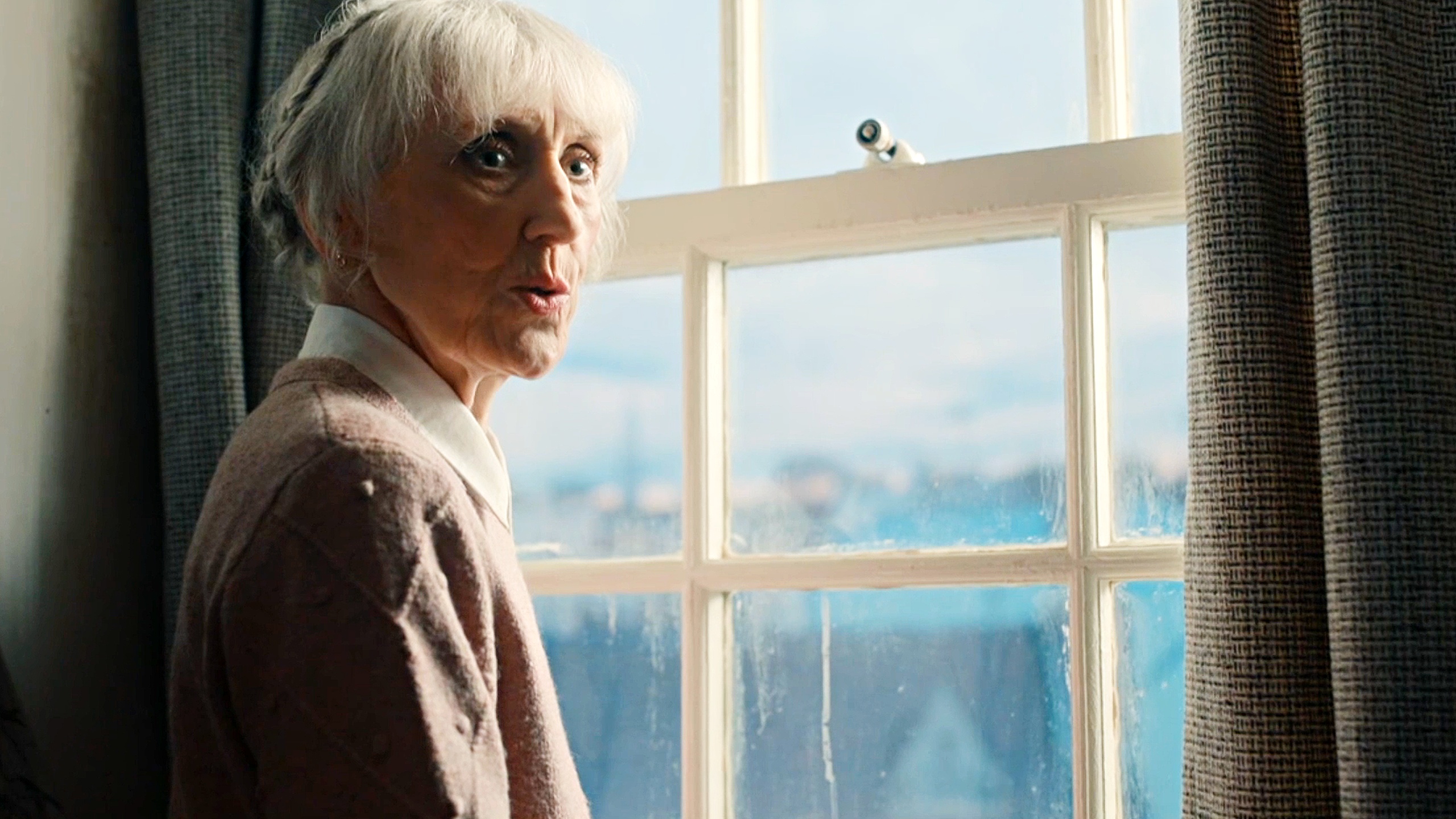
The same goes for the Boss. RTD had no idea who the Boss was, let's be real here – he just wanted to throw in another ongoing tease that he'd maybe figure out at some point.
And chucking Billie Piper into The Reality War – no idea, no clue, no plan, just a desperate attempt to create buzz and "generate content" (more on that later).
Considering the amount of time RTD had to plan this era out (his return was announced in September 2021 but The Star Beast didn't air until November 2023) and all that talk about "needing time to get the empire in shape", it's remarkable how slapdash it was.
5. Unexplained Moments And Sloppy Writing
It’s usual for some stuff in Doctor Who to remain unexplained, but RTD2 really took the biscuit.
In RTD2, characters broke the fourth wall. Constantly. For no discernible reason. Maybe if this was an established regular part of Doctor Who and maybe if an in-universe reason was provided, it would've been a fun addition. But as it stands it was just weird, and distracting, and made the show a pantomime.
Long-term fans kept waiting for the penny to drop. Newcomers were confused. And all the while, RTD withheld the explanation because he thought it was beneath him to give us mere mortals a peek behind the curtain. He said:
"That hasn’t been explained, and it might never be, frankly. Within the Doctor Who offices, we know exactly why that happens and yet I’m showing no sign of putting that on screen. I see no need to explain it whatsoever."
Once again, it just comes off as arrogant. To fundamentally adjust how Doctor Who works and then decide not to share the explanation for seemingly no other reason than 'vibes' is a ridiculous holier-than-thou attitude. Why would you want to confuse and irritate your audience in this way?
And there's more. According to Russell that apparent six-month timeskip in The Devil's Chord actually wasn't a timeskip at all, and Doctor Who fans are fools for thinking it was. He told SFX Magazine:
"No, that's meant to be... that's complicated. I can see that no-one in the audience would ever get this! I'm trying to explain how Sarah Jane is clearly from the 1970s and yet in 'Pyramids Of Mars' she says she's from the 1980s. So I'm trying to establish some sort of temporal drift as you go into the TARDIS. There's not a six-month gap there. No-one else but a Doctor Who discourse would ever think six months had passed."
If you can "see that no-one in the audience would ever get this", why are you deliberately making things so confusing and weird? Why would "no-one else but a Doctor Who discourse ever think six months had passed", when that's literally just the information the episode presents to us?
If the audience is repeatedly struggling to comprehend the staggering genius of your writing, then maybe, just maybe... the audience isn't the problem?
4. Constant Hyperbole And Lies

While all Doctor Who showrunners lie to some extent, RTD coming out and saying that there was never a script for the 2026 Christmas special, and that it was only ever a placeholder, was quite something.
Even if he’s lying about lying (i.e. there was a script and it was originally going ahead) he’s still lying. Which for his final act as showrunner, is kind of insane.
It’s also, sadly, totally on brand. Because throughout RTD2 he constantly baited fans, twisted the truth and made things out to be things they weren’t.
Every episode was hyped to death and branded the best thing since sliced bread. It was fun to begin with, but the more he did it the more you couldn't help roll your eyes.
And what was “the significance of the doors” behind Anita Dobson and Michelle Greenidge in their casting announcement photos? Why overhype people by describing the opening scene of Wild Blue Yonder as "full of surprises", when it really wasn't? Why were we told that not everyone gets out of Empire of Death alive, when everyone does?
Looking back there's so much that felt disingenuous, and though the intended effect was to create excitement it got to a point where fans just stopped believing anything he said.
3. "Generating Content"

If RTD2 had a gravestone, then "You just hope it will generate content" would be the words inscribed upon it.
The now-infamous clip from Doctor Who Unleashed where he tells Susan Twist that her character was designed to "generate content" has been memed to death in the years since because it sadly became apparent that this genuinely was the main thinking behind a lot of Russell's decisions.
It’s shorthand for the approach his second era took more broadly: trying to create a big social media buzz rather than simply telling a great story with gripping drama and brilliant characters.
This is the reason RTD2 feels so hollow. The fourth wall breaks, the overabundance of mystery boxes and teases, the returning villains, the random musical numbers, Billie Piper, and even major elements like bi-generation and making The Well a Midnight sequel. None of this was done from a thought process of "How can I tell the best story". Rather, the sole desire seemed to be "How can I get the kids talking on the interwebs!"
Ironically, one of the things that did manage to go viral was Mr Ring-a-Ding, who was simply a quirky and bold new creation for Doctor Who (not some attempt to bait headlines or hark back to the show's past).
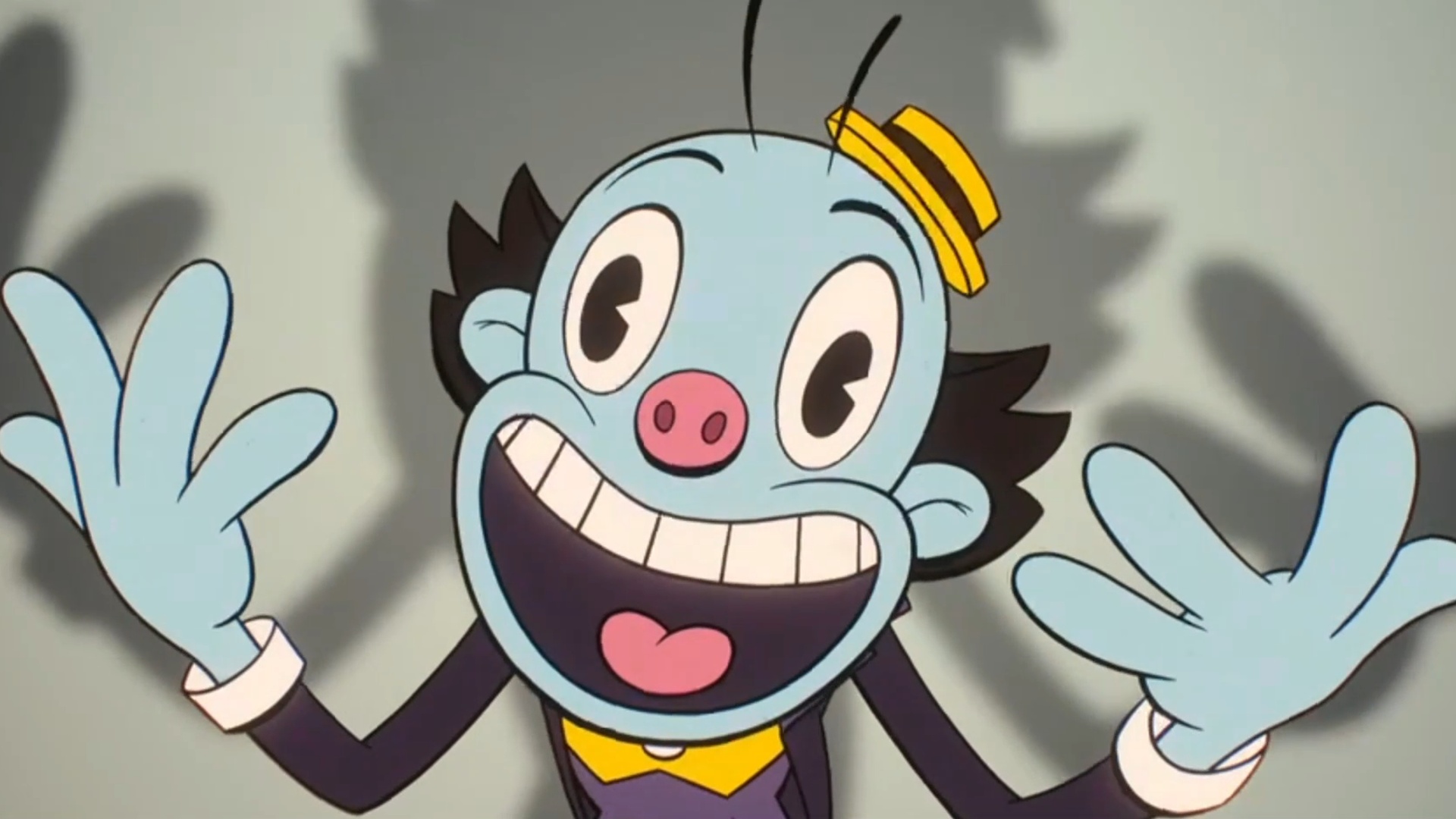
Game of Thrones didn't need a dance-off between Ned Stark and Joffrey to become the biggest thing in pop-culture – it did that purely off the strength of its writing and characters.
The bottom line is, if you make a great show then people will talk about it. If you just go for viral moments and they flop, you're left with nothing.
2. OBSESSED With The Past
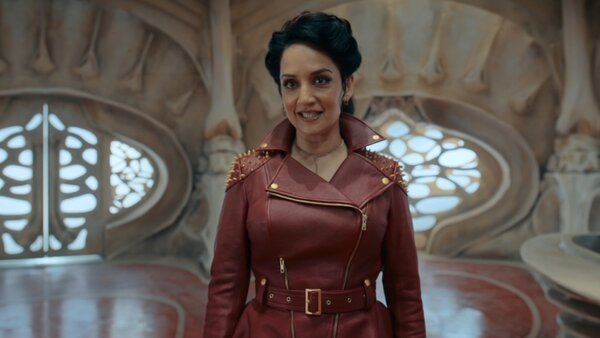
While RTD2 had some original episodes like 73 Yards, Dot and Bubble, Lucky Day and The Story & the Engine, overall it felt like it was never able to escape the shadow of Doctor Who’s past.
Bringing back David Tennant, Catherine Tate, the Toymaker, and adapting a 1980s Doctor Who Magazine comic-strip were harbingers of what was to come.
And while the Fifteenth Doctor’s first season initially seemed determined to forge its own path, it was undermined by a finale that brought back a villain previously seen 49 years ago, and involved scenes of our leads literally watching his first story.
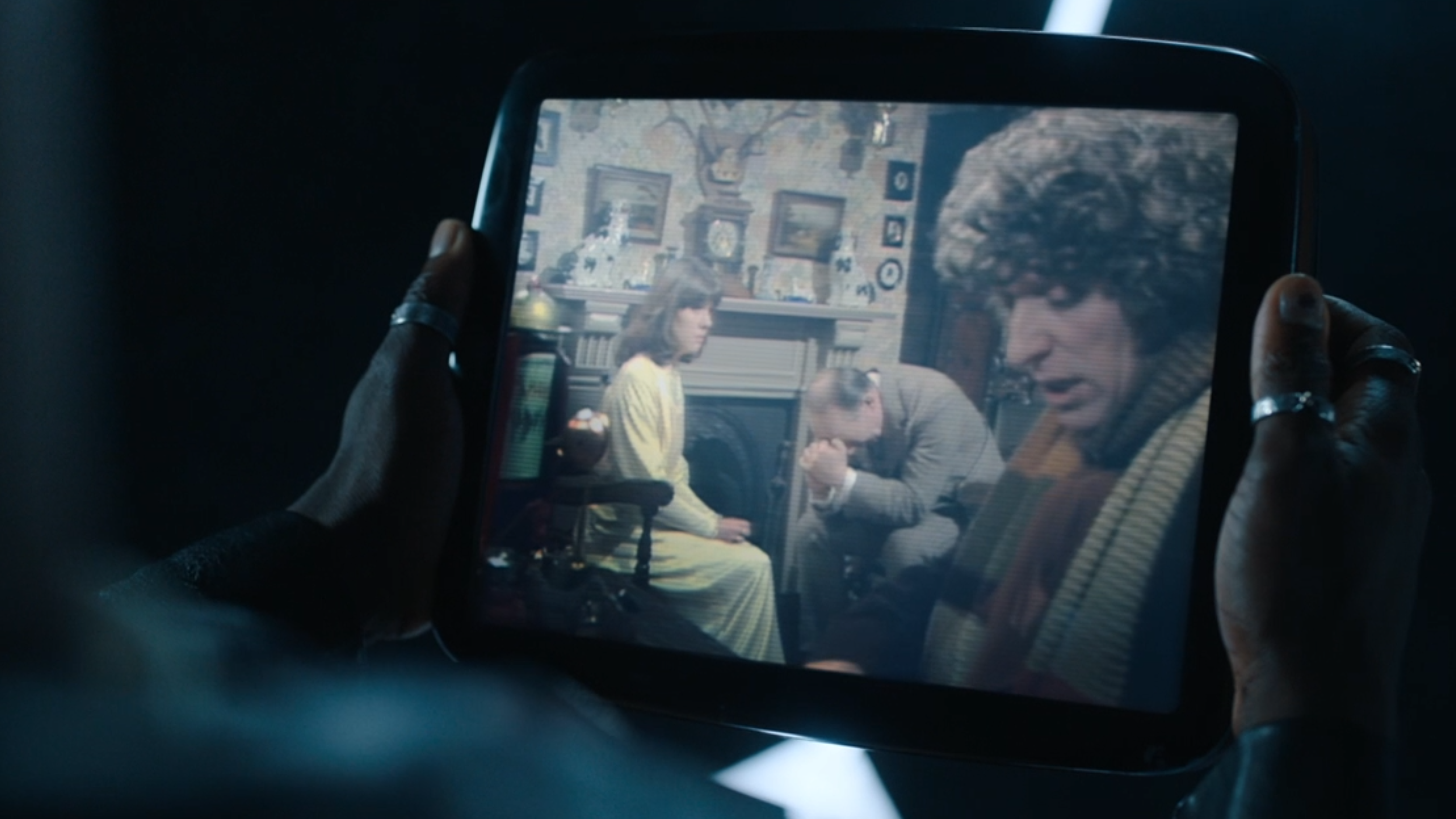
Even the Doctor discussing his history with Susan in The Devil's Chord was a stange moment in hindsight. All that talk in the buildup about this being a jumping-on point for new fans, but right out the gate you hit them with 61-year-old lore? It would be a bit like Christopher Nolan's Batman reboot mentioning something that happened in the Adam West TV series – just bizarre.
Season 2 continued this trend from The Well inexplicably being a Midnight sequel, to a cameo from the Fugitive Doctor, to yet another classic-focused finale.
Considering the audience you're trying to reach will not have seen the classic series or even have access to it (Disney+ didn't even have modern Who, let alone Pyramids of Mars or Time and the Rani), the fanboy nature of RTD2 was a massive unforced error that greatly damaged the accessibility and broad appeal of the show.
It's difficult to comprehend why these decisions were made considering how safe RTD played it with references and returns in 2005.
1. Writing The Show Into A Corner
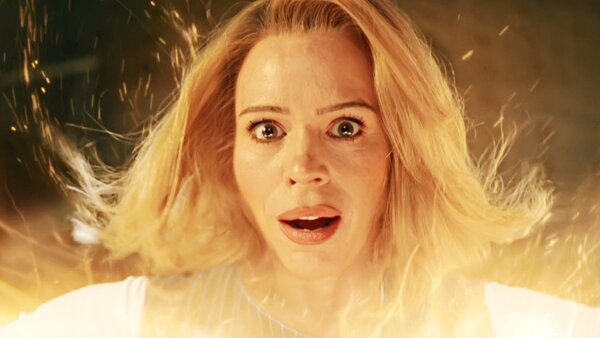
For one last baffling flourish, Doctor Who has been left with an awkward cliffhanger that in all likelihood will never be addressed on TV. Because how can it?
The Doctor regenerating into Billie Piper was... a choice. But at the time, we could at least speculate about how it was going to be resolved, and it seemed like the show had some sort of direction for its next episode.
Now we know that there’s not going to a follow-up (and any plans for a followup were tenuous at best), we can see it for what it was: a last-ditch attempt to generate some good old content, perhaps in the hope that Disney or another partner would be convinced to pick the show up.
In fairness, it does also feel like this decision was taken to help Doctor Who itself. The last year has already been quiet – can you imagine how quiet it would have been if we didn't have a floating Billie Piper head to speculate about? A fade-to-black ending would've also made it feel like Doctor Who had actually ended, even though it hasn't. Russell was trying to keep the show ticking over, and he sort of succeeded.
But with the cancellation of the Christmas special, the overriding emotion is frustration. It feels like we've wasted a year treading water, when the show could have been pushing forward. Without all this Christmas special and Billie Piper baggage, could Doctor Who have gone to tender sooner? Why didn't someone put their hand up and make that decision in early 2025 when it became clear that the Disney era was crumbling?
Instead we have a cliffhanger that just makes the transition to the next era more difficult. If you ignore it, that's weird, and if you acknowledge it... well, you can't acknowledge it can you, because the show is destined for a soft reboot. Awkward.
Still, at least this gives Big Finish something to do for the next couple of years.