10 Simple Fixes For Doctor Who's Future
A few turns of the sonic could give Doctor Who an even brighter future in 2025, and beyond!

Despite what you might read in some corners of the internet, Doctor Who Season 1 was far from an absolute disaster. There were some fantastic episodes in there like Rogue, Boom, and 73 Yards, and a delightful and charismatic duo leading the charge.
Doctor Who has been back on our screens for almost 20 years now, and despite what those same corners may have thought, Saint Russell of Davies isn't a miracle worker. The TV landscape in 2005 was vastly different from the one we have today – across traditional broadcasters, streamers, and YouTube, there's such a huge amount of choice on offer that it's much harder for a show like Doctor Who to compete.
To put it another way, you have to do something really special if you're going to rise to the top.
It doesn't help then that if we're being honest, this bold new RTD era does feel a lot like the old one. For all the excitement surrounding Ncuti Gatwa's casting as the Doctor, the show doesn't feel like it's evolved in the ways it needed to, and also made some basic mistakes that must be rectified going forward. This may not be a problem for hardcore fans like us who are going to tune in regardless, but it's hardly likely to win over a new crowd of viewers, which was the whole point of "Season 1" in the first place.
So with that in mind, let's propose some relatively minor tweaks and fixes that can help Doctor Who be even bigger and better in 2025, and beyond!
10. Make The Season Opener A PROPER Event

Between 2005 and 2008, Russell T Davies' series openers were fun, frothy romps that allowed the Doctor and their new companion to get to know each other. Since then, we've had sweeping blockbuster premieres like The Impossible Astronaut and Spyfall, episodes that boldly and loudly announce "DOCTOR WHO IS BACK!"
Compared to those, Space Babies felt like mid-season filler awkwardly elevated to primetime status.
Maybe it was the fact that it dropped at midnight, or maybe it was because Space Babies, a silly bit of fun though it was, was a tad underwhelming. And dare we say... a bit embarrassing? Either way, it didn't feel like the big launch of a brand-new era, something that would get potential new fans raving on social media.
There was no gripping drama or a mind-blowing plot twist – there were just awkward CGI baby mouths and a farting spaceship.

By immediate contrast, the second story of that night, The Devil's Chord, was a much better opening episode.
It had a huge guest star in Jinkx Monsoon, it featured The Beatles, and the musical elements led neatly into that night's Eurovision Song Contest. If they'd led with this episode on its own, it would've been interesting to see how audience retention for the season was affected.
The third episode, Boom, would've also been a great opener. A stone-cold thriller with a brilliant concept and a riveting central performance from our new Doctor would've definitely got more casual viewers buzzing about the latest Doctor Who relaunch.
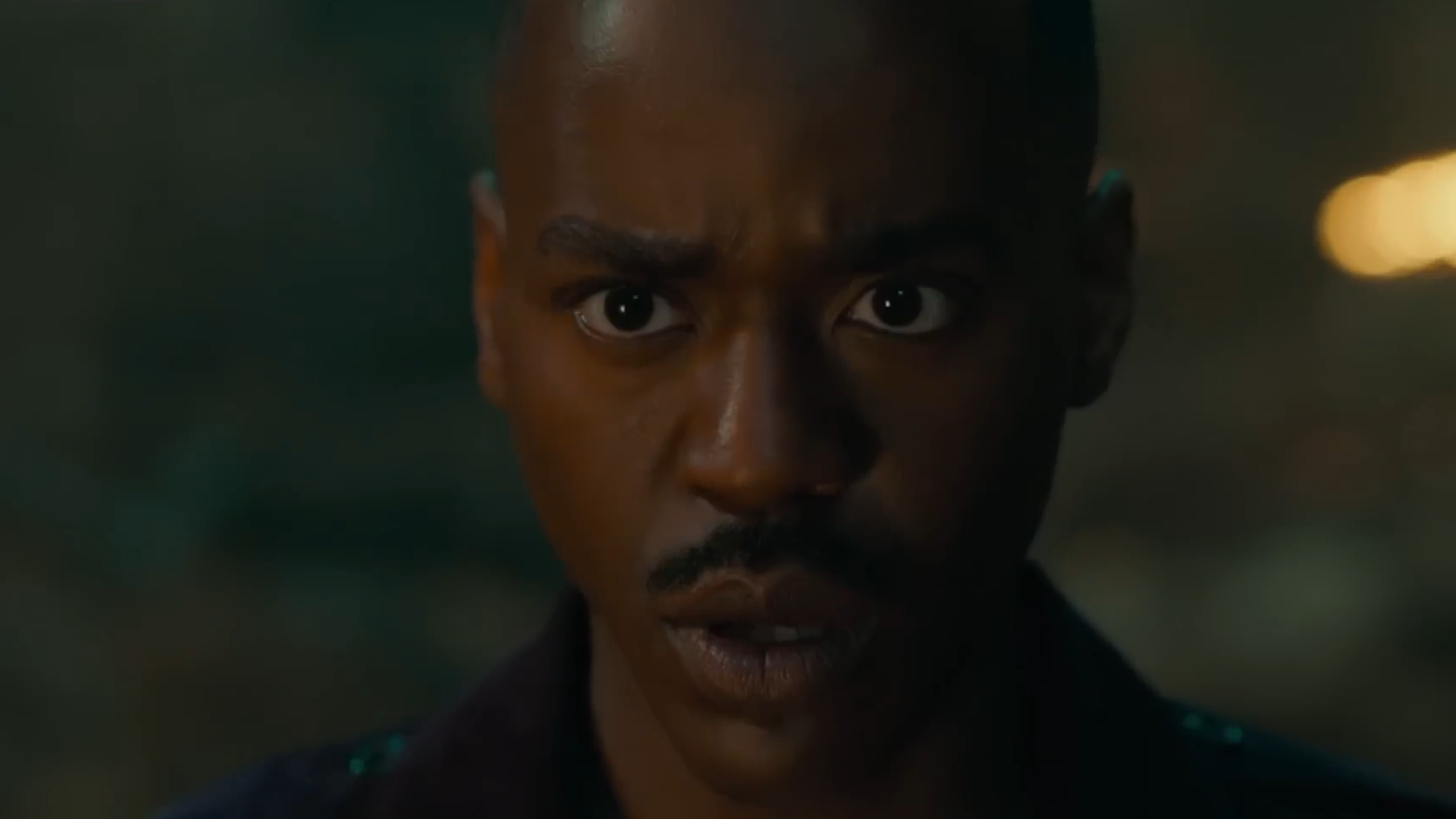
Given that we're likely to meet Varada Sethu's new companion Belinda in the Season 2 premiere, that might be enough to 'eventise' the episode. But we also need something a lot more dramatic and thrilling than Space Babies was. You and me may love a bit of silly Doctor Who, but it's much harder to get broader audiences to take those episodes seriously.
And to be fair to Russell T Davies and co, it seems they did realise this. Not only was the decision to add The Devil's Chord to the opening day lineup a clear admission of Space Babies' shortcomings, but they were once hoping to launch Season 1 in January 2024, essentially making The Church on Ruby Road – one of the stronger episodes of RTD2 thus far – the season opener.
9. More New Writers

Ncuti Gatwa is the show's first lead actor who was born after Doctor Who went off the air in 1989. His completely fresh perspective on Doctor Who (and the character of the Doctor) could've been fundamental in revitalising the show for the 2020s.
However, that's not quite how things have worked out, and that's partly because the majority of Gatwa's scripts were written by two dyed-in-the-wool Doctor Who fans who are now in their 60s – two dyed-in-the-wool Doctor Who fans who have already written a substantial amount of Doctor Who.
While we had Kate Herron and Briony Redman write the fantastic Rogue, one of the biggest disappointments of Season 1 was the lack of new talent. If Doctor Who is going to survive past the RTD2 era, Russell needs to start shaping the next generation of showrunner. And bringing in younger writers who have fresh new ideas for what Doctor Who can be is the best way to do that.
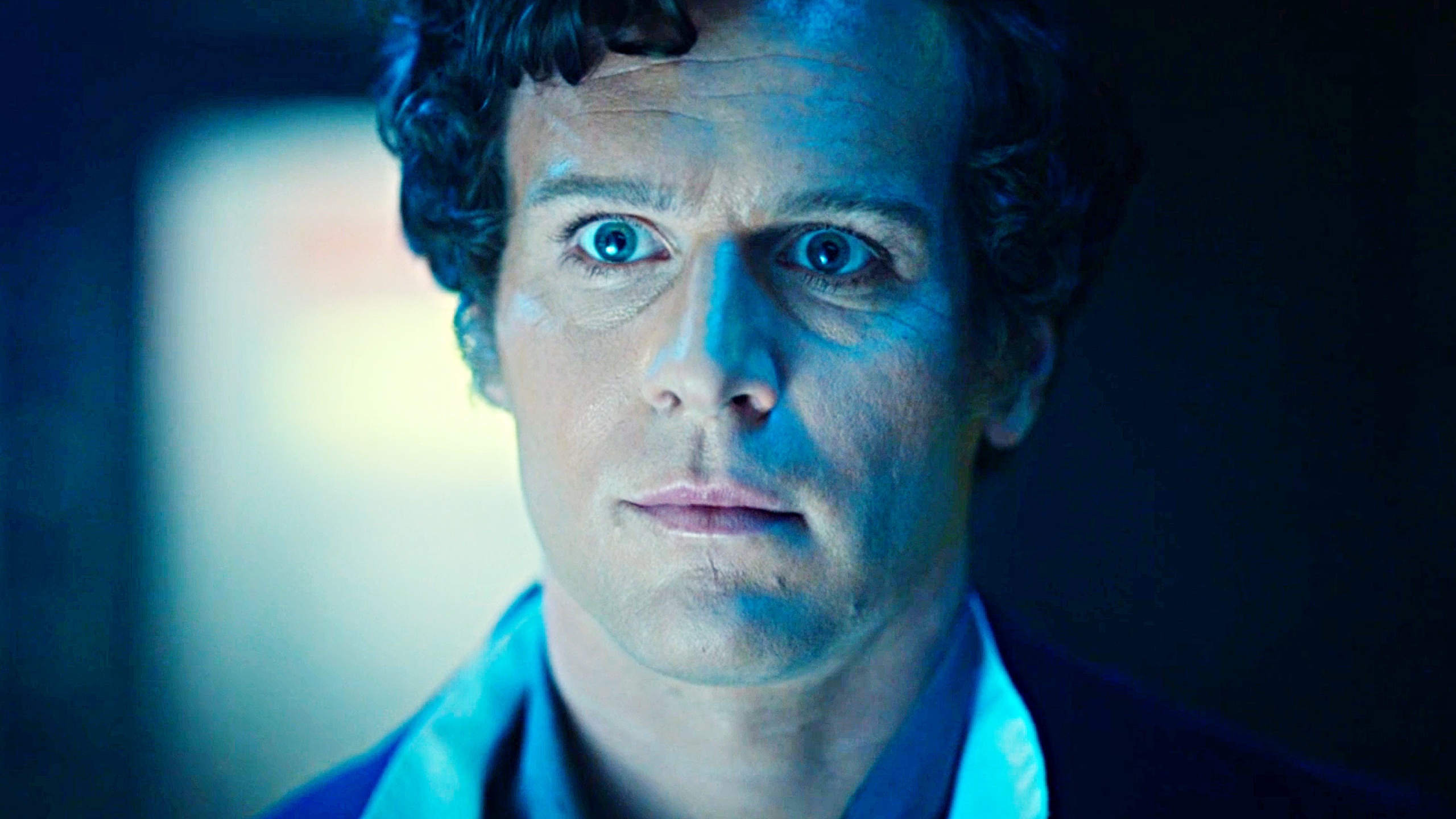
To be clear, we are not saying that old writers, or returning writers, can't get the job done. Steven Moffat has written more Doctor Who than just about anyone, and yet Boom was the best episode of Season 1 by a fair margin. Similarly, RTD delivered the goods with 73 Yards, and there are fans already hailing Wild Blue Yonder as a classic. It's just that the balance between new voices and seasoned voices needs to be a bit better. You have to look at what's next for Doctor Who – RTD and Moffat can't keep doing this forever!
There's also the fact that having Russell write less of the scripts would allow him to focus on the bigger picture season arcs and general showrunning, which should lead to a more cohesive and satisfying overall package.
It's already looking likely that Season 2 will feature more new writers, and hopefully this continues going forward. By all means, invite Steven Moffat back to write a new episode every year – but at the same time, have one eye on finding the next Steven Moffat.
8. More Imaginative Spinoffs

When the Whoniverse was first announced, our fan brains were fizzing with all the incredible possibilities for potential spinoff shows. A Paul McGann miniseries! An older Matt Smith as the Eleventh Doctor on Trenzalore! The Time War! The Nyssa Adventures!
So it was pretty disappointing to hear that the first new Whoniverse show will be The War Between the Land and the Sea. With an entire universe of possibilities, the fact that Russell T Davies settled on doing a Children of Earth-style drama miniseries about humanity's conflict with the Sea Devils is sorely lacking in imagination.
We've seen that story play out so many times already, from 1970's The Silurians, to 2022's Legend of the Sea Devils. Is this new spinoff going to finally have humanity agree to co-exist with our aquatic Earth-fellows and their land-based cousins? It seems unlikely.
Now to be fair, we don't know much about The War Between the Land and the Sea at this stage. Maybe there's a lot more to it than meets the eye – there could be a Doctor or two in there, or some other exciting twist that will elevate it to true event status. And regardless, the show itself is likely to be pretty good – the cast is stacked with talent, and it's being written by two veteran Doctor Who writers in Russell T Davies and Pete McTighe.
But if they want the Whoniverse to become a huge global franchise, then the ideas need to be much bigger and better than this. Not just ideas that will excite hardcore fans – ideas that will get everybody talking.
David Tennant returning as the Fourteenth Doctor was a bold swing that broke the internet for a solid year and resulted in monumental excitement around the 60th anniversary. That's the kind of big-scale thinking we hoped to see when that snazzy Whoniverse logo was first unveiled in 2023.
7. No More Doctor-Lite Episodes

One of the biggest problems with Season 1 was the absence of Ncuti Gatwa. It was an unavoidable consequence of him needing to film Sex Education Season 4, but it undoubtedly harmed Doctor Who.
With only eight episodes – and Gatwa being largely absent for two of them – it was harder to build a strong connection with his Doctor. It's particularly frustrating because he was really getting into his stride with Boom, only to then disappear for two weeks – and when he returned, the end of the season was right around the corner.
On the plus side, we shouldn't have this issue again in Season 2, as Gatwa had no other major filming obligations and could fully focus on Doctor Who. And really, with only eight episodes in a season, we shouldn't be seeing Doctor-lite episodes at all.
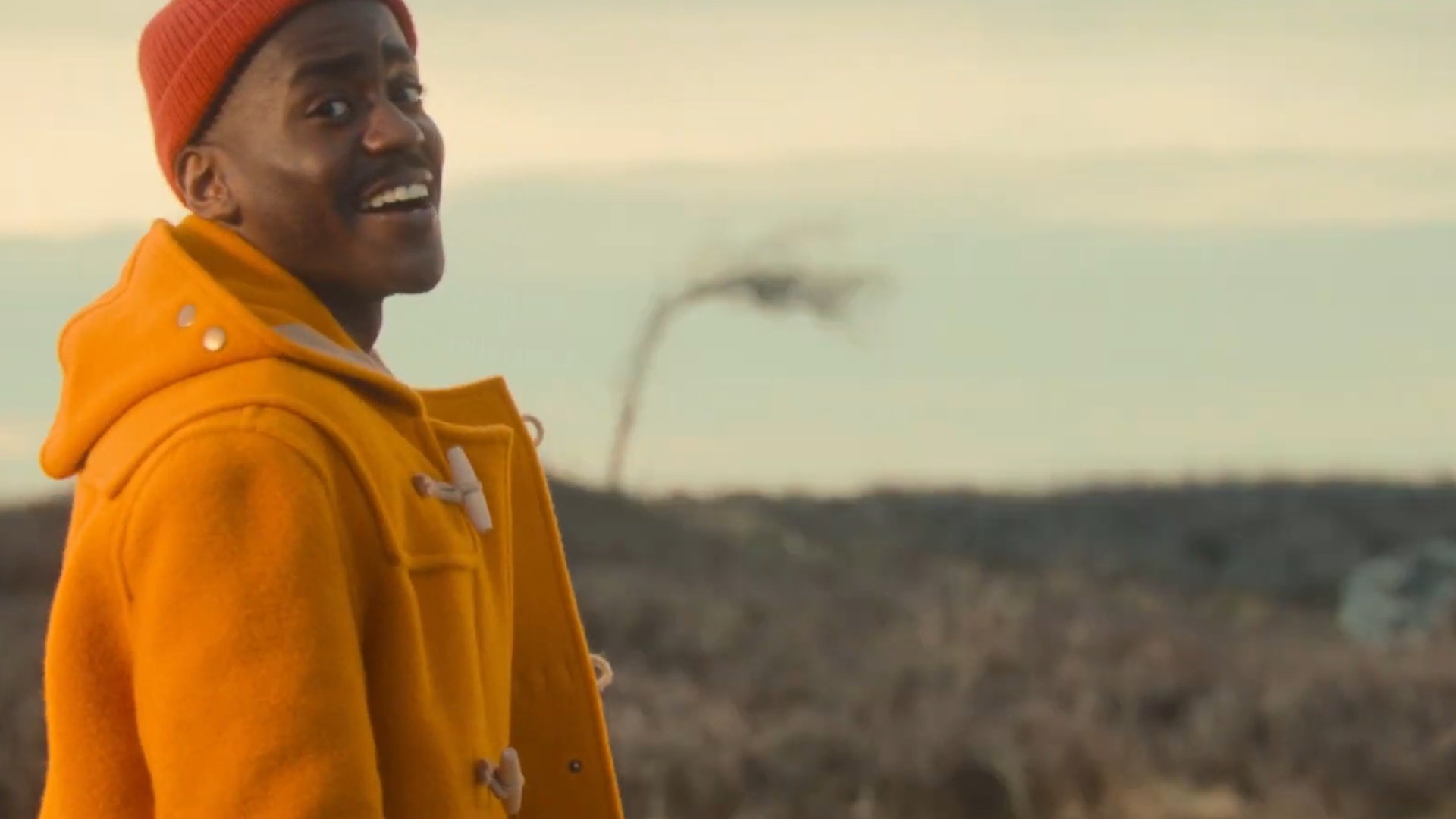
Back in the old days of 13 episodes per series, it was fine if the Doctor was absent for one or two of them – but today, those one or two episodes represent a much bigger fraction of the Fifteenth Doctor's screentime.
Hell, for a quarter of Doctor Who Season 1... the Doctor wasn't in it!
If Gatwa follows his predecessors and sticks to the three-series rule, he'll already have a tragically low episode count in comparison. So let's see as much of him as we can!
6. Launch In The Autumn Or Winter

There was some disappointment when Season 1 failed to replicate the viewing numbers of the 60th anniversary specials and The Church on Ruby Road.
The average seven-day viewing figure for the 2023 specials was over seven million people, while the average for Season 1 was just under four million. That's a big drop, but there are a number of factors behind it.
Firstly, David Tennant and Catherine Tate were always going to draw in the big crowds, and regeneration episodes – plus the first episode of a new Doctor – are always huge events. Also, people seem to forget that Doctor Who has broadly had a core audience of around four million people for the past nine years, and last we checked, the sky is yet to fall.
Crucially however, the time of year also plays a big part in the ratings game. When it's colder, wetter, and generally more miserable, people are more inclined to stay at home on a Saturday night and tune in to Doctor Who. This was reflected in the fact that 73 Yards was the highest-rated episode of the season, during a period of heavy rainfall and travel disruption in the UK.
There are already whispers that Season 2 will start airing in March, which would be a wise move. Future seasons should follow suit and also air during a colder, darker month, whether that's at the start of the year, or towards the end. This wouldn't automatically guarantee monstrous ratings, but it would definitely get more casual eyeballs on the show.
5. Ditch The Midnight Release

On a similar note, the decision to release new episodes at midnight in the UK clearly did Season 1 no favours.
Doctor Who's most passionate and loyal audience has always been in the UK, so to drop the show at a time that was deeply inconvenient for that audience was a very strange move indeed.
Post-episode chatter and hype took a hit because your biggest fans were half-asleep, or fully asleep! It's that initial groundswell from the hardcore fans that gets positive word-of-mouth flowing, which casual viewers then hear about, prompting them to check out the latest episode. But when those hardcore fans are talking into the Twitter void at 2am on a Saturday morning, it's more difficult for the show to catch on.
While Season 1 did still air in that typical Doctor Who Saturday teatime slot, there is something to be said for launching it there too. Make it an appointment – an event not to be missed! Saturday evening is the optimal time for that vital UK audience, and for US viewers, it would be Saturday afternoon, so still convenient for them too.
This way, you get everybody buzzing about the show at once. We don't need staggered release times again – that just staggers the hype and therefore, diminishes potential interest.
Ultimately, dropping new episodes on the iPlayer and Disney+ at the exact same time they aired on BBC1 worked very well for the 60th anniversary and The Church on Ruby Road. If it ain't broke, don't fix it.
4. Cut Down On The Crying
The Fifteenth Doctor is more in touch with his emotions than any of his predecessors. But is there such a thing as being too emotional?
A crying Doctor definitely has impact. Look at the scene in Boom where Ruby gets shot – it's made all the more gut-wrenching by the fact that we can see and hear the Doctor's hearts shatter into tiny pieces.
However, when it doesn't work – and when it happens constantly – it undermines the character of the Doctor. Imagine if, during the big cliffhanger in The Time of Angels, the Eleventh Doctor froze up like the Fifteenth Doctor does at the end of The Legend of Ruby Sunday. The Eleventh Doctor has a big hero moment, delivering a speech to the Angels, while the Fifteenth Doctor stands aghast and does nothing as Sutekh brings his gift of death to all of humanity.
That's not the Doctor. The Doctor would snap out of his shock, his fear, and defiantly warn Sutekh not to cross him, declaring that he's going to save everyone in the universe!
Nobody is saying that the Doctor shouldn't cry or be more emotional. This trait of the Fifteenth Doctor has lots of storytelling potential, and when it works (like in Boom), it enhances the scene. But when it happens at the wrong time and in basically every episode, it loses its impact. This is something that needs to be balanced a little better in Season 2, and beyond.
3. More Doctor/Companion Friction

Yes, the Fifteenth Doctor and Ruby Sunday are the very best of pals and that's lovely, but it's not very interesting is it?
Ruby just stands and watches the Doctor "bring death to death" in the finale. She asks no questions and doesn't interrogate the Doctor's plan, she just stands in the background as he tells off a very bad dog. Where's the tension? Where's the butting of heads? Just because they're best friends it doesn't mean they have to be nicey-nicey 24/7. Especially because that's not how real-life friendships work.
Look at some of Doctor Who's other "best friend" pairings. The Fourth Doctor and Sarah Jane adored each other, but she still took the mickey out of him or chided him for his cold response to the death of Laurence Scarman. The Tenth Doctor and Donna were the best of friends, but they constantly bickered with each other. And the Eleventh Doctor and Amy were at each other's throats from their very first episode!
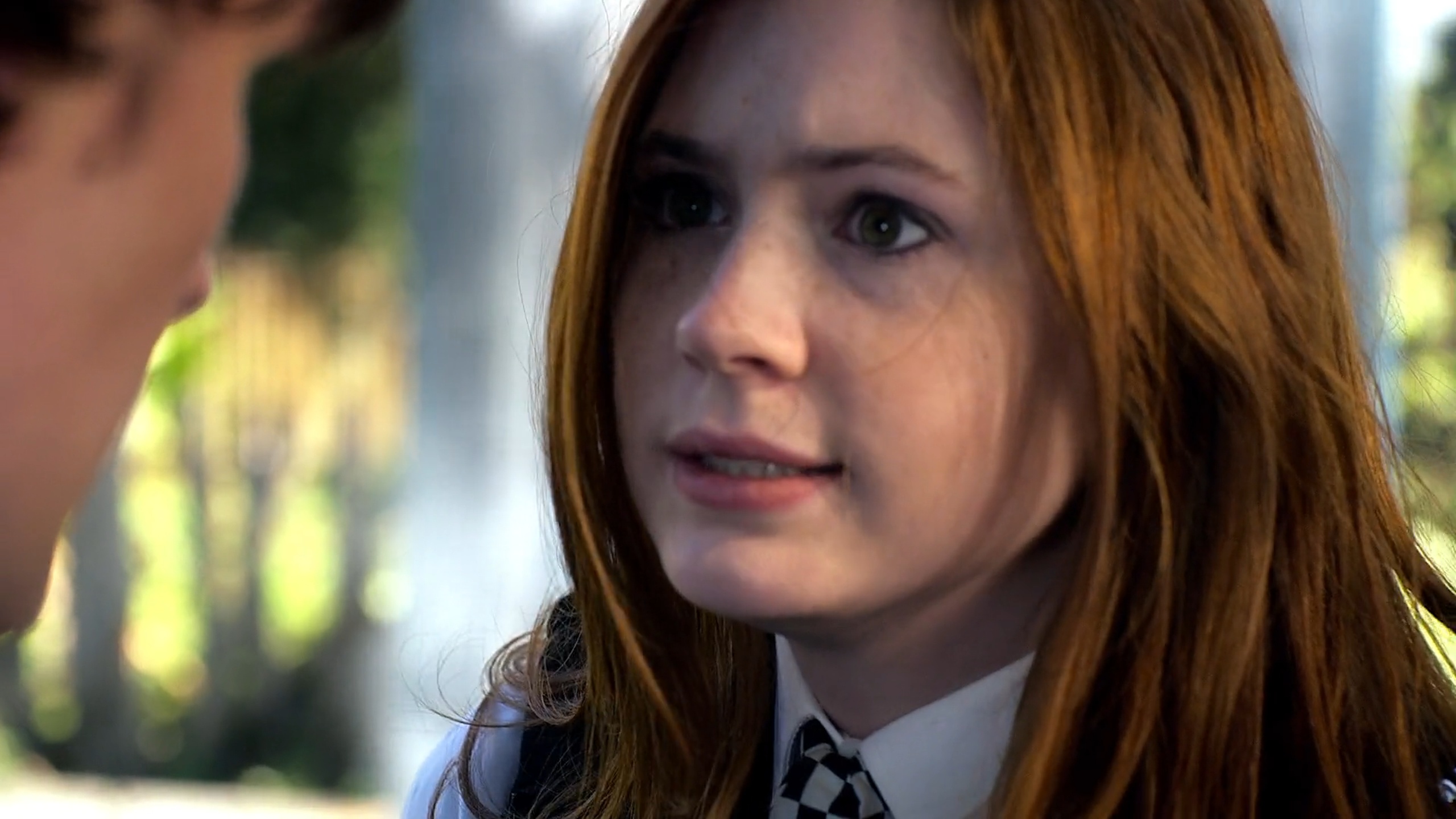
Sarah, Donna, and Amy were great Doctor Who companions because they had agency, and weren't afraid to stand up for themselves or offer a different perspective.
We saw flashes of this in Boom, which was fantastic. But that was... pretty much it. The result was a fun yet two-dimensional Doctor-companion relationship, so hopefully we see a lot more friction between them going forward – whether that's Ruby, or Season 2's new companion Belinda Chandra.
2. Ten Episode Seasons

Something that affected the development of the Doctor and Ruby's relationship was Season 1's short runtime.
Doctor Who used to have 12 or 13 episodes per series, which is unrealistic in this day and age, granted. Chris Chibnall cut down from 12 episodes to ten, but those episodes were at least 50 minutes long, and in some cases closer to 60 minutes.
Season 1 on the other hand? That was cut down to just eight episodes, with runtimes hovering around the 45 minute mark. But with other major shows like The Boys and The Rings of Power delivering chunky 60 or 70 minute episodes, is it really too much to ask for Doctor Who to have hour-long episodes? Or stick to the 45-minute length, but give us ten of them?
You have to make the additional runtime count of course, but we saw repeated examples of Season 1 needing an extra scene or two, or more room for certain storylines to breathe.
Dot and Bubble really needed a final scene in the TARDIS, where the Doctor and Ruby discuss the devastating events they just witnessed. Are we to believe they just flew off and never spoke about Finetime again? Of course not – so show us that conversation! Rogue did this brilliantly, with the pair discussing Rogue's sacrifice and how it affects the Doctor.
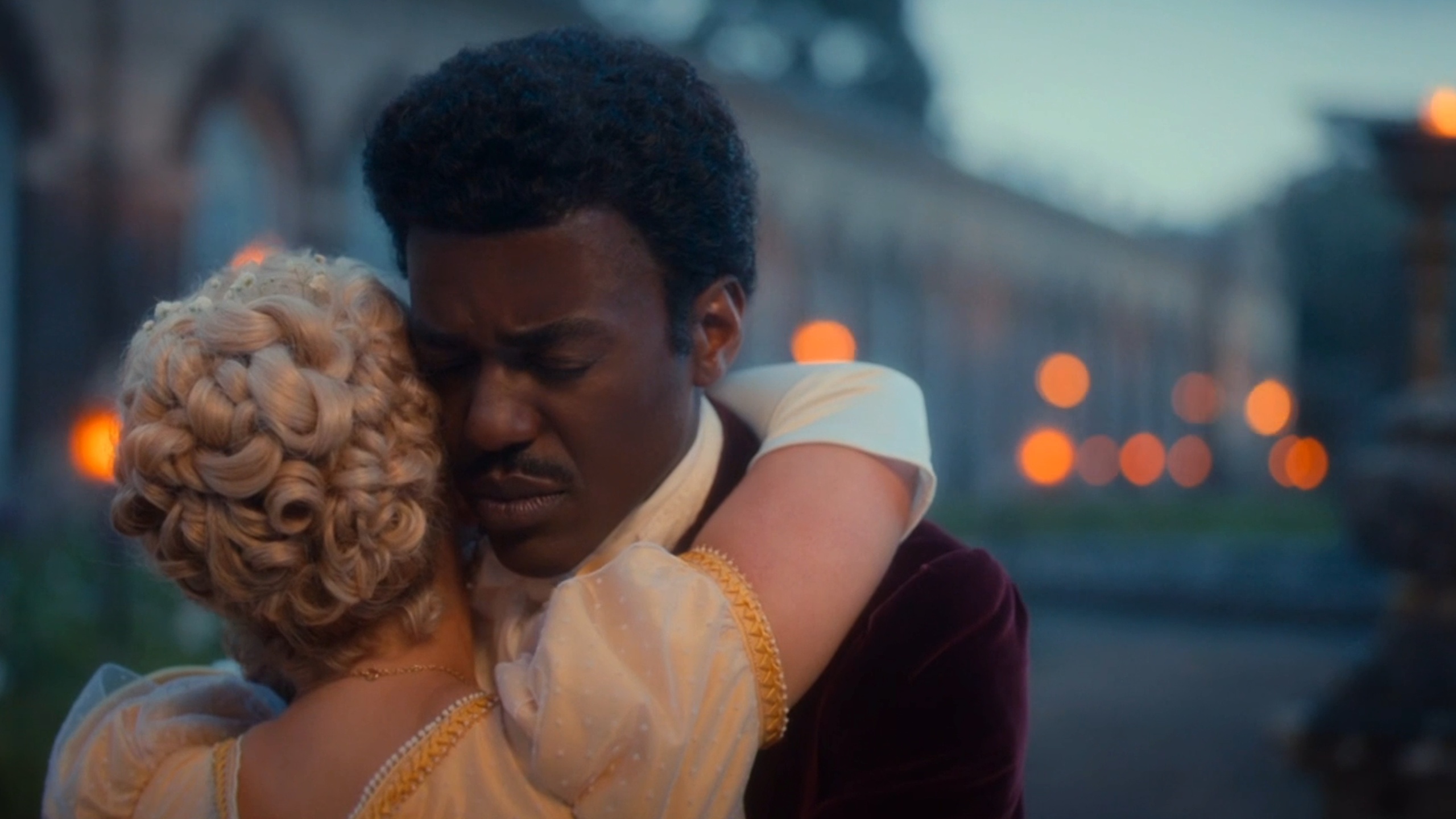
Similarly, The Legend of Ruby Sunday starts with the Doctor heading to UNIT HQ for seemingly no reason. Where was the scene in the TARDIS where they both discussed the mysterious figure they've spotted across time and space, before coming to the conclusion that UNIT can probably help them?
The whole season was full of little disconnects like this, leading to a slightly rushed overall feel. A longer runtime would also allow for more wind-down time between Doctor and companion, allowing us to actually see them being the "best friends" they claim to be.
Obviously, there are budget and workload considerations to take into account, but if those two extra episodes were two-parters, you only need one set and one cast for two episodes! And with the show filming so far in advance these days, there's definitely enough time to get more minutes filmed.
Interestingly, RTD did say that he has "plans" in relation to these eight-episode seasons, possibly hinting that future seasons could go up to nine, or ten. Season 2 is sticking with eight, so hopefully Season 3 is where we see this change implemented.
1. All Of Modern Who On Disney+

One of the best things Russell T Davies did when he returned as showrunner was to make every existing episode of Doctor Who available to stream on BBC iPlayer.
That's great for those of us in the UK, but for everyone else, Doctor Who's various eras are spread across numerous different streamers and VOD services – and that's if they're available to watch at all.
For example, in the US, BritBox contains the classic era, Max hosts the modern era, and everything from 2023 onwards is on Disney+. It's deeply confusing and very very messy to have the show divided and strewn about all over the place like this. It also means that if the Fourteenth and Fifteenth Doctors have got new viewers curious about previous eras, they'll have to sign up to a completely different streamer to check them out, which isn't ideal.

So while there may be pre-existing deals, rights issues, and other kinds of barriers to overcome, having at least the entirety of the modern era all in one place – whether that's Disney+, or whatever streamer the BBC partners with in future – wouldn't just be convenient for viewers, it would also be of great benefit to Doctor Who itself.
Over the years we've seen countless examples of bingeable older shows exploding on streaming, as waves and waves of people discover something they initially missed, largely thanks to it just being there, easily accessible on the streaming service they flick through every single evening.
Putting Doctor Who in a similar position can only be beneficial. Let new viewers finish Ncuti Gatwa's first season and then immediately dive into the Ninth Doctor, all within the same app. Currently, those new viewers are going to watch Agatha All Along or The Simpsons instead! A centralized international Whoniverse would improve that retention, giving people more Doctor Who to discover, to watch, to talk about, driving interest and engagement in the show even during the off-season.
If a Matt Smith fan on Twitter is making waves just by watching modern Doctor Who for the first time, then just imagine what could happen if Disney+'s 150 million subscribers got access to the back catalogue too?