10 Shocking Facts The NFL Don't Want You To Know
It's all going very wrong...

10. Punishment?

One of the highest profile falls from grace to have happened in recent years was the suspension of Adrian Peterson for causing negligent injury to his son.
Peterson faced a lengthy suspension with pay, and a lengthy battle to regain the public's trust, but that wasn't supposed to be the plan. A leaked voice message from Troy Vincent, a league executive, promised Peterson that he would only face a 2 match ban.
The NFL's lax approach to punishing players has gone so far that President Obama has weighed in on the situation, requesting that the league treat issues seriously, instead of just slipping behind the curve each time.
9. Dragging Feet

The NFL was sent the full tape of Ray Rice hitting his wife, knocking her unconscious in an Atlantic City casino elevator in April 2014. This was confirmed by a law enforcement official, reporting to the Associated Press.
It took until September 8th for The Ravens to release Rice and the NFL to suspend him indefinitely for his actions.
There has been a marked increase in domestic violence cases including NFL players over the past few seasons, which has led the league to implement the 'Personal Conduct Policy' - Something that has divided the public and press alike in regards to it's potential effectiveness.
8. What Money?

78% of players who leave the league will be bankrupt within 5 years. Most overspend with little to no thought of investment, leaving themselves in such a horrible state that the NFL has been forced to implement financial advisers and training to attempt to bring this figure down.
7. Blackouts
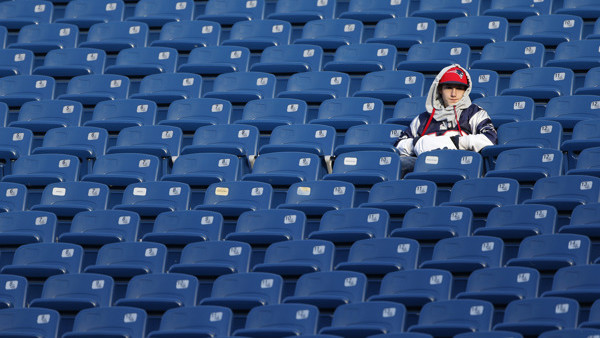
The league has some of the strictest 'blackout' policies of any sporting body in the world. The policies essentially state that if a game does not sell out 72 hours prior to kickoff, it will not be screened within a 75 mile radius of the stadium.
A team can apply for an extension if they are close to selling out the game in question, and often, local broadcasters will buy the remaining tickets to give away to charities just so the game can be screened.
The policies are designed to help increase ticket revenue and 'on-site' support for the teams.
6. Painkillers

The NFL is also currently in the grip of a serious painkiller problem. Multiple surprise inspections by the DEA at several stadiums during the 2014 season painted a frightening picture of the league's reliance on prescription drugs. Former stars also confirm the problem facing injured retirees:
Former QB Ryan Leaf is currently serving a prison sentence for crimes related to narcotic painkiller abuse. Tom McHale - former Buccaneer and Eagle died of an overdose in 2008, and several other players have gone on record to state that they have developed major problems with painkillers since leaving the league with injuries sustained during play.
5. George Preston Marshall

It took until 1962 for the Washington Redskins to allow African-American players and staff to join the team.
Owner at the time - George Preston Marshall was a proud, outspoken racist and only relented when the US Government stepped in, threatening federal action against him if he wouldn't allow the team to integrate - Marking the first time in history that this had to happen.
In contrast, African-American players had been welcomed into other NFL teams since 1946, beginning with the desegregation of the LA Rams.
4. $$$
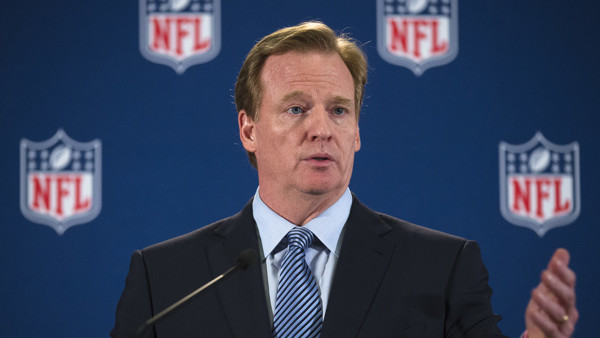
The NFL is not a sporting business - it's a money making machine. It makes more money than any other sporting corporation on the face of the earth.
The league turned a profit of $9bn last year, but Commissioner Roger Goodell firmly believes that this can be bettered. He has announced a push for $25bn yearly profit by 2027.
3. 55 Years
The average lifespan of an NFL player up to 1994 was only 55 years. While there have been significant wellness policy adjustments and a marked increase of lifespan, this is a horrifying statistic to look at, considering the fact that 20 years really wasn't all that long ago.
2. Concussion Is Still Rife
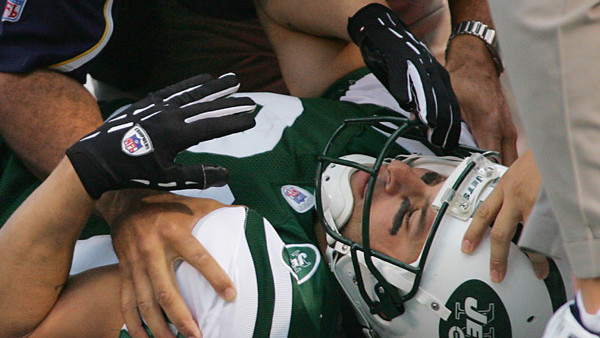
Despite changing the rules to reduce the risk of head injury within the sport, there were still 228 recorded cases of concussion in the 2013 season.
Sustaining repeat concussion is believed to have caused severe problems for both retired and current players, including (but not limited to) depression, anger management problems, various other mental disorders, brain injury and suicide.
1. The Bottom Rung

Cheerleaders, Mascots and entertainers (when actually paid) are on a reported hourly rate of around $2.85. There have been several attempts to unionise and raise awareness, but all have fallen through.
The most recent development has seen a series of suits brought against the league to guarantee a fairer wages, staff benefits and deal with several cases of mistreatment.