10 Problems Newcastle Need To Fix To Avoid Relegation

The definition of insanity is doing the same thing over and over and expecting different results...

You get the feeling that every game between now and Christmas will be called a Must-Win for Newcastle and Alan Pardew (for as long as he lasts), and it starts with a not at all simple away game at Swansea this weekend. Rather unhelpfully, Pardew has already been told that his job is safe regardless of what the result is (so expect a trouncing), but that doesn't mean that the manager can afford to rest on his laurels and ignore the major issues that are standing between him and a team that can actually pick up points. At times this season, and indeed last, it has felt like nothing is being done on the training ground to address the specific problems in the team, and as general excuses have appeared in post-match interviews, nobody has pin-pointed exactly why the team cannot win. Luckily for the manager, the fans can see exactly where the issues are, and he should take heed of the following suggestions to turn around a dismal year at St. James' Park...


10. Stop Hitting All Set Pieces To Mike Williamson

Easily the most frustrating thing to watch for any Newcastle fan is the continued, baffling decision to use the same approach to long set-pieces that positions Mike Williamson at the back post and has him play target man in the hope of someone scoring from the second phase. As all Newcastle fans will attest, this has a similar success rate to putting Rob Elliot on the back post. It never works. The problem is not just that every team in the league knows exactly what to expect, but also that Williamson lacks the two things that are required to play the target role: direction and power. He might be a solid, unspectacular defender, but his heading ability has long been up for question. The ball hits his head, rather than him powering through his neck - which is why headed clearances rarely make it anywhere near the half way line - so quite why he was chosen for this set-piece play remains utterly confusing.

9. Be Offside

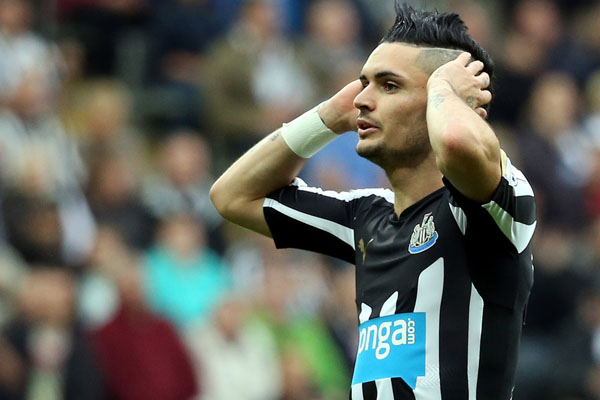
For the past couple of seasons, the sheer number of times that Loic Remy and Papiss Cisse were offside was openly criticised by fans - especially in Cisse's case - but that frequency was a step up from the rate of offsides we've seen this season. Somehow, in 6 league games, not one Newcastle player has been ruled offside, which you might think was an impressive stat if it wasn't instead indicative of the problems with the way the team is set up to attack. Instead of attempting runs across the back-line or off defenders' shoulders, Newcastle play all of their football now in front of the opposition defence, and the lack of running, especially from Riviere who is played in entirely the wrong way for the system, means progressive play is unlikely, and being offside even more so.

8. Either Drop Dummett, Or Tell Him How To Get Forward
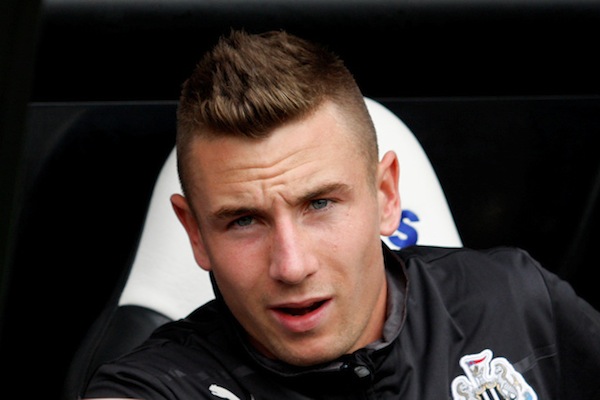
Newcastle have an embarrassment of riches when it comes to the left-back position, with five players currently able to occupy the role in various states of fitness, and it seems that Paul Dummett is the first choice at the minute. Unfortunately, this decision has glossed over the fact that despite his youthful enthusiasm and local heart (two things Pardew tends to prize above all else), Dummett's positional sense and tendency to make himself available for passes are very poor. When defending, Dummett is too often dragged out of position, allowing opposition wide men way too much space, and forcing the centre-backs to back off as they approach, and in attack he stands without shouting on the touchline. He is not the worst player on the books by any means, but his two biggest short-falls could and should be addressed on the training ground.

7. Stop Playing A Holding Striker With No Little Man To Play With
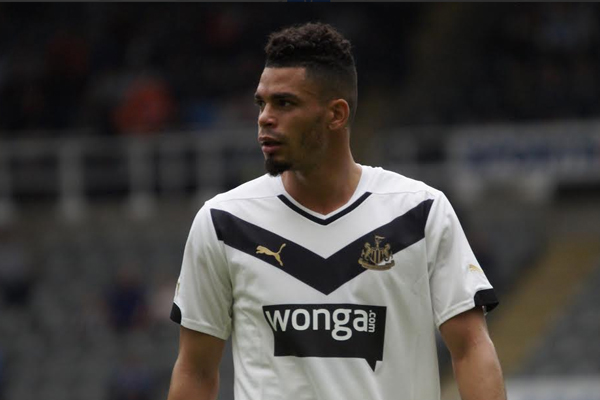
Emanuel Riviere has come in for a lot of criticism so far this season thanks to his perceived lack of a goal threat, which is at least partly fair given his tender shooting in front of goal. But there's a wider problem with the system Newcastle play, and the nature of the player that means he's fighting a losing battle from the first minute. Riviere is a hold-up player, who takes the ball down, passes it and moves into phase two - the style of attack that Newcastle played under Chris Hughton with Andy Carroll in attack. As such, he needs support from either a number 10 - which we've been robbed of thanks to De Jong's injury - or a little man partner like Ayoze Perez to take the ball past him. Riviere cannot play the lone striker, because he's set up to play with someone running beyond him, and because of the issues with the wide areas, nobody is doing it. In that respect, the system needs to be changed, or the players do.

6. Populate Midfield

The 4,2,3,1 formation might appear to be a progressive one, but the issue of playing both Cheick Tiote and Jack Colback in deep holding roles and then an attacking midfielder high up the pitch is that nobody plays in the centre-circle. Against Southampton and Stoke this proved a problem as the space gave counter-attacking teams too much time on the ball to encourage their wide men forward, and worse, opens the defence up to long shots that make Tim Krul look like an idiot in goal. Under Pardew, the formation isn't used as four banks of players with Riviere at the front, instead it's two banks - attack and defence - with a no man's land that encourages the opposition to play between them. If there was someone playing in front of the deepest defender, the ball could be broken down earlier, and attacks could be stifled before they became harder to defend.

5. Move

The other issue with the two banks of players is that movement this season has been awful, with Gabriel Obertan's substitute appearance against Stoke proving to be a rare - and surprising - exception. Nobody is taking up the Yohan Cabaye role of coming back to pick the ball up, and the defensive midfielders are sitting too cautiously, taking them out of the equation as attacking options for most of the game. It is far easier to defend against a team that ignores the concept of fluidity, and though Newcastle do tend to have more of the ball now than the end of last season, the lack of movement means most passes are short, simple and not exactly progressive. It could be that the deep defensive midfield line means that Gouffran, Sissoko and Cabella are too cautious, because getting beyond the ball means opening the team up to counters, but simply working on movement in training would help ease those concerns by opening up far more options.

4. Stop Persisting With The Same System
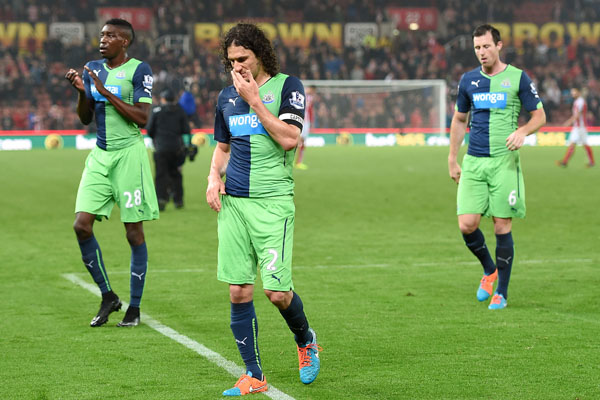
The definition of insanity is doing the same thing over and over, and even Louis Van Gaal - who would allegedly stick with his 3,5,2 no matter what - has changed his system to suit his personnel. Pardew meanwhile persists with a system that is fundamentally failing to score enough goals or defend well enough. Something needs to change, but Pardew's insistence in interviews that the team is "not functioning as we would like" suggests he doesn't see change as necessary. That is the definition of insanity again. Conversely though, trying to change formation mid-game is not always the answer. Pardew's problem for years has been ending the game with an entirely different formation to when it started, leaving players without any sense of stability. The answer then is to change the system from the start: try playing with two strikers, or three strikers, as worked so well at the tail-end of the season we came fifth. Anything other than the lone striker system would be preferable.

3. Play Vurnon Anita

This is likely to get a lot of criticism, given the unfair dismissal of the Dutchman as too light-weight for the Premier League but that assessment is utterly ludicrous. Not only is Anita far more durable than his slight frame suggests - consider his impact at left-back against Palace when he came on - he is easily the most gifted technical centre-midfielder on the Newcastle books. Rather than playing both Tiote - a breaker by definition - and Colback - functional, smart but without the vision - Pardew should put Anita into the team and allow him to occupy the play-maker role that is missing between defensive and attacking midfield. For too long he has been considered a scape-goat, but the role he played at Ajax after moving from left-back is exactly what Newcastle need.

2. Stop Letting Tiote Fanny About In Front Of Defence
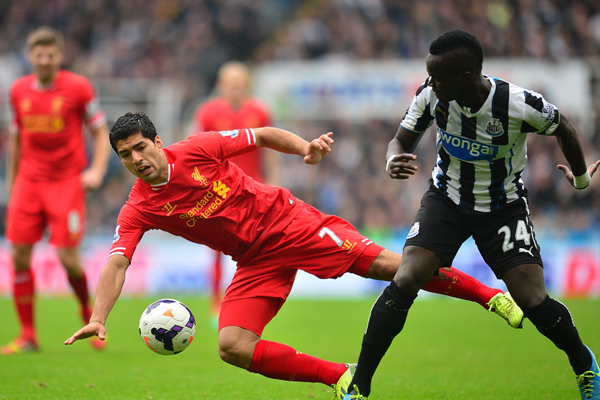
Whether he wants to leave the club or is completely committed, there's no denying that Cheick Tiote is a valuable player for Alan Pardew. He is strong, enthusiastic and a great tackler, and when he goes forward his passing success is far greater than you might expect from an anchor man. Unfortunately though, Tiote also likes to imagine he is a play-making sweeper sometimes, and believes that his strength is enough to protect him from the attentions of any opposition player. That's why he infuriatingly plays around with the ball way too much in front of the defence. It might not be that he even loses the ball, but he invites pressure from not only the harrying player but also the rest of the attack, which immediately puts his team under undue pressure.

1. Use Cabella Correctly

Or in other words, stop playing long balls. Right now it seems that Newcastle have two approaches to starting attacks: to give the ball to Tiote, who will play short balls around with his defensive team-mates until someone tries to give it to a full-back who is either marked or not where he should be, or to let Mike Williamson hit long balls up the pitch. Not only do those long balls limit how Emanual Riviere can operate - since he is more often than not the target - it also means that players who are most confident with the ball at their feet - Cabella, Sissoko, Gouffran - are left out to pasture. If Riviere wins the ball, they can then pick the ball up from him, but by then the defence has usually stepped up to stop the runners having space. So the answer is to try and launch attacks quicker on the floor, and to encourage Cabella to drop deeper from his attacking midfield role to pick the ball up and turn and run. Yes, he's likely to be frustrating at times, but he is still the most successful dribbler at the club, and his incisive play when it actually works is the key to playing expansive attacking football. Which other issues do you think Alan Pardew needs to address ahead of the Swansea game?

Contributor
Contributor

WhatCulture's former COO, veteran writer and editor.