8 Times Science Did The Impossible
There's a black hole on Earth and rats are sending Thought Mails, what a time to be alive.

Science can sometimes feel like a cold, hard reality machine, in which there is little room for the "impossible", hippies, psychics and naturopaths will often gleefully tell you that "science doesn't know everything", and that sometimes the amazing and the impossible is beyond its cool, clinical reach.
But the truth is that the impossible is something that science specialises in. Taking the laws of psychics and poking them with a big old stick until they do something, is how we've been able to develop everything from aeroplanes to quantum computers. It's how we take "magical" and "impossible" concepts such as telepathy and levitation, that were previously the preserve of the mystics, and bring them kicking and screaming into the real world, with lots of maths and experiments.
Sure, it might not be as romantic as fairy magic, but it is a hell of a lot more useful.
In the not too distant past, it seemed impossible that we might each have a computer in our homes, let alone in our pockets, yet there's a good chance you're reading this on your smartphone. In the past, science has delivered impossibilities such as flight, power and the ability to control our lifespans, and it's still at it, with the potential for teleportation, telepathy, fuel-free spaceflight and much more winking temptingly on the horizon.
And this is how they plan to do it...
8. The Dream Recorder

In a move that is equal parts awesome and death-nell-for-freedom-of-thought-ish, scientists have been able to record, decode and reconstruct people's thoughts using the magic of fMRI.
The scientists in Tokyo hooked their test subjects up to an EEG, stuck them in an fMRI scanner and started by taking lots of baseline readings, imaging the subjects brains as they began to dream and teaching the algorithm what those patterns meant.
They were later able to actually reconstruct the dreams of the test subjects, using thousands of images taken from the web. Scientists at UC Berkeley have also come up with some similar results.
You don't have to worry about the Thought Police spying on your dreams just yet, as the technology is still in its infancy, but perhaps some day in the future, we will be able to use it to record dreams, develop telepathic interfaces, or even communicate with coma and locked-in patients.
7. Teleportation

Think about it, teleportation would do a lot more than cut out your daily commute.
If we could develop a reliable, large-scale way of teleporting both people and objects (the second part is crucial if you want to arrive clothed at the other end), then we cut out the need for fuel guzzling transport, slashing emissions. We would no longer have to spend masses of time and money shipping goods around the world and just what would become of roads and parking lots?
Okay, that's still a long way off, but scientists are beginning to make some noise about teleporting both information and (gulp) objects.
Quantum teleportation harnesses a phenomenon known as quantum entanglement, in which entangle particles are seemingly able to communicate with one another instantaneously over any given distance, and it gives us a way of securely teleporting information immediately between two points. It all sounds a bit abstract, but the concept is now well established.
Quantum teleportation is a slippery customer, however, and probably isn't exactly how most people would picture teleports. The good news is that some more researchers are working on a concept dubbed classical teleportation, which doesn't rely on any quantum effects and is "closer in spirit to the original fictional concept".
6. Creating Black Holes
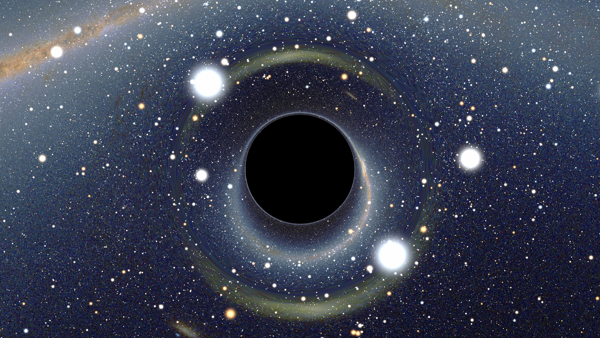
Black holes have always captured the imaginations of both scientists and the general public.
Remember when the LHC was about to be fired up and everyone lost their minds about the potential to create a black hole that would eat Switzerland (or something)? Well now scientists are doing it on purpose and no one is batting an eye, times change huh?
They're not just doing it for a laugh though. Physicists at Technion University in Haifa, Israel, are creating mini black holes in the lab to study the existence of Hawking radiation. This is impossible to observe in real-life black holes, but figuring it out is crucial to our understand of how black holes, and the universe in general, work.
Rather than collapse a star, the physicists have created their black hole out of sound and have indeed observed something that could indicate that Hawking radiation is indeed real.
Outside the world of deep theoretical physics, he practical applications for pet black holes remain to be seen - an innovative new trash-disposal system perhaps?
5. Making Antimatter
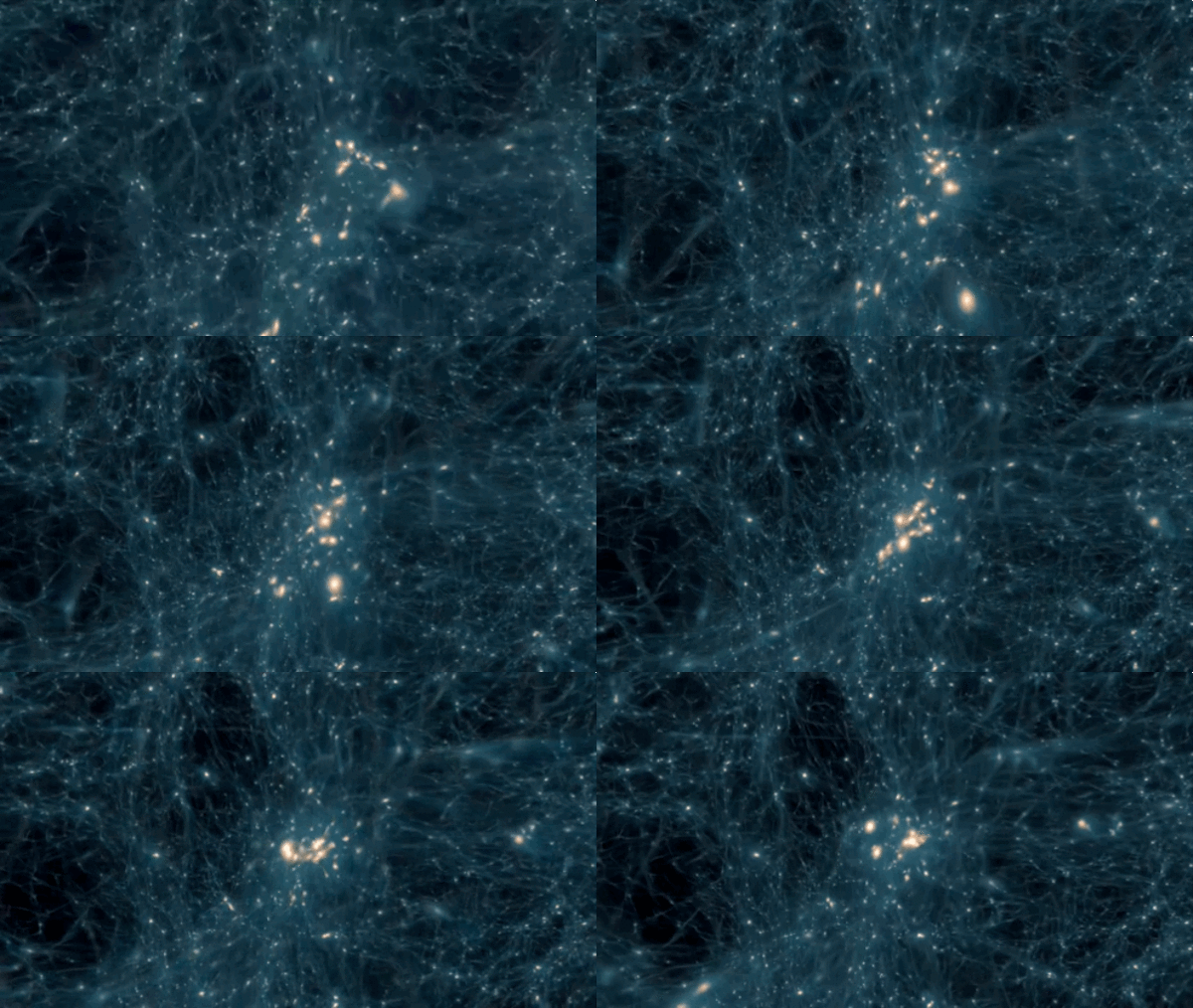
Antimatter, if we could harness its power, could well be the answer to all of our energy needs. Unfortunately, there isn't all that much of it lying around, so scientists have set about trying to create it in a lab - and they're doing well.
When antimatter, which as the name suggests, is the opposite of matter, meets its matter counterpart, the two annihilate one another and release massive amounts of energy. If we can somehow find a way to harness that energy to power the engines and starships of the future, we could finally move out of the fossil-fuel backwaters and get on with being a proper civilisation.
The problem with antimatter is that it's difficult to produce and even harder to store. This is largely due to its aforementioned propensity for annihilating itself when coming into contact with matter.
However, a team of scientists from multiple countries, collectively known as ALPHA, managed to produce, trap and store antimatter for the first time back in 2010 and have since only been improving the technology, reportedly managing to store antihydrogen for as long as 16 minutes.
Hey, it might not be long enough to get us to Mars (or even the next town) just yet, but it at least proves that it is possible, which is always the biggest step in science.
4. Telepathy
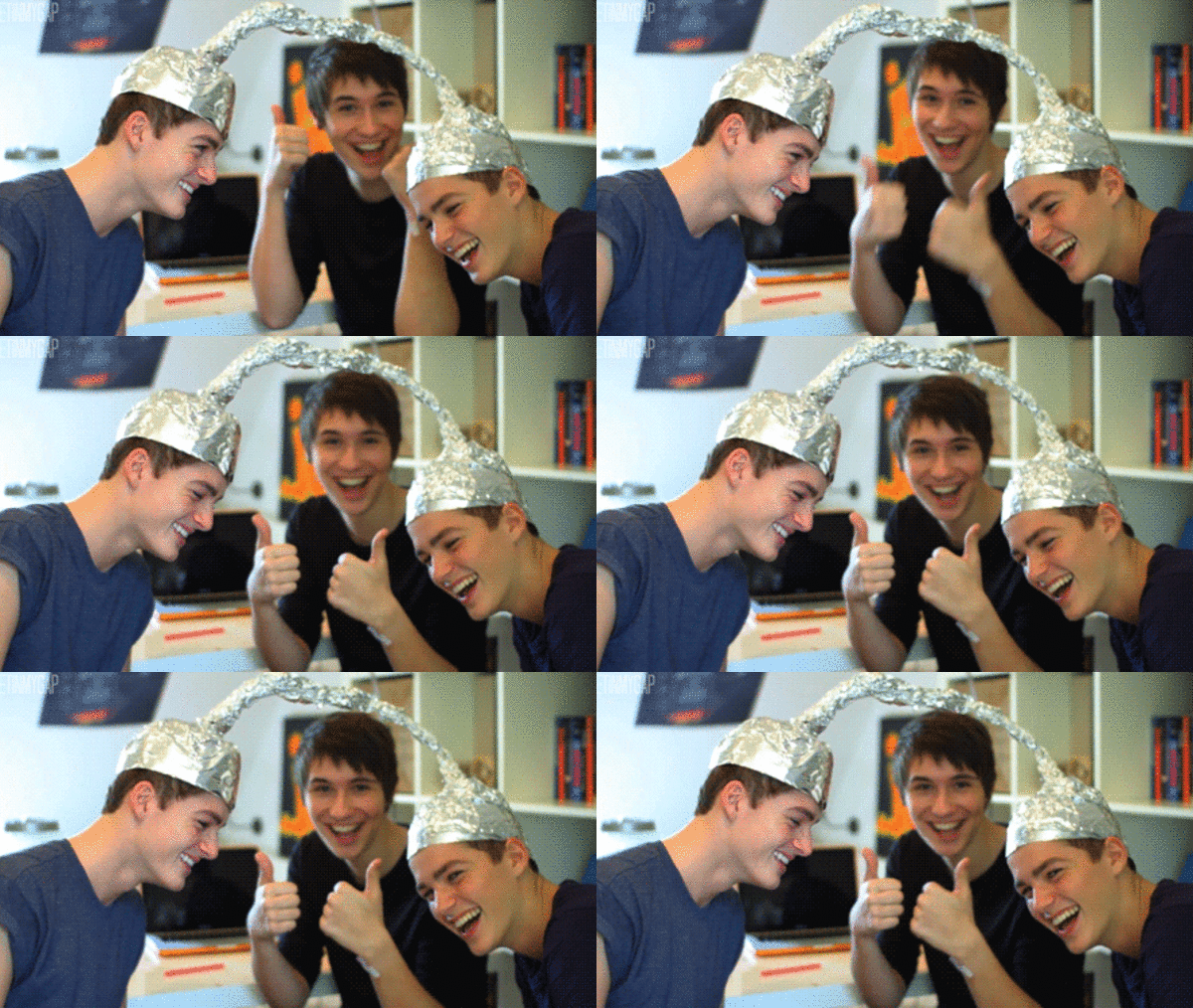
Telepathy has long been the preserve of Professor X and mad people on the internet, but now experimental evidence is showing that technology might just bring brain-to-brain communication kicking and screaming into the realms of reality.
Experiments with rats have shown what appears to be the telepathic transmission of "thoughts" (inasmuch as rats can have thoughts) between two brains, thanks to the use of brain implants. In an experiment conducted by a scientist at Duke University, two rats were able to communicate with one another, despite being thousands of miles apart.
The rats were connected via brain implant and trained to press one of two levers depending on the colour of a lightbulb. One rat in a lab in Brazil, was shown the light to push down the right-hand lever, and the second rat in a lab in North Carolina duly pressed the right-hand lever in response to the first rat's brain signals, despite not being able to see the light.
The researchers think that humans brains would be able to handle incoming signals with slightly more subtlety than simply mimicking actions, and that it might some day be possible to transmit senses such as sight and touch. Some even think that it might have a possible military application, allowing us to telepathically control small insects and mammals for surveillance and even assassination missions.
3. The EM Drive

First designed in 2001, the EM drive is a true example of science doing the impossible, mostly because science still thinks it's impossible.
It can be summarised as a fuel-free propulsion system. This would mean that craft (dare we say spacecraft?) would not need to carry any fuel, thus making it much lighter, more efficient and capable of travelling greater distances. The hypothetical drive would also enable use to travel at speeds faster enough to reach another solar system in a matter of years and months - as opposed to milennia.
In simple terms, the engine uses a magnetron to push microwaves into a cone, then push against the end of the cone, and moving craft forward. The only problem is that such a drive would break the laws of physics, specifically, Newton’s conservation of momentum (you know the one, "for every action, there is an equal and opposite reaction").
Not to worry though, because we've built one.
Yep, there is allegedly a physics-breaking impossible engine ticking over in a lab somewhere and no one can figure out why.
Although none of the findings from experiments with the engine have been peer-reviewed as yet, everybody from NASA down has reportedly been unable to find an explanation for it, nor have they been able to prove that something else is skewing the results.
It could be that we find out that this was all a way to swindle government grants from taxpayers' pockets, but for now it seems as though we might just have an impossible engine on our hands.
2. 3D Printing Living Tissue
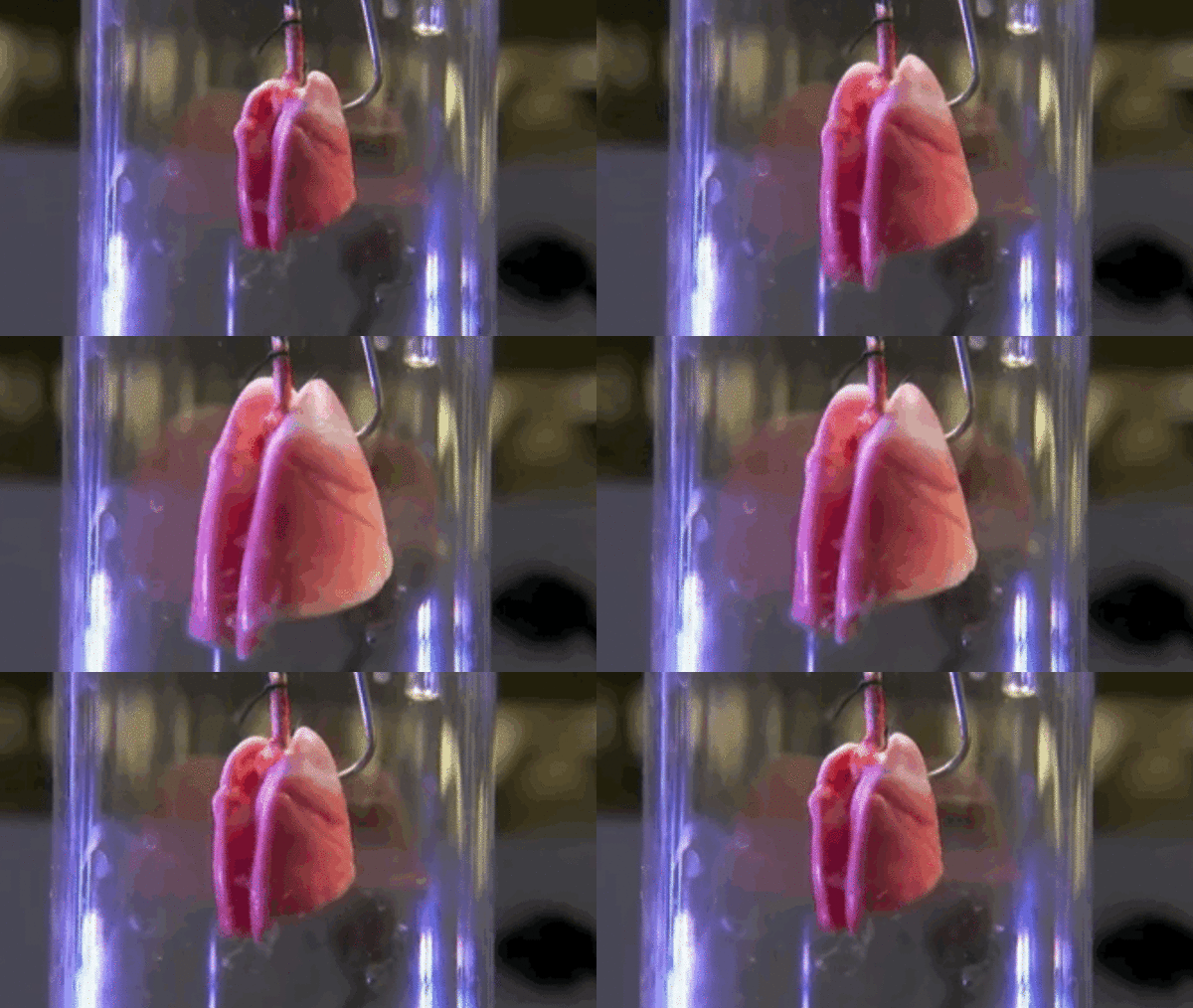
For those who follow this kind of thing even remotely closely, the idea of creating living tissue in a lab, artificially growing organs and harnessing the power of 3D printing is getting dangerously close to run-of-the-mill, but this is a concept that was firmly in the realms of science fiction or even fantasy until ridiculously recently.
One of the latest in the long line of developments in this field, is the creation of a "bio ink" by scientists at the University of Bristol, made from a mixture of natural and synthetic polymers. The ink can be used in an adapted benchtop 3D printer and can be assembled into complex, three-dimensional living structures through which a patient's own stem cells can be seeded to produce a perfect, matching, living organ. The team have successfully managed to produce a full-sized tracheal cartilage ring.
Unlike technologies such as teleportation and antimatter production, which are currently in the "I wish" phase of development, the ability to grow organs outside of the body will revolutionise medicine in our lifetimes, and even save many of our lives - not bad for something that seemed impossible just 50 years ago.
1. Time Invisibility
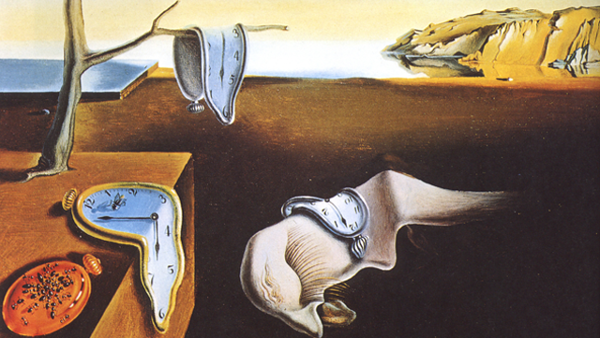
Whilst some scientists might be raining on our parades with regards to invisibility cloaks (yeah, apparently you'll never get your Harry Potter cloak, but whatever), scientists have figured a way of hiding events from time instead. Gotta love scientists.
Based on the way invisibility cloaks bend light around an object to render it invisible in space, the "Time Cloak" creates a hole in time, making it seem as though an event never occurred.
Researchers found a way of splitting a light beam and diverting it through a medium before putting it back together at the other end with a time lens, with no record of what went on in between. The lens speeds up and slows down the beams, creating a time vacuum in the middle in which events can be masked.
This kind of technology could be used to send uncrackable, encoded data that would be impossible to intercept. That's if we don't rip a hole in the spacetime continuum and find The Doctor climbing out of it first.
You could write for WhatCulture Science! Click here to find out how you could get paid to write about what you love.
If science gives you the warm fuzzies, like us on Facebook or follow us on Twitter to stay up to date.