8 Awesome Medical Benefits Of Illegal Drugs
Don't do drugs, kids, study them.
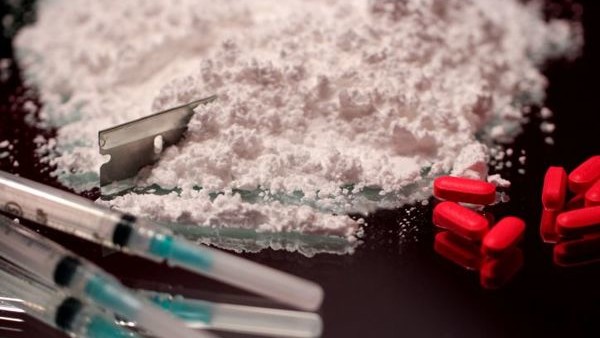
The War On Drugs, as well as being largely ineffective so far, has ended up strangling a lot of research into the potentially therapeutic uses for illicit drugs. In fact, it has led to certain drugs being so tightly controlled that it is actually way harder to get them through the "official" channels for research, than it would be to score it on the street and fire it into your own system with a dirty needle.
This is a problem, because the results we have managed to glean through the small amount of research that has been carried out are often pretty promising.
This is a problem, because we could be missing out on some serious breakthroughs. Drug abuse can ruin lives, for sure, but then again so can alcohol abuse and shutting ourselves off from some potentially life-changing treatments due to an arbitrary system of "nice drugs" and "naughty drugs" isn't doing anyone any favours.
We have managed to glimpse some of the beneficial properties of some popular recreational drugs, so just imagine what we could discover is science was allowed full reign over the research of these substances.
Don't do drugs, kids, study them instead.
8. MDMA Can Help PTSD Sufferers
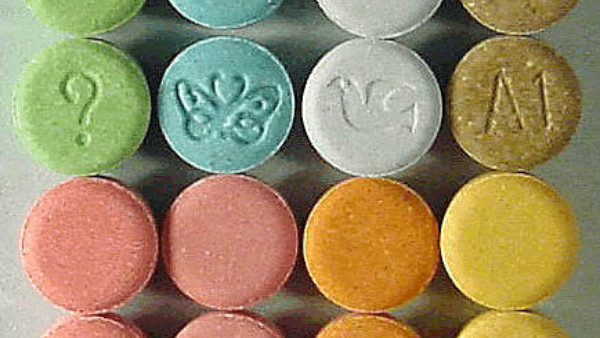
According to a 2011 study, and a follow up paper in 2012, MDMA, also known as ecstasy or molly, could have long term benefits for those suffering from post-traumatic stress disorder.
Before it was made illegal, MDMA was sometimes used by psychotherapists to aid therapy sessions, due to its ability to reduce anxiety, leaving with patient with a clear head and a feeling of euphoria. It's these properties that, when used alongside psychotherapeutic techniques which involve the patient "reliving" the traumatic experience in a safe environment, could help reduce the uncontrollable extreme anxiety reaction associated with PTSD and make the therapy more effective.
The research is still in in its infancy and is by no means conclusive, but it is part of a growing trend to investigate the therapeutic benefits of psychoactive drugs.
7. MDMA Could Also Treat Some Cancers

Even more research into the effects of MDMA has found that it could potentially be useful in the treatment of some cancers including leukemia, lymphoma and myeloma.
Before you go double dropping in the hopes of fighting off the Big C, the dose required to kill cancer cells is also large enough to kill you. For this reason, the reserachers are looking into developing a modified version of the drug (which, strictly speaking, means that it's not really the original drug anymore.
They have so far come up with compounds that are up to 1,000 times more effective against lymphoma cells than regular MDMA, but hopefully without an associated 1,000 fold increase in the "high" (because there's a chance that you would actually be able to see through four-dimensional spacetime at that stage).
It's not clear as to whether the modified drugs would produce any kind of high, but given the brutal experience of a lot of cancer treatments, perhaps it wouldn't be such a bad thing.
6. LSD Could Help Cancer Patients Cope
So, LSD might be the reason why most of our parents have no right to lecture us about drugs and, during the 60s, it was used as an aid in psychotherapy before those kinds of practices became taboo. Since then, restrictive drug control policies have meant that conducting research into the therapeutic potential of illicit drugs has been all but completely strangled.
In more recent years, however, there has been something of a resurgence in interest in drugs like LSD. Studies in the 50s showed us that it could be effective in treating alcoholism and more recent studies have shown that, as well as being an effective painkiller at low doses, and a beneficial treatment for cluster headaches, one of LSD's most potent effects was to reduce anxiety and hopelessness in cancer patients.
In a US study, terminally ill cancer patients were provided with safe doses of LSD. Two thirds of the patients said that they felt less tense, less depressed, less afraid of death and in less pain and half of those reported that the effect was dramatic. Whilst the treatment did nothing for their cancer prognosis, the compassionate use of psychedelics could drastically improve the final stages of patients' lives.
5. Ketamine Could Treat Severe Depression

Even amongst party drug enthusiasts, ketamine can be seen as a bit grimy, but some trials in the UK has shown that it could have an "exciting" and "dramatic" effect on those suffering from depression.
In the small study, some participants who had endured decades of depression, unresponsive to other, more conventional treatments, saw their symptoms disappear within a matter of hours.
The study, however, was very small, with just 28 participants, and the results varied dramatically between them. Some found that their symptoms cleared up for a full three months before requiring another dose, and other found their symptoms returning within hours. Researchers warn that, whilst this discovery opens up some exciting avenues, self-medicating is neither legal nor recommendable as the drug in its street form still carries the risk of some seriously unpleasant side effects. You simply run the risk of feeling just as depressed at the bottom of a k-hole.
4. Marijuana Could Treat Chronic Pain (But Not In Spliff Form)
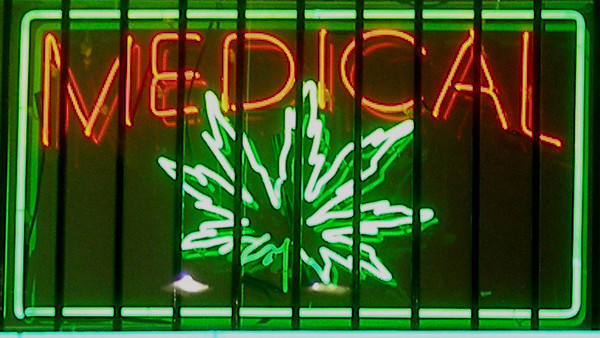
Marijuana legalisation is a hot topic these days. Whilst some of the loudest voices for legalisation are probably less interested in its therapeutic value, and more interested in its ability to make even Ben Stiller movies funny, it doesn't mean that cannabis doesn't potentially have some serious clinical applications.
One of its major applications could be in pain relief due to its cannabinoid content. THC, found in cannabis, targets the CB1 receptor, a cannabinoid receptor found mostly in the brain, but also in various spots around the body. The CB1 receptor is activated to quiet the response to pain or noxious chemicals. We know that the body also naturally produces its own cannabinoids to control pain, and those derived from cannabis work in much the same way. What's more, it is able to target the type of pain that more regularly used opioids can't, such as the neuropathic pain in HIV patients.
As well as pain relief, it has other applications such as nausea suppression in chemotherapy patients and appetite stimulation in HIV patients (the famous "munchies" effect). It isn't quite the miracle herb some make it out to be, however, and although it is often claimed that it can also be used to treat glaucoma and schizophrenia, the evidence for this is pretty weak.
Whatever the therapeutic benefits of marijuana are, it's unlikely that there will be widespread prescription of fat doobies in the future, that would be like your doctor telling you to suck on some willow bark instead of taking aspirin. What is more likely is that the beneficial compounds will be isolated and put into a drug in their pure form, probably without the psychoactive elements. Sorry, potheads.
3. Meth May Protect The Brain Against Stroke Damage
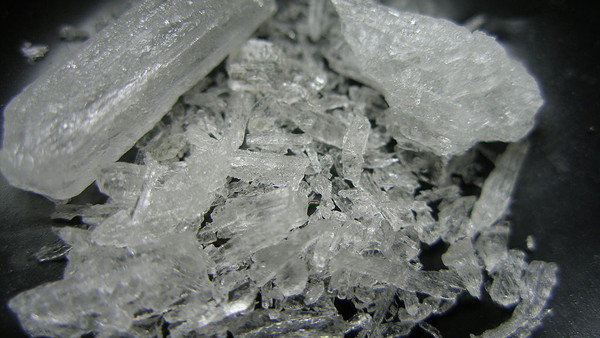
According to some animal trials, there is a chance that methamphetamine may offer some protection against the brain damage caused by stroke.
A stroke occurs when blood clots restrict blood flow to the brain. The oxygen deprivation causes damage in the restricted areas that can have a lasting and even permanent effect on functions such as mobility and speech. These effects can be lessened if clot-busting drugs are administered quickly after the stroke first occurs, but the window for treatment is a measly three hours. This treatment could potentially expand that window to almost a day.
In the trial, slices of brain were exposed to a simulated stroke condition, then dosed with methamphetamine. It was found that less damage consistently occurred in the slices treated with meth, but the reserachers are baffled as to why, particularly considering that meth use is known to increase the risk of stroke.
2. Heroin Is Best For Labour Pain

First things first, on no account is anyone to run off and take Heroin. Not to sound like your mum or anything, but that stuff is bad juju.
Secondly, pregnant women can get Heroin on the NHS when they are in labour. They call it Diamorphine and administer it via drip rather than dirty needle, but rest assured that it's just plain old heroin.
Heroin is an opioid with an incredible ability to relieve pain and make you feel more relaxed. It is also faster-acting and with fewer side-effects than other similar drugs. It might not make the labour any easier, in fact it might make it last longer, but it is sometimes given so that women can actually get some sleep whilst in labour.
Heroin itself, surprisingly enough, is not particularly harmful in non-lethal doses (remember, the dose makes the poison). The generally poor health of heroin addicts is mostly due to its ability to suppress pain, hunger and social function that leads to injury and neglect, compounded by the fact that a Heroin addict is more likely to spend their money on more Heroin than, say, rent, medical care or food.
1. Magic Mushrooms Could Help You Quit Smoking
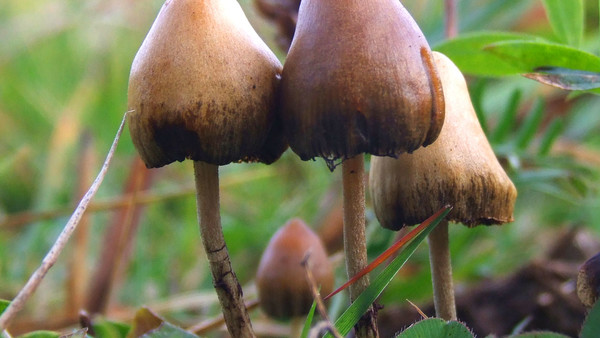
Like LSD, magic mushrooms fall into the category of "psychedelics" due to the active ingredient psilocybin.
As well as being found to be effective in treating many of the same conditions as LSD, including post-traumatic stress disorder, depression, and anxiety, some research has also indicated that it could help cigarette smokers kick the habit. 12 out of 15 people involved in a small study found that they were able to quit smoking after just a few trips in an experiment at Johns Hopkins University.
The participants were asked to trip out on some mushrooms with their eyes closed whilst listening to relaxing music. The lab in which the study took place was made up to look like a living room and this, along with the relaxing music, was to minimise the chance of a "bad trip". The quit rate was twice as high as you'd expect to see with the more common medication and researchers noted that those who had had more profound experiences, such as hallucinations or out-of-body experiences were more likely to quit.
It might seem like fighting fire with fire, but with 480,000 smoking-related deaths per year, it's worth looking into at the very least.
You could write for WhatCulture Science! Click here to find out how you could get paid to write about what you love.
If science gives you the warm fuzzies, like us on Facebook or follow us on Twitter to stay up to date.