7 Bits Of Body Tech You'll Actually Be Wearing In 2016

Like it or not, it's time to kit up.
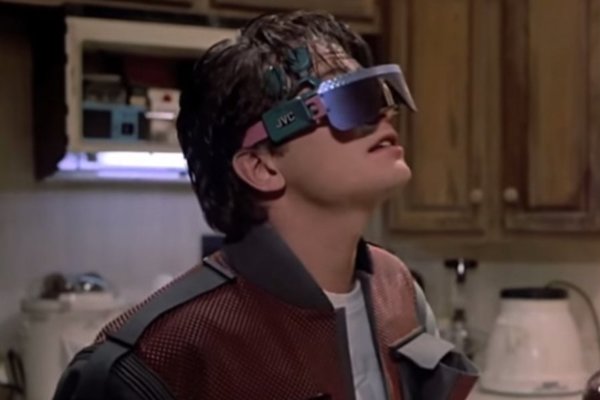
Revolutionary wearables have been a long time coming. Over the last couple of years, the tech industry has produced everything from connected belts and sleep-tracking shirts to solar-powered purses and sensor-packed watches. CES 2016 was no exception, with the great gadget circus rolling into Las Vegas ready to strap you up and weigh you down with a raft of on-body gizmos that spanned from the ingenious to the innovative, with a whole lot of weird in between. Wearable tech, though, remains as divisive as ever: some can€™t get enough of tapping into their every movement metric, feeling like a day not tracked is a day not lived; others won€™t go near the stuff, happy to measure a good night€™s sleep by how cosy they are when the alarm goes off (always too soon). 2016 is the year where all that could change. Naysayer or otherwise, the things you wear are getting smarter by the day €“ and the technology that makes them smart is becoming better integrated and subtler than ever. That€™s not to say you€™ll be selected for an upgrade via cranium chip (give it a few years), but your everyday attire is about to get a whole lot sharper €“ whether you like it or not.

7. Wristband Pay Chips

https://www.youtube.com/watch?v=zjbhb_FnLFE Forget Apple Pay and contactless cards: the future is putting your money on wrist, not in your fist. OK, so these wrist-mounted wallets have been in development for some time, but they€™re about to hit it big. Trialled by Mastercard at the Isle of Wight festival in 2012, the 2015 Rugby World Cup saw the plastic supremo handing out pre-paid PayPass bands to corporate guests and game-goers, loaded with cash for them to splash at the match. Fitted with a sim-like contactless chip, buying a round is as easy as waving your wrist over a contactless reader €“ provided your band isn€™t cash-strapped. It€™s also possible to integrate the tech into keyfobs and phone cases €“ something Barclaycard has done with its similar bPay system €“ but the on-arm option offers that hallowed hands-free convenience to pint-carrying punters. Worried about some nifty criminal nicking from your wrist? The bands are subject to the same limits as tap-to-pay bank cards (£30 per transaction), and you can link them to you phone for extra assurance. Both England Rugby and Saracens are offering Mastercard€™s tech to fans, whilst public transport pilots are ongoing across the globe. Expect to see bands popping up at major events, festivals and sports fixtures this year as the promoters€™ method of choice for spending your hard-earned wonga. What does the future hold? Nymi, a Canadian company, has been working with Mastercard, among others, to develop a similar band that€™s verified by your pulse. Talk about beating fraud with your body.

6. Fitness Trackers

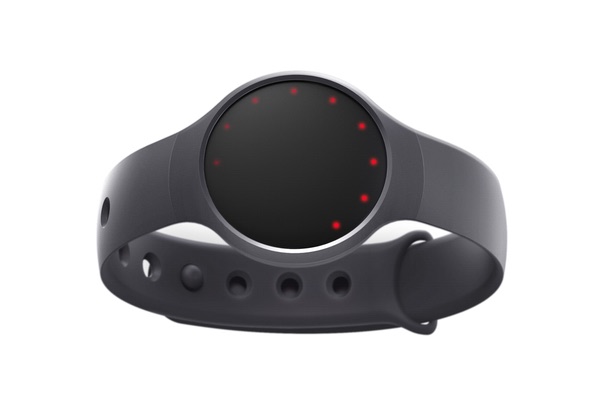
A glorified pedometer at twice the price. At least, that€™s what my Gran said when a well-known insurer tried to offer her a discounted fitness tracker. Why were they peddling the stride-sensing tech? Every day that she managed to hit over 7,000 steps she would earn points on a sliding scale €“ and, as we all know, points mean prizes. In return for her newfound fitness she€™d gain access to everything from spa retreats and travel offers to cashback on her shopping and tickets to the cinema €“ not to mention the possibility of a reduced premium. The concept is a simple one: insurers lose money if you make a healthcare-related claim. Activity trackers encourage you to move more and, as a result, are likely to lead you towards a healthier life. You feel great, they make fewer payouts €“ winners all round. The tech may not be new, but the way it€™s being used most certainly is. Whether it€™s the basic Fitbit Zip €“ little more than a smartphone-compatible step counter €“ or the multi-metric Jawbone UP3, cover prices could plummet for uber-healthy users willing to share their data. What€™s more, with trackers like the Misfit Flash available for less than £25, it€™s not a long shot to imagine more and more insurers jumping on the fitness-fuelled discount bandwagon. That is, of course, provided they can verify you haven€™t just left the tracker on the tumble dryer and set it to spin.

5. Smart Glasses

Google Glass got off to a slightly inauspicious start, which did little to endear on-your-face screen tech to glasses wearers everywhere. Thankfully, whilst the search giant€™s kit is back in development €“ its site simply says €œThe journey doesn€™t end here€ with a promise of future products €“ other manufacturers are doing a decent job of bringing lens-based tech to the masses. Carl Zeiss has just unveiled smart spectacles that look no different to everyday eyewear and weigh only 5g more €“ which means design fans needn€™t suffer for the sake of science. That said, development is still ongoing and there€™s no guarantee if they€™ll be available this year €“ or at all. Still, cyclists now have a choice between Kopin Solos eyewear €“ smart specs that€™ll stream ride data and performance updates to an aerodynamic HUD by your right eye €“ and Garmin€™s Varia Vision, a similarly intelligent glasses attachment that can offer ride stats and rearview safety alerts. Soon to hit shelves, this connected kit is the future made real: reminiscent of Minority Report and with visuals familiar to fighter pilots, it means better training, safer cycling and less clutter as you pedal, all thanks to tiny near-eye displays. Not a fan of two-wheeled speed? As Google knows, the workplace is also an ideal space for clever shades and workers could soon see them dished out as day-to-day uniform elements: think, instant stock checks, performance reports and office navigation.

4. Hearables

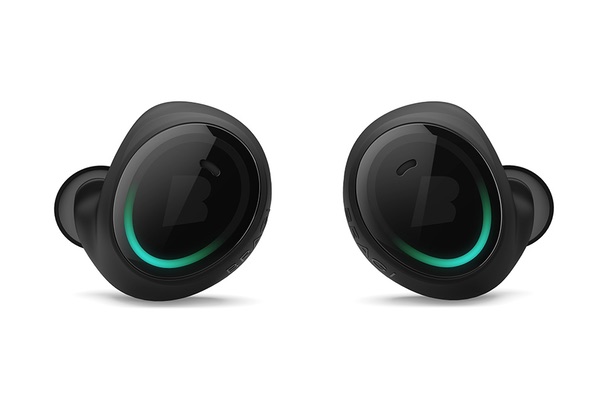
Thinking of buying some new earphones this year? They might just monitor your movement €“ even if you don€™t want them to. Wristband wearables may only just be hitting the mainstream, but manufacturers like Misfit are already unveiling the next stage of on-body tech €“ and it€™s all about the ears. Future kit could take your temperature and tap into your neuro-activity, but most of today€™s hearables (as they€™ve been dubbed) are still quite simple. Misfit€™s Specter is a set of Bluetooth €˜phones with a battery box that clips to your collar and doubles up as a step-tracking, sleep-monitoring machine. Like a wrist-based tracker, it€™ll also sync stats with your smartphone as well as allowing you to control compatible Internet of Things objects in your house via the Misfit Link app. That said, Bragi€™s wireless Dash buds are significantly smarter, packing in-ear biometrics, live activity feedback and gesture controls for a canal-filling smart experience. Simplistic or not, with connected chips shrinking you could soon be seeing activity tracking tech in every pair of €˜phones. Rumours abound as to Apple's possible removal of the headphone jack on the iPhone 7 €“ and a pair of hearable smart €˜phones could well be the replacement.

3. UV Patches

It might look as innocuous as those perfume freebies you get in plush magazines, but L'Oréal€™s first foray into wearable tech could see sun-seekers across the globe sticking NFC patches onto their skin. Incredibly simple and completely free, the self-adhesive patch will stick to an exposed area of skin and respond to UV rays. Using photosensitive pigments the patch€™s colours will alter depending on the presence of certain rays and €“ here€™s the cool bit €“ it€™ll also sync with your smartphone via NFC. It€™s wire-free, stretchable and unfathomably thin, and it€™ll be good for five days once you€™ve stuck it on €“ even as you shower. Using nothing more than an app and a tap, you€™ll be able to see how much harmful exposure you€™ve endured. What€™s in it for L'Oréal? Aside from illustrating real corporate responsibility to its tan-toting clientele, making you aware of the health implications of dodgy UV exposure could lead to better understanding of which products €“ sold by L€™Oreal, of course €“ will help protect skin from such harm. Beyond the business, though, there is also an element of real consumer behaviour change, with the second-skin tech being used to inform the market and put the sunshine stats in (and on) tanners€™ hands, in the hope that they€™ll live more healthily. When will you be wearing one? L'Oréal will be dishing out patches for free later this year in a number of countries, including the USA and the UK.

2. Smart Insulin Patches

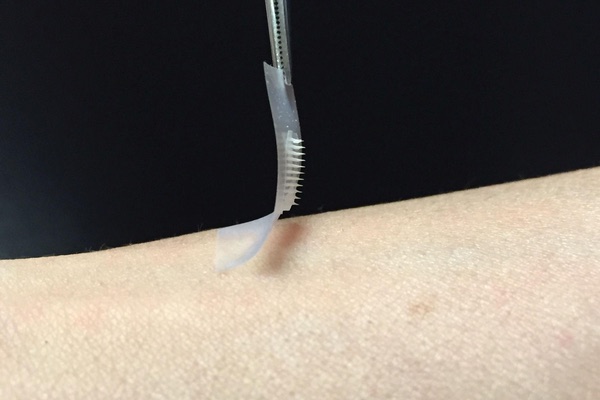
From one patch to another, diabetics could soon see an end to painful insulin injections. Scientists at the University of North Carolina and North Carolina State University have been researching a glucose-sensing skin patch that responds to high glucose levels by delivering insulin automatically. The patch utilises micro-needles on its surface that essentially contain tiny packets which release insulin by bursting when high glucose levels are detected. Admittedly, the research as published (initially covered last year by the ever-eager tabloids) is in its early stages: so far, mice have been the only beneficiaries of the sugar-sensitive tech and, before human trials can begin, the long-term effects on our animal friends will have to be intensely studied, verified and cogitated. When will humans first feel the effects of the nifty patch? Preclinical research (including animal testing) can take a number of years, so 2016 might be an optimistic target for the start of human trials. Still, with positive signs from our rodent pals, things are looking bright for diabetics in the near future.

1. Connected Clothing

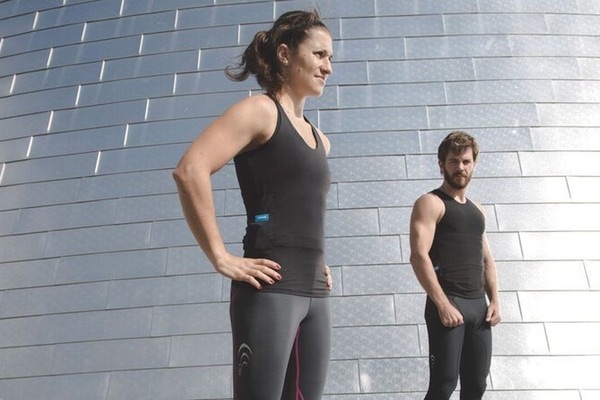
Smart casual could get a whole new meaning in 2016 with the advent of connected clothing. Though the idea of metric-sensing shirts has been around for a while, plugged-in fabrics are finally hitting shelves and the uses are potentially infinite. Hexoskin€™s wearable range features sports gear with sensors woven into the fabric that€™ll measure heart rate, steps and more €“ all without a wristband or chest strap in sight. Not a fan of sweating on your tech? Google has also been working on smart textiles with denim doyen Levi that could enable you to connect to your tech with nothing but a touch of cloth. It might sound like a fad, but, with future uses spanning everything from connected workwear to smart sofas, 2016 may well be the year that garments get clever. Imagine: no more leaving the warmth of the bed to hit the lights; just dive under the duvet and press your pyjamas. Voilà.

 
Posted On: 
Contributor
Contributor

Happy-snapping worldly wordsmith. In between snapping street shots, tapping out stellar prose and having more hair-brained ideas than a barber with a bachelor's in business, you'll find him fumbling with the latest fitness fads and dreaming of a debut in F1 (he's a late bloomer, OK?).