20 Mind-Blowing Facts About Dinosaurs
11. Van-Sized Body, Walnut-Sized Brain
"Peanut brain" is sometimes used as an insult, but the Stegosaurus actually had a brain the size of a walnut - so slightly largely than a peanut. However, considering its body was the size of a large, multi-purpose van, proportionally it was struggling for brain cells.10. More Varieties Of Dinosaur Have Been Discovered In The US Than Anywhere Else

9. The Hadrosaurus Would Have Struggled To Find A Cheap Dentist
With more than 1,000 teeth at any one time, the Hadrosaurus (or "sturdy lizard") was the "toothiest" dinosaur to ever exist. Much like a shark, it would continually grow a new set of gnashers to replace any that may become blunt or fall out. Imagine the dentist bill...8. Baby Mussaurus Is The Smallest-Known Dinosaur
 Although scientists believe there are many hundreds of dinosaur species yet to be discovered, the smallest-known is the Baby Mussaurus. The Baby Mussaurus - or "mouse lizard" - was so small that it could be cupped in the hands of a normal human being. It was roughly the size of a small, household rodent.
7. Ancient Crocodiles Were Eight Times As Heavy As The Modern-Day Version
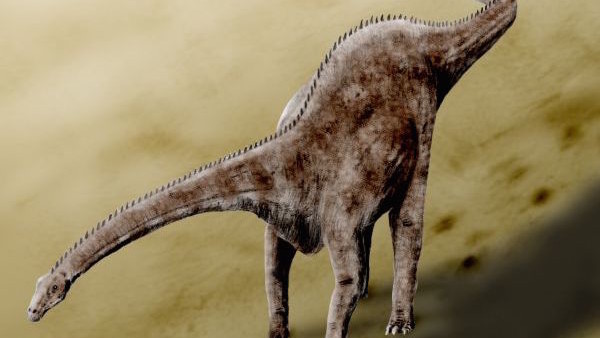
6. Some Dinosaurs Had Tails Measuring More Than 14-Metres Long

5. Dinosaur Literally Means "Terrible Lizard"
 Yes, dinosaur literally means "terrible lizard" - although this name is somewhat misleading and factually incorrect. Dinosaurs are not in fact lizards at all - they are a completely separate and extinct group of reptile.
4. Oldest-Discovered Dinosaur Skeleton Dates Back 240million Years
The oldest-discovered dino fossil dates back 240million years - which is more than 10million years earlier than previously thought. The Nyasasaurus parringtoni - meaning "Lake Nyasa lizard" - was discovered in Tanzania in the 1930s but was not properly examined until 2012, when its age was determined. Although little is known about the reptile, it is believed to have been 2-3 metres in height and looked quite similar to a Velociraptor (or "swift seizer"), if significantly larger.3. Is A 112-Mile-Wide Crater The Answer To Why Dinosaurs Were Wiped Out?
 A 112-mile-wide crater in the Mexican Yucatan Peninsula, believed to have been created by a 6-mile-long meteorite, is what many scientists believe wiped out a large proportion of the dinosaurs more than 65million years ago. No land animal heavier than a large canine survived the meteorite landing, however jellyfish, sharks, scorpions, birds and crocodiles are believed to have escaped the blast. Interestingly, it is believed that dinosaurs were actually wiped out over thousands of years - with plunging global temperatures and a severe lack of vegetation caused by diminishing sunlight contributing to their slow decline.
2. Blue Whales Are Smaller Than The Longest Dinosaurs