10 Magical Tolkien Facts You Probably Didn't Know

Before you see the third and final Hobbit movie this month, give wonder to the man who started it all.
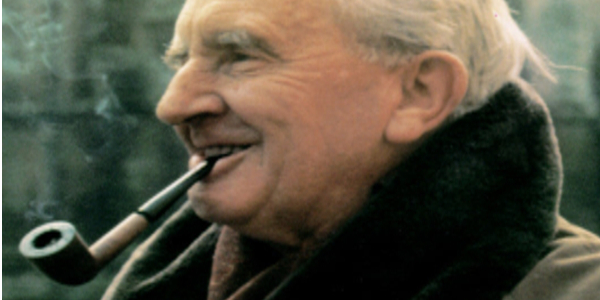
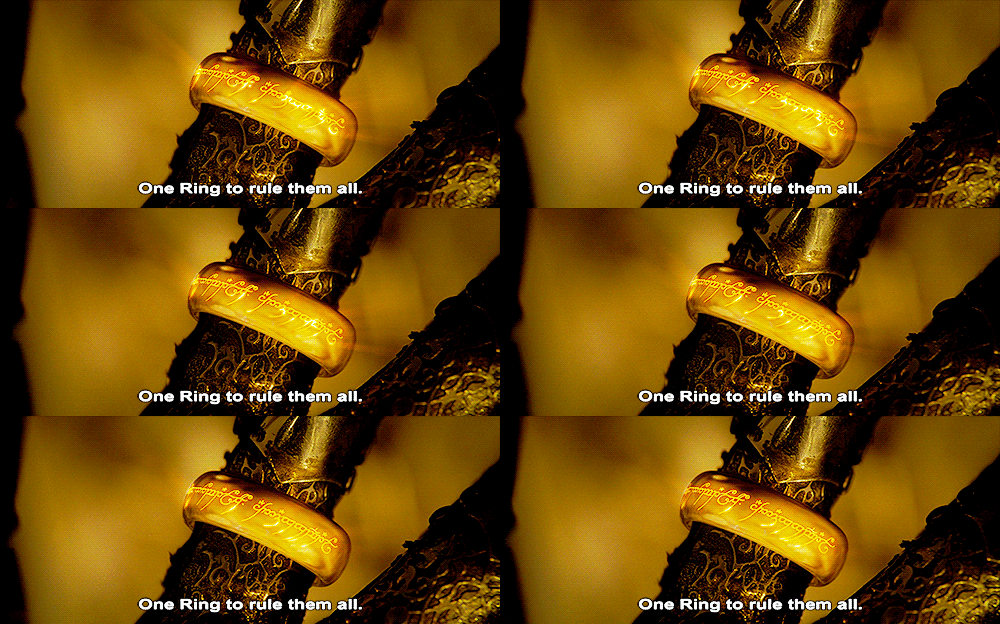
Tolkien created worlds that only exist in our minds. That is, of course, the primary duty of a writer; but few wordsmiths fulfil this task so beautifully compelling as Tolkien. Father to the Hobbits, creator of Middle Earth and inventor of the €˜One Ring€™: the books, places and languages he put to paper are now widely understood, and even more loved. Born in South Africa, Tolkien became a writer, poet, Oxford professor, and was even appointed Commander of the Order of the British Empire by Queen Elizabeth II. He saw the majority of his friends die in World War I, and may have died in duty himself, had he not been declared unfit to fight due to trench fever. The professor spoke at least 20 languages (even dead languages like Old English and Medieval Welsh) and used his gift of language to create a secret code for his worried wife Edith during the war; to track his movements on a map of the Western Front. €œGenius€ simply doesn€™t cut it; the man was truly a wizard. With the hype of the impending Hobbit movie ever-growing, it€™s time to look at the lesser known facts about the legend who started it all: John Ronald Reuel Tolkien.

10. Tolkien Never Planned To Publish The Hobbit
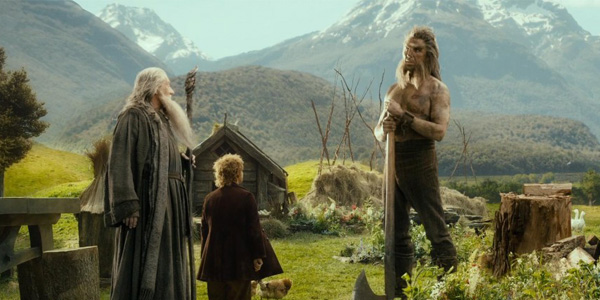
Though it's now a multi-million dollar movie franchise; the story of The Hobbit had very humble beginnings. Originally, it was written for Tolkien's children (along with illustrated stories of Father Christmas battling goblins who rode on bats), and was brought to the attention of Susan Dagnall, who worked for London publishing firm George Allen & Unwin at the time. Tolkien himself never expected his stories to become popular, but Dagnall persuaded him to submit the story of Bilbo and the dragon for publication. The rest, as they say, is history.

9. He Trained To Be A Codebreaker In WW2
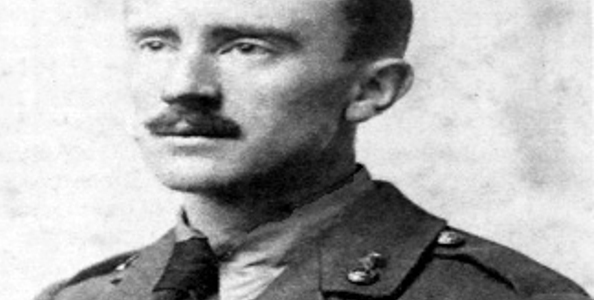
As the Second World War approached, Tolkien was asked whether he would be prepared to serve in the cryptographic department of the Foreign Office in the event of a national emergency - analysing encrypted messages and obtaining valuable military intelligence at Bletchley Park - a similar duty seen in this year's movie "The Imitation Game" with Benedict Cumberbatch. He agreed, taking a course at the Government Code and Cypher School in March 1939; though wasn't required at the time. It's said that Tolkien later turned down a £500-a-year offer to become a full time recruit, although no one knows why.

8. His Own Story Is Very Similar To Bilbo's
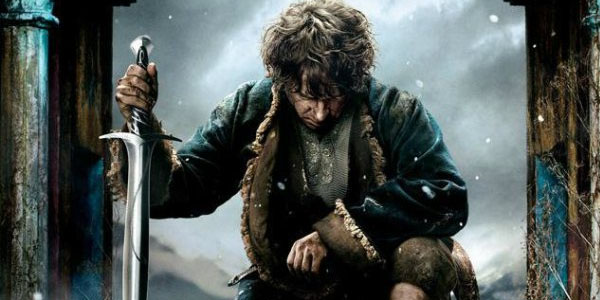
In the same way Mr Baggins feels compelled to journey over the Misty Mountains through much death and misery with the dwarves and Gandalf; the same goes for Tolkien's military days over the war. He loved tea, comfort and writing, and could often be found with Edith throwing sugar lumps into the hats of passers-by from the balconies of Birmingham teashops. He even had a secret society with his three friends named the T.C.B.S (Tea Club and Barrovian Society). In 1914, when the United Kingdom entered the First World War, his family were shocked when he didn't immediately go forth to fight. He recalled it was "a nasty cleft to be in for a young man with too much imagination and little physical courage" and that hints were "becoming outspoken from relatives"; leading him to join the British Army as a Second Lieutenant in the Lancashire Fusiliers - all the time wishing he was with Edith, drinking tea.

7. There Is A Book That Comes Before Both The Hobbit And LOTR
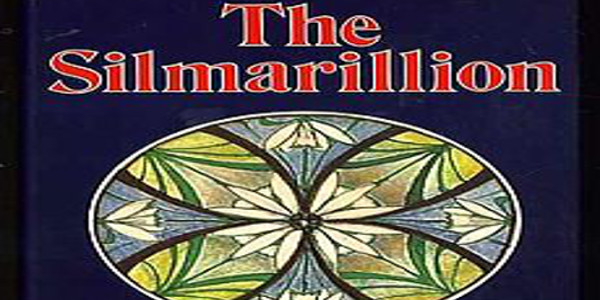
The depth of Tolkien's literary creations go way beyond the Peter Jackson portrayal, though he does touch upon historical references to Middle Earth in the movies. Tolkien started writing a vast, in-depth backstory to his workings, titled €œThe Silmarillion€, and wished to publish alongside the Lord Of The Rings. The publishers thought it too €œCeltic€ and it was eventually published four years after his death, after being completed by his son Christopher. It tells of the creation of the universe, Eä; in which are found the lands of Valinor, Beleriand, Númenor, and, of course, Middle Earth. It describes the Valar and Maiar, including the Dark Lord €œMorgoth€, Sauron€™s master. It also tells tales of the war over the Silmarils, a history to the Rings of Power and the story Of Beren and Lúthien. Tolkien fans who haven€™t read The Silmarillion are missing out on a great deal of Middle Earth history €“ including the references to Eärendil in the book and movie.

6. He Was Raised By A Priest When His Mother Died
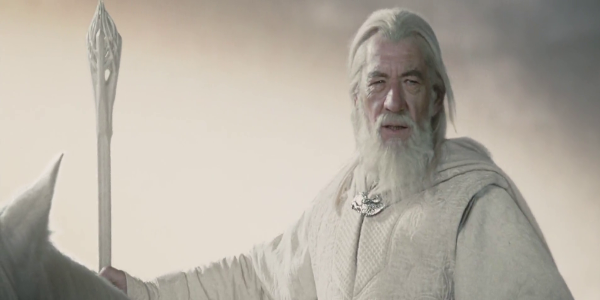
Tolkien's father died when he was only three years old, leaving his mother without an income and two boys to raise. She moved in with her parents in Birmingham (where he would visit his Aunt Jane's farm, familiarly named Bag End) and was received into the Roman Catholic Church in 1900. At 12, his mother died of acute diabetes. This was twenty years before insulin was discovered, so her death at 34 year old was about as old as someone could live without treatment. She assigned guardianship of her sons to her close friend, Father Francis Xavier Morgan, who brought them up as good Catholics.

5. He Invented Languages For Fun

The term €˜Hobbit€™ is one we accordingly pass for a typical British word; it certainly sounds like one. But like the Ents, Orcs, Elves and Black Riders of Middle Earth, Tolkien made them up. These fictional nouns are a mere tip of the iceberg when you look at extensive languages (complete with grammar and pronunciation) he created: Sindarin, Quenya and Nandorin are few of the Elven tongues spoken in his books; languages that Tolkien wished he had been able to write all of his books in. And guess what? You can learn them.

4. He Was A True Romantic

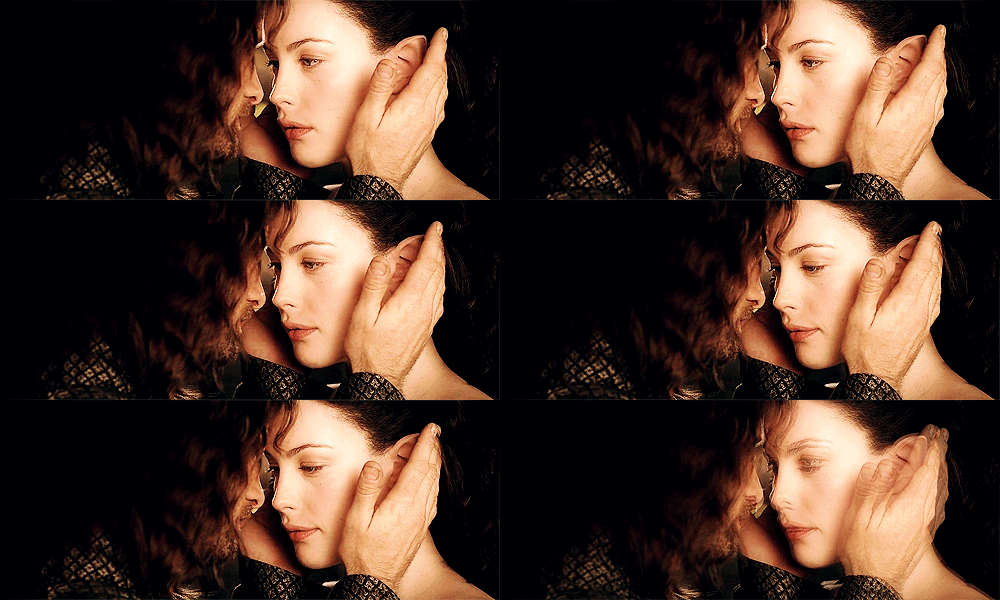
"The Tale Of Beren And Lúthien" is the most famous of stories in The Silmarillion. It tells the tale of the mortal man Beren, who meets immortal Elf-maiden Lúthien singing and dancing in a glade. Tolkien€™s wife, Edith, had once danced in a glade with flowering hemlocks in Yorkshire during the war; and was undeniably the muse for both Lúthien, as well as Arwen. Edith was an Anglican; Tolkien a Catholic, and he was ordered by his guardian to stop any contact between them until Tolkien reached the legal age of 21 (five years later). She moved away and was engaged to another man, but dropped it all at the first hearing from Tolkien on the eve of his 21st birthday. This is reflected in Beren and Lúthien's touching romance. In a letter to his son, Christopher, Tolkien spoke of Edith:
€œShe was (and knew she was) my Luthien. For ever (especially when alone) we still met in the woodland glade and went hand in hand many times to escape the shadow of imminent death before out last parting.€

3. He Was Best Friends With C.S.Lewis

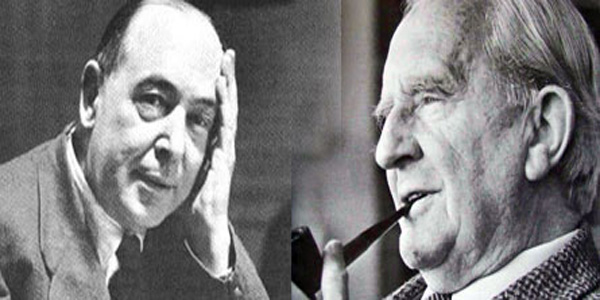
If it wasn't for C.S.Lewis, who knows if The Lord Of The Rings would have ever been completed. The deep friendship the duo shared is probably best encapsulated in a letter Tolkien sent his daughter, following Lewis' death in 1963:
"So far I have felt the normal feelings of a man my age - like an old tree that is losing all its leaves one by one: this feels like an axe-blow near the roots."
Tolkien regularly met with the Narnia author in The Eagle And Child, Oxford (which they named the Bird and Baby) where they formed a special literary club called "The Inklings". They met right through the war and read their work to each other, and Tolkien described the unpayable debt he owed to Lewis for the encouragement that his "stuff" could be more than a private hobby.

2. He Despised The Nazis (And Wasn't Afraid To Show It)
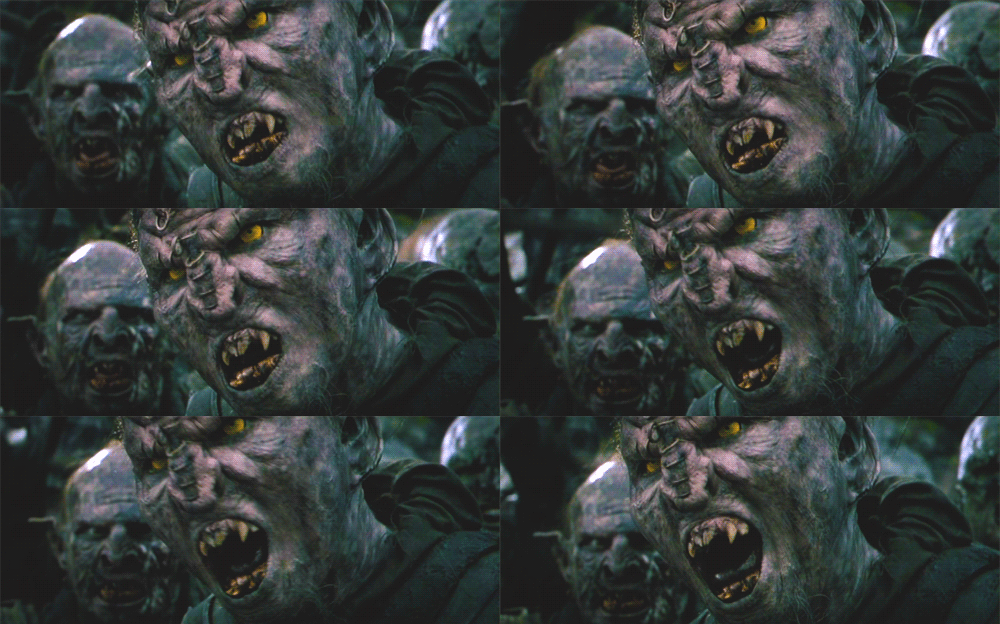
In 1937, Tolkien's first novel, The Hobbit, was highly sought after by publishers, including Berlin publisher, Rütten & Loening. They expressed their interest in putting out a German edition of the book, but first asked for proof of Tolkien's "Aryan descent". This was, of course, at the same time as Adolf Hitler's party (who he likened to Orcs) turned the world very ugly with Anti-Semitism and mindless Nazism. Tolkien's response was epic:
25 July 1938 20 Northmoor Road, Oxford Dear Sirs, Thank you for your letter. I regret that I am not clear as to what you intend by arisch. I am not of Aryan extraction: that is Indo-Iranian; as far as I am aware none of my ancestors spoke Hindustani, Persian, Gypsy, or any related dialects. But if I am to understand that you are enquiring whether I am of Jewish origin, I can only reply that I regret that I appear to have no ancestors of that gifted people. My great-great-grandfather came to England in the eighteenth century from Germany: the main part of my descent is therefore purely English, and I am an English subject €” which should be sufficient. I have been accustomed, nonetheless, to regard my German name with pride, and continued to do so throughout the period of the late regrettable war, in which I served in the English army. I cannot, however, forbear to comment that if impertinent and irrelevant inquiries of this sort are to become the rule in matters of literature, then the time is not far distant when a German name will no longer be a source of pride. Your enquiry is doubtless made in order to comply with the laws of your own country, but that this should be held to apply to the subjects of another state would be improper, even if it had (as it has not) any bearing whatsoever on the merits of my work or its sustainability for publication, of which you appear to have satisfied yourselves without reference to my Abstammung. I trust you will find this reply satisfactory, and remain yours faithfully J. R. R. Tolkien

1. He Helped Write The Oxford English Dictionary
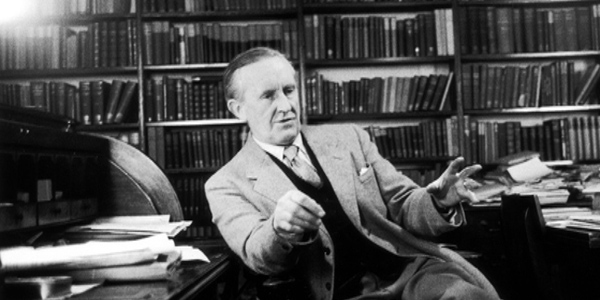
Following World War I, Tolkien's first civilian job was at the Oxford English Dictionary, where he worked mainly on the history and etymology of words of Germanic origin beginning with the letter W. He later said he learned more in those two years than any other equal period of his life. So what did he contribute to our lexicon bible? The first entry Tolkien is known to have worked on is the word waggle: €˜to move (anything held or fixed at one end) to and fro with short quick motions, or with a rapid undulation; esp. to shake (any movable part of the body)€™. He also worked on walnut, walrus, want and wampum, and the notebooks he used to work out word origins survive in the Bodleian Library in Oxford. This all played a great part in how Tolkien approached his fictional writing: his works were filled with multiple layers of symbolism in names, locations, events and deep-rooted etymologies. It goes without saying that his stories (and the movies spurned from them) are brilliant, but this side of Tolkien is what makes his work still matter greatly today. Calling all Tolkien geeks! Know any other fascinating facts about the Father of Fantasy? Do share your knowledge and adoration of the man in the comments below!

Contributor
Contributor

Human woman. Content Manager at What Culture. Lover of many "ologies", punk rock and cats. My god is Ilúvatar. Follow me on Twitter: @nina_cresswell