Red Hot Chili Peppers: Ranking Their Albums From Worst To Best
Over 80 million records sold around the world and a catalogue of chart-topping hits don't lie.

Over 80 million records sold around the world and a catalogue of chart-topping hits don't lie. Since forming in Los Angeles in 1983, the Red Hot Chili Peppers have battled through band-departures, deaths, and a lot of drugs to become - universally speaking - one of the most enduringly popular acts in rock music. The news earlier this month that they will be playing this year's Super Bowl halftime show places them alongside musical heavyweights such as The Who, Bruce Springsteen and, um, the Black Eyed Peas.
Not too shabby for a bunch of good-time boys that began life as Tony Flow And The Majestic Masters Of Mayhem almost 31 years ago. The warped funk-metal sound of their early albums was certainly an acquired taste, but the chaotic fun of these records was undeniably infectious and saw them build a cult following. The loss of founding guitarist Hillel Slovak to a heroin overdose could have easily led vocalist Anthony Kiedis and bassist Flea to end the band, yet they persevered and began transcending upon mainstream success. The introduction of new guitarist John Frusciante and drummer Chad Smith added fire to the group and a blossoming creative relationship with producer Rick Rubin launched RHCP to bonafide superstardom. Perhaps the most remarkable thing about The Chilis is they have always felt like a separate entity to the rest of their contemporaries.
Out in LA, a rock climate dominated by Motley Crüe and Quiet Riot hair metal; the Peppers were hanging out with funk icon George Clinton and playing Sly Stone covers. Even when they reached higher ground with 1991's Blood Sugar Sex Magik, they still seemed distant from the alternative rock scene featuring Pearl Jam, Smashing Pumpkins and Nirvana - even though all three of these bands had opened for them on the BSSM tour. Grunge, nu-metal... crunkcore (I think that's a thing... never mind) you name it, the funky monks have ignored changing musical fads in favour of following their own vision across their whole career. So with that said, time to buckle down and begin this ranking of their ten studio albums from worst to the best.
Honourable Mention: The Getaway
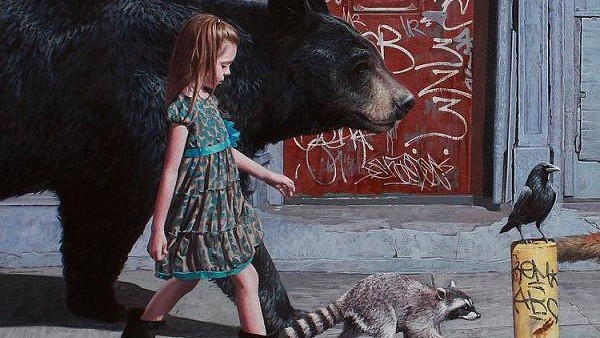
Heralded by some as a return to form, and dismissed by others as merely Chili Peppers-by-numbers, The Getaway is probably still too soon in the ear to really find a place in this list. Dark Necessities certainly reminded the music world what it had been missing the group's 5 year hiatus, and Go Robot has had the sort of radio play that cements any big band's return, but until the album finishes its life cycle it's impossible to place in RHCP history.
10. The Red Hot Chili Peppers

Considering the band's 1984 self-titled debut is universally considered their worst record, at first I wanted to be controversial for the sake of it and place this album higher. But I can't lie; it is easily the weakest of the ten studio releases. The Red Hot Chili Peppers is the sound of a band still finding their feet, with perhaps more raw energy than interesting musical ideas.
It opens strongly, with True Men Don't Kill Coyotes being an irresistible slice of funk-rock that marks the beginning of Anthony Kiedis' long-standing lyrical fascination with his native Los Angeles and evokes some interesting Native-American imagery. The problem is, the album never really shifts gears musically, and the flat production courtesy of Gang Of Four's Andy Gill and the then-limited vocals of Kiedis doesn't help matters, making it all sound rather samey. There's a couple of more experimental cuts in Mommy, Where's Daddy and closing instrumental Grand Pappy Du Daddy, but these still feel more like filler than a serious attempt at changing the formula.
The star of the show as far as this album goes is undoubtedly Flea, whose bustling basslines make up the foundation of all these songs. While Kiedis was still to develop as a vocalist and frontman, and guitarist Jack Sherman and drummer Cliff Martinez would soon be gone from the band, it's clear that Flea had serious musical pedigree from the start.
9. Mother's Milk
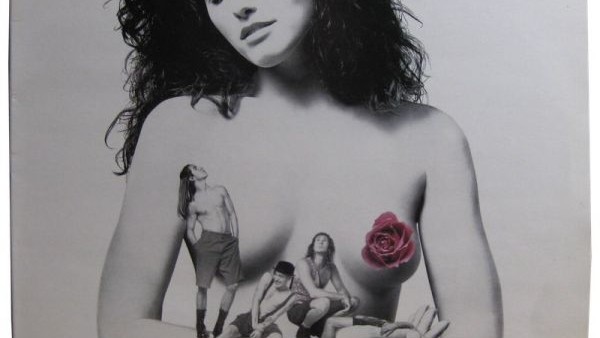
Now this one potentially is controversial. Released in 1989, Mother's Milk was the first album to feature John Frusciante and Chad "Will Ferrell" Smith and is often regarded as the bridge between the earlier records and their more commercial post-Blood Sugar Sex Magic work. Actually, Mother's Milk is very much its own beast - it's by far the most "punk" album of their discography, with aggressive cuts like Taste The Pain and Stone Cold Bush being obvious nods to the Stooges and the Sex Pistols.
The funk was also dialled back considerably, with producer Michael Beinhorn favouring a more noisy, visceral approach. It's uneven, if at times brilliant. The chemistry of these four musicians (which would be developed further on later releases) is evident on the wonderful guitar/bass duelling on opener Good Time Boys and the ferocious cover of Stevie Wonder's Higher Ground - one of those songs it's just impossible to listen to without moving some part of your anatomy.
Kiedis was also becoming a more versatile singer, with Knock Me Down a tribute to his late buddy Slovak, featuring his most melodic vocal work by that point. It's Beinhorn's conscious decision to push that unmistakeable Chilis funkiness into the background that really hurts the album for me. During recording, Frusciante clashed with the producer repeatedly over the latter's insistence on using heavy distortion and crunchy metal guitar tones. In a 1991 interview with Total Guitar, the axe-player admitted his dislike of the album and his overly "macho" playing. Indeed, for a man hugely responsible for shaping their 90s sound, it's easy to forget he's actually on the record.
That's not to say his psychedelic leanings are completely ignored - Pretty Little Ditty allows the guitarist to flex his melodic muscles and hints at what was to come later - it's also one of the album's stand-outs.
8. One Hot Minute

Undoubtedly the black sheep of the RHCP discography, 1995's One Hot Minute is akin to Weezer's Pinkerton in that it veers into much darker territory, was released to a muted response critically and commercially, and was effectively disowned by those responsible. However, while Pinkerton is now retrospectively viewed as something of a forgotten classic, One Hot Minute remains a huge creative misstep in the eyes of fans and the band itself.
But is this fair? Admittedly, it's not always an easy listen. Frusciante's replacement Dave Navarro also contributes to the album's bleaker vibe with a playing style that shifts away from the slinky funk of his predecessors and focuses more on psychedelic flourishes and heavy metal riffs. Lyrically, it's the darkest the band have gone - true, previous Kiedis lyrics had touched on drug addiction and its effect, but this album forces the listener to dwell in these depths with little respite. During recording Kiedis had relapsed after over five years of sobriety, which only adds to the sense of hopelessness that permeates the songs here.
Even the the album's most mellow moment, the lovely My Friends is clearly the work of a man at the end of his tether - "On the brink of emptiness/No words I know of to express/This emptiness". For a band formerly best-known for wearing socks on their private parts, it's pretty heavy stuff. For those who persevere though, there's a lot about One Hot Minute to enjoy - opener Warped is an addictive mash-up of classic RHCP funk and acid rock, Coffee Shop shows why Flea and Smith are one of the best rhythm sections around and Tearjerker is an emotional tribute to the late Kurt Cobain that emphasises how far he'd evolved as a singer. Although it's great that Frusciante came back and they went on to rule the world all over again, it is interesting to hear a band explore different avenues of their sound. Ultimately it was a failed experiment, but a noble one nonetheless.
7. Freaky Styley
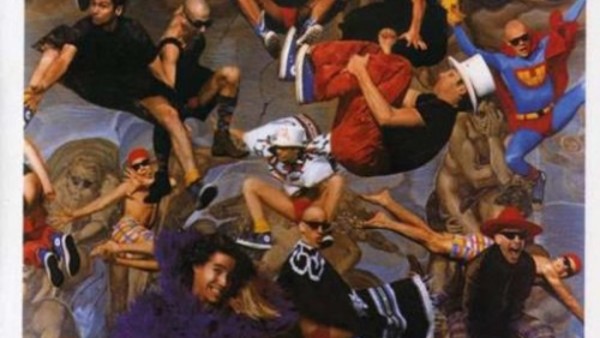
Before recording their second album in 1985, RHCP made a wise decision producer-wise - out went Andy Gill (who didn't particularly seem to "get" the band) and in came legendary Parliament-Funkadelic frontman George Clinton.
In addition, founding guitarist Hillel Slovak returned to the fold following Jack Sherman's departure. If the debut release was a false start, Freaky Styley was another chance to translate the band's undoubtable energy into a decent record. Fortunately, they succeeded. Freaky Styley is basically an unabashed love-letter to the late 60s/early 70s funk that the likes of Sly Stone, James Brown and Clinton himself cultivated. Hell, they even throw in covers of Stone and The Meters with If You Want Me To Stay and Hollywood (Africa) respectively. White LA boys doing old-school funk - it shouldn't work, but it does.
Like the self-titled record, Flea's bass is again the show-stealer - yet this time round he has the psychedelic, fluid guitar of Slovak to work with, and the interplay between the two gives the songs much greater musical depth and replay value than the debut. Incidentally, it turns out Flea is also a dab hand with a trumpet, and his playing on American Ghost Dance and Yertle The Turtle adds to the funkiness. True, it's not perfect. The punchier tracks like Battle Ship and Sex Rap feel decidedly out of place compared to the laid-back funk that makes up the rest of the album, like unwelcome hangovers from the debut release.
But they don't change the fact that this is a fun album that occupies a unique place in the RHCP catalog (being the closest to straight funk they ever got) and is a cool snapshot of a band doing whatever the hell they wanted and having a good time doing it.
6. Stadium Arcadium
If One Hot Minute was the sound of a band at their lowest, 2006's Stadium Arcadium is the sound of a band at ease with themselves and with each other. Returning to the studio after a remarkably successful world tour, their creative juices were well and truly flowing. So much so in fact, that they were able to release a sprawling double album that packed in a whopping 28 tracks of stadium-sized hooks, daring arrangements and lashings of Frusciante genius.
Clocking in at over two hours, the album's sheer length is indeed a daunting ask for even the biggest RHCP fan. The argument often levelled at records of this scale is that they could be condensed into a single disc of wall-to-wall killer tunes - and yes, there's probably some fat from Stadium Arcadium that could be cut. But like the best double albums, this isn't an album meant for digesting in one sitting. Like The Beatles' White Album (clearly a massive influence) it's one that needs repeated listens to appreciate the wealth of material on offer.
While it's the singles that jump out immediately, with Hump De Bump and Tell Me Baby among the catchiest songs the band has done, its slow-burners like Especially In Michigan, So Much I and 21st Century that really hit home how strong the songwriting is. The biggest criticism you can make of this album, and why it isn't higher in the list, is that it doesn't really tread any new ground for the Chilis. The tunes are all pleasant enough to listen to, the musicianship is flawless throughout - but unlike the classic double albums there is nothing that screams at you to pause the disc and immediately listen to it again.
Where the White Album had Helter Skelter, or Smashing Pumpkins' Mellon Collie had 1979, there's no real surprises on this album. When the quality's as consistent as on Stadium Arcadium, that's not a terrible crime, but it means the album is not as memorable as it could have been.
5. By The Way

If Flea was the creative leader during the band's beginnings, by the time 2002 rolled around, guitarist Frusciante had undoubtedly taken that mantle from him. Make no mistake about it; By The Way is Frusciante's baby - the enigmatic axe-man is the brains behind the vast majority of the record's arrangements, melodies and yep, even the basslines.
His presence is constant throughout, with his guitar and backing vocals at the forefront of every tune. Because of his influence, this album is the sound of a band shedding their old skin. Apart from the throbbing Throw Away Your Television (where Flea takes centre-stage again), there is barely any sign of the band's classic funk rock. Instead, warm melodic guitar-lines and big Beach Boys-style harmonies are the order of the day. "Sellouts!" many old-school RHCP fans cried, and maybe they have a point - but there's no denying that many of the tracks here are genuinely beautiful.
Kiedis had perfected his clean style of singing by now, and his harmonising with Frusciante on Dosed is hypnotic. The Zephyr Song is a warm blast of California sunshine that wouldn't be out of place on Pet Sounds. Venice Queen is one of their best album closers, with mellow Frusicante strumming and Kiedis' haunting vocals giving way to a triumphant chorus. As pretty and melodic as everything is, the album's mid-tempo nature renders everything a bit similar. Listening to the album in one sitting, you start to pine for those chaotic funky rockers that the band made famous.
More energetic tracks like Throw Away Your Television and the spirited single Can't Stop are welcome diversions, but even they feel a little on the calculated and controlled side. Also, while there's no true stinkers on the album, it begins to drag towards the end - it's first half is much stronger than the second. Saying that, the highs of this album are very high indeed and edge the record into the top five of the list.
4. I'm With You
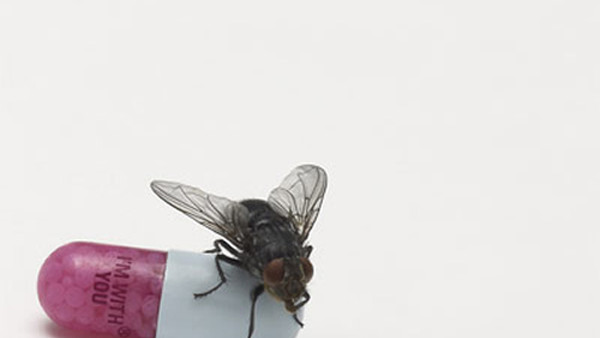
Released in 2011, the Chilis were quick to point out that I'm With You marked a new chapter in the band's era. Indeed, it was a chapter that could easily not have been written - the band had been on a lengthy hiatus, Flea and Smith were tied up in various side projects and most importantly Frusciante had left for a second time. But there was still life in the old dog yet.
The band promoted touring guitarist Josh Klinghoffer to full-time member, and the RHCP machine roared on into another era of it's long history. So how does the album live up to the grandeur of its "new beginning" label? Well a lot of the songs are still unmistakably RHCP - the slap-funk of Factory Of Faith, Look Around and Adventures Of Rain Dance Maggie sounds reassuringly familiar to long-time fans. And really, Anthony Kiedis is the only singer in the planet who can (just about) get away with the lines "Tick tock/I want to/Rock you like the 80s/C*ck blockin' isn't allowed". There are also callbacks to their decorated past, with the doom metal riffs opening Monarchy Of Roses sounding like something off One Hot Minute, and the lyrics of Police Station capturing the wistful mood of Under The Bridge.
But I'm With You isn't all about a band reliving past glories. Considering Frusciante had been the crux of the band's sound for their previous couple of albums, his absence forces them to explore new musical territory, which makes for some awesome off-the-wall moments. Ethiopia brings Flea's experience in Africa to the fore with it's unique rhythm, Happiness Loves Company is built on a bouncy piano riff that could be off Exile On Main Street and Brendan's Death Song begins acoustic and folky, building towards a massive crescendo of defiant Kiedis chanting and pummelling drum-work by Smith - it's simply one of the greatest RHCP songs ever recorded.
3. The Uplift Mofo Party Plan

The Uplift Mofo Party Plan - released in 1987 - gave the band its first taste of success, entering the Billboard 200 at no. 148. Obviously nothing compared to what was to come, but considering neither their debut or Freaky Styley came close to bothering the charts, it was a step forward. The Chilis had slowly built up a niché but loyal fan base who couldn't get enough of their unique funk-rap-metal hybrid sound.
This album was the perfect gift to those fans, and it remains the best thing they did in the studio during those early years. Basically, if you listen to just one of the pre-Frusciante 80s records, make it this one. If the band had struggled translating their live bravado to the studio on their previous two albums, they nailed it on The Uplift Mofo Party Plan. Testosterone-fuelled cuts like Fight Like A Brave and Backwoods are heavy both musically and in attitude, yet Flea and Slovak's playing keeps that funky swagger intact. It's not all macho chest-beating, with some creative touches that show a desire to think outside the box, like Slovak's use of a talk box on Funky Crime that gives the track a psychedelic edge, or the country-rock bass on Walkin' On Down The Road.
Most unexpected is album highlight Behind The Sun, which features a gorgeous Slovak riff and showcases a knack for melody the band had never really displayed before. Kiedis growls "I do what I want to do" on Funky Crime, and that is pretty much the mission statement of this album. Not many acts would have the balls to take Bob Dylan's Subterranean Homesick Blues and make it completely their own like they do here - but it sums up the faith the Chilis had in their own style, which is why this album is so much fun to listen to.
Sadly this was the only studio album the founding line-up of Kiedis/Flea/Slovak/Irons recorded, with the tragic death of Slovak following the Party Plan tour and Irons being replaced by Smith. Yes, they ultimately went on to bigger and better things, but this album hints at another intriguing direction they might have gone down had this version of the band survived.
2. Californication

The comeback album can be a tricky thing to get right. Sometimes bands nail it - think Iron Maiden with the superb Brave New World; sometimes they're completely misguided at best - think The Weirdness by The Stooges. Though it had only been four years since One Hot Minute, 1999's Californication was most definitely a comeback album - with Frusciante's much-publicised return to the band, the Chilis were on a mission to win back the fans they'd lost over the last decade and retake their place as one of the biggest rock acts in the world.
They more than succeeded. Californication is a great example of a band offering music that's commercially accessible yet true to their own vision. We all know the singles - they've become radio staples over the years, but like all great pop songs, these are songs with substance. Opener Around The World begins with a blaze of Hendrix-style riffing, moving into a classic Chillis groove before exploding into the unmistakeable chorus. Scar Tissue is delicate and mellow, driven by a sparse Frusciante riff. The title track is another highlight, featuring some of Kiedis's best poetry as he examines the dark side of modern Los Angeles.
And this new-found commercial sensibility never compromises the band's sheer musical chops - Frusciante, Flea and Smith all all on top form throughout. What's refreshing is that the band aren't afraid to embrace their past. Funkier numbers like Get On Top and I Like Dirt stand proudly amongst the radio hits. The album is at its most interesting sonically when it combines their commercial sensibility with a harder edge.
Emit Remmus (which I only recently realised was Summer Time backwards) sounds like the Sex Pistols at their most menacing until the melodic bass in the bridge, while Right On Time - two minutes of Kiedis spitting out raps at super speed - could have been off the first album if it wasn't for Frusciante's vocal harmonies elevating it to a thing of curious beauty. Californication is a minor masterpiece and rightfully re-established the Chilis as rock heavyweights.
1. Blood Sugar Sex Magik

What else? 1991's Blood Sugar Sex Magik is that rare album where everything fell into place nicely at the right place and the right time. The band finally had some kind of stability in the line-up which meant messrs Flea, Frusciante and Smith were pretty tight musically, Kiedis had become pretty handy at the whole frontman thing, and most importantly, they had been introduced to a certain Rick Rubin, who would push each member's own considerable talents into a whole new direction. What followed was 17 songs of near perfection.
What's remarkable about Blood Sugar Sex Magik is how fresh it still sounds more than two decades later. Much credit must go to Rubin for this, who realised that the Chilis unique brand of funk-rock was their greatest strength and brought back the funkiness after the more metal-tinged sound of previous release Mother's Milk. In a rock climate dominated by Nirvana, Guns N' Roses and Metallica, there was no mainstream band that sounded like this. Even now, the irresistible combination of Flea's squelchy bass-slapping and Frusicante's spiky riffs cement songs like The Power Of Equality, Funky Monks and Apache Rose Peacock as cornerstones of the funk-rock genre.
But turning up the funkiness isn't the only good Rubin did; he also encouraged the group to step outside their comfort zone and tread more melodic ground with more delicate tunes such as Breaking The Girl, I Could Have Lied and of course the album's breakout single Under The Bridge. The latter, derived from an old poem by Kiedis, is still a fine achievement even if it does suffer from years of overplay - Kiedis's intimate lyrics can definitely tug on the heart strings at the right moment and is pretty damn poignant from a man who once sang about partying on pussies.
Some rock albums become iconic over time, just think of the band's own heroes - Jimi Hendrix had Electric Ladyland, the Stones had Exile On Main St - and the Chilis have Blood Sugar Sex Magik. Simply put, one of the most important albums of the 90s.