10 Artists That Went Head-To-Head With The Music Industry And WON
The musicians who stuck two fingers up at 'The Man' and got away with it
It seems the record industry lurches from one controversy to another at the moment. Come to think of it, its been going on for over a decade at least since music downloads became such a big part of the industry. Whereas previously labels had total control over all but a tiny number of artists, theyre now under attack from all sides.
So it's no surprise they're somewhat pricky when threatened.
The likes of EMI and Colombia now have to contend with a group of tech savvy musicians who feel they can get their music to a massive audience without lining the pockets of record executives. In the mid-00s all a band needed was a Myspace account and voila, they had millions of potential listeners at their fingertips. Then there was file-sharing websites and streaming services taking a chunk out of the profits.
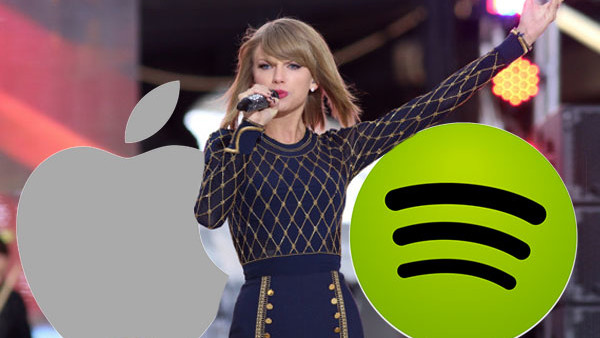
But even those services have become part of the industry itself, with the likes of Spotify and Apple the gatekeepers to many artists who want to make it big nowadays. Their dominance, however, has recently been challenged by none other than Taylor Swift, who pulled her music from both and contrary to predictions, didnt suffer any consequences. Actually shes on one of the biggest commercial rolls of any artist in the history of pop music right now, to the point where Apple returned to her cap in hand and changed their payment policy.
There's a reason she was top of their suggestions list on launch...
And she's not the only one. There are some more artists who have shown that all of the power doesnt necessarily rest firmly in the hands of record labels over the years.
10. The Clash Vs Colombia
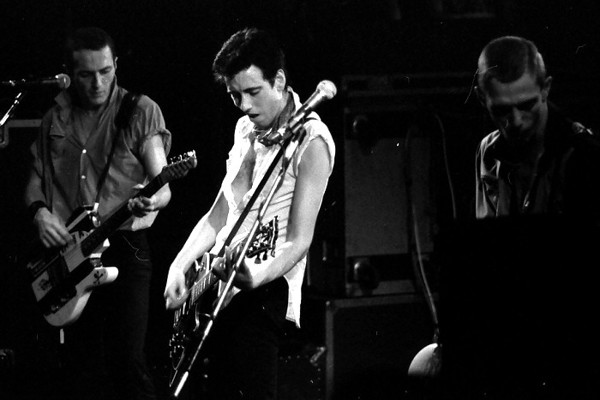
Before being able to release London Calling an album which would immediately become an all-time classic in the history of popular music The Clash had a problem to negotiate with their record label. Theyd recorded too many songs, enough to fill a double-album, and Colombia wanted to sell it at an inflated price.
Ideally they wouldnt have released a double-album at all, since punk bands were supposed to leave that kind of stuff to Pink Floyd and prog rock bands. This was a problem for The Clash, who famously built a reputation being a punk band that stood up for ordinary people. It would be hypocritical to call out institutions profiteering if they were part of the problem themselves.
Colombia initially denied the band the opportunity to release the album in the format they wanted, but like the renegades they are they stood their ground and wore the record company down. Eventually the double album came out for the same price as a regular record, The Clash kept their street cred and sold 2m copies in just a few short weeks.
Most critics now consider London Calling one of the greatest albums of all time, so its a good job they ignored what Colombia was saying.
9. Metallica Vs Napster
Metallica have always split opinion when it comes to music fans. They have a big, dedicated fan base, but even a lot of metal-heads think their music is piffle.
That said, any band that writes Enter Sandman and Master of Puppets should probably be given a free pass for life.
In 2000 Metallica discovered a demo of their new single I Disappear was being passed around on Napster for free. They promptly took the file-sharing company, which specialised in MP3s before a judge. The move was controversial to some, who thought the band was being greedy and ignoring fans who were benefitting from the website.
Metallica won out, and once they did, everyone wanted a piece of Napster: suits from Dr Dre and others followed and the website soon went into liquidation. Nowadays most would agree file-sharing websites are killing musicians, so Metallicas position seems less greedy.
They were the first in a long line of artists to complain about file-sharing sites, but unlike most artists, they actually got their own way.
8. Arctic Monkeys & Myspace Vs The World
Arctic Monkeys were selling out 2,000 seat venues before theyd even released a single. How could this be?
Well, they went down an unconventional path: releasing music in conjunction with Myspace. Rather than signing to a major label, the band was part of the first generation of musicians who had figured out how to use the internet to their benefit.
Instead of whining about the internets file-sharing websites which facilitated theft, they understood that going online was an ideal platform for getting the word out there. They used Myspace to make songs available to the widest possible audience, put up music videos and tell fans about gigs. All the while they spent nearly nothing on publicity and pocketed the cash. At 19 they had the fastest selling album ever in the UK and a number 1 single.
And what about when Myspace collapsed? Theyd already signed to Domino with complete creative control. Arctic Monkeys are perfect proof that being signed to a major label doesnt mean you cant be successful if youre tech savvy. You can be close to your fans and get rid of the unnecessary people in your entourage doing a job you could do yourselves.
7. Fiona Apple's Fans Vs Epic
Since hitting MTV in the mid-90s with the hit Criminal Fiona Apple had quickly showed she was a serious artist, rather than a hit-making machine. Her first three albums were critically lauded for their singer-songwriter approach and intelligent soft-rock feel, even though there was six years between her second and third releases.
After her third album another long break ensued, with reports surfacing that she was planning to bring out fourth record in 2011. This time however the real reason for the delay was revealed: the record company had heard her album and refused to release it because it wasnt commercial enough.
An online campaign was started by fans to Free Fiona and have her record released. The pressure and bad publicity paid off, and in the end they backed down. The album was back on track, eventually hitting shelves in 2012. The Idler Wheel saw Fiona Apple on top form, blending rock, jazz and folk music seamlessly. Naturally the album was placed near the top of many end of year polls for best album as well.
6. Wilco Vs Reprise
Wilco quickly gained a cult following and signed to Reprise Records, releasing three albums of decent success, with each one receiving some form of praise and selling enough to keep the record company happy.
There were problems with the bands second album, Being There, which came in at a bloated 19 tracks long. In order to save fans money they would have to pay for a double album, the band waved royalties to have it released how they wanted it. For their fourth album, however, there was no simple solution in sight as Reprise refused to release Yankee Hotel Foxtrot.
Due to changes at the company, representatives were sent to observe the band due recording sessions to make sure the sound was commercial enough. Eventually the band left the label and took their album elsewhere.
Upon release, Yankee Hotel Foxtrot became the bands biggest selling albums, quickly going platinum probably off the back of the record label controversy as much as anything. Even better it was a massive critical success, topping a number of end of year polls and even being voted among the best albums of the decade. The band were proved right for sticking to their guns and not bowing to internal pressures.
5. Neil Young Vs Geffen
Neil Young has put out some of the finest albums in the history of popular music, including channelling influences including rock, pop, folk, the blues. Albums like Harvest and After the Goldrush are landmarks for singer-songwriters, and his work with Crosby, Stills, Nash and Young is still highly regarded by music critics.
Its because of this extraordinary reputation that its such a surprise he ran into trouble with David Geffen, who accused Young of releasing a sub-par album on purpose. He said the albums Trans. and Everybodys Rockin works which forayed into electronic and rockabilly music respectively were unrepresentative of his music and could be considered a breach of contract.
Remarkably Geffen sued Young in 1983 for a $3m. Young, however, sued back for a whopping $21m and basically scared the !*$% out of his record label, who dropped the charges and were ordered to pay the fees. Young argued he had complete creative control on his Geffen deal and the judge agreed, basically saying he was free to do whatever he wanted, whether it was commercial or not.
4. Hall And Oates Vs Relevancy

With hits like Rich Girl, Kiss On My List and You Make My Dreams Hall & Oates were one of the most popular soul acts of the 70s and 80s, however, despite a string of top 10 hits, they struggled for radio play throughout their early career.
It seemed they had to work extra hard to convince the record labels they shifted between that would they were doing was worthwhile. After all, their music had a retro feel which just wasnt topping the charts anymore. Their success was an anomaly that the record companies struggled to get their heads around. When the 90s hit and grunge music hit, the money men were finally proven right Hall & Oates were, finally, not relevant.
What happened next is perhaps a lesson to all bands that spend their career fighting the record labels they accepted their fate and moved on. Rather than signing to another label, they made their own and simply accepted that a smaller but more dedicated audience was for them. Theyre still going strong today, and because they take a larger cut of the profits, they even make more money. At the same time, they play their music to listeners who really want to hear it.
3. Tom Petty Vs MCA
Tom Petty showed up at MCAs door with a new album he felt was the best stuff hed recorded to date. As a member of the Heartbreakers hed already recorded a string of financially and critically successful albums, and since collaborating with the Traveling Wilburys (alongside Jeff Lynne, Bob Dylan, George Harrison and Roy Orbison) he had some very influential friends.
Remarkably for a man whod only ever known success, the executives told him to come back when he could give them a hit.
Rather than re-record an album he felt was as good as he could do, he left it alone and did some work with the Wilburys. In 1989, after a change at the top of MCA, he returned and the album was accepted no changes were made. The rest of the story goes like this: the album sold 5 million copies, topped the charts and produced five singles Free Falling becoming his most recognisable song.
What do record companies know, anyway?
2. Radiohead Vs EMI
Radiohead had long been one of the most popular and critically respected acts in alternative music when rumours began to bubble about tensions between the band and its record label EMI. It got into the press that the band had demanded £10m to re-sign with the label, but the truth was quite different.
Actually the dispute was about EMIs ownership of the bands back catalogue, including master recording of albums and singles. This would allow the label to put out compilations without the consent of Thom Yorke and co., got a lot of people talking about music ownership. Why should EMI own something they didnt create?
In the end Radiohead lost the battle and left the label. EMI promptly released a Greatest Hits which the band dissociated itself from. Next the band went missing. It was suggested theyd broken up due to pressures caused by the label dispute. Ultimately they resurfaced with an interesting proposition for album purchasers. Were going to release a record, and you can decide what its worth.
It was predicted to be a disaster, but the opposite was the case. According to guitarist Ed OBrien it made more money than their previous major label effort, Hail to the Thief. It also got the ball rolling in giving more autonomy to artists within the music industry though theres a long way to go. Even better, it was a bloody excellent album!
1. Taylor Swift Vs Spotify And Apple
Just before the release of her sixth album, titled 1989, Taylor Swift withdrew all her songs from Spotify. She was actually the most listened to artist on the platform, with over 25% of users streaming her tracks. The move naturally made the news. Her reasoning was, controversially, that she should be paid for the music she makes or at least paid more than the $0.006 - $0.0084 Spotify pays its artists per play. She sent out a message saying musicians should be the ones determining how much their work costs, not their record labels.
Some months later another feud sprung up, this time concerning another industry giant: Apple. Apple had plans to offer a three month trial period of their streaming services in which subscribers would be able to listen to music for free. Great for the customer, but actually the artists Apple planned to make use of would not see a penny of the royalties owed to them for the use of their products. She put out an open letter to the company, urging them to change their plans, and removed her album from the service.
What happened? Apple immediately changed their minds and paid royalty rates, so Swift offered her music back to the streaming site. A win all round. Not to mention that, after going head-to-head with probably the two most influential companies in the music industry, Swift emerged with a number 1 album which was the fastest selling album in the US since 2002, plus three more number 1 singles.
Did you enjoy this article? Do you want to write music articles just like this? Apply to write and get paid here.