Is This The Smallest Console Generation Leap Ever?
 It's a great time to be a gamer as new consoles are launching. It's a time everyone will remember as we buy a piece of technology that will sit happily under our TVs for years to come. With each generation we see various upgrades and get all excited for what is now possible with our new systems, but this generational leap appears to lack the punch of those in the past. So we are here to ask whether we are seeing previous console changes through a haze of nostalgia or is this really the smallest console leap ever? We're going to take a look at each generation change in turn, to discuss each upgrade and to attempt to figure out which was the least significant. We're going to ignore the raw technical specifications and focus more on what each step meant for the gamer.
First To Second (1972-1976)

Second To Third (1976-1983)

Third To Fourth (1983-1987)
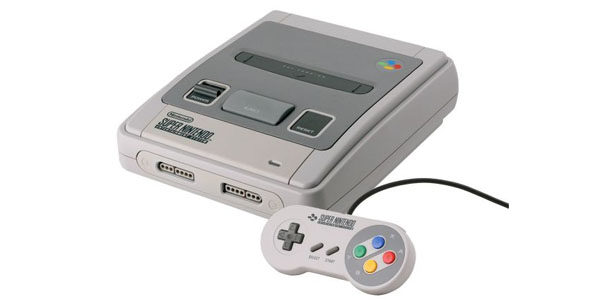
Forth To Fifth (1987-1995)

Fifth To Sixth (1995-1999)
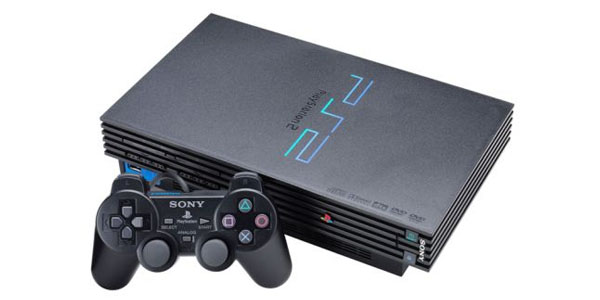
Sixth To Seventh (1999-2005)
Now we reach the consoles that are breathing their last breaths, soon to be replaced and resigned to the history books. The seventh generation began in 2005 with the Xbox 360 and a year later the PS3 came along. In a move that they appear to be sticking with, Nintendo decided to abandon the race for achieving the most powerful console and instead went their own way to explore motion controls in the form of the Wii. This jump saw significant steps forward. Obviously there was the advancement in the graphics, perhaps the most significant was High Definition (HD) gaming. As HDTV's were starting to catch on, the console market was helping the sales. All of the consoles now featured built-in storage devices rather than memory cards and allowed for game installations. Perhaps the single most important step that was taken with this generation was all three companies fully embracing the internet. Each console had it's own online service allowing gamers to join an online community, meaning there was now always someone to play with. This also meant that the consoles could be continually updated throughout the generation, meaning that the Xbox 360 you bought at launch was a long way away from the one you're about the throw away today. The internet also meant that consoles were becoming a lot more than game machines, and more than DVD players: various online features including iPlayer, Netflix and Youtube meant that playing games on your consoles was just the tip of the entertainment-iceberg. While the conventional controllers stayed pretty much the same, the Wii introduced a whole new way of interacting with a game. Nintendo took a gamble, and it paid off. Everyone wanted to stand in front of their TV's waggling around the Wiimote, which meant that the barrier of the now ever-complex controllers was no longer an issue, and anyone could swing their arm to bowl or play tennis. The sales of the Wii were so good that Sony and Microsoft attempted to get in on the motion control success with the Kinect and Move, but were unable to capture the Wii's market.
Seventh To Eight (2005-2012)
 So we come to the present day, as the two big boys of gaming launch their new consoles. Nintendo launched the generation in 2012 with the Wii U to mixed reviews and confusion, but after a slow start they appear to be creating the kind of games library that is essential to a console's survival. The problem with the Wii U is that it doesn't bring anything new. Aside from the intriguing tablet controller, it is set firmly in the seventh generation. Microsoft and Sony are undoubtedly the two main rivals of this time, with the PS4 and the Xbox One as direct descendants to the PS3 and 360. As we've seen with each generation change there have been hardware improvements that are sure to be noticeable soon, but as of launch the visual comparisons are far less impressive than any of the previous generation leaps. After seeing Ocarina of Time, it was difficult to go back to the SNES; and after seeing Grand Theft Auto III, it was hard to look at your PS1 anymore. But nothing has done this so far (though it's still early days) for this next generation, Killzone: Shadow Fall or Battlefield 4 look good, but nothing that makes the The Last of Us look bad by comparison. The main features touted are improved social features, to allow gamers to stream or upload game footage, and integration with a second screen, either via the PS Vita or Microsoft SmartGlass, oh and Microsoft think that watching TV is a big improvement. Although these are still very early days, there hasn't been a significant development to this eighth generation. Whereas the advancements in previous jumps were evident, this is a generation that might take some time to show what it's capable of. What do you think was the smallest step between generations? Let us know in the comments...