Metal Gear Solid V: Phantom Pain - 10 Huge Problems Nobody Wants To Admit

THIS is how we're saying goodbye?!
Here's the thing; I love Metal Gear. It's the franchise that helped bring about the most direct silver screen comparisons for gaming as a medium, and not only did it offer a story with more twists and turns than Doc Ock falling down the stairs, but it exceeded all expectations regardless of how hyped you were before release. Come MGS 2 and Hideo Kojima was given even more creative control, polarising fans with 'the Raiden twist' that's now gone down in infamy, alongside developing one of the most over-the-top and ridiculous storylines in the history of gaming. Honestly though? I loved that. You need guys like Kojima to put out games that purposefully go against the grain, making a point to be as ridiculous and asinine as possible in the name of entertainment. Above all, gaming desperately needs more auteurs like Kojima, Ken Levine, Tim Schafer etc., and it's a notion that, when you look to The Phantom Pain, makes you realise how a clash of ideals almost brought everything down around them. For the most part this is 100% 'a Metal Gear game', but all the ructions between Kojima and Konami's top brass have resulted in a number of substantial cuts - some more integral to the story than others - all illustrating how Kojima Studios' pressurised working environment has effected the final product. Metal Gear Solid should always stand the test of time as a bastion for free-wheeling artistic experimentation in everything from gameplay to story, and whilst I must stress MGS V is still a phenomenal game, such a coat of polish makes all the blemishes way more noticeable. Note: Spoilers will be flagged appropriately.

10. Boss' Motivations Are Severely Undercooked
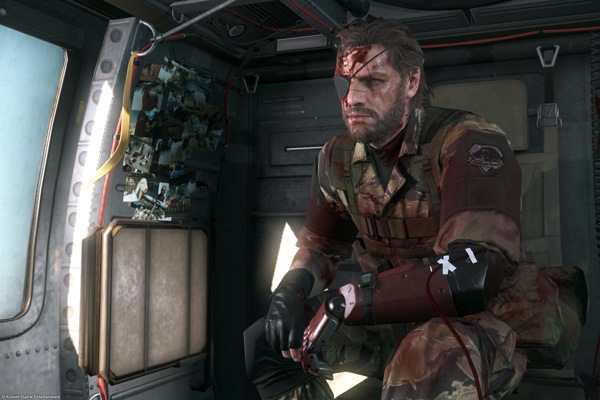
Coming out of his nine year coma, the first handful of missions sees you make a whistle-stop tour between Exposition Valley with Kaz, through "Here's your fully-functioning Mother Base!" with Ocelot, finally departing in the middle of the Afghani wilderness. Don't stop to wonder what Ocelot's motivations are, how you're able to see giant flaming space-whales or unicorns - just go with it, right? And you do - we always have done in past games - but usually you've got Snake (of whichever variety) reacting to things, asking questions, being generally freaked out by whatever supernatural or biological madness is going on around him. Here, Boss just accepts there are gigantic mechs wandering about, there are flaming men shooting down helicopters with fireballs, and - more importantly - his assumed mission of rebuilding Mother Base. Past the first mission you get a lot of dialogue from Kaz explaining what he intends to do ("I'm gonna rebuild it!"), but being the bedrock of Militaires Sans Frontieres is Big Boss and Kaz as best buds setting the standard for camaraderie, it's a bit... weird, to not hear Boss say a damn thing in this entire exchange. Instead, it's Kaz who does all the talking and sets everything in motion, so when Snake finally does talk and says lines like "I'm already a demon", it doesn't fit - but would've done perfectly if they'd spent the preceding helicopter ride going over their motivations and everything they'd lost, creating the drive to succeed together.

9. The Cassettes Are A Blessing & A Curse
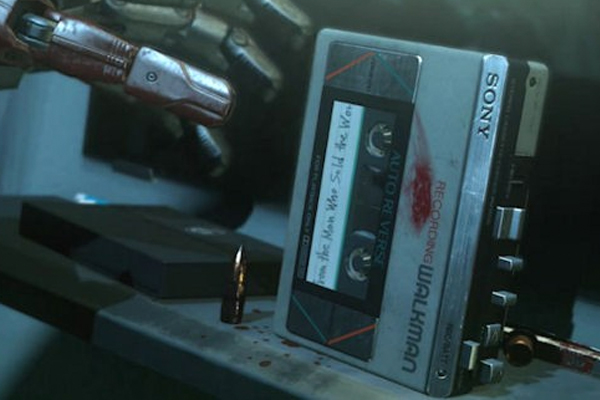
As covered in my Essential Tips & Tricks article, the idea to reconcile the vast majority of the game's story to a huge amount of audio recordings works both positively and negatively. You can tell gameplay was pushed to the front of the experience (thankfully, after the seven-plus hour cutscene-fest that was MGS 4), but to revamp and modify the age-old Codec calls of yore, now you can continue on your mission with dialogue exchanges happening along the way. The problem, is these aren't balanced or accountable for any changes in your mission dialogue. So say you're listening to Boss and Ocelot talk about what it's like recovering his memory after the coma, if you come across a mission objective in the world, real-time Ocelot or Kaz will talk over the recording, without it stopping, meaning you've got to jump back into the iDroid to pause or rewind to where you were. In addition (as in the past we got a chunk of plot through the radio), almost all of the game's biggest reveals are resigned to this format, so you'll find yourself simply sitting in the ACC to take it all in, the fear of having something cut off preventing you from deploying in the field. That brings me onto my next point...

8. There Just Aren't Enough Cutscenes
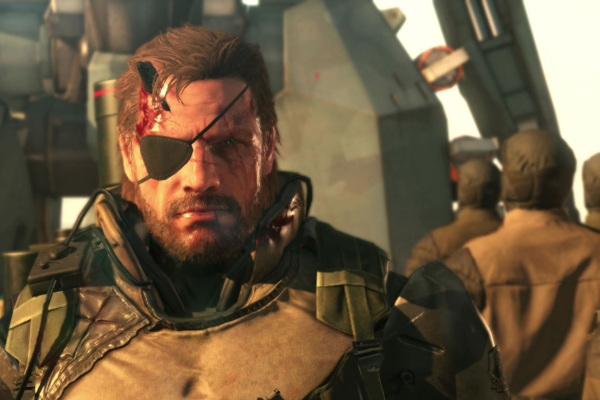
Poor Hideo Kojima can't win, can he? One minute he's getting chastised for doing too lengthy an exchange at the close of MGS 2, only to re-balance everything in 3, then mess it up as he went into full-on Hollywood Mode in MGS 4. For V it appears his staff reigned him in again, but not always for the better. Granted the lack of cutscenes (around four hours in the entire game, more than MGS 1 and the same as Snake Eater) does let you get back to the action within about five or so minutes, but when it comes to what's happening in the regions of both Afghanistan and Africa, it's very hard to keep up. Occasionally, following a particular Side-Op or Main Mission you'll get a blue iDroid screen where photos are thrown up and dissected by Kaz, but it just feels underdeveloped - as though maybe these debriefing screens were originally intended to be cutscenes between Kaz and Boss, but were cut for budgetary reasons or time restraints. What's here outside of these are great, spectacular even thanks to Kojima's refined directorial style, and due to their scarcity you end up treasuring when one kicks in, but that works both ways. When it comes to interacting with Quiet, the guys on the base, Kaz, Huey, Ocelot and especially Eli, there's not even close to enough time spent having them interact with each other - outside of the cassettes, anyway.

7. There's Almost No Need To Modify Anything

It's always a problem for games like this; you have an entire world of modifiable weaponry and items open to you, but once you've settled on a combo that works and sees you through a mission, you're almost never going to change. Personally my side weapons were a stun-round SMG and Boss' shock arm upgrade, with primary being an suppressed assault rifle and an alternating slot for either a sniper rifle or rocket launcher, depending on the mission. At no point did I feel the need to switch anything up - after all if I wanted to kill, I could, and if I wanted to stun, the option was right there too. It resulted in the only thing that would've benefitted my playstyle - more suppressors - being nowhere to be found, and unless you want to try out a bevy of different guns for the sake of it (which admittedly, is fun) there's never a genuine need to adapt to your enemy, nor are they to you, outside of getting better armour or surveillance equipment. Developing armour-piercing rounds, having a way to stymy the flow of shields or riot armour yourself rather than have your soldiers to it exclusively, would've gone a long way.

6. The Combat-Heavy Missions Are Godawful
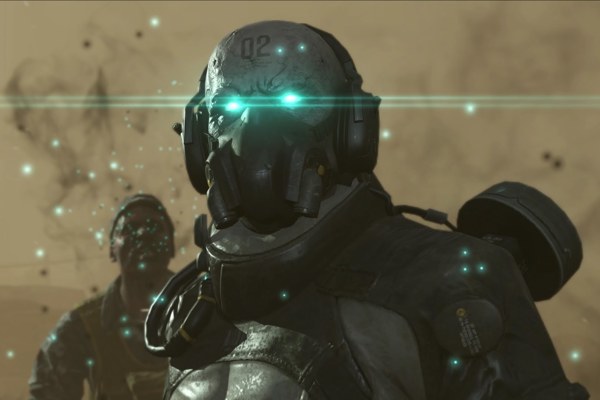
Although MGS 4 and Peace Walker were first attempts (to varying degrees) at presenting full-on gun combat as a worthwhile option in the field, for Phantom Pain you get missions where there's literally no alternative. Coming across Quiet and engaging in a tense back n' forth sniper battle is fantastic (as you're given the option to outwit her, escape and return later, or leave her altogether), but when you're tackling the seemingly invulnerable Skull Unit (who can leap huge distances, kill you in a handful of shots, teleport right next to you and take 20 rockets to put down) it's damn-near torturous fathoming out how or why it's in a stealth game. The worst part, is at times you'll not even know what you're in for, only to boot up a mission that's framed as "Kill everything that moves", making you thoroughly unequipped. Tanks can kill you in one shot if you're not wearing the right armour, and if you arrived with an assault rifle to a battle against Skulls that need constant explosives to stop, well, that's a swift reset to the ACC to create a new loadout just for that mission. On a base level, Metal Gear works as a shooter - but you don't have the freedom to dart about the battlefield like some of your opponents, and when you've died to a rogue Skull or The Man on Fire for the 30th time simply because you're not anywhere close to being able to put up a fair fight, it's just infuriating.

5. The Late-Game Mission Progression Feels Broken

Phantom Pain takes huge chunks of its appeal and game design from Peace Walker; and although for the most part it all comes together better than ever before (Fulton'ing soldiers and building your own Poké-Mother Base looks incredible now you can actually walk around it), but the one thing that also transfers is the late-game idea of replaying the hardest missions to further the story. After Episode 32 in the main list, you'll start to see things like or listed next to the upcoming mission; and rather than be modifiers on new content, instead you're literally going back to replay a handful of select episodes from across the game, with modifiers like "Game over if seen" or "Extra damage" applied. This wouldn't be too bad if it was framed differently, like Kaz saying "Hey Boss, I think you could've done this mission better", only for BB to daydream and boot you back in - something other than replaying the old cutscenes, getting the same progression beats ('Here's the guy who can modify your arm') and all the requisite dialogue. It feels like you're doing something wrong, and when characters like Quiet can be re-added to the Brig for replaying her mission regardless of her place in the story, almost completely broken. These missions are required to unlock a handful of 'proper' story episodes (you'll trigger random cutscenes or cassette tapes upon completion), but it's a very odd way to frame the run-up to the big finish, especially when it doesn't make a lick of sense outside of the game literally telling you to replay old missions for the hell of it.

4. There's No Reason To Revisit Mother Base

Every now and then you'll get a call from Kaz or Ocelot saying you should come back to Mother Base, because "Being out in the field for too long isn't good" - but in reality what that means is going through a couple of loading screens, using one of the in-game showers to clean yourself, and heading back out again. It works in a Dark Souls II-style "Take a break back at a safe zone"-kinda way, but you end up literally just going back here for the sake of showering, getting saluted by your soldiers, and leaving again. You can't even salute back, which is just plain weird, and although your staff morale goes up when you're near your troops, it feels like it should've been a game mechanic to make a round-trip across the base, saluting your fellow comrades and really categorising their support into a viewable stat.

3. The Story's Main Characters Are Woefully Underdeveloped
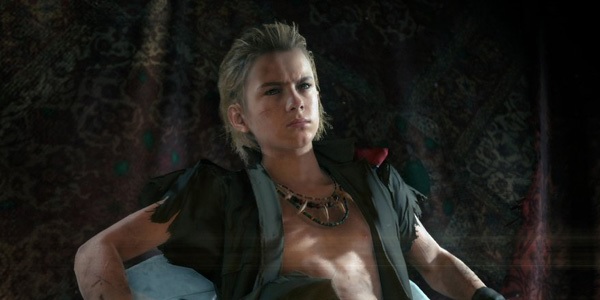
Looking forward to delving into Eli's backstory? Quiet, Huey or even Ocelot's motivations? Good luck with that, as aside from Skull Face and Kaz, nobody gets anything close to extended time discussing what they want in this world. SF's is resigned to cassettes for the majority (his full origin still in Ground Zeroes), Ocelot's penchant for torture (that was hinted at in Snake Eater and throughout the trailers for this) turns into a short talking point about certain "methods" he uses with no visual accompaniment, and although Quiet's story arc is my personal highpoint for the whole game, you can telegraph where that's going at around the halfway point. Boss too essentially turns into every open-world protagonist ever, an obedient 'yes man' agreeing to whatever whims his crew can concoct. It feels like rebuilding Mother Base is Kaz's revenge kick, with Boss just going along with it, and when things like Huey's increasingly-crazy high-tech weaponry start making an appearance, Boss' stance on the matter is nonexistent.

2. It Was Falsely Advertised

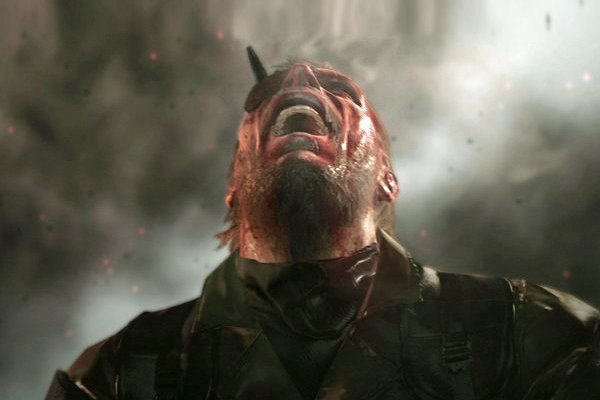
These last two points will contain MAJOR spoilers for the game's plot, so consider yourself warned. So if you've beaten the game, you'll know the big switcheroo was not being Boss throughout the game, which I'm personally fine with. It goes some way to explaining Boss' far more silent demeanour, hints at the notion of Big Boss as a symbol being more important to the world than the man himself, and when taken with the idea of Skull Face being a former comrade helping out from behind the scenes, essentially grounds Big Boss/Jack/Naked Snake as just another soldier underneath the inflated ideology. However... that's not what we signed up for. The entire point of MGS V was supposed to provide the 'missing link' between Peace Walker and the original Metal Gear, charting the swift descent of Boss from military liberator and caring figure, to total maniacal madman hellbent on world destruction. The trailers literally stated this, and the vast majority of footage for the game leant heavily on bloody, violent imagery, shots of Boss screaming in agony or loss - the whole thing looking to paint him as a thoroughly isolated figure pushed to the breaking point. In the game though? None of that happens. None of it. Scenes in the village? Nowhere to be seen. That shot of Boss covered in blood? Nope. Even the launch trailer of Boss turning into Skull Face? Not a second. There's one mission where you're randomly told "Hey Snake, your troops have a virus and must be killed" and it does have emotional weight, but there's no effect on Boss. He takes their ashes and spreads them on his face in a very weird-yet-serious scene - and then states they should be made into diamonds instead; essentially moving past the potential emotional turmoil that could've (should've?) been his driving force. It's weird, it's empty, and it feels like we've been given an inferior product, leading to the biggest problem with the entire game once you've seen all it has to offer...

1. It's Not Finished

As I mentioned in the intro, Metal Gear should always strive to be the biggest example of artistic freedom in the medium. Kojima proved you can have your cake and eat it too (nanomachines would simulate the taste, or there'd be a clone, you know how it goes), yet for Phantom Pain the game's ENDING was cut out. You could argue the final sendoff was the Venom Snake/Medic twist, and that'd be great if we'd leant more on the ideology of establishing the Boss outside of one of Kaz's cassettes saying people will always follow what he represents, but the reality is there's an entire other mission stuffed with integral plot elements that you'll have to watch on Youtube instead. https://www.youtube.com/watch?v=-B4JIHh5Jqk It's pretty damn disgusting to be honest. You have this major falling out between Kojima and Konami, where the latter elects to remove his name from the game itself and all the promotional materials, and then just to make sure they get the last laugh, the final shipped product's plot explanation mission is cut out. You can see in the above video, the cutscene was pretty much good to go despite some facial animation, and it's just ridiculous the one thing that directly ties Phantom Pain to MGS 1 remains on the cutting room floor. Without this final battle between Boss and Sahelanthropus, the main game's canon leaves Liquid, Mantis and the kids to run away with the biggest, most ludicrously advanced Metal Gear yet. The entire point of confronting soon-to-be Liquid was to establish his motives and prevent the world from seeing Sahelanthropus, thereby kickstarting the development of more mechs around the world - which was the entire point of REX's plans leaking at the close of MGS 1. It's a gaping hole in the canon, and one that'll never get closed up, all things considered. Instead, we end on the whole "There were two of you all along" twist, leave Boss' descent to madness utterly ignored, and let a group of angry kids essentially sit on a world-enslaving superpower as Venom Snake goes back to work. We're left to assume Liquid and co. simply sat on their plans for a good 20 years before Shadow Moses, despite being in possession of an even better mech than REX could ever be. It's madness, and marks the first time Kojima had control of his baby wrestled away from him - the results being this hastily cobbled-together ending, rather than the one he intended and we deserved. How have you found MGS V's story vs. gameplay ratio? Did you like the ending, and what would you change, if anything? Let us know in the comments!

Gaming Editor
Gaming Editor

WhatCulture's Head of Gaming.