Battlefield V 2018: 10 Things It Must Do Better Than 1
Having more than five guns would be a start.

Although nothing has been officially confirmed yet, EA have already started teasing this year's Battlefield. Announcing to investors that a new entry in the series will be coming this October, the publisher recently teased that the title would also be playable at their upcoming EA Play event.
This, combined with a few leaks here and there, have started to paint a solid picture of what this year's entry will look like: namely, it'll be set in World War 2, be called Battlefield V, and will be developed by the same team as the previous game, DICE Sweden.
However, while the studio's last release, the super-successful Battlefield 1, reinvigorated the franchise, it made a few mistakes and changed a couple of core elements that V desperately needs to address before it hits shelves.
The franchise is bigger than ever at the moment, but by taking more cues than many players were comfortable with from the troubled Battlefront series, a course correct is necessary to ensure EA retains the die-hard fanbase that made DICE's shooter such a success in the first place.
10. More Map Verticality

Battlefield 1's maps were pretty damn enjoyable, with the wide-open spaces of Sinai Desert and bombed-out Russian cities providing diverse and memorable playgrounds to wage war in.
While they were visually stunning though, they lacked the tactical variety and density of the best levels in the franchise. Most of the buildings weren't able to be entered at all, while the ones that were lacked any interesting visual signifiers and didn't provide many unique chokepoints.
It wasn't as bad as the ground-level maps of Star Wars Battlefront, but 1 erred a bit too close to that series for some fans' liking. In contrast to the fourth game, which took the action from the streets to the tops of skyscrapers and back down again, the restrictions present in DICE's last effort meant that maps lost their lustre fairly quickly, and damaged the replayability of its multiplayer.
9. Weapon Variety And Customisation

Though Battlefield 1's list of weaponry was a nice change of pace from the M4 Carbines and AK-47s players have been lumped with for over a decade now, it suffered from a severe lack of variety.
Gutting the amount of weapons as well their customisability, the restrictions of the WW1 setting meant that a lot of the guns functioned pretty much identical to each other, and there was no substantial way to tinker with them to fit your playstyle.
Now that they're allegedly moving into World War 2 though, DICE doesn't have the same excuse to justify the lack of content in the next game. While the options on display don't need to hit the ridiculous heights of Battlefield 4, the title does need to give fans more than a paltry handful of guns and attachments to blow other players away with.
7. Better Expansions (And A Longterm Plan)
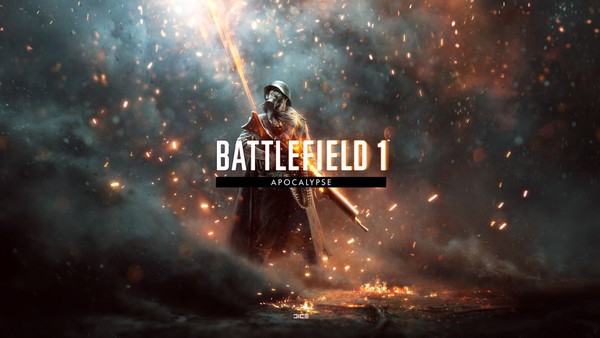
While there were worries that Battlefield 1, with its lack of weapons, vehicles and map variety, wouldn't have the longevity of other entries in the series, its expansive post-release stream of DLC was poised to solve that problem. The expansions have admittedly been pretty decent, adding in a couple of must-play maps as well as keeping the game alive for longer than most people expected, but they weren't the essential additions they could have been.
In fact, in a lot of ways, they actually failed to capitalise on the unique ideas the base game introduced. The Behemoths were sorely missing from the expansions, inherently making them feel less spectacular than the all-out-war feel of the original levels. Likewise, although the weapons introduced were great, they were locked behind frustrating upgrade screens which made them difficult to actually get ahold of.
With the next Battlefield though, DICE need to have a long-term plan to keep the game alive post-launch. Weirdly enough, Call of Duty has actually done a pretty good job at this, releasing new content, modes and seasonal twists (often for free) to keep players jumping back in.
All of Battlefield's content on the other hand is gated behind a season pass, but this approach needs to become fluid if EA want to continue to rub shoulders with the other multiplayer heavy hitters.
6. More Interesting Campaign Battles
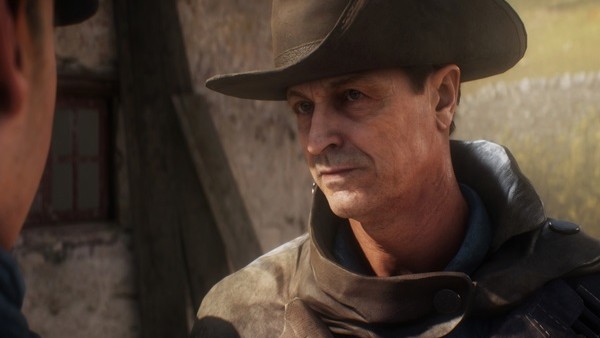
Battlefield 1's single-player campaign was home to plenty of memorable stories and characters, but while the storytelling itself was inspired, the actual gameplay and set-pieces left quite a bit to be desired. For the most part the vignette-style narrative just hid the fact that you were fighting your way through bog-standard encounters, occasionally jumping in vehicles and not actually having to think about anything.
There were a couple of exceptions of course, but the majority of the gameplay in the single-player was pretty boring. Going forward, DICE need to bring the quality of these sections up to par with the stories they're capable of telling.
Despite how rote Call of Duty's single-player campaigns are, even that series has found ways to shake things up, introducing non-combat sections in WW2. The next Battlefield should take inspiration from that and focus on creating memorable set-pieces that match the lofty ambitions of DICE's all-out-war narratives.
5. Don't Take Too Many Liberties With Historical Accuracy
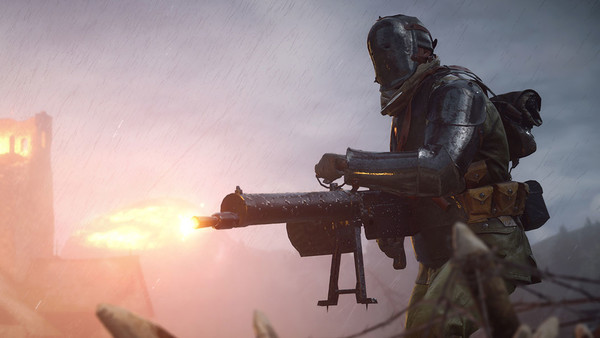
Although Battlefield 1 marketed itself as a WW1 shooter, it wasn't really a WW1 shooter. Sure, it took inspiration from the period and did its best to replicate many of its major conflicts, but it also took huge liberties when it came to the style of combat, weapons and items that were actually present during the time.
While that made for a new title which was visually unique compared with anything that had come before, it resulted in the setting itself feeling more like background flavour text rather than a radical change for the franchise. The weapons weren't all that different from those players were used to, and the WW1 theme didn't really transform the gameplay in any meaningful way.
Consequently, going forward DICE and EA should draw more heavily from their historical influences, rather than chopping and changing reality to make the game more accessible - and more familiar - to a wider audience.
4. Destruction Needs To Be Better
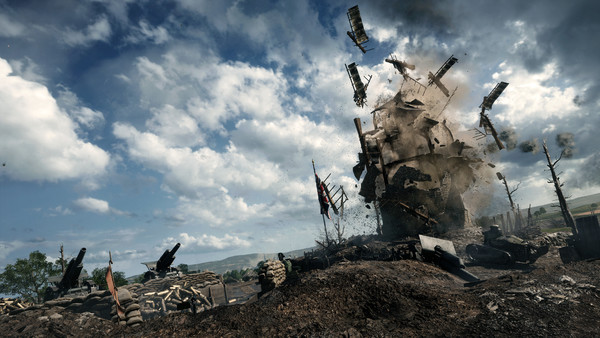
DICE have tinkered with destruction ever since Battlefield: Bad Company, moving away from the more free-form approach of those releases to scripted, isolated set-pieces in the main series. It's still a core element of the franchise - and even acted as the basis of Battlefield 4's unique selling point, levolution - but despite the technology being more impressive than ever, in motion it's not as satisfying as it used to be.
That could stem from the developer's decision to limit what part of the environment can actually be destroyed. While bombs dropped from the sky now cause huge craters in the terrain, you can no longer take out a sniper nest by destroying the window they're sitting in (despite the feature being present in older titles), and it feels like the devs have taken a step back rather than evolving one of Battlefield's gameplay pillars.
While the ability to level entire maps might not be feasible, a return to the dynamic destruction of previous games would be welcome. Especially if the upcoming sequel is based on World War 2, then it would be seem even weirder if players couldn't cause the devastating amount of property damage that occurred during the actual real-life conflict.
3. Make The Weather Effects Even More Challenging
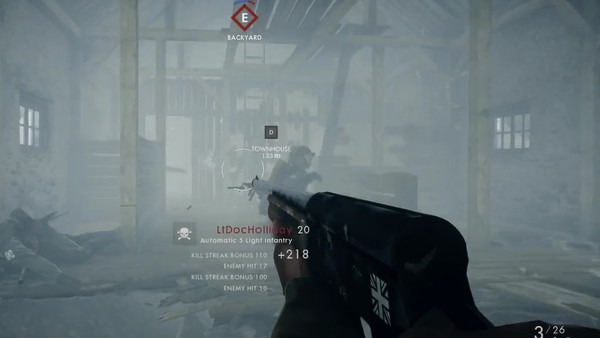
One of the best ways DICE made every round of Battlefield 1's multiplayer feel different was the inclusion of dynamic weather. Instead of having one set look, any map could be visually altered by fog rolling in or sandstorms kicking up a fuss. Even better, rather than just injecting some much-needed variety into the visuals, the weather also impacted the way you approached each match, as a thick layer of fog for instance often meant that long range shooting would be off the cards.
While it was a great first step however, going forward DICE need to double down on this neat feature. The differences between the weather types were stark, but there were only a couple that actually impacted the gameplay itself. It's a tough balancing act to get right, but including more match-altering variables like this would benefit the title's longevity massively.
Likewise, a day/night cycle would help to keep the maps fresh as well, as you'd never know if the next match would have you parachuting in at the dead of night or showing up in full view of the enemy in the harsh morning light.
2. Behemoths Must Be Integrated Better

At this point, it seems as though every Battlefield needs a central gimmick its multiplayer is based around. In the fourth title it was levolution and most recently it was the Behemoths, huge vehicles that would show up to turn the tide of a battle.
Though it could have disastrously impacted the balance of each round, these super vehicles were not only a vital asset for the losing side, but imbued every map with a sense of spectacle that no other competitive shooter has ever really captured.
With that said, in every Battlefield title these central gimmicks have been all but dropped after release. Behemoths were present in the base game of 1, but were sorely missing from its expansions, while the same was true for levolution in 4.
The core gameplay will always be the most important thing in a Battlefield game, but these anchoring ideas have been great as well, and it would be frustrating to see whatever DICE includes in the upcoming sequel - Behemoths or something else - be instantly forgotten about.
1. Bring Vehicle Combat Back In A Big Way
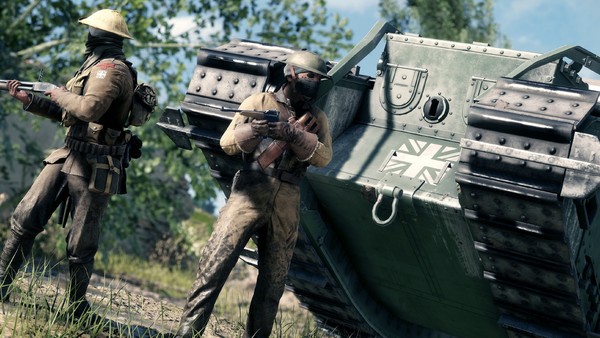
Battlefield has always differentiated itself from the other big first-person shooters by putting vehicular combat front and centre of its multiplayer suite. While this focus wasn't entirely absent in Battlefield 1 though - especially with the introduction of the aforementioned Behemoths - the amount of mechanical war machines available was at an all-time low.
Again, perhaps it was because of the restrictions of the period, but with only a couple flavours of tanks and the ability to attack on horseback, vehicular combat was massively downplayed. The gameplay dynamic shifted heavily towards infantry combat, and although you could still pull off some pretty satisfying kills while piloting clunking tanks or in the passenger seat of a plane, a long stint in vehicles was virtually impossible.
Going into a sequel DICE would do well to recenter its gameplay focus, and give players the option to live out a specific role while on the battlefield. The limitations of the last game just didn't cut it, and it detracted from what made the series so special in the first place.