20 Greatest Nintendo Games Ever

From Animal Crossing to Zelda, here's a collection of Nintendo's greatest ever games.
While they might not be quite the dominant industry force that they once were, Nintendo is still a huge figure in video games. The creators behind of many of the best-selling games and consoles of all time, Nintendo have always been one of the key driving forces behind bringing video games to the mainstream. Nintendo was founded in 1889, originally producing handmade playing cards. After numerous different ventures, including a franchise of 'love hotels', the company moved on to video games in the 1970s. Following the success of their arcade games, most notably Donkey Kong, Nintendo launched their handheld gaming devices, the Game & Watch series in 1980. It wasn't until 1983 that Nintendo finally crossed over into home consoles, with the phenomenally successful Japanese release of the Famicom. Released in the west as the Nintendo Entertainment System (NES), the console took the whole world by storm, forever altering the state of home gaming. This list takes a look at the 20 greatest games ever developed by Nintendo, from the NES era all the way to the modern day. Note that only Nintendo-developed games will be included, so that means no Pokémon, Metroid Prime or Donkey Kong Country. You can expect more than one appearance from a certain Italian plumber though!

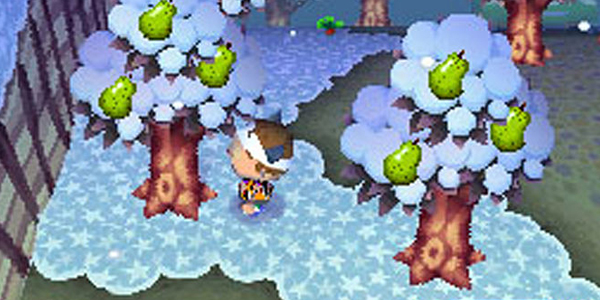
20. Animal Crossing: Wild World

Release: 2005 Platform: DS The DS sequel to the incredibly popular GameCube game, Animal Crossing: Wild World was a better game primarily thanks to its mobility. While not a game for everyone, Wild World was as relaxing as it was charming, and the online capabilities made for almost limitless replayability. Wild World's main draw was its ability to transport players into a virtual world, in which the excitement came not from action or battles, but by keeping up relations with your neighbours and tending to your house and garden. If you're patient enough to fall for its charms, Animal Crossing: Wild World has the potential to ensnare you for years.

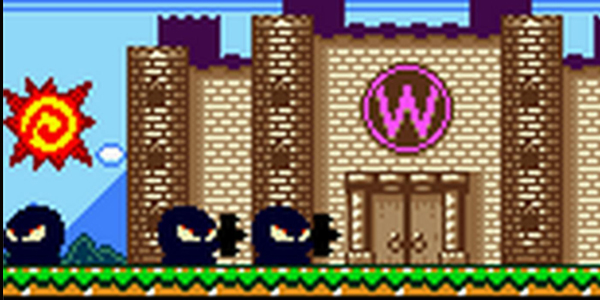
19. Wario Land II

Release: 1998 Platform: Game Boy While not the most famous or popular of the Nintendo mascots, Wario has had a decent repertoire of games under his belt. Wario Land II was the best of his platformer series, featuring Wario's attempts to bring back his stolen treasure. The Wario Land games might look very similar to the Mario platformers at a glance, but the gameplay was very different. In Wario Land II, the character was unable to be killed, instead just losing coins. The game's greatest feature was Wario's hilarious ability to take on strange attributes after being hit by certain attacks, such as Bouncy Wario, Fat Wario and Crazy Wario. Non-linear progression and incredibly fun gameplay cements Wario Land II as one of Nintendo's best mobile platformers.

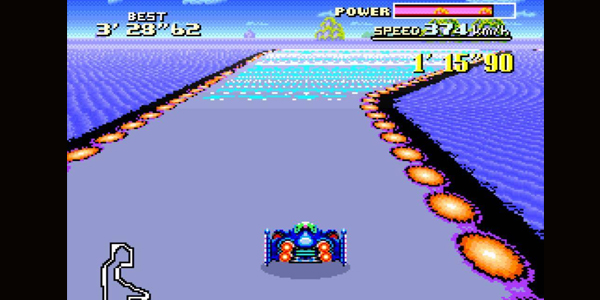
18. F-Zero

Release: 1990 Platform: SNES The original futuristic racing game, F-Zero puts players in the seat of a series of hover cars, along a variety of twisting, gravity-defying tracks. F-Zero was a real technological achievement of the time, and lauded for its challenging, incredibly fast gameplay. While many games in the SNES era tended to polish already established game mechanics, F-Zero blazed ahead by offering an experience that was unlike anything seen before in the world of gaming. Despite not offering a multiplayer mode, the original F-Zero is a timeless classic that set the template for years to come.

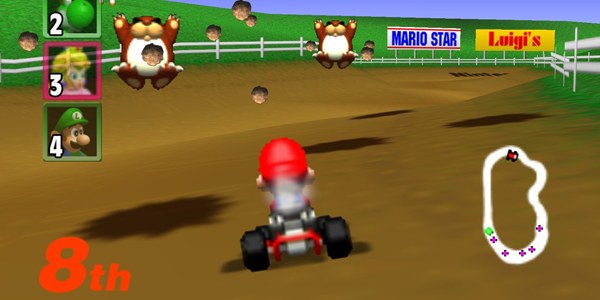
17. Mario Kart 64

Release: 1996 Platform: Nintendo 64 It might not be as fast as the F-Zero series, but the Mario Kart series managed to introduce non-gamers everywhere to the joys of multiplayer racing. Mario Kart 64 was the follow-up to the original SNES title, completely outdoing it thanks to the ability to play with four players at once. Mario Kart 64 also featured some of the best designed tracks in the franchise, such as Bowser's Castle and Wario Stadium. Though certain gamers may disagree with the series' rubber banding mechanic, in which players behind the lead are given more powerful weapons, it was through this design choice that the franchise gained such a wide appeal.

16. Paper Mario: The Thousand-Year Door
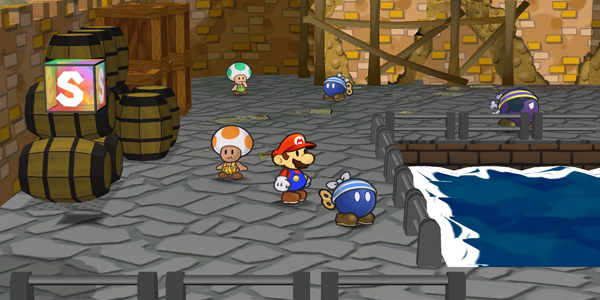
Release: 2004 Platform: GameCube Role-playing might not be the first genre that you'd typically identify with Mario but, as the Paper Mario series has proven, the moustached plumber is one of the most versatile characters in gaming. Paper Mario: The Thousand-Year Door for the GameCube is the best of the Mario RPGs, following the classic story of collecting some stars and saving the princess. Despite the derivative premise, Thousand-Year Door's plot was surprisingly compelling, and the game felt a lot like playing through a Saturday morning cartoon series. The game's blend of 2D and 3D gameplay were a lot of fun, allowing Mario to 'fold' into a variety of forms that give him special properties, introducing a strong exploratory feel.

15. The Legend Of Zelda: Link's Awakening
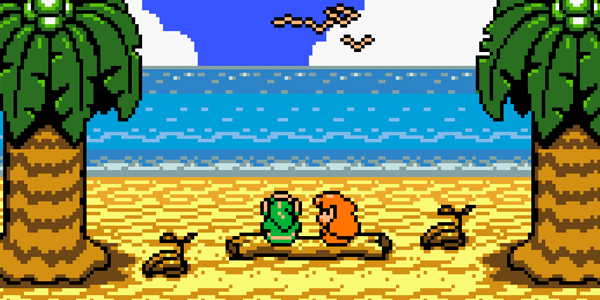
Release: 1993 Platform: Game Boy Criminally underrated, Link's Awakening is the most undeservedly overlooked entries in the Legend of Zelda series, despite having sold over 6 million units worldwide. The series' first outing on a mobile platform, Link's Awakening was a beautifully trippy adventure on Koholint Island, a location with many ties to Hyrule that may or may not have all been the dream of a 'Wind Fish'. Told you it was trippy. The Legend of Zelda: Link's Awakening DX edition for the Game Boy Color was the best way to play the game, thanks to the colour palette and other small editions making the world feel far more alive. With gameplay just as good as its precursors, Link's Awakening proved that mobile spin-offs didn't have to be subpar money grabbers.

14. Metroid

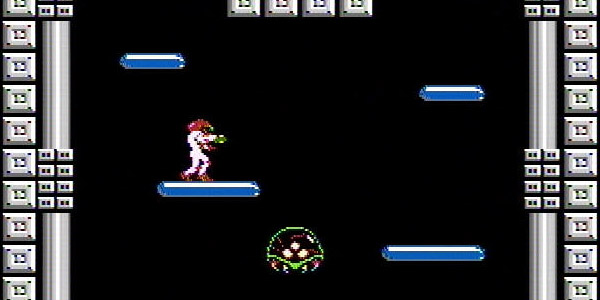
Release: 1986 Platform: NES Introducing gamers to the iconic Samus character, the original Metroid game kicked off the idea of open exploration in video games. The gameplay blended the platforming of Mario with the RPG elements of Zelda, creating a style of game that has often been imitated since. Although the combat was well done and the platforming tight, Metroid's true genius lay in its sense of discovery. The game also featured one of action gaming's first ever female protagonists, although Samus was only revealed as such at the very end. Tomb Raider, later Castlevania titles and any other games based on the 'Metroidvania' formula could never have existed without this NES classic.

13. The Legend Of Zelda

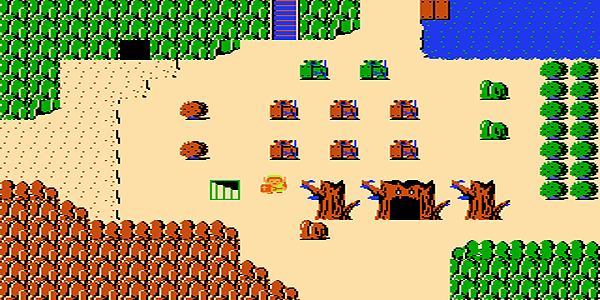
Release: 1986 Platform: NES The game that started the most popular and influential action RPG series of all time. The Legend of Zelda might have been relatively basic in comparison to the games that followed it, but it remains a hugely entertaining title that was years ahead of its time. Granting players an unprecedented amount of freedom to explore the land of Hyrule, The Legend of Zelda became an instant hit both in Japan and the west. It's easy to remember the game for its iconic music, timeless looks and introduction to Hyrule, but The Legend of Zelda also had tremendously well-designed, challenging gameplay, ensuring the 'Legend' in its title was truly well-deserved.

12. Lylat Wars / Star Fox 64

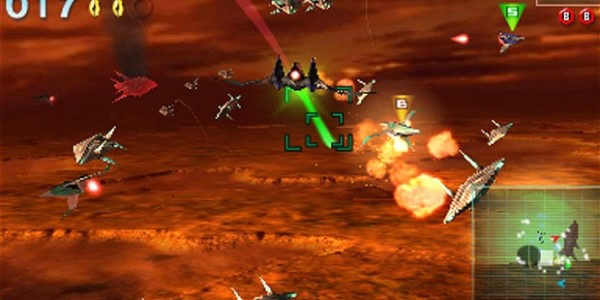
Release: 1997 Platform: Nintendo 64 A reboot of the original Star Fox, Lylat Wars (or Star Fox 64 as it was known outside of Europe and Australia) is a 3D scrolling shooter, taking players on an epic journey with Fox McCloud. Despite being very arcadey and fast-paced, Lylat Wars had a huge amount of replayability thanks to its branching level design and multiple paths. There were two main styles of gameplay in Lylat Wars. The most common was Corridor Mode, in which the player had to move their ship to dodge incoming obstacles and fire upon enemies, while constantly moving forwards. Some stages of the game switch over to All-Range Mode, in which the player is able to move completely freely, typically when fighting a boss. The smooth animations, colourful graphics and often hilarious voice acting all added up to make for one of the Nintendo 64 era's most memorable titles.

11. Super Smash Bros. Melee

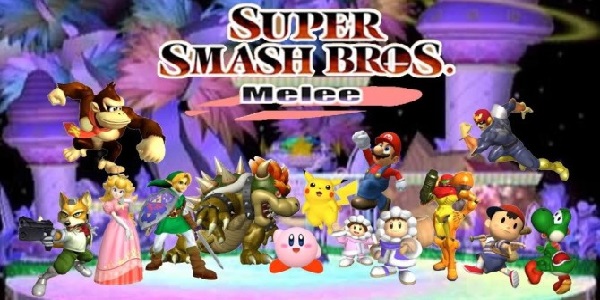
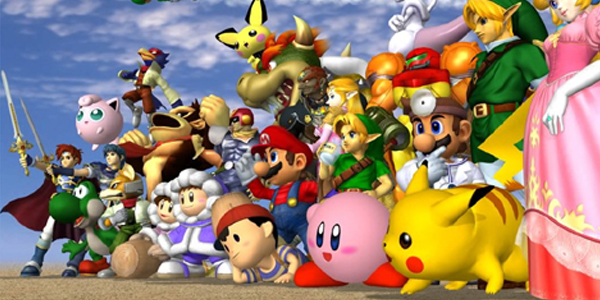
Release: 2001 Platform: GameCube Of all mainstream fighting games, the Super Smash Bros. series takes itself the least seriously. Despite the fact that it might look like a cheap attempt at conveniently bringing everyone's favourite Nintendo characters into one game, the Smash Bros. franchise is built on rock solid gameplay and ridiculously fun multiplayer action. Super Smash Bros. Melee for the GameCube is arguably the best in the series, thanks to the large character roster and tight controls offered by the console's controller. While additions to the single-player, such as the Adventure Mode and extended 'Classic Mode' were well appreciated, Melee was at its best when playing the perfect four-player multiplayer late into the night.

10. Mario Kart DS

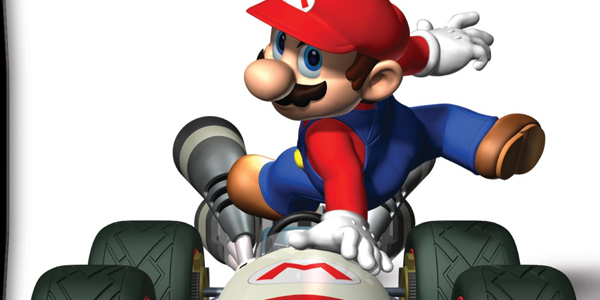
Release: 2005 Platform: Nintendo DS Who would've thought that the most complete Mario Kart package would come in the form of a portable game? Mario Kart DS might not have featured much in the way of flashy new gimmicks like many of the later iterations, but its online functionality and clean aesthetics made it totally mandatory for Nintendo DS owners. The online play meant that, for the first time, Mario Kart players could race against their friends anywhere, with the gameplay allowing for sessions ranging from short bursts to tournament marathons. Other features, such as the Retro Grand Prix, which allowed players to try out some classic courses from the franchise's history, along with controls that thankfully avoided the touch screen made Mario Kart DS the best way to experience the series' celebrated gameplay.

9. Super Mario World

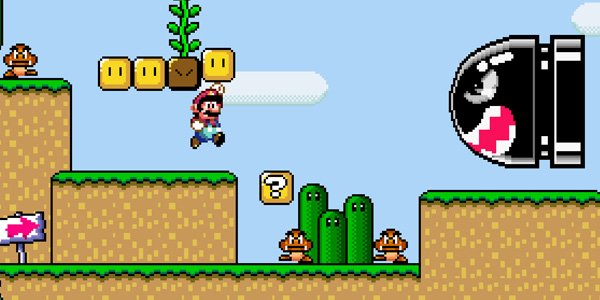
Release: 1990 Platform: SNES Packed-in with the launch of the SNES, Super Mario World is the fifth entry in the Super Mario series. Following Mario and Luigi as they attempt to save Dinosaur Land from the clutches of Bowser, Super Mario World featured a number of improvements and additions over previous Mario games that made it one of the most innovative titles in the series. Several of the new gameplay elements in Super Mario World completely revolutionised the platformer, particularly the rideable Yoshi. The loveable green dinosaur was able to swallow many of the game's monsters, often gaining a special power depending on the type of enemy. Speeding through the wonderfully designed levels while spitting out fireballs from Yoshi's mouth is one of the most exhilarating platforming experiences of all time.

8. Super Metroid

Release: 1994 Platform: SNES Super Metroid took what mad the original game great, and cranked everything up to 11. With its beautifully detailed graphics and distinctive, deep gameplay, Super Metroid has become one of the most critically acclaimed action platformers ever. One of the biggest improvements over the original was Super Metroid's auto-mapping feature, allowing players to keep track of where they were and further encouraging exploration. Extremely replayable, Super Metroid was grand in every sense of the word, thanks to its huge world, moody atmosphere and stunningly varied combat.

7. The Legend Of Zelda: The Wind Waker
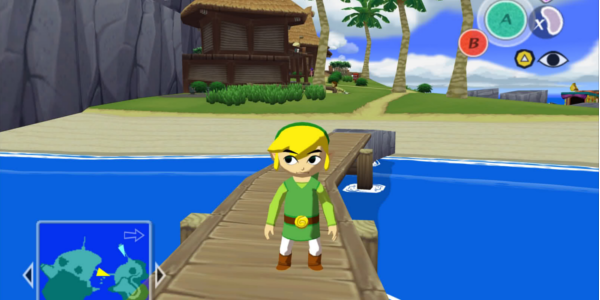
Release: 2002 Platform: GameCube The Legend of Zelda: Wind Waker was hugely controversial upon the announcement of its cel-shaded look, but critics were quickly silenced when it came to actually playing the game. The game felt like a playable work of art, and the stylistic approach has meant that Wind Waker still looks incredible to this day. Despite the massive differences in appearance, the gameplay was very similar to that in Ocarina of Time. While the sailing elements could go on for a bit too long, and the puzzles had a tendency to be too easy, the general gameplay and combat were as good as the Zelda series has ever been. Additionally, the climactic battle and finale that followed ranks among the best endings of any game ever.

6. Super Mario 64

Release: 1996 Platform: Nintendo 64 Super Mario 64 totally revolutionised the way people thought about 3D games. One of the first titles that allowed players to explore a virtual world along all three axes in space, Super Mario 64 managed to successfully convert the tried and tested gameplay of the 2D Marios into an experience like no other. Peach's Castle is one of the most famous, iconic hub levels in video game history, granting players all the time in the world to familiarise themselves with navigating a 3D environment, sprinting in circles and jumping into trees. Hugely influential, the risk that Nintendo took in developing a 3D Mario paid off for the company in dividends, with the game ensuring strong sales for the Nintendo 64.

5. Super Mario Galaxy

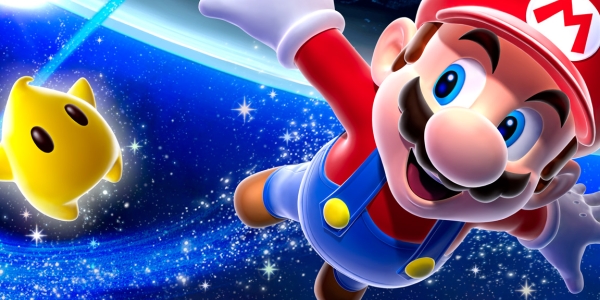
Release: 2007 Platform: Wii At the time, it seemed impossible that Nintendo would ever outdo themselves with Super Mario 64. Miraculously, Super Mario Galaxy managed to do away with this notion though, by offering an experience that could only be called 3D platforming nirvana. Just about the best game available for the Wii, Super Mario Galaxy offered wildly varied gameplay and surprisingly excellent controls. Every successive planet was more inventive than the last, and the game was crammed with crazy ideas like varying gravitational forces and a fight with a giant, orbiting Bowser. More than just a satisfying successor to Super Mario 64, the game's incredible gameplay made Super Mario Galaxy a giant step forwards for the entire platforming genre.

4. Super Mario Bros. 3

Release: 1988 Platform: NES It might not have been the most innovative or revolutionary entry in the Mario roster, but Super Mario Bros. 3 was certainly one of the best. About as close to flawless as 2D platforming can get, Super Mario Bros. 3 is at once addictive and deeply challenging. The game introduced a few new elements from the previous game, including the ability to float and fly using special items, as well as a more diverse range of levels and environments. Despite a few minor issues, such as the inability to save meaning the whole game had to be completed in one sitting, Super Mario Bros. 3 was an incredibly good game, as well as the ultimate test of even the most committed Mario fan's skill.

3. The Legend Of Zelda: A Link To The Past

Release: 1991 Platform: SNES The quintessential 2D Zelda game, The Legend of Zelda: A Link to the Past wove a classic tale of good versus evil, across its intricately detailed interpretation of Hyrule. Introducing a number of series staples, such as the Hookshot, Spin Attack, Ocarina and Master Sword, Link to the Past crafted the tried-and-tested formula that the series has since become known for. Most notably, Link to the Past contained two parallel worlds that can be freely travelled between by the player. This motif was later used in several other Zelda titles, and the Light and Dark Worlds had a huge impact on both the narrative and gameplay. The Legend of Zelda: A Link to the Past has deservedly gone down in history as one of the greatest action-RPGs of all time, with many elements of it slipping into the realm of popular culture.

2. The Legend Of Zelda: Ocarina Of Time
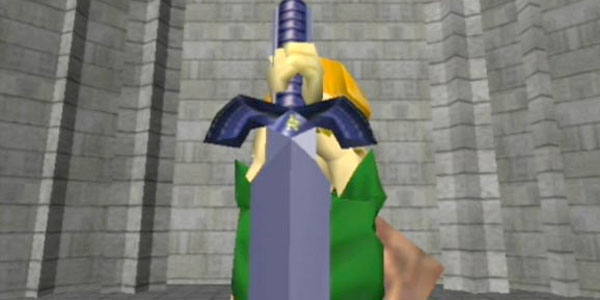
Release: 1998 Platform: Nintendo 64 The Legend of Zelda: Ocarina of Time is almost packed with too many amazing moments to mention. From riding Epona for the first time, to finally cracking the Water Temple, Ocarina of Time managed to do for action RPGs what Super Mario 64 did for platformers. Ocarina of Time seemed to have it all; a vast, detailed world, a villain that everyone loved to hate, and a combat system that managed to shape 3D action as we know it. The context-sensitive controls managed to overcome any issues the game might have otherwise had with complexity, and the soundtrack is still stuck in fans' heads over 15 years later. The Legend of Zelda might have since been surpassed technically, but it's still the best and most beloved of all Link's adventures.

1. Super Mario Bros.

Release: 1985 Platform: NES Nintendo's finest ever work is also one of their earliest. Super Mario Bros. didn't just revolutionise platformers, but it shook up the entire video game industry. Still one of the best-selling games of all time, Super Mario Bros. is a pioneering masterpiece. Key to the game's success was its fluid controls, which gives players perfect control of the titular hero (and his less famous brother). Each stage has since become a video game classic, particularly the first level, which perfectly introduced everything even the most clueless non-gamer needed to know. Super Mario Bros. might not be the most technically accomplished, expansive, or impressive entry on this list, but it's an example of pitch-perfect video game design. It cemented Nintendo's reputation as a gaming giant, sold millions on the idea of home gaming, and is both instantly playable and deceptively deep. Super Mario Bros. is Nintendo's magnum opus, and will forever be remembered as one of the most important video games ever released. Are there any games that you think should have been on this list? Do you disagree with any of the entries here? Join the discussion below!

In this post: 
Nintendo
 
Posted On: 
Contributor
Contributor

Tom Butler hasn't written a bio just yet, but if they had... it would appear here.