20 Most Criminally Underrated Video Games Of All Time

These unappreciated classics deserve far more love than we gave them...

The wonderful people of the interweb tend to go thermonuclear when someone calls one of their favorite games overrated. It's Fanboy's Third Law of Trolling. You fall madly in love with Generic Terrorist Shooter 3, someone tells you that Army Propaganda Tool 2 is vastly superior, and you lose your mind. We've covered these theoretically overrated games a number of times in various categories, and it always leads to the kind of flame wars usually associated with less important things like politics and religion. Underrated games, on the other hand, are easier to talk about openly without sparking World War 3. But just because it's a conversation that doesn't cause burst blood vessels in your brain doesn't mean it's not worth discussing. Instead of bashing the games you love with an unhealthy passion, here we're taking a compassionate look at titles which just didn't get the attention they deserve, or which have gathered massive fan praise but were shafted by the gaming press. Some of these games have earned a second opinion over the years - games which were instantly overlooked at launch, and relegated to the depressing pit of the budget bin, but have since proven to be strangely endearing over the years. Others were given a mild reception, and had a moment in the sun, but never caught the full attention of the gaming public ... perhaps games which were inaccessible or too avant-garde for the mainstream gamer to sink his or her teeth into. Whatever the reason, these are the games which are loved by a certain sector of the gaming world, but either forgotten or regarded with less enthusiasm by the rest of us. Some have gone on to be serious cult classics with a fervent following to match the biggest franchises in the industry, but the fact remains: within their genre, era or individual franchise, all of these games are better than many of us give them credit for.

20. The Saboteur

A swansong for defunct developer Pandemic Studios, this WW2-based open world action adventure cranked up some serious heat during the development phase, but stumbled out of production to a face a firing squad of uninspired review scores. Among other things It was accused of being unpolished and rough around the edges, just like game protagonist Sean Devlin, the heavy drinking, heavy brawling Nazi-killing Irishman. It was lambasted for its supposedly untidy meshing of open-world cliches, for its clumsy controls and derivative take on the genre - the critical consensus was that it tried to be too many things at once. This barrage of mediocre industry opinion translated into mediocre results at retail. In other words, we bought the opinion of the gaming press and didn't buy the game. Not in vast numbers at least. But those of you who gave it a chance regardless would know that The Saboteur was one of the most crafty and charming action adventures of the last generation. Our hard-living lead character was instantly relatable, in a sort of "drinking buddy who you never invite home" kind of way, and Pandemic's recreation of Paris was stunningly atmospheric. Far from perfect, obviously, hence the muted critical reception, but still a very stylish adventure which should have saved the developer and earned a sequel.

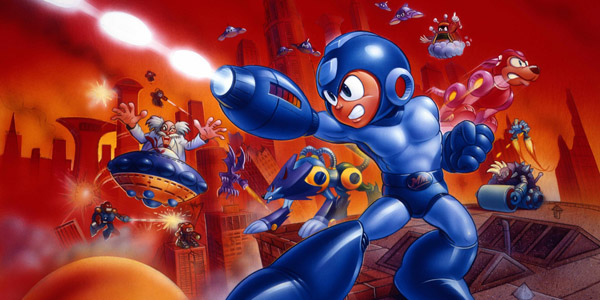
19. Mega Man 7

Capcom has been plying us with Mega Man games since the eighties, making him one of the most recognized game characters of all time. Spin-offs and side-branching narratives have spiced up the side-scrolling platform action, but most will agree that the essence of the franchise lies with the core series, running from Mega Man to Mega Man 10. Somehow, though, for all the critical and fan acclaim that the series has attracted since its inception, gamers just love to hate the 16-bit debut Mega Man 7. And hate it with a passion. It's a typical case of fans just being bloody difficult for the sake of it. Because, essentially, Mega Man 7 doesn't do anything dramatically different to its predecessors or its follow-ups - it's still a stunning example of sleek, intense platform gaming, and definitely superior to most of its peers at the time. The jump to the SNES took a bit long, there's no denying that, and by then we were already looking towards the 32-bit era and the promise it held, but to single it out as the weakest of the franchise is hardly fair. Bold, detailed characters, stunning music and some of the best boss battles in platforming history somehow wasn't enough for fans of the series.

18. Alpha Protocol

A lot of people went into Alpha Protocol with an FPS mindset, and come out shaking their heads and grumbling disapprovingly. But that was their own fault - Obsidian Entertainment is not Infinity Ward, and to expect a tight, polished shooter was a mistake to begin with. Ok, in fairness we need to point quite a bit of the blame at the marketing and pre-release hype-mongering which painted a picture of a razor-sharp RPG-shooter hybrid. Alpha Protocol should have been promoted more for its espionage and narrative direction than its action element, because while it was a second rate shooter Obsidian more than made up for it with brilliant storytelling. Top quality spy fiction with a cast of believable characters to interact with, Alpha Protocol earned big points for the way the player felt genuinely directly involved with the way the story unfolded. A clever dialogue system made for interesting conversations even though you were guiding the mood more than the specific wording, and the character customization options made each play-through seem unique. Overlook the dodgy AI and questionable shooter mechanic, and you've got an under-the-radar winner.

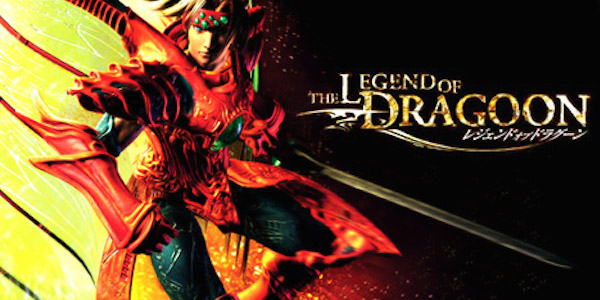
17. The Legend Of Dragoon

Four discs of JRPG excitement, and the gaming press just didn't fall for it. The original PlayStation had its share of role-players, so perhaps there was some genre fatigue setting in by the time this often-overlooked Sony Computer Entertainment release landed in our laps. The Legend Of Dragoon was nailed for being another generic RPG indistinguishable from its contemporaries, and in some respects that wasn't far off the mark, but a closer look shows impressive depth and advancements to the usual formula. Most importantly for any role-playing game, the characters encountered in this 1999 PlayStation cult favorite were brilliantly crafted and far easier to relate to than the insolent twits we were subjected to in most Square Enix RPGs at the time. The story may not have been specifically unique, but the way it was written was highly engaging. Add the riveting timing-based combat system, and The Legend Of Dragoon did more than enough to surpass most of its peers of that era, even if the review scores told a different story.

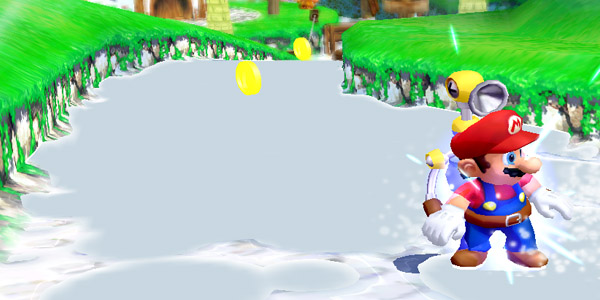
16. Super Mario Sunshine

This 2002 Nintendo GameCube 3D platformer has the unfortunate distinction of being the least respected Mario game in the core series. Despite universal critical acclaim, a large segment of the Mario fan base just couldn't bring themselves to forgive what they saw as a rushed, unpolished product. We expect a lot from our favorite Italian plumber, so anything less than perfection is instantly torn apart. Detractors moaned about the FLUDD water jet idea, saying it was a tacked-on gimmick, an unnecessary complications that took away from the essence of Mario platform gaming. But by the time Super Mario Sunshine came out, the franchise was actually in dire need of some creative thinking in terms of game design, and FLUDD added a new dimension to an aging format. The accusation that Sunshine was rough around the edges may have held merit, but that was just when put in comparison with other Mario games of the time. Compared to any other 3D platform game back then, this was actually something of a masterpiece.

15. Spec Ops: The Line

This is a frightfully sad tale - a tale of a deeply evocative piece of interactive storytelling being ruthlessly shot down, and then largely ignored and left bleeding in the desert sun. It's also one of the few games on this list that is, in certain heavily cynical circles, considered to be hugely overrated, not underrated. Spec Ops: The Line drew a harsh line in the sand, and you either loved it or hated it. Sales figures, however, tell a more direct story. Perhaps we can put it down to the pre-release hype which had us expecting a more traditional Call Of Duty shooter, but gaming audiences on average just didn't know what to make of this jarring, emotive look inside the minds of soldiers on the edge of madness. It bombed miserably at retail, and was promptly forgotten about by the general public. The gameplay could have done with a bit of polish, but for those prepared to delve into this most engaging narrative, Spec Ops: The Line was a emotionally charged, soul-stirring experience.

14. Herzog Zwei

Fancy a bit of Command & Conquer, do you? How about a marathon Starcraft session? Well, you have Technosoft's Herzog Zwei to thank for much of what makes those games great. While not officially the first real-time strategy game, this 1989 Sega Mega Drive gem is widely considered one of the most influential examples of the genre. There was amazing depth here, complex micromanagement, and stunning unit balance which future RTS games would aspire to, yet it was blown to pieces by the press. We just weren't ready for something with such a steep learning curve, so we shunned it. Looking back, Herzog Zwei should be remembered as a hugely significant chapter of RTS history.

13. Operation Flashpoint: Red River

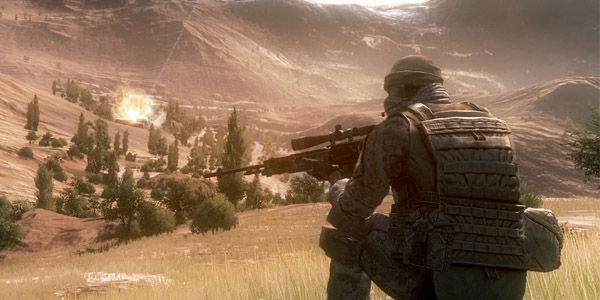
The overall view of Codemasters' hardcore-meets-run'n'gun shooter Operation Flashpoint: Red River is of an unfocused disappointment with an unremarkable campaign to slog through. Yes, there was a disconnect somewhere as Codemasters seemed uncertain whether they wanted this to be a dumbed-down military sim or a Call Of Duty-style shooter with brains. But it turned out to be the best of both worlds. In a genre crowded with brash, scripted Hollywood extravaganzas, OP: Red River was the Navy SEAL team which slipped in unnoticed and got the job done. A low-key affair compared to its rivals, Codemasters' told a war story that was both expansive and intimate. By the end of the labyrinthine campaign, there's a sense of real bond between yourself, your three squad mates and your staff sergeant. Overlooked, underrated, and unforgettable.

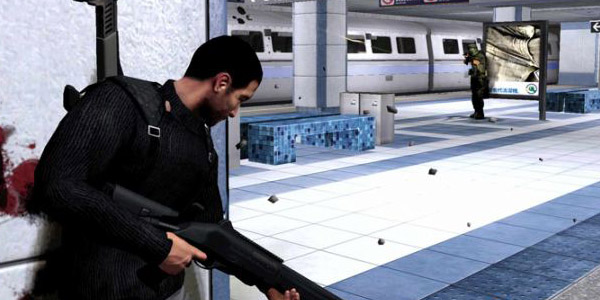
12. Psi-Ops: The Mindgate Conspiracy

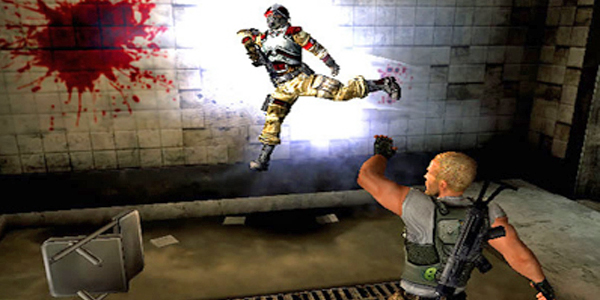
If you're looking for candidates for games which are in desperate need of a sequel, Psi-Ops should be near the top of the list. Too easily dismissed as just another gimmick-laden shooter, this unassuming Midway sleeper hit was worth more than the novelty value suggested by its headline features. Unfortunately first impressions weren't great - it was seen as another faceless, generic action game with a sci-fi bent - and critics pounced on those weaknesses. But there was finely tuned complexity to the physics-based gameplay and physic power-play, emergent depth which surfaced as you played. Psi-Ops earned respect from gamers who have been demanding a follow-up for a decade now, but the chances of that are slim at best.

11: Metroid: Other M

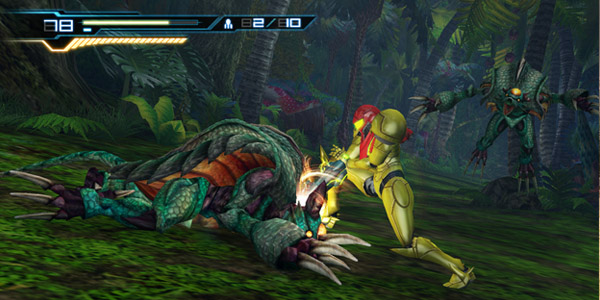
In the same way Super Mario Sunshine was given a bad reputation by being an imperfect game in a much-loved franchise, Samus's 2010 outing Metroid: Other M was torn apart by hardcore fans. The press seemed to be in two minds, some heralding it as yet another flawless Metroid title, others finding it terribly frustrating. The storyline was on the receiving end of the full force of the criticism, while the transitions between third- and first-person gameplay just didn't sit well with a lot of people. Approach Metroid: Other M with an open mind, and it's nowhere near as dire as many made it out to be. The design choice to create a more focused experience was upsetting for fans, but it meant that Other M gave the Metroid franchise a viable entry point for the first time. Meanwhile, giving Samus some semblance of human emotion made her infinitely more relatable, even if it tarnished your perception of her as a no-nonsense bad-ass bounty hunter.

10. Binary Domain

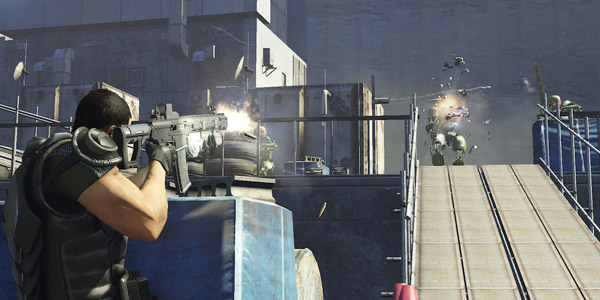
Sega were fighting an uphill battle with this one from the moment it showed up on store shelves, plastered in what must rank highly on the "Most Generic Action-Game Box Art" charts, and with a name which just screams mediocrity. Also, a shooter that wasn't set in the Middle East or dodgy bits of Eastern Europe was always going to be a hard sell back in 2012, even if it was built on a foundation of inspired game design. Which is unfortunate, because hidden under a thick layer of near-future shooter cliches and "robots gone wild" schlock was an especially charming diamond. We'll overlook the shoddy voice control aspects, and rather fondly think back to the clever squad reputation system, the shamelessly thrilling gunplay which allowed us to blast specific bits and pieces off of our robot foes and watch them pull themselves along the ground with their remaining limbs, and the inventive art style that reminded us that we weren't playing yet another modern warfare rip off.

9. Secret Of Evermore

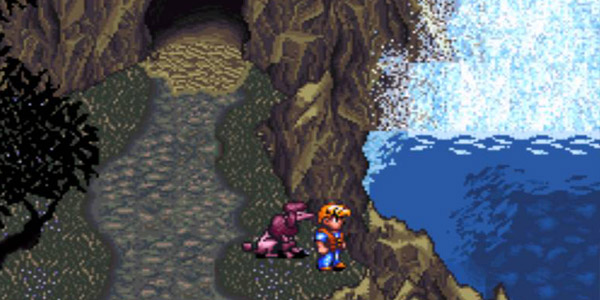
Square Enix's stable of role-playing games is beyond compare, but it's mostly packed to the rafters with Final Fantasy games which take themselves very seriously. But back in 1995, a division of Square based in North America put their own Western spin on the genre, and with stunning results. Secret Of Evermore radiated a totally different atmosphere compared to the overbearing tone of the high-profile Square titles, a stunning once-off from a fledgeling development team which injected some real American flavor into the genre. Western RPGs were hardly a new concept, but Secret Of Evermore was unique in that its underlying structure was pure JRPG. It was a hybrid concept which could have paid of massively and cracked the colossal US market wide open, but instead it was picked up by the few who were already into JRPGs and pretty much overlooked by everyone else. A lovingly created game with a light-hearted approach to an often overly melodramatic sub-genre. It should have gone on to be the beginning of another huge RPG dynasty, but instead wilted away into obscurity.

8. Alice: Madness Returns

Spicy Horse made a bold move with Alice: Madness Returns, developing a wildly imaginative and trippy platform adventure at a time when the big money was being made by games which played it safe. Sadly it was a risk which didn't pay off the way American McGee would have hoped - the majority of industry critics couldn't look past an apparent lack of gameplay innovation. And, as we are often prone to blindly following the opinions of others, we gave Alice: Madness Returns a miss. Which is a travesty, because even though Alice didn't break any real 3D platform conventions, it was one of the most artistically creative with a captivating atmosphere. Twisted, sometimes genuinely unsettling, and worthy of far more attention than it got.

7. The Legend Of Zelda: The Wind Waker

Critics swooned around The Legend Of Zelda: The Wind Waker like love-struck teenagers, feeding it grapes, fanning it with palm fronds and giving it passionate foot massages. "OMG!", they exclaimed, gushing happy expletives with reckless abandon. But the fans weren't quite as generous - Nintendo took The Wind Waker in a bold new visual direction and the fans went ballistic, spitting vitriol about the childish cartoon-like graphics like it was the end of the world. This fan outrage actually ended up affecting the future direction of the series. "I personally didn't feel that the changes we had made were especially dramatic, but the reaction from the fans at the time was like, 'This is not a Zelda game'", said franchise director Eiji Aonuma. "I really felt that gap between how the fans saw the game and how I saw it. So because the fans seemed to consider the changes to be so dramatic at that time, nowadays I am careful not to make such big changes." To this day there are Zelda acolytes who call The Wind Waker the weakest moment in Link's illustrious career, despite the game earning near-perfect ratings from just about every reliable industry source.

6. Lost Odyssey

Gamers who fell in love with Mistwalker's gargantuan RPG would say it should have been the biggest role-player of its generation. But it will go down in history as the best Final Fantasy game that wasn't a Final Fantasy game. Heavily accused of being derivative and struggling under the weight of a thousand genre cliches, Lost Odyssey was soon consigned to budget bins across the world. Had this epic story been told on multiple consoles we have to imagine that it would have been a massive sales success. Instead it played the part of a desperate ploy by Microsoft to get the Japanese market interested in the Xbox 360, and suffered badly because of it. Lost Odyssey faded into the background, overshadowed by inferior high-profile franchises with big names and bigger marketing budgets.

5. Mirror's Edge

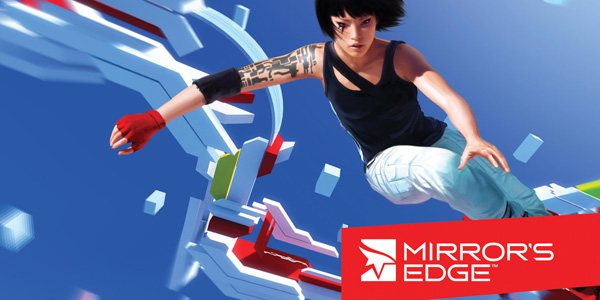
It's become trendy to be into Mirror's Edge retroactively these days, but this army of bandwagon jumpers were nowhere to be seen back in 2008. Instead we had a core fan base which spent a lot of time arguing with detractors who chastised the combat, whined about the weak attempt at storytelling and moaned that it was all over too quickly. As a piece of perfectly paced interactive art, though, Mirror's Edge broke new ground. Visually arresting and silky smooth, EA DICE made us change our thought patters about how we traverse a game environment. Obviously Mirror's Edge wasn't perfect, but this riveting parkour-flavored first-person adventure was so unique, so exhilarating, that we need to look past its flaws and appreciate it as a modern classic.

4. Luigi's Mansion

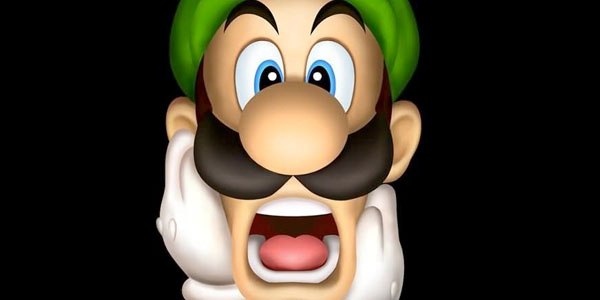
Life can't be easy for Luigi, sulking around in big brother Mario's shadow. He's like Beyonce's unfortunate sister Solange Knowles, but with a moustache. Launching the Nintendo GameCube without Mario was considered hardware suicide by many, and Luigi's Ghostbusters-esque adventure was thought of as a meagre substitute, but Luigi's Mansion definitely deserved far more credit than it got at the time. Critics called it formulaic and uninspired. A lot of them suggested that you give it a miss and wait for a "proper" Mario game instead. But Luigi held his own - the beautifully structured ghost-hunting and exploration was bathed in cute yet creepy atmosphere. The result? Miyamato's supporters bought it in droves, despite review scores below what we expect from a Mario-related launch title. Industry voices may have underrated the charm of this subdued classic, but it earned its respect by giving us a distilled action-adventure which captivated gamers from start to finish.

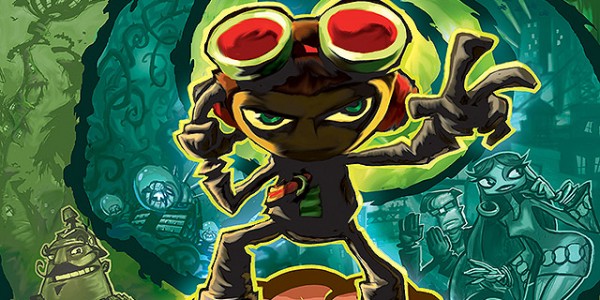
3. Psychonauts

Here we're stepping into some ambiguity regarding what it means to be underrated. Tim Shafer's unhinged, surreal platformer was actually very highly rated if we're talking about critical opinion, lauded for its exceptional design, innovative storytelling and undeniable charm. Not everyone grasped it fully, though - it was a particularly odd game, but intentionally so. Psychonauts was meant to be a mind-bending adventure which left you bewildered but thoroughly entertained. The critics got it, for the most part. Customers with a penchant for quirky left-field games got it too - there just weren't very many of them. Psychonauts crumbled in dramatic fashion upon release, and by the end of the 2005 launch year this superbly innovative title hadn't even managed to sell 100 000 copies. Mr. Shafer, we're sorry, we let you down... please whip up a sequel and give us another chance?

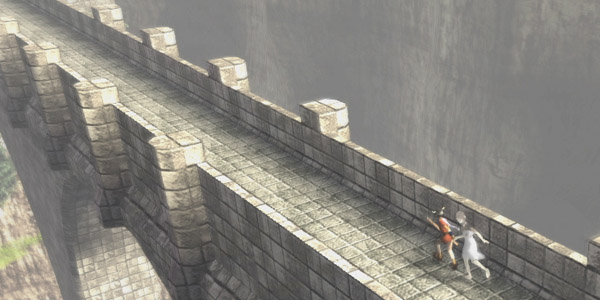
2. Ico

As with Psychonauts, Team Ico's breathtaking PS2 puzzle-platformer was loved by everyone except the people who matter to a game publisher: the man on the street with money in his pocket. Severely overlooked by the mainstream, Ico slumped at retail. It must have been heartbreaking for the creative minds at Team Ico who had poured their souls into this most delicate and exquisite game. These days gamers are far more welcoming and understanding when it comes to artsy titles like this. We've learned to accept games like Flower and its newer sibling Journey, and we've been blown away by the emotions that such games can conjure. But back in 2002 we wanted to KILL STUFF. All the time. And so, like the neanderthals we are, we let a masterpiece of gaming go by relatively unnoticed.

1. Beyond Good & Evil

Admit it, you knew this one would be at the top of this list, and rightly so. The 2003 holiday season was a crowded time to release a new IP out into the wild - audiences were hungry for blockbusters and tired but familiar sequels, and publishers obliged. In that climate, a complex, multifaceted game like Ubisoft's Beyond Good & Evil was always going to be a tough proposition. These days we like to sound off with intellectual arguments for why this genre-defying adventure is one of the greatest achievements in gaming history, but when it was originally launched it was met with a cavernous division of critical opinion. The people who are paid to tell us whether a game is good or bad just couldn't seem to decide on this one - it was lauded for its intriguing characters and spellbinding narrative on one side, and then derided for hackneyed, misdirected storytelling by others. The gameplay and combat mechanics were equally praised and denounced. Conversely, gamers who picked this one up from the throng of big name titles released at the same time were utterly bewitched. Finely tuned stealth, spliced with compelling exploration and a spirited female protagonist who stood out in an industry filled with burly, bearded macho stereotypes, Beyond Good & Evil proved a delightful and endearing adventure. Even though very few people actually bothered to buy it back then, it has gone on to become one of the most loved cult classics of all time, despite commercial failure. Now, Ubisoft, if we can just see some proof of solid progress on that sequel, that would be great, thanks.

Contributor
Contributor

Game-obsessed since the moment I could twiddle both thumbs independently. Equally enthralled by all the genres of music that your parents warned you about.