18 Things Only Metal Gear Solid Fans Will Understand

What? The guy firing bees from his fingers makes PERFECT SENSE.
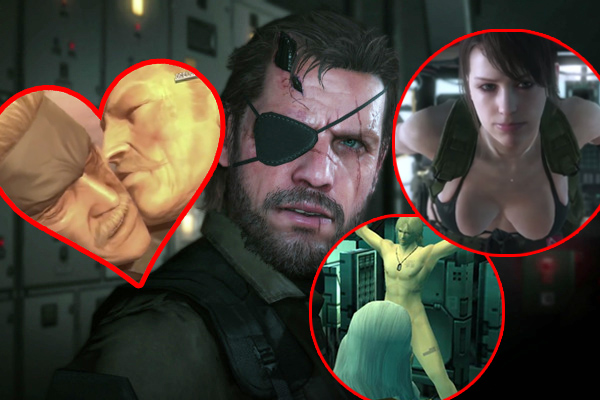
With Hideo Kojima's Metal Gear Solid series coming to a close with 2015's The Phantom Pain after almost 30 years, it may seem like we have a missing limb of our own. With Kojima now departing from Konami, the realisation we all have to live with is that no future MGS game will ever have the same feel (or direction) as those from the man who started it all. This inimitable identity, regardless of whether it proved divisive or not for players, was a distinctive one, and one that will be missed when Konami inevitably releases the sequel, 'Metal Gear Solid VI: Big Boss Vs. Darth Hayter', coming 2018. But for now, we can look back on all the interesting events and dialogue that we've been exposed to, like the gravelly-voiced and ultra serious Snake complimenting Meryl's butt, to the mind-melting section in MGS2 where the Colonel begins to "glitch out." There are so many lessons we've learned from Metal Gear, and there have also been plenty of moments that would be considered commonplace by fans, yet complete and total insanity to anyone else. Today, we're here to take a look and discuss those Kojima-centric moments, as well as those odd and unique quirks that have made Metal Gear Solid so iconic - alongside being a franchise that can fit a poop joke immediately after a torture scene.

18. Trying To Explain The Timeline (To Non-Players)

Has anyone ever attempted to do this with their friends? You talk about how great the series is, and you talk about a number of the games, then you start delving into each game's story. Then, it gets a whole lot more confusing as you break down the years and settings that the games take place in, and you completely lose track in the process. To be fair, this timeline is pretty daunting to look at, as well as attempt to comprehend. It's even worse as soon as you bring up the fact that Metal Gear Solid 3 takes place in the 60's, when the previous two took place in the 2000's, and then the 4th game is actually a sequel to MGS2, and the newest game, Phantom Pain, takes place 20 years before Metal Gear Solid. All in all, it IS a little more confusing than it should be, but that's totally part of the charm. Also, for an overarching, confusing narrative like Metal Gear's, why would the timeline be any different in the confusion department?

17. Consistent Urination (Under Stress)

Have you found yourself being threatened with a massive sword wielded by a cyborg ninja who just killed an entire hallway's worth of trained troops? Have you been in danger of being discovered by hostile forces while hiding in a storage locker? Then chances are, you peed yourself during this encounter, and there's nothing wrong with that. Has anyone noticed that this occurs at least once at some point in almost every game? Something scary or intense occurs, then a character immediately urinates himself (or in MGS4's case, Johnny soiling himself multiple times). In the Metal Gear universe, there's simply no inhibitors when it comes to bodily functions, especially in terrifying situations. It can't be helped, it can't be stopped, so there's no need to be embarrassed. Besides, it could be worse. You could be a character who's ONLY known for bodily functions, like...

16. Security Guard + Weak Stomachs = Easy Escape

In many points in the series, various Snakes have found themselves up a certain creek without a paddle, as they have no weapons or means of escaping any given place of confinement they're stuck in. However, there is always a saving grace that emerges as a means of escaping, and his name is Johnny. Dating all the way back to 1964 in the timeline, Johnny guarded Naked Snake, then his grandson guarded Solid Snake years later during the Shadow Moses Incident. A family tree full of brave security guards with digestive issues, born to poorly watch over super agents like Naked and Solid Snake. Johnny is the true hero, and he should be honoured as such - especially when he turned into a bit of a badass in MGS 4.

15. Ocelot's Sure Do Love Their Snakes

Revolver Ocelot has a long history with the Snake bloodline, dating all the way back to his run-in with good old Naked Snake, and he's found himself enamoured with the Boss ever since. The crush is never explicitly stated or confirmed, but in the MGS4 fight between Solid Snake and Ocelot, if you don't struggle with the CQC while "Snake Eater" is playing, Ocelot will kiss Snake on the cheek. This is a relationship that serves as a mentor-student kind of setup, with Ocelot implying his romantic feelings. During Phantom Pain, Ocelot states his "understanding" of Quiet's admiration of Big Boss, in a way that hints at more than strictly professional feelings. It's mainly with Solid Snake that the relationship is more antagonistic, although with MGS4, it ends in a closer sense of mutual respect, akin to Ocelot and BB. A double agent, as well as a massive backstabber, Ocelot is a hard man to like in-world. However, it's probably because there were only two things in life that he enjoyed: swinging a revolver around like he's in a circus, and a specific Snake that we also know and love.

14. The Importance Of The Zoom-In Butt Shot

Now, many great shots go unappreciated in their duration, and it's truly unfair. There is one shot, in particular, that is particularly great, and it's used every so often during the Metal Gear series, but only MGS players understands that it's essential to every game's plot. Actions speak louder than words, but a single zoom-in butt shot is worth a thousand words. Now one could chalk this concept up to simply pure-sexualization, it's also so absurd to the point of being pretty funny. We're used to zoom-ins being dramatic and necessary, but in the above cutscene, there's just that "whoosh" noise, and then a close up of Quiet's butt. It's part of that Kojima charm, where the absurdity adds to the randomness of everything going on in that given cutscene. If Kojima could simply disclose how he makes these shots so magical, perhaps other game developers can recognize the "beauty" of it all. Either way, never change, Kojima.

13. 'Boosting Morale' By Punching Your Fellow Soldiers In The Face

Fighting against nuclear war and Skull Face really takes a toll on a soldier's morale. You've got the great leader, you've got the resources to combat these intimidating forces, but your morale is still flatlining. Well, seeing your head honcho Big Boss should cheer you up, right? Even better, what if you see BB AND he punches you in the face? Too good to be true, right? Wrong! just ask good old Big Boss to "spar with you," and he will proceed to beat the crap out of you until you feel better! "What if he punches me and I DIDN'T ask to spar with him?" Well, then you raise your hand to salute Boss for taking the time to teach you a lesson about proper CQC. It's a win-win situation as anybody watching will also feel a ton better, regardless. Isn't being a Mother Base soldier a dream job?

12. All-Inclusive Sexualization

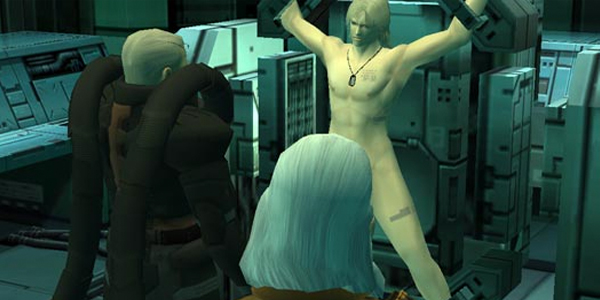
Phantom Pain's release received a number of complaints regarding the "overly fan serviced" character Quiet, with the many low-angle shots and her revealing clothing, at least by typical warzone attire standards, so many were quick to jump on Kojima for his supposed blatant sexualization. However, many do seem to forget good ol' MGS2, where there's a stealth section in which Raiden is completely naked, covering up his pride and joy and armed with only cartwheels to evade the guards in pursuit of his clothes and gear. He didn't exactly NEED to be naked, but it is an iconic representation of some of the weirdness that Metal Gear offered to all players. Everything, from Big Boss's and Solid Snake's shirtless sections, to Eva's zip-down suit in MGS3 and now Quiet's many, many "special" moments (that water fight, anyone?) allows characters of either gender to have their weird, sexual moments that make you uncomfortable or just make you laugh. Which reaction will you get? Do a couple of naked cartwheels and get back to us.

11. That Long Walk To Conquer The Sorrow
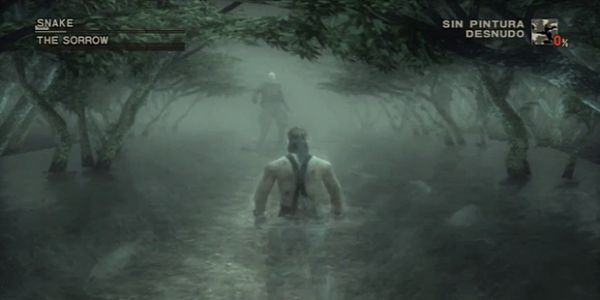
This one was pretty time consuming for those of us who have itchy trigger fingers when it comes to enemy soldiers. No real combat occurring, just Naked Snake walking closer and closer to the floating man known as The Sorrow, with the ghosts of every enemy soldier you've killed throughout the duration of the game so far coming back to hurt you and drain your life. The focus transitioned from gameplay and strategy with boss battles like The End and The Fury, as this encounter shifted to being purely atmospheric and creepy, seeing Snake forced to walk and observe all of the soldiers whose lives he's ended during his mission. It's a 'boss battle' unlike any other game, where it tackles the concept of accepting one's actions, regardless of whether they were well-intended or not, and moving forward towards your goals. It's a long trek through the Sorrow's path of lost lives, but it's an experience unmatched by anything else.

10. ...And The Longer One To Conquer 'The Ladder'
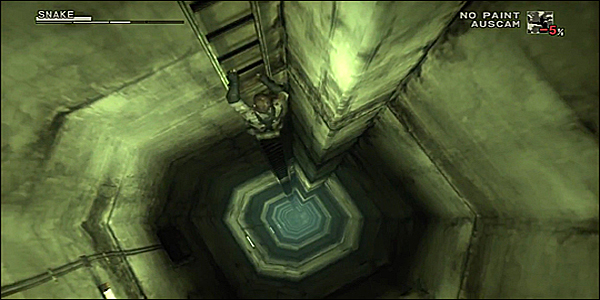
Rarely in video game history has there been a standout moment in which your character is just climbing a ladder, but in MGS, it remains one of the more epic moments in a 20-plus year-old series. MGS3 found a way to make climbing a ladder akin to an adrenaline shot, when clambering up said absurdly long ladder is accompanied by the James Bond-style theme song, Snake Eater. Representing how the end of the mission was upon us and how high the stakes were, the playing of Snake Eater was the icing on the cake as all the tension was building up to this final showdown. Be sure to feed on a couple of tree frogs, as you'll need plenty of energy to get through the entire near-five minute sequence.

9. The Stealth Agent's Greatest Gadget - The Cardboard Box
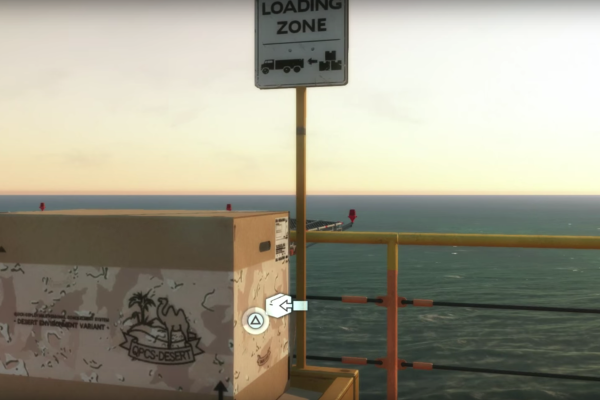
You've heard of the phrase "hiding in plain sight?" This is how the best stealth agents infiltrate the highest level of secured bases. The cardboard box is unprecedented in its technology, with Phantom Pain introducing their ability for helping with both fast travel, as well as distraction of nearby guards. Mother Base's standard issue cardboard box offers more variety and mileage than any you've ever seen. Camouflage capabilities, distraction opportunities with either seductive posters or patriotic posters, and the above mentioned shipping capabilities, allowing any super agent to get free and time-efficient transportation lasting only the length of a load screen. Take it anywhere from Afghanistan to a nearby body of water, and you'll blend in perfectly, because Metal Gear.

8. Keeping Up With The Story (Until Every Last Plot Twist)
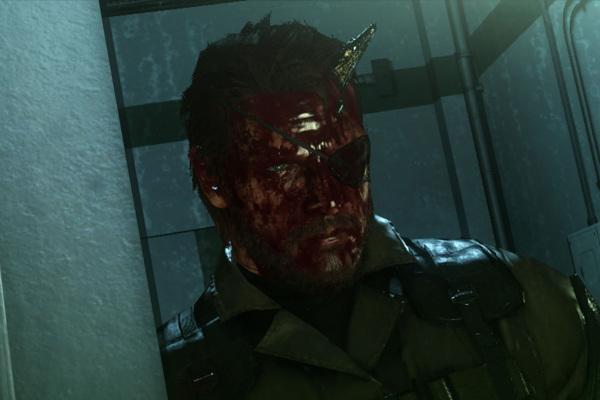
Metal Gear Solid 2 is the most guilty of this, even though it was already the most confusing entry in the series. Everything's going well, Solid Snake has a nice and interesting last monologue to finish the game, then at the end of the credits, it takes a turn that leaves you without any words other than "...WHAT?" The series makes a habit of including very important plot details at the end of the credits, but they're purely audio instead of an actual cutscene, and by the point the credits ultimately end, you've turned your brain off as a way of relaxing after paying so much attention to the game's narrative throughout. Phantom Pain had a big plot twist as well, but at the very least, it was explained/presented through the act of replaying the game's prologue, so you at least had an entire mission duration to let it sink in. Metal Gear Solid 4, with the hour and a half, uninterrupted ending scene, served as more information overload, which required the player to really soak it all in and digest, before they could even hope to comprehend what they just saw. Complicated twenty hour main story with a plot twist that may require a Google search to understand. Yep, it's definitely a Metal Gear Solid story.

7. Putting The Controller Down When A Cutscene Begins

Metal Gear Solid 4 fans know this too well. As soon as that screen fades to black for a millisecond and that cutscene starts, you realise you're going to be here for a while. The ending for Guns of the Patriots, as previously mentioned, is the length of many full-length Hollywood movies (90 minutes, no less) - even games criticized for being "interactive movies" don't achieve that particular accomplishment. After sitting through this, you can see why MGS4 is such an odd (and at times, divisive) beast. This was most likely why Phantom Pain went the opposite direction, and had a severe lack of long cutscenes altogether. Putting the controller down during these in-game moments isn't exclusive to MGS, but we're supposed to absorb the abundance of necessary information within each and every scene, as it's always then followed up on by 10 more minutes of pure dialogue and elaboration. Your brain must be sharp and ready to go if you're really drinking in everything MGS has to offer, so give yourself a big pat on the back if you've memorised all the complexities the series has offered over the years.

6. When The Full Stealth Approach Doesn't Work, Murdering Everyone Does

Let's be honest, we're not perfect stealth professionals. Even if Miller reminds us that we are on a stealth mission, sometimes things don't go according to plan. An enemy soldier does a complete 180 turn, JUST as you're about to grab him, and sets off the alarm. There's nothing else to do now, as your tranq gun won't have the immediate effect that you're required to stop everyone coming after you. Therefore, there's only one thing to do: kill every soldier, until the alarm stops going off. You really didn't want it to end this way, but you've just got to commit now. In MGS V you could salvage things a tad by tranquillising a couple of soldiers in case they have good stats to be sent to Mother Base, but every other game saw you ventilating everyone in the vicinity before continuing if need be.

5. Switching From Gritty Realism To "ROCKET PUUUUUNCH!"

This is something the series has always had to do, since it mixes real spy and stealth tactics that'd be used in reality, with cyborg ninjas and memory-reading psychics. A great example of this is in Snake Eater, where Snake examines the gun Eva gave him, and he describes, in detail, everything from the custom frame of the gun to the sights system. In that same game, one of the bosses can legitimately photosynthesise. As you do. Also, there's The Pain, who's made of hornets, and fires them from his fingertips. As you can tell, there's a bit of a disconnect. Never one to back away from a challenge, Kojima has written each game since Metal Gear Solid as a balance of both the realism of war and combat, alongside the craziness and over-the-top stuff that gives each game some of the biggest personalities in all of gaming. Besides, I'd take a prosthetic arm that can be shot like a rocket over gritty realism any day.

4. HATING Raiden, Then Loving Him
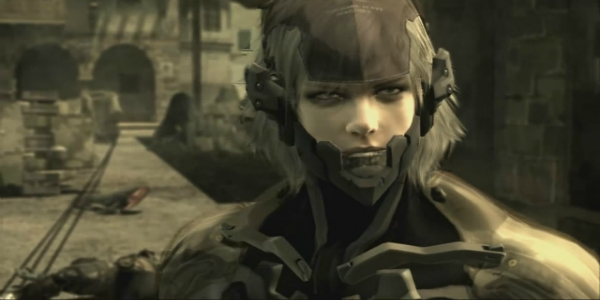
To be honest, Raiden never deserved all the hate that he got back in the Sons of Liberty days. He just fell victim to false advertisement done by Konami, as fans were expecting another Solid Snake-filled adventure. They were not expecting a complete protagonist switch after the game's first mission, and it didn't help that he wasn't the ultra badass (at least upon first viewing) that fans knew Solid Snake was. Then comes Metal Gear Solid 4, where Raiden has made the switch from a mild-mannered soldier to the ultra powerful, high-frequency blade-wielding ninja we know him as now. After his complete makeover in Guns of the Patriots, as well as his awesome spin-off Metal Gear Rising, Raiden has earned the appreciation of the Metal Gear fans. Besides, anyone man who can turn a fleet of Metal Gears into sashimi is deserving of some love at least, or another game of his own. Come on Konami, let Jack The Ripper have some more time in the spotlight!

3. "Nanomachines, Son!"

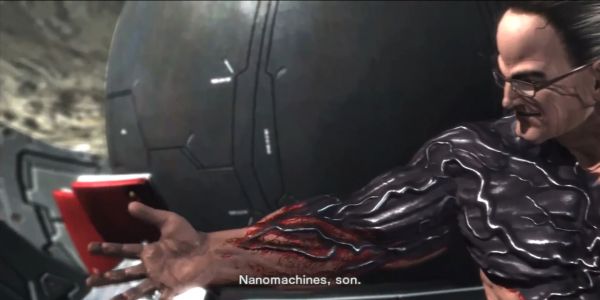
Have you been looking for the solution to all of life's problems? Well, Metal Gear has that for you, and it's nanomachines. Used in both Revengeance and MGS4 as a means of explaining the increasingly complicated and odd aspects of how bosses were able to function, and how Snake has been able to continue being a super soldier, even in his advanced age. It's also why such an esteemed congressman like Senator Armstrong is able to maintain his position in government, as well as having super strength and having armoured skin to become somewhat invincible. No one fully understands these nanomachines, and I don't think we have to. All that needs to be known is 'nanomachines, son', it's the perfect response and the only explanation fans will ever need.

2. Thinking "It's Okay, Kojima Has Planned This All Along"
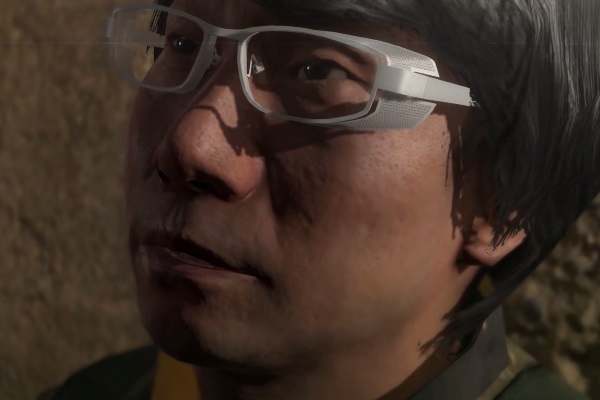
When explaining both the timeline, as well as the increasingly convoluted plots that each game would offer, this is often the statement made in order to maintain confidence with each new Metal Gear release, as well as quell any concerns that Kojima was "losing it" when weird plot points would be introduced. Definitely worth commendation for how he's been able to maintain a multi-decade long series going, especially with each installment adding to the same timeline. This interlocking of narratives, as well as inclusion of complex themes and characters, is the reason for his well-deserved reputation among gamers. When in doubt, if someone mentions that they think this story bit has plot holes, or Quiet is over-sexualized, simply say one of two things: either "Nanomachines, son!" or "It's okay, Kojima has everything planned out." They are simple responses, and can work for any discrepancy felt by critics. Now, when it comes to FUTURE instalments of Metal Gear, considering that Kojima is no longer involved with the series, nanomachines may be your only explanation for what goes wrong in the eventual Metal Gear Solid VI.

1. "SNAAKE? SNAAAAAAKE?!"

The game over screen to rule them all. It represents not only a restart to whatever stealth section or boss battle you were about to finish, but the increase in frustration you feel as the Colonel yells out to you, "SNAKE? SNAAAAAAKE?!" is always accompanied by that iconic MGS theme. This has not only become a staple of the series (Phantom Pain had its own version of it, too), but has also become well known as a staple of pop culture. Although it's well known at this point, only those of us who have had to hear it over and over after dying way too many times, truly know the frustration and annoyance that begins to set in over time. All in all though, it's just another part of what makes Metal Gear Solid so unique and over-the-top in the best of ways. Regardless of what direction the series will go in from here on out, we'll always have the glorious Kojima days. Which Metal Gear Solid game or moment was your favorite? Let us know in the comments!

Contributor
Contributor

Gamer, movie lover, life-long supporter of Andrew Garfield's Spider-Man and Ben Affleck's Batman, you know the rest.