13 Video Games That Define The Modern Era

Every other game wants to be like them.
The reverence with which we regard art can be tied directly to longevity. The motion picture has a history of over 120 years. The written word has been keeping records for over eight thousand years, but that's nothing. We've been doodling pictures of cats on walls for roughly 30,000 years! The truth is, just because something's old doesn't make it art. For a medium that notoriously struggles for such esteem, video games have come a long way in their forty odd years of life. They've nurtured cathartic, emotionally charged entertainment experiences and appealed to different generations with different technical standards. Just like our oldest forms of art, video games have already experienced multiple eras of stylistic and technological evolution, from simple, pixelated squares to near photo-realistic renderings of fantastic worlds. Pong. Mario. Doom. Myst. Fallout. Monkey Island. The Sims. The originators and perfecters of the FPS, the platformer, the RPG, the RTS, the Adventure Game and every other gaming genre are forever worthy of praise, but genres have evolved. At some point, the influence of younger art must sustain and new classics are born. With 3D games in the mid-nineties and modern mobile gaming has come an explosion of new formats, game design standards and popular game mechanics. The following thirteen games have profoundly influenced the modern gaming era and set the stage for future game design...

13. Mass Effect

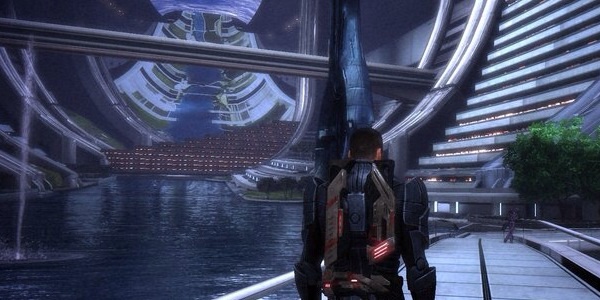
How often are you the captain of your own spaceship and the intergalactic peacekeeper of a sexy, Blade Runner-esque future? Powers? Guns? All of it. How often do you have that? If you've never played Mass Effect, "not often" would be the answer. If you have, welcome back to Citadel space, Ms. Shepherd. Mr. Shepherd. Whichever. Mass Effect made the bold promise to gamers of a single, continuous sci-fi trilogy in which your custom character - and the choices you made as him or her - would have a massive effect on the game's universe and the narrative that subsequently unfolded before you. Combat and RPG interfaces got tighter as the series went on, but the first game introduced the big ideas and worked out the kinks. Bioware's dialogue trees felt more dynamic here than KOTOR or any RPG on the market at the time thanks to some naturalistic voiceover performances, wry, intelligent writing and the progress that graphics had made in the interim. Oh yeah - we also developed meaningful relationships that lasted dozens of hours, a number that multiplied if you played the sequels. The Walking Dead and Wolf Among Us probably wouldn't be where they are now without the Mass Effect precedent. Bioware's space opera gave gamers an unprecedented level of control over their virtual destinies, another trend we've seen all across mainstream gaming since, albeit not on this kind of scale.

12. The Legend Of Zelda: Ocarina Of Time
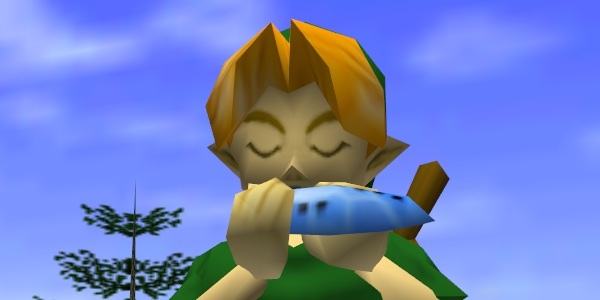
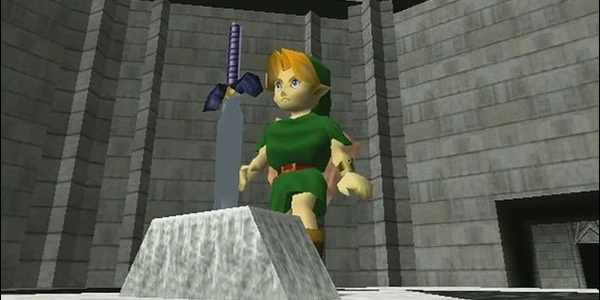
Any gamer worth their salt in 1987 knew of or was obsessed with the original Legend of Zelda on NES. Eleven years later, finally adding that sacred 3rd-dimension into the mix, Ocarina of Time translated all the dungeon crawling, gear upgrading, environmental puzzling and exploratory design of the 2D classics. Nintendo 64 developers adapted to the additional plane of depth with inspiring results, changing the landscape of action RPGs and pioneering mechanics that remain prevalent today. Z-Targeting was an ingenious solution to the elementary state of 3D fighting systems at the time. Locking onto our foes still required a full spectrum of timing and strategy, which varied greatly depending on the enemy type. The GTA series owes a lot to Zelda's 3D targeting breakthrough. Ocarina of Time also introduced the concept of virtual day and night cycles, a feature that's become the standard montage centerpiece for nearly every contemporary tech demo. A somber trot across Hyrule Field in the midday sun was breathtaking, but things sure got scary at night. The upcoming Dying Light will undergo a similar transformation as the sun goes down - a direct mechanic translation nearly twenty years later! The repurposing of an interconnected 3D map by means of upgrading certain skills and equipment is a concept Ocarina of Time achieved vividly; a design philosophy that informs the priorities of modern gaming with perpetual influence.

11. Assassin's Creed

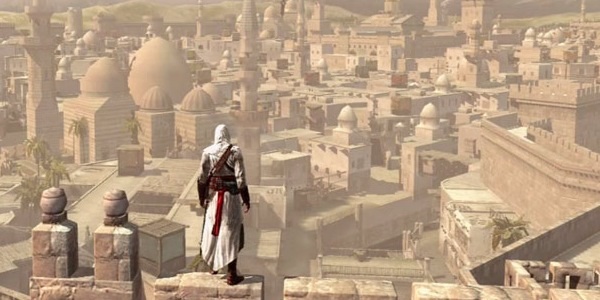
As an open-world stealth game, the original Assassin's Creed's promise was incomplete. So, to marginalize it as a glorified tech demo, like so many critics have, wouldn't exactly be considered unfair. Sure, the sneaking mechanics and spy missions were a tad under-baked, but still, the foundation of Ubisoft's flagship franchise was nigh fully formed upon debut.It was Assassin's Creed's motion mechanics that took the world by storm. At the time, the French art of free-running, known as Parkour, had found its legs in acrobatic action films like District 13 and Youtube's limitless supply of homemade stunt videos, but video games had sparked little such inspiration. Dynamically climbing in-game architecture is now a staple for action games everywhere. Infamous. Mirror's Edge. Sunset Overdrive. Dying Light (again). Watch Dogs. Ubisoft is keen to reclaim the stealth-ninja throne this November with the retooled, new-gen exclusive, Assassin's Creed Unity.

10. World Of Warcraft

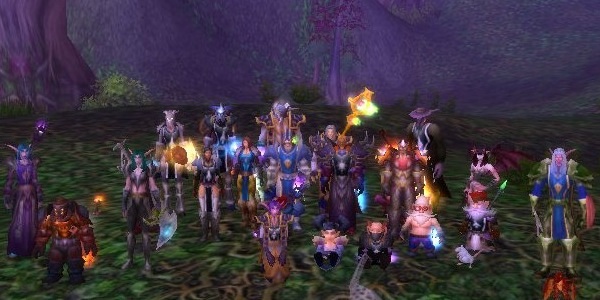
Azeroth may very well be a real place. Over 6 million people live there. They socialize, fall in love, trade goods, grind for loot and improve their odds. They even pay rent. Of course, none of these things actually happen, but we fully accepted that fact a long time ago.World of Warcraft is THE MMORPG; the poster child for online role-playing, dungeon scouring and epic questing video game times. Whether console gamers like it or not, WoW popularized subscription-based online gaming, which inevitably led to pricing strategies like incentivized pre-orders and in-app purchases. WoW subscribers were steadily on the rise from launch in 2004 all the way up to 2010, but since then, the number of subscribers has dropped by nearly fifty percent. All that and World of Warcraft is still the most popular MMO in the industry.

9. Half-Life

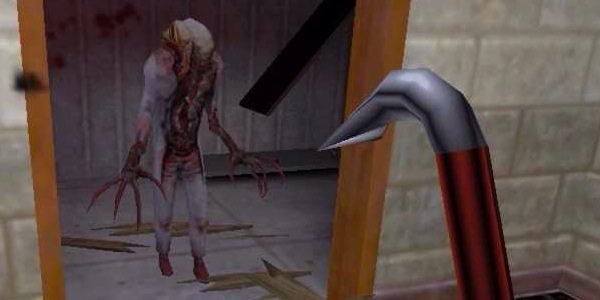
From the introductory, tone-setting tram ride to the SWAT Team we assumed had come to save our life, Half-Life struck a chord with PC gamers for its grounded, environmental puzzles and organic physics implementation. The overarching goal of escape was straightforward enough, made all the richer by inextricably linking problem solving and real-world observation skills. Half-Life played at the height of FPS intelligence, elevating the genre with a mature experience that treated gamers with respect.Valve's first masterpiece was also one of the first games to feature visible, rudimentary mouth movements for NPCs. It's funny, that something could look like a freaky marionette puppet now and be the bleeding edge of technology in 1998. The aforementioned use of Havok Physics was the gravitational icing on Gordon Freeman's experimental, quantum physics cake - a cake that Valve clearly handed off to GlaDOS somewhere down the line. The original Half-Life, and ultimately, Half-Life 2, shifted the world's FPS expectations, ushering in an era of dynamic physics experimentation, high-concept dystopianism and ambient first-person experiences.

8. Left 4 Dead

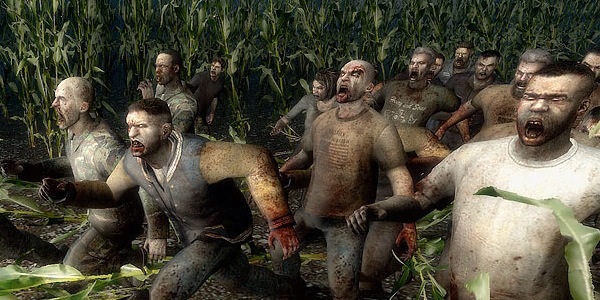
Left 4 Dead came at the right time, at the height of one of zombie lore's many upswings in cultural popularity. Heck - Turtle Rock Studios' four-player, survival co-op claim to fame might have even reignited the undead fire. Opting for a hip, 28-Days-Later-approach to rabid, flesh-mongering hordes, Left 4 Dead forced us to watch our teammates' backs, punishing brazen morons who assumed they were as bulletproof as they are in any other shooter. Elite zombies with the ability to paralyze members of our squad only fueled our codependence on fellow survivors.We've seen other co-op shooting galleries like the Payday series steal from Turtle Rock's vault of online ideas, but none operate on the same uncanny, zombie apocalypse premise, and that will always make Left 4 Dead special. We'll also never forget the genesis of another idea - a computer A.I. known simply as "The Director." This omnipresent, virtual overseer was tasked with the procedural spawning of every Zombie and every horde, changing the flow of every playthrough, thus maximizing Left 4 Dead's all-around replayability. With all the endless runners out there, the Xbox One exclusive Below, and the procedural process that is currently driving the creation of PS4's No Man's Sky, self-propagating and dynamically reactive level design is a bona fide fad and a key ideology in the evolution of modern gaming technology.

7. Batman: Arkham Asylum

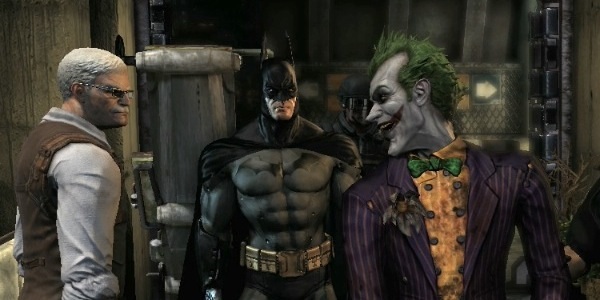
Back in 2009, Rocksteady achieved the long-thought impossible with Batman: Arkham Asylum, otherwise known as the first super-hero game that wasn't super-terrible. Quite to the contrary, actually. After years of half-made, movie-licensed tie-ins and uninspired cash-ins, Rocksteady's Batman had no Summer movie release to meet. No predetermined plot to butcher and compromise. Arkham Asylum cut to the core of what makes Batman such an incredible character to all his fans, splicing the talent and tone of the 90s Animated Series with the the most fitting backstories from The Dark Knight's official comic lore.It's a bummer that more action games have shamelessly aped Arkham's combat than those that have tried to do something original with it. Sleeping Dogs came the closest, putting an R-rated, kung-fu twist on Batman's free-flowing dance of counters, dodges and multi-takedowns, but the caped crusader still knows best. The Arkham Series is the modern day champion of exploratory problem solving and multi-tiered level design. Rocksteady keeps their Triforce inside a Zero-Suit... if you catch our drift. The best thing about the whole experience was how well the game mechanics defined Batman's nature - how the key principles of fear and non-lethal combat directly influenced gameplay. The Arkham games have surely set the standard for modern hand-to-hand beat'em-ups, but they've also married the narrative and context of a deep, dark world with thematically consistent and fiction-specific game mechanics. If every super-hero game based its moving parts in the core themes of its main character and their role as a crime-fighter, maybe we'd have a few extra games as good as Arkham Asylum. And then there's Arkham Knight, right around the new-gen corner. Holy Back-catalog, Batman!

6. Gears Of War

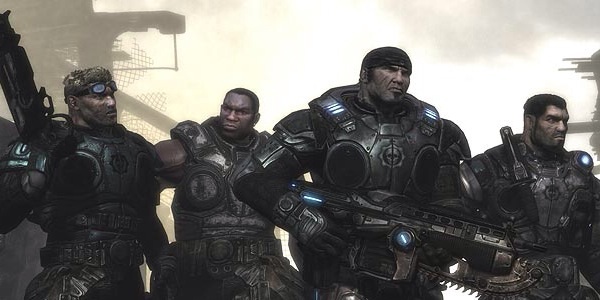
Cliff Bleszinski's illegitimate child of an IP should be both proud and embarrassed to have sent such a ripple through the industry. It's difficult to overstate the influence that Gears of War's 3rd-person, cover-shooter gameplay has had on nearly every 3rd-person game we see today. Even Assassin's Creed is getting its own stealth cover mechanic in Unity, but Dom and Marcus' more direct admirers can be found at the top of the charts. Uncharted. GTA. Rainbow Six. Ghost Recon. Max Payne 3. Red Dead. Splinter Cell. Kane and Lynch. Mafia. Every other game.The sadder side of Gears of War as a symbol for gaming is its shameless adherence to the most cliche of machismo tropes and glorified violence. When your two protagonists look like The Incredible Hulk and Mickey Rourke's illegitimate muscle-baby, ripping ugly bug-people to shreds with ultimate bro-violence and chainsaw guns becomes a bit of an unintentional parody. Inches of armor and no sleeves? That makes sense. Helmets are obviously for people who have never heard of bandannas. We wish we could say Gears of War was intelligent enough to be a knowing deconstruction of the gravel-voiced face-shooters we're used to, but no one really cares when the gunplay arguably remains the best in the industry.

5. Angry Birds

It may pain some to admit it, but Angry Birds is one of the most important games of the last decade. Taking full advantage of built-in, mobile-phone consumer bases, Angry Birds has earned over 2 billion downloads worldwide, having crossed to consoles and PC in the process. It is "the highest downloaded freemium game of all time."Accessibility, simplicity and affordability make Angry Birds one of the widest reaching video games ever developed. Cellphones exist in countries that don't have computers. You can play the game with one finger. If it wasn't free, Angry Birds never sold for more than a dollar. If these factors are the set-up volleys, Angry Birds' highly addictive gameplay is the spike. It has spawned a ridiculous list of spin-offs and re-skins. Theme parks have been built and there are more to come. Angry Birds' business model has functioned as the gaming equivalent of going viral on Youtube. As for playing the actual game itself...We prefer Bad Piggies.

4. Call Of Duty

After Saving Private Ryan, nobody thought a video game could capture the essence of WWII combat better than EA and Steven Spielberg's own Medal of Honor in 1999. Four years later, those people would be proven wrong. Call of Duty came late to the party in 2003, but at the time, showcased the most visceral virtual reimagining of D-Day anyone had ever seen... besides Private Ryan, obviously. Allegedly, a few veterans even experienced post-traumatic stress while testing it out. Rounding out the cultural responsibility side of things, CoD let players control soldiers of various nationalities. Everyone... except Germans, obviously. Maybe someday. We'll get there.The funny thing is that most Call of Duty gamers today wouldn't know the franchise for its WWII roots. After the first Modern Warfare, CoD massively shifted its priorities to online markets; perks, map packs, stabs and loadouts and aerial strikes and now rocket boots. And Kevin Spacey. Call of Duty numbers aren't what they used to be, but the series is far from dead. Single-player campaigns have never fully fallen by the wayside, but online play only gets more popular, day by day. The first Call of Duty blew the door off FPS warfare at the time, but the series' relevance now transcends the empire it has created. Call of Duty is the Coca Cola of shooters; cool, crisp and reliable. And brown. Lots of dusty, brown colors.

3. Super Mario 3

Super Mario Bros. pioneered the platforming genre as we know it. After Super Mario 2, a reskinned port of a definitely-not-Mario-game called Doki Doki Panic, Super Mario 3 was the first pure-blooded sequel that took 2D gaming to the next level and arguably secured the Super Mario Brothers as a perpetual success. SM3 introduced an overworld hub that acted as a mission select screen, a series and genre tradition to this day. For the first time ever, players could pick up and throw koopa shells and even fly with one of the most imaginative power-ups ever to grace gaming - the raccoon suit.Up until this point, few games had embraced the open-ended playfulness that Super Mario 3 encouraged. As the game allowed us to backtrack through levels, no matter how far we'd come, gamers discovered secret portals and magic flutes that skipped whole worlds at a time. Hidden rooms, strange enemies and treasure chests full of frog suits, hammer juggling and sock hopping were had. Super Mario 3 is responsible for the modern platformer, not only for the design choices and mechanics that so many others have counterfeited, but for simply establishing Mario as a reliably polished, yet innovative franchise with long-term brand potential and forward thinking game design.

2. Halo: Combat Evolved

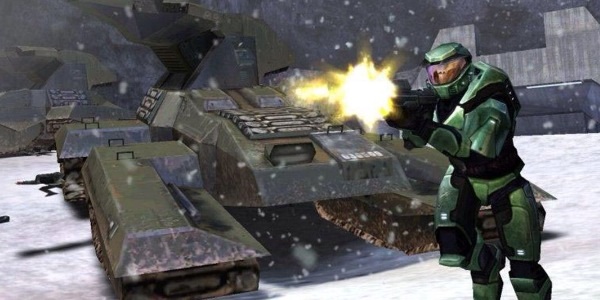
Who knows what would have happened to Microsoft's initial foray into home console entertainment if Halo had never been. Bungie brought living-room gamers their first viable, dual-analog FPS configuration, now an industry standard for console gaming. When Halo launched as an exclusive on the original Xbox, there was absolutely nothing like it on PS2. Sony wasn't exactly hurting at the time, having gotten their system out the door much sooner with way more software, but Halo's handling wiped the floor with PS2's best shooters.The sheer power of the original Xbox couldn't help but shine through when our Halo disc was spinning. Granular texture details. The first use of bump-mapping on consoles - a 3D optimization technique that has evolved far beyond Halo's modest applications. Rechargeable health is perhaps the most relevant contribution Halo has made to modern gaming. Health packs have all but vanished from mainstream video games as a result. Split-screen deathmatches and LAN parties also blew up thanks to Halo, a factor that no doubt contributed to Halo 2's monumental online success and the legacy that followed. Master Chief is the control-reference for every modern console FPS, the reason every game today has us healing like Wolverine and the oldest, most prevalent mascot in Microsoft's repertoire.

1. Grand Theft Auto III

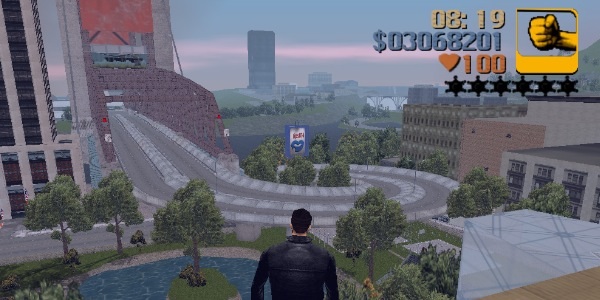
Grand Theft Auto III is perhaps the most important game in contemporary 3D gaming. Rockstar Games may be a household name today, but it was GTA III that stole our hearts and crashed them into our brains for the first time. An open-world like GTA III's map simply did not exist in 2001. Today, open-worlds are almost more common than linear level-design. All of our most anticipated games follow this trend. Sunset Overdrive. Rime. Assassin's Creed Unity. No Man's Sky. Far Cry 4. Wild. Even with all the loading screens, our first 3D Liberty City was the most seamless virtual world ever conceived.Top gear graphics and unparalleled freedom were the biggest draws to GTA III's crime-ridden streets. We could steal any car we wanted in 3D, run over any 3D person we saw and face the law like a 3D man - by means of death, capture or a wildly dishonorable escape. As far back as we can remember, this was our first experience with an in-game radio, let alone one chock-full of red-handed witticisms and snarky parody. GTA III's tongue in cheek satire always kept it feeling more juvenile than the Tarantino and Scorsese vibes it lovingly emulated, but it has consistently been one of the most ambitious game series ever. In every department. Acting - Check. Writing - Check. Scope - Check. Variety - Check. Mayhem - Check plus. When the most controversial games ever made are so often the best games, we wish more games were made by Rockstar...

Contributor
Contributor

Real Science Magazine called James' addiction to video games "sexually attractive." He also worked really hard and got really lucky in college and earned some awards for acting, improv and stand-up, but nobody cares about that out here in LA. So... He's starting over fresh, performing when He can. His profile picture features James as Serbian, vampire comic Dorde Mehailo with His anonymous Brother and Uncle at the Nerdmelt Showroom in West Hollywood. In James' spare time, he engages in acting, writing, athletics, hydration, hours of great pondering and generally wishing you'd like him.