10 Things You Probably Didn't Know About Street Fighter

Hidden Facts from the godfather of all fighting games.
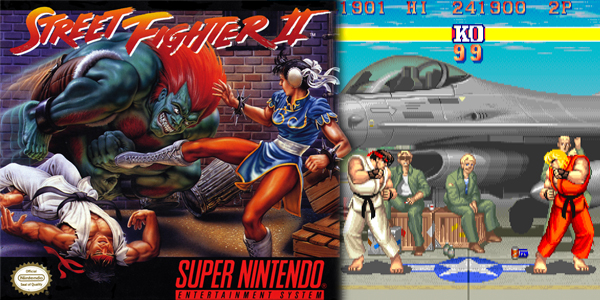
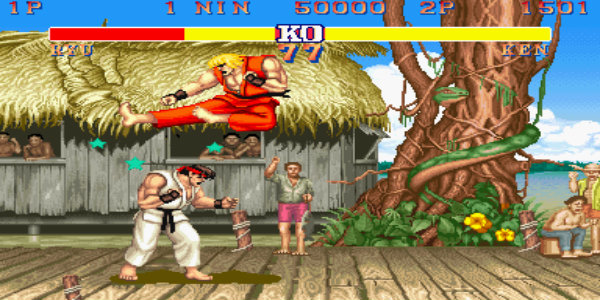
Street Fighter I wasn't the most popular of games. It was dull, linear and very difficult. Regardless, Capcom decided to go ahead with a sequel anyway and created one of the most important video games of all time. It's rare that a game is so groundbreaking that it creates an entire genre by itself, but Street Fighter II arguably did just that. With its revolutionary combo mechanics, wide roster of characters and perfection of multi-player fighting, Street Fighter II subsequently led to the birth of several other significant fighting series. The thing is, several of the innovations that came about in Street Fighter II weren't down to just genius, but luck, consequence and timing were also relevant factors. Certain events, stories and details of Street Fighter's production process have become common knowledge over the years, yet, there's still a surprising amount that even the most diehard of fans still don't know about the iconic series. Even now, there's more to be learned, primarily due to the advent of social media and the digital age. In celebration of all things Street Fighter, here's 10 things you probably didn't know about Street Fighter.

10. Mike Bison And The U.S Name Switches
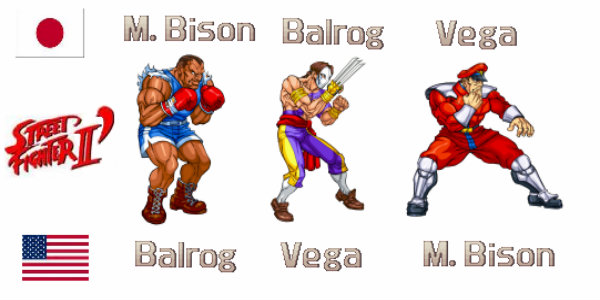
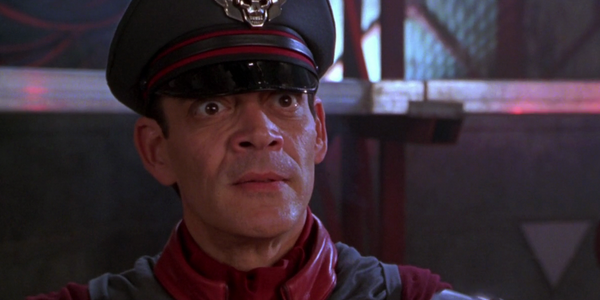
M. Bison is one of the most iconic Street Fighter characters ever, but his menacing name which later evolved into 'Master Bison' was originally meant for another member of the cast. Balrog has a clear resemblance to U.S boxer Mike Tyson, as such as he was originally called M. Bison (Mike Bison), this was later changed out of fear Tyson might sue if he found out about the likeliness of the character. Instead of merely replacing the Mike Bison's name, the designers opted to shift several names around for the U.S localization. As a result, Bison took the name originally meant for Balrog, Balrog took the name originally meant for Vega, while Vega took the name originally meant for the villain we now know as M. Bison. This caused confusion in international tournaments, leading to the characters being openly referred to as 'Boxer', 'Claw' and 'Dictator' in international settings. While it's only a cosmetic difference, it's an interesting piece of information and has certainly changed the way we see the characters in contrast to their original name sets.

9. Several Characters Are Based On Real-Life People
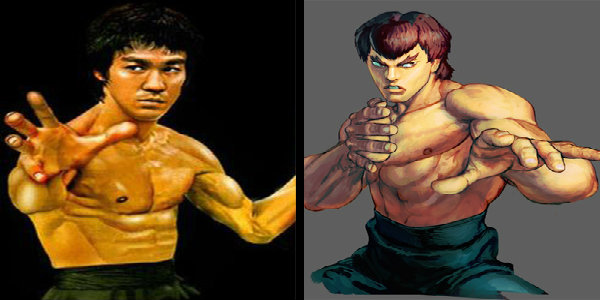
In order to make Street Fighter feel global in scale, the designers based several characters on real-life martial artists and figures from around the world in order to make the roster feel authentic, as if they were actually entrants in a fighting tournament. Eagle has an uncanny resemblance to Petrov, the character from the Bruce Lee film Fist of Fury. His later designs also bare a likeliness to Freddy Mercury. Joe, Deejay, Fei Long appear be based on the martial artists Joe Lewis, Billy Blanks and Bruce Lee, respectively. Alex and Hugo are based not on martial artists, but on the professional wrestlers Hulk Hogan and Andre the Giant. Alex features a similar kind of move-set to the one Hogan used in the ring, while he also rips his shirt off during his intro, another trademark of the hulkster. Hugo bares a much more immediate visual resemblance to Andre the Giant as he's a whopping 8 feet tall, in his profile it's revealed they also share the same birthday. The unique intro animation the two fighters share in Street Fighter 3 is an homage to Hulk and Andre's iconic stare down just before they wrestled for the WWF title at Wrestlemania III.

8. Ryu, Sagat And Bison Origins

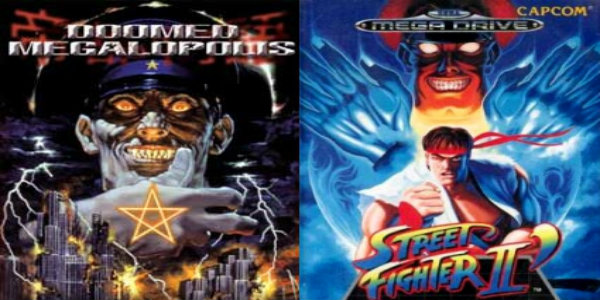
While many of Street Fighter's roster were derived from real-life martial artists, Sagat, Ryu and Bison found their origins from different sources of inspiration. The designs of Ryu and Sagat were influenced heavily by 1977's karate manga known as 'Karate Baka Ichidai', Ryu was heavily modeled after protagonist Yoshiji Soeno, while Sagat was based on the manga's antagonist Reiba. This was not only in aesthetics, but also in their styles and move-sets as both Reiba and Sagat are of a Muay Thai background. Bison was sourced not from a manga, but from a Japanese sci-fi epic called Tokyo: The Last Megalopolis. The film's villain known as Yasunori Kato, is a dead ringer for Bison, down to the glowing eyes, star on his cap, military garb, white gloves and mystical powers. However, Kyusaku Shimada's portrayal of the character is said to be so acclaimed and popular that it influenced similar characters across the entire canon of Japanese fiction, film and media.

7. Ryu Is Dizzy

When game developers test, implement and remove parts of a game's functionality, it's common for parts of the code to still remain inside the game, even though the leftovers are usually harmless. In the early stages of Street Fighter II, a 'dizzy damage' feature was initially planned, meaning a stunned opponent would take double damage if they were struck whilst in their dizzy animation. Due to part of the code that wasn't removed, there's an exploit in the game that causes Ryu to take double damage in his stun sprite, but only in one particular frame.

6. Design Document Plans For Street Fighter II
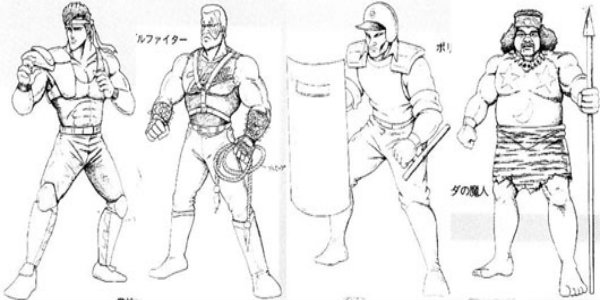
As iconic as every character is from the cast of Street Fighter II, we were almost treated to a completely different cast of characters if the leaked design documents for the game are any indication. The design prototype depicts several characters who didn't make it into the game; a Ugandan mystic, a cop in riot gear, Gen from Street Fighter I in a different costume, a grizzled man holding a whip (later inspired the design of Baz from Divekick), a ninja-type character and a design very similar to Kenshiro, series protagonist from Fist of the North Star. In addition, many characters who were featured in Street Fighter II are pictured far differently in the design documents. Blanka was originally referred to as 'beast-man' and looked more like a humanoid, with chains around his neck to possibly indicate he's some kind of slave. A version of Dhalsim is simply labelled 'Indian', depicting a generic looking Indian man in a turban, a later design has multiple limbs and the head of an elephant - a reference to the Hindu god Ganesha. Notes in the document state that Guile was integrated as a character 'for Americans to use', and that Zangief's original name was 'Vodka Garbalski', believe it or not.

5. Final Fight Was Originally A Sequel To Street Fighter I
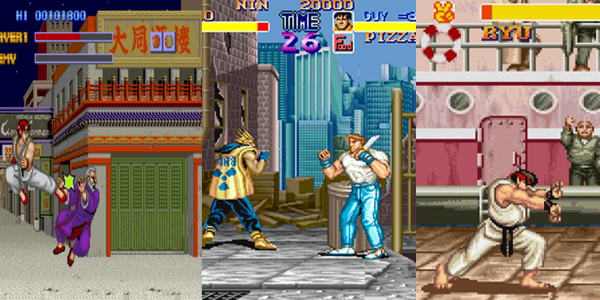
The original sequel for Street Fighter was re-branded after it strayed into the beat-em-up genre, becoming what we now call the Final Fight series. Capcom decided to separate the brands, deciding that a beat-em-up game could cash in on the success of titles like Double Dragon, hence Final Fight was born. This decision also helped mould Street Fighter II into what it was, as it was decided multi-player would then be the focus for the game, as Final Fight had already covered the single player experience in arcades. This is also an explanation as to why Final Fight characters such as Poison, Alex, Hugo, Sodom and Relento appear in various Street Fighter games due to the link that closely relates the two series. Had this separation not happened, Street Fighter II would not have had any of the crucial innovations it introduced, meaning the fighting genre would never have set-off as it did. It may have been a minor decision, but the ripple effect would have been huge in retrospect.

4. Multi-Player Support Was Pushed As An Arcade Solution To Difficult AI In Street Fighter II
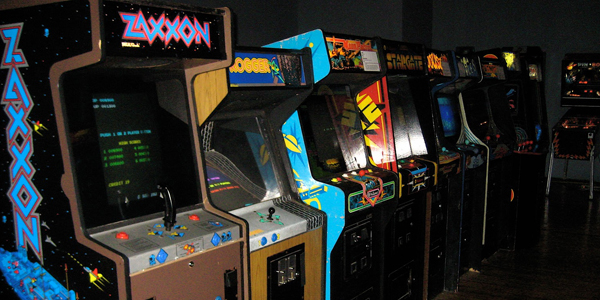
While Final Fight was mostly a success for Capcom, several staff members became weary of difficult AI and the impact that it can have on arcade machine popularity and usage. To remedy this, the choice to have 8 playable characters in Street Fighter II was implemented in order to promote the multi-player aspect of the arcade machine, meaning players would spend more coin in order to fight their friends and wouldn't be so deterred by the threat of difficult AI opponents. Unwittingly, this made Street Fighter II a huge success due to the competitive element it contained, a change that would revolutionize fighting games and eventually lead to it being treated as competitive sport. The first Street Fighter only had two playable fighters - Ryu and Ken - which were palette swapped versions of each other. By introducing additional unique fighters to emphasize multi-player, Capcom stumbled upon another appeal of modern fighting games in the form of larger rosters, which in turn led to varied strategies, match-ups and styles. These changes helped create more variety and excitement in game-play, hence why Street Fighter II is often regarded the first 'real' fighting game of the modern era.

3. Combo System In Street Fighter II Originally Treated As A Bug
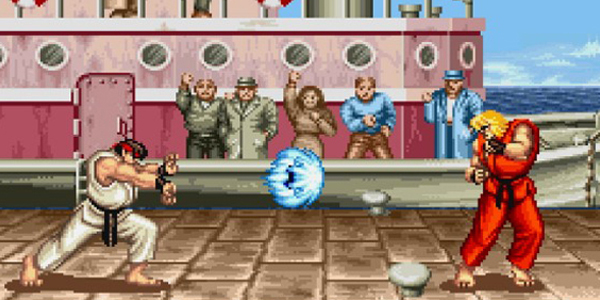
Street Fighter II's combo system was originally considered a bug and was at one stage removed. Developers initially labelled the ability to hit several times in succession as unfair and replaced it with a system in which the second successive blow would always miss. Designer Akira Nishitani demanded it be changed back because without it the game became dull. The measures put in place against the combo system can still be seen in certain moves such as E. Honda's hundred-hand slaps and Chun Li's lightning kicks, the moves will often fail to hit past the first blow allowing the opponent to escape. The accidental combo system in Street Fighter II changed the landscape of fighting games instantly, it soon became a staple of subsequent fighting games as evident in Mortal Kombat, Killer Instinct, The King of Fighters, Tekken and Virtua Fighter. While some regard the story of Street Fighter II's combo system as common knowledge, it's undoubtedly the most important fact about Street Fighter's production process as it's a crucial element in almost every subsequent fighting game to date, the genre simply would not have existed without it.

2. There's A Street Fighter II Themed Rock Opera
Gaming spin-offs and merchandise are somewhat expected these days, just look at the amount of video games which have films, animated, live-action or otherwise. Street Fighter itself has multiple anime features, a TV show, the live action movie and a recently premiered internet show known as Street Fighter: Assassin's Fist. What you don't commonly expect a gaming franchise to have, is a 3-album long rock opera. In 2007, Texan indie band Man Factory decided to produce a garage rock album which tells tales of the Street Fighter continuity through the medium of song. It primarily tells the stories of Ken and Ryu's rivalry and Chun Li's quest to avenge the death of her father at the hands of M. Bison. However, it is rather sad that there's no separate voice for each character, as I'm sure we could all do with a Guile/Zangief duet. It took them six years and three albums to finish the epic saga, which is definitely worth checking out, if not for comic appeal alone.

1. Street Fighter I Was Heavily Inspired By Karate Champ

In its early days of development, the Street Fighter design team drew heavily from arcade game Karate Champ in many of the design choices for Street Fighter. Karate Champ featured arenas from around the world, specific button inputs and multi-player support. The multi-player mode featured the choice of one of two very similar fighters, one clad in a red gi and one in white. Street Fighter's choice of global arenas reflects Karate Champ's choice of stage, while the red and white fighters clearly serve as inspiration for the designs of Ken and Ryu. The button input system and versus multi-player paint Street Fighter as a spiritual successor to Karate Champ, borrowing many of the game's elements while drastically improving on the graphics and hardware. Had Karate Champ not existed, it's likely Street Fighter would have turned out completely differently, especially in the designs of the iconic protagonists Ryu and Ken.

Contributor
Contributor

Sam is an experienced Film, Gaming and Wrestling writer, critic and journalist who was written for a vast number of different entertainment websites. Follow him on twitter at @Sams_Reel_Views.