10 Things Video Games Really Need To Stop Doing
It's 2022 and we still have invisible walls?!
While video games have evolved mechanically and visually in a tonne of wonderful ways, they’re capable of being as flawed as any other medium.
For every revolutionary feature we can’t believe nobody thought of earlier and genre-blend that changes the definition of what games can be, there are those little painful things we just kind of wish games would stop doing.
Fair warning: We’re going to be getting very granular here, but as much as we celebrate the vast majority of our favourite games for everything they got right, this is our little safe space to point the finger at some video game cliches and pitfalls that kind of suck.
--
10. Not Letting You Play The Bit That Looks Really Fun To Play

We don’t like to establish too many must-haves for video games as they’re all unique and fascinating creatures in their own right. That said, if a game is going to have a character do something incredibly cool, you bloody better let us do it and not just sit back limply holding the controller thinking about how awesome it would have been to actually play that bit.
The largest offender in this particular entry are games that don’t let you land the final blow on the bad guy you’ve been sweating it out battling.
Instead they let you get all the way to the end and then quietly let you know you can take a backseat while they enter into a cutscene where your character does something super cool finishing off the encounter with an epic blow that you didn’t even get to initiate. It’s the equivalent of the video game taking credit for all your hard work while you sit back and go, “Oh, okay, yay me.”
We are simply no longer having it.
9. Invisible Walls

This is one of the many features on this list which is an unfortunate reality for many developers attempting to craft open world games, but that doesn’t stop it from being immersion-breaking and frustrating.
There’s nothing quite so unfitting with your sprawling gorgeous fantasy world than bumping up against an invisible wall. While to be fair this one isn’t so prevalent in games these days, it hasn’t entirely gone away. This goes double for games that show you something exciting off in the distance but it turns out you can’t actually get there and it doesn’t exist in the game. Morrowind was game changing for being set on an island and letting you swim off indefinitely in any direction by spawning repeating water tiles, if for some reason you wanted to do that.
Meanwhile, playing an exploration epic like Fallout 3 only to be told we can’t proceed in that direction for “reasons” was pretty disappointing.
The Call of Duty series, The Witcher, and Final Fantasy XIV’s altitude error messages and wild number of invisible walls all get honourable mentions here.
8. Doors That Aren’t Actually Doors
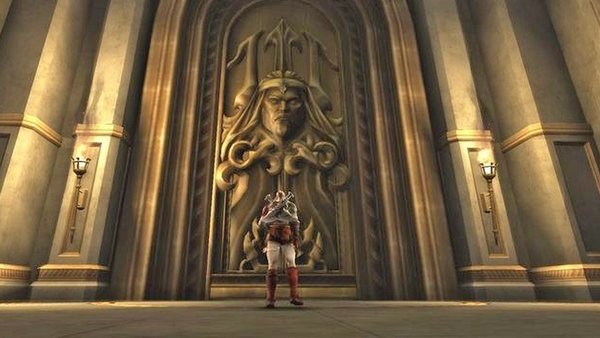
Last time I did a list in the same vein as this one I said if I was a politician I’d run on the platform that crap ladders which your character can’t grip onto properly in video games need to end. For this list I’ll add, let doors be doors and not just scenery that doesn’t go anywhere.
It’s pretty standard to expect that a door is a pretty exciting thing in a video game. Usually home to a quest, chest, or mysterious interior, there’s plenty to entice us. Except when the door isn’t a door at all, it’s just a spruced up wall.
Wandering all the way over to a curious looking door just to find it’s not interactable makes us second guess all doors. While it often requires a herculean effort from a hundreds-strong developer team to ensure every door of every domicile is a part of the level design and actually goes somewhere, it does make a big difference to the gameplay experience.
It’s tricky to find an RPG or open-world game that doesn’t have at least a few doors simply for aesthetics, but you’ll really notice it when you do.
7. Mandatory, Long Tutorial Sections

I’m not here to gatekeep and I know some people who pick up a video game might be doing it for the first time and do need to be versed on the basics but I think it’s about time that tutorials which make us “Press W to move forward” at least become optional. Spending full minutes learning how to walk and pull out a gun when the buttons are the same in almost every video game could at least be streamlined to allow for the majority of gamers who just want to get cracking.
There’s nothing terribly wrong with mind-numbingly detailed tutorial levels, so long as the rest of us can skip them without missing anything important.
While games like Black & White 2, Nier Automata, Pokemon Sun/Moon and, more recently, Deathloop have infamously painful tutorials, at least the latter lets you turn off tutorial messages if you dig into the menu settings. Bless Far Cry: Blood Dragon for including its tutorial called “Military Program For Idiots” which includes gems like “Press X To Demonstrate Your Ability To Read”. Of course, not every game can turn its tutorial into a joke, so for that we’ll tip our hat to games like Half Life and Deus Ex that house their tutorials in training grounds areas or menus where you can get caught up on the basics if you need them but they exist separately from the main game.
That said, if it’s not the tutorial to Driver level bad at least we know it could be a lot worse.
6. Characters In Cutscenes Having Different Skill Sets Than In Gameplay

This one sort of exists counter to our earlier entry about not getting to actually play the cool bits in cutscenes but they revolve around the same issue which is that sometimes the character we’re playing doesn’t match up with the character in cutscenes. Whether it’s their personality, equipment, or skill set, there are a few occasions where the ludonarrative dissonance hits a little too hard.
If you’re not familiar with that one, it’s basically when the story and gameplay mechanics don’t line up with each other.
For instance, Red Dead Redemption 2, fantastic as it is, falls into this trap as the whole story revolves around the Van der Linde gang repeatedly putting themselves in harm's way to scrounge together enough money to hightail it off to Tahiti. Which is fine except if you’ve been busy off earning money as Arthur you’ve got plenty of cash to throw everybody’s way and solve any problem that comes up but the game needs to ignore that so the story makes sense.
Other prime examples of characters acting curiously differently in cutscenes include Cloud getting cornered by Shinra soldiers in Final Fantasy 7 even though he’s blasted through the dudes without breaking a sweat for the last hour, and infamously hated Mass Effect 3 baddie Kai Leng donning unparalleled plot armour despite Shepard taking down entire Reapers by this point.
Then there’s watching your level-capped beastly hero get done in by a sucker punch out of nowhere just to kick off the villain’s last stand. Make it make sense or don’t do it.
5. Binary Morality System
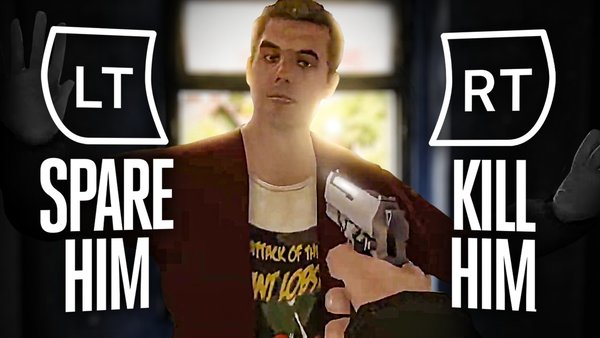
Morality systems are exciting in roleplaying games because they let you choose how you want to engage with the NPCs around you and the narrative as a whole. While that’s all well and good, there’s a difference between creating a choice-based morality system that’s nuanced and one that’s incredibly binary. Usually it’s the latter. Take Knights of the Old Republic where you’re either the ultimate Light Side saviour and boy scout, giving all your money away to the poor and saving the universe, or you’re a murdery pure evil Sith Lord right up there with a cartoon villain.
A lot of games boil down to being everybody’s errand boy or killing anybody the game lets you kill and then they slap a ‘morality system’ label on it.
Sure, it’s still nice to have a choice, but if it’s like Mass Effect where you’re either sucking up to everybody or smashing that renegade action to punch NPCs in the face, it’s a little basic. These morality systems often mean it boils down to being way too nice to everyone or way too mean because games like KOTOR punish you for not devoting yourself fully to the light side or dark side lifestyle.
4. 3D Platformers Not Indicating Where You’ll Land
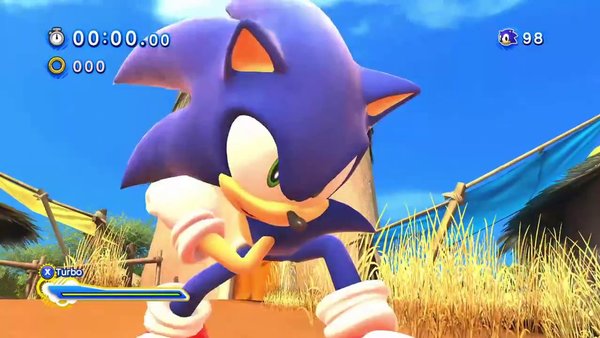
This is an entry that doesn’t need a lot of explanation. While things are getting better, especially in the case of studios who have been around the block when it comes to creating stellar platforming experiences, there are still platformers that are nigh-on unplayable because you just can’t be precisely sure about when your little guy is going to land.
This is one of those things that makes older platformers pretty impossible to go back to, and in 2022 it’s unforgivable for a game in the genre to drop the ball on this one.
Sonic Unleashed is a great example of a game that fumbles with this mechanic as in its night stages the Werehog doesn’t have a shadow on the ground making the platforming wildly frustrating. As game engines have evolved this has become way less of a problem but enough of us were burned by early 3D platformers that I think we can safely say we never want to see video games doing this ever again.
3. Scripted Fail States
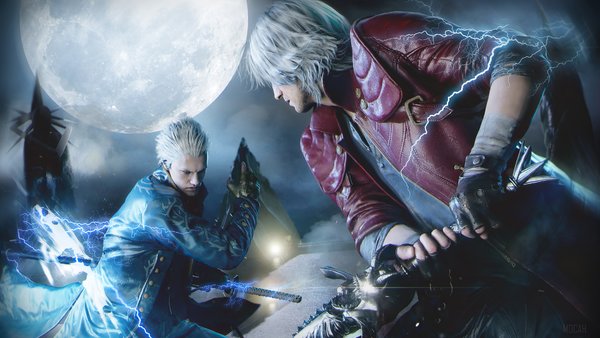
There’s something that feels particularly unfair about pulling off a tricky boss encounter or series of quicktime events only to arrive at a scripted fail state.
So, tumbling down that waterfall in Tomb Raider one moment is an instadeath but fall down that same waterfall four quicktime events later when you’re supposed to and you’ll move on to the next chapter.
Heavy Rain, Until Dawn, and Uncharted are also classic offenders of this particular frustration where you’re left wondering why you bothered to avoid certain peril dozens of times only to fall victim to scripted peril mere moments later. Outside of quicktime and platforming heavy sequences, this same thing can happen in boss fights that you aren’t ever supposed to win.
When you’re absolutely trouncing a boss and then the game interjects with a cutscene that has you lose it feels pretty unfair.
A perfect example of this is the sci-fi butthead we’ve already mentioned once on this list, Mass Effect’s Kai Leng. It doesn't matter how easily you beat him up, the following cutscene has you lose because of reasons. On the flipside are cases like Devil May Cry 5 where you are indeed supposed to lose the first boss fight, but if you do manage to win, the game just ends because, well, you won. Well done you.
2. Respawning You Without All The Stuff You Just Used In The Last Attempt
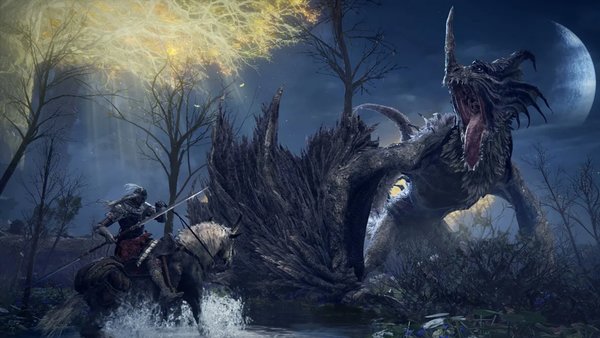
If you’re failing at a game, traditionally you’d expect more hand-holding, not less. Not so for games that let you fail and don’t even let you keep the items you used during your last try.
Destiny 2 is a great example of games that screw you over in this particular regard. Die during a boss fight and sure, you’ll respawn, but you’ll do so without the ammo you used in the last fight. If you’re thinking somebody who couldn’t pull it off the first time is probably not going to be able to do it with even less resources at their disposal you’d be right. If the boss is going to come back swinging at full health, it feels like the least a game can do is let you have another shot at it with the arsenal you first came in with. On top of this, punishments for dying in general are pretty crappy. Whether it’s Dead Island sapping 10% of your money, Vampyr not giving back your potions and bullets if you die, or Borderlands 2 slowly sapping your ammo and money.
While some people are gluttons for punishment with this sort of mechanic, plenty more could happily do without it.
1. My Superhuman Protagonist Can’t Do Stuff I Can Do

I’m putting this one at number one not because it’s the most irritating thing video games do or because it spoils video games that include it, but because it’s my favourite tiny annoyance, it’s pretty entertaining, and it comes up a lot.
Of course video games have to put limits on what our protagonists are capable of, otherwise we’d just breeze through games, but when our incredible mutant Witcher or Souls hero can’t step over a three foot fence it’s hard not to notice.
It’s instances like this that make games like Breath of the Wild and Assassin’s Creed: Odyssey stand out as refreshingly different as everything is sensibly surmountable. Commander Shepard and Geralt’s inability to step over rubble or climb ledges or, in Geralt’s case, get himself out of water and onto a shore without a ladder or very generous ramp to help him get his footing is pretty annoying. Add to that things like Minecraft Steve’s inability to climb two blocks without a ladder, The Last of Us’ packed stairwells blocking whole floors, chest-high walls deeming areas inaccessible to you in Dark Souls 2, and instances in games like Silent Hill or Resident Evil where a glass window or wooden door blocks your path even though your backpack is chock full of firepower that could take care of it.
I don’t expect video game characters to be able to do everything but if an unfit gamer like me can do it, there’s got to be something we have to revisit there.