10 Things Every Video Game Needs To Learn From The Witcher 3
Developer/consumer relations, worthwhile DLC, impeccable minigames... the list goes on.
10. How To Make Great Minigames
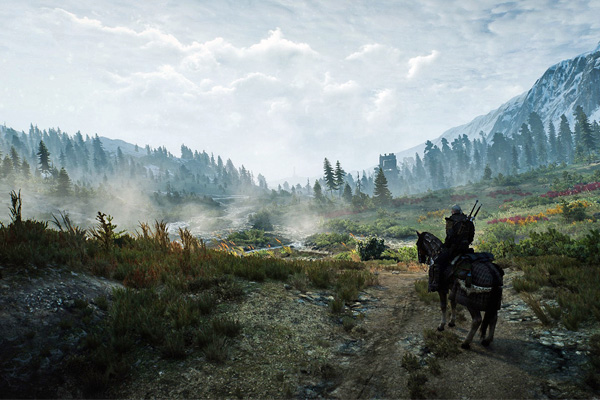
Its quite common for large open-world video games to be packed with minigames. Not only do they give the player a variety of things to do, but they make the world feel more believable and alive. Naturally however, these can vary in quality depending on how much time is given to developing them, and considering how big these types of games can be, its understandable if many feel half-baked. This is not the case with The Witcher 3. Not only is the card-battling Gwent a fantastic minigame, but its good enough to stand on its own. Clearly a lot of time and effort went towards making it, and the result is a wonderful supplement to a base experience already so good, it would have been fine without it. Gwent is addictive enough to the point where it can distract you from the main quests for hours, and how many other minigames can you say had the same effect? So, while the minigames of other titles end up being amusing distractions at best, The Witcher 3s Gwent is in a league all its own. The lesson here is that when as much creativity and hard work is given to these 'distractions' as the core game, the outcome is something that stands on its own, itself one hell of an accomplishment.9. How To Design Environments

8. How To Attract A Diverse Range Of Gamers
In the past, games like The Witcher 3 would only appeal to a certain niche of more hardcore and dedicated bunch. While the scale, detail and challenge of such a game is attractive to some, it can be daunting for newer players. Clearly the developers have honed their craft, because what was once a relatively obscure series has now reached blockbuster levels of success and notoriety. No doubt this is the result of years of hard work and dedication. The Witcher 3 is great for gamers of all ranges of experience, striking an impressive balance between being too easy and too challenging. Despite being the third game in a series, the story and mythology supporting it is quite easy to follow, even if you cant quite remember names and places. These achievements are why so many people love The Witcher 3; it casts a large net of appeal in a way its predecessors didnt. It is a testament to a games ability to reach new players without alienating those that have been with the series from the beginning. When other games find themselves leaning one way or the other, The Witcher 3 is perfectly balanced, and any other mythology-heavy title could learn a thing or two from it.7. How To Implement Player Choice

6. It Proved Single Player Isn't Dead
For years now we have heard over and over about the impending death of the 'single player experience'. As online video games continue to gain in popularity, focus is increasingly placed on multiplayer games that prioritize social experiences over storytelling, world building, and immersion. While The Witcher 3 wasnt the only video game in 2015 to disprove this trend, unlike Fallout 4 it didnt have a well known brand to boost its potential reach. And yet, despite being the third game in a lesser-known franchise, it was a huge success. Clearly a large number of gamers were excited for this game, even though it has no multiplayer mode of any kind. But as any gamer would tell you, it was precisely this focus on storytelling, world building and immersion that made everybody want to play. It should seem fairly obvious now that gamers were starved for substantive single player experiences, which is not surprising considering how often AAA games keep eschewing them in favor of multiplayer. Diversity in gaming is as important as anything else, and gamers dont want every game they play to be online-only multiplayer experiences. So instead of putting all their efforts into such things, maybe more big budget games should start prioritising story and single-player gaming more. The success of The Witcher 3 and others like it in 2015 demonstrate a large portion of the market is hungry for similar content, and it would be foolish to ignore this fact. Single player isnt close to be being dead, and The Witcher 3's unbridled success single-handedly proved it.5. Everybody Got A Satisfying Ending

4. How To Create & Structure Side Quests

3. Creating Substantial & Worthwhile DLC
2. How To Communicate With Your Fanbase
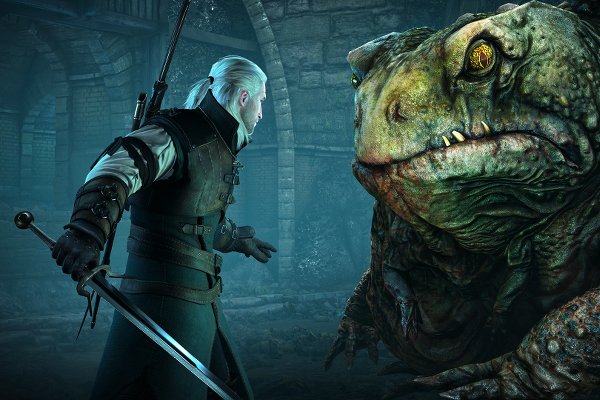
Parallel with the continued abuse of DLC is the consistent mismanagement of communication publishers and develops have with their consumers. You see it all the time. Publishers will make claims about an upcoming game in order to generate hype, only for it to come crumbling down when the final release fails to live up to the promises. Publishers will then state their intent to fix the issues, which always ends up being too little too late. This wouldnt be so bad if it only happened every so often, but it literally happens multiple times every year, and gamers are starting to become weary. As a result, the relationship between gamers and publishers is hardly positive. In contrast, communication between CD Projekt RED and its fanbase is stellar. CDPR always makes an effort to keep their consumers informed, even during troublesome situations. The Witcher 3 had its fair share of issues upon its release, and the team went out of their way to fix them as quickly as possible, keeping us all informed while doing so. This openness makes gamers feel like they are being listened to, instead of being talked down to, and has generated a level of trustworthiness gamers dont feel with other big publishers/developers. There is an intimacy gamers feel with CD Projekt RED; every hard copy of The Witcher 3 came with a note thanking you for supporting them. Its a little thing, but sometimes that's what makes all the difference. So instead of focusing so much on marketing to gamers, more publishers should take a note from CD Projekt RED and just be honest. Its hard to be angry at a business when they are keeping you well informed of the thick and thin. Sure, there will always be those who hate you no matter what you do, but the majority will be more than happy to support something, if it's clear those behind it see the value of a satisfied consumer.1. How To Write A Good Story
