10 Things 2015’s Biggest Video Games Got Wrong

So close and yet so far... unless you want to pay $5.99 right now to unlock the extra content.
2015 is easily the finest year for video games since GTA V and Bioshock Infinite made 2013 a roaring suceess, and it's one that got things back on track following the disastrous, title-devoid rollout that was 2014. However, whilst we can certainly indulge in the delights of The Witcher 3's considerable mastery of the RPG genre or MGS V's experimental sandbox of gadgets, stat-tracking and enemy-abuse - almost every major game this year launched (or still has) a string of glitches, unfavourable features or outright bad decisions tarnishing them from perfection. Batman: Arkham Knight was ludicrously broken on PC (to the point where to this day, Warner Bros. are simply offering refunds because they still can't fix it), and Fallout 4's console versions were just as glitchy and broken as Skyrim's worst moments from 2011. Across the board, the norm is that a working game at launch is about as rare as a unicorn chewing a four-leaf clover. Luckily, the internet is as the internet does, and fans have been on-hand through the thick and thin to offer their 'advice' (in the form of vitriolic rants) to hopefully improve their purchases either right away, or for the inevitable sequel we'll get in the years to come.

10. Your Mysterious Main Villain's Identity Is Obvious - Batman: Arkham Knight

As much as we all wanted Rocksteady's third instalment to be the all-singing, all-Batarang-flinging excursion of fan service it was set up to be, the reality was something else entirely. Whilst the game did play better than ever thanks to numerous small changes to the fighting system that sped things up and let you introduce perps' heads to environmental hazards, the villainous Arkham Knight himself was more of an angsty teenager than an imposing force. Set up to be just as capable as Batman on every level, fans were expecting his true identity to be truly timeless - not to mention going toe-to-toe with the guy would push both gamers and Bruce himself to the absolute limit. Then we started playing, and as soon as the AK got on his intercom and uttered the words "Time to die, old man" in a snarky, 'I'll show him!' kinda way, everyone immediately went "Well it's Jason Todd, isn't it? Clearly." From every subsequent scene, to every line of dialogue that revolved around his identifiable revenge-filled "It's personal" dialogue, it only reinforced what we were so instantly sure of. In addition, Rocksteady and Warner Bros. had been adamant the AK was a 'brand new character' all the way up to release, so his true identity and terribly implemented tank-based boss battles only soured the experience.

9. Having Your Ad Campaign Lie To The Fans - Halo 5: Guardians

Once Bungie left to embark on their most lucrative project yet in Destiny, it left 343 Industries to inject their own flare into the mythos by taking the Master Chief down a far more personal road. Halo 4 saw him broken down into a lab experiment dependant on Cortana to keep him sane, whilst Guardians' marketing alluded to a heinous act he'd either done or was framed for, the ensuing galaxy-wide manhunt being the game's crux from multiple perspectives. You were to play as both the Chief and newcomer Spartan Locke, the various trailers and marketing materials positing the question - and hashtag - of 'hunting the truth'. In the end, Locke's previously personal engagement with the Chief's actions was nothing more than a neutral assignment, and although the two do tussle momentarily as the MC decides he'd rather pursue a lead on Cortana's whereabouts than come back to HQ, that's literally the beginning and end of everything over two year's worth of hype was building towards. Both fans and 343 themselves could argue that the mixed messaging of the pre-release materials was all in favour of another twist that happens midway through the campaign, but ultimately we were fed quite a few porkers, all of which can taste increasingly sour depending on if you thought the 'real story' was done well or not.

8. Condemning Your Own Sales Potential - Rise Of The Tomb Raider
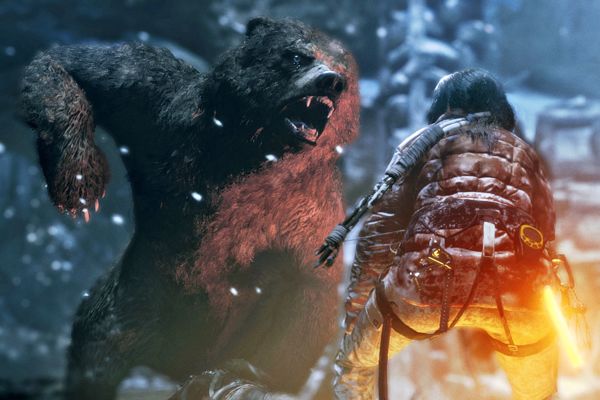
Rise of the Tomb Raider was one of the surprise gems of the year, thanks to Crystal Dynamics iterating on both their initial formula from 2013's reboot and the tropes of third-person action put in place through Naughty Dog's Uncharted trilogy. The result is one of the best action games going, complete with fantastically cinematic cutscenes and all manner of explosions and high-octane thrills to keep you entertained. Why then, was it released on the same day as the monolithic Fallout 4?! Seriously, it makes about as much sense as Konami's current treatment of Hideo Kojima. Going up against one of the most hyped and hotly-anticipated titles of all time only served to see Lara's latest thoroughly trounced on day one sales by a sequel seven years in the making. Thankfully, UK sales have been more lucrative for Rise than overseas, but the fact remains that if they'd just held on a week - or a month into December for example - the game would've done far, far better. The same thing happened with Mad Max coming out on the day of Metal Gear Solid V's release - a no-brainer for an entire generation of MGS fanatics who suitably scooped up Kojima's swansong and left poor Max alone in the post-apocalyptic dust.

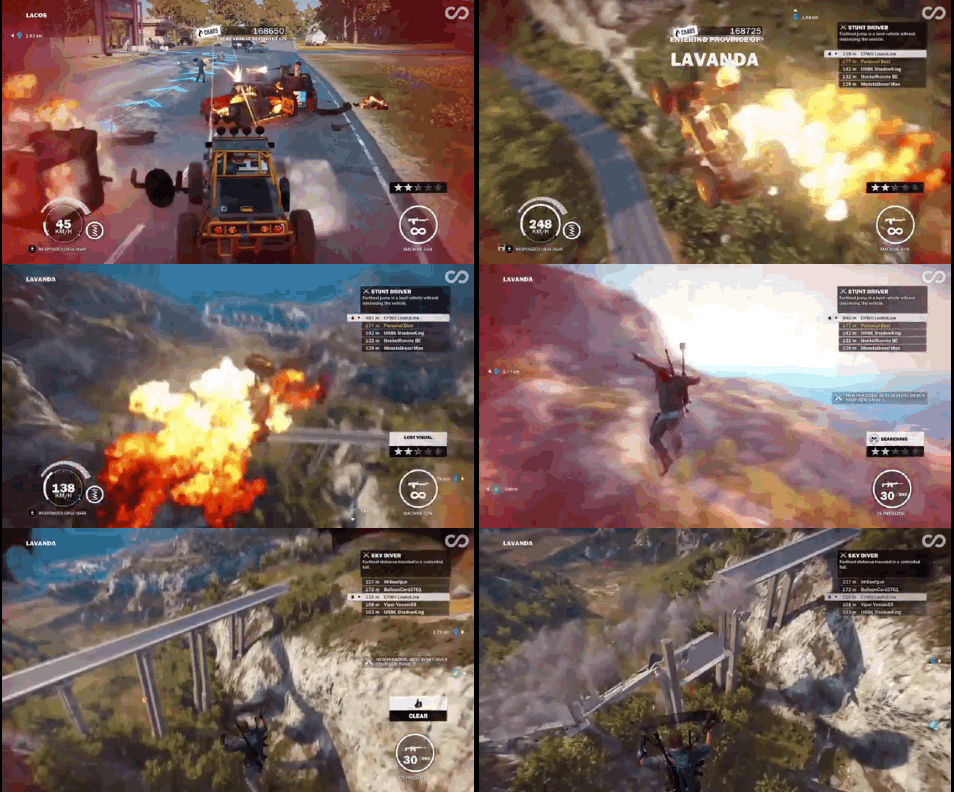
7. Having Your Main Selling Point Tank The Framerate - Just Cause 3

Just Cause is barmier than nuclear-equipped dancing poultry, and about as fun to watch, too. Its entire appeal - something that's become increasingly apparent thanks to the story taking a backseat - is firmly routed in thinking of the most explosively ridiculous scenarios possible, attaching booster rockets to whatever that is, and then watching it all fire off in a thousand different directions at once.
When it works, on PC especially, it's a fireworks display of anarchic beauty, but when it falls down - which is where the consoles come in - every potentially glorious moment where your best laid plans are set to go off ends up being scuppered by a framerate that reduces them to a slideshow. Avalanche can hopefully optimise this going forward - rather like The Witcher 3's developers CD Projekt RED did - and roll out a handful of continuous patches getting things running far smoother. As it stands right now, you're either going to get locked into a few minute-long load time, or watch the game's biggest selling point cripple its own engine.

6. Where's The Campaign?! - Star Wars Battlefront
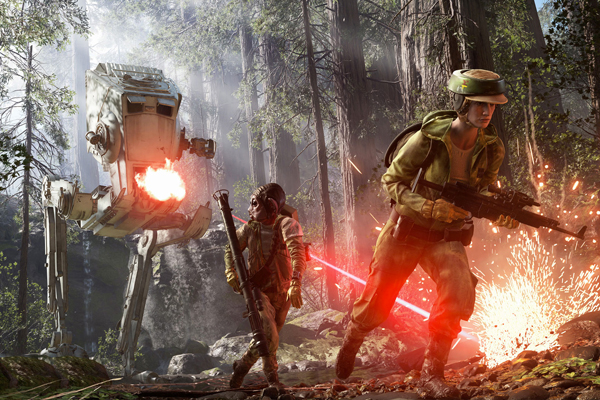
2016 is going to be the decider for multiplayer-only games, as 2014 saw Titanfall fall flat on its face, then this year we've had Evolve, Star Wars Battlefront and most recently Rainbow Six: Siege all discard their single player components simply for the sake of charging full price for less content. It hurt the most where Battlefront was concerned though, as EA DICE really have put together the best-looking and best-sounding Star Wars game yet. The only thing left was to put the game engine to best use and recreate everything from the X-Wing assault on the Death Star, to facing off against Vader as Luke in Episode VI. But no, the realities of EA partnering with the most lucrative franchise of all time meant the higher-ups just couldn't resist pilfering the opportunity for all its worth. The result was this multiplayer-only online shooter (which granted, you can play offline and solo, but that's like saying a 'night out' is you sitting by yourself in an abandoned building), as the vast majority of content is being held back for a stupidly-priced season pass. In the end, if you want the 'full experience' for Battlefront, you'll need the £60 base game and £40 season pass, just for the same amount of content you used to get in the older games for a fraction of the price. Oh, and they had full story campaigns, too.

5. Microtransaction Fatalities - Mortal Kombat X

How to split a room of gamers in one word? "Microtransactions" Depending on what generation you come from i.e. if you were born before the likes of horse armour, season passes and day one DLC, you'll know of a time before games had little "Buy this now for £3.99!" prompts popping up in the middle of your favourite titles. For everyone else who remembers buying a full game at launch though, it's cause for pure bile-inducing hatred towards whatever developer decides to include them. For Mortal Kombat X, the dastardly lot over at Warner Bros. promptly stuck their noses in and requested that an 'easy fatality' option be gated behind a microtransaction window. Now it seems that if you can't be bothered to learn the fatalities like in the days of old, you can cough up the extra cash to make it a universal button combo instead. It's not that easy fatalities shouldn't be a thing whatsoever, it's that the cheat has appeared in past MKs, and it used to be free.

4. Spending The Whole Budget On The Graphics - The Order: 1886

Ready at Dawn's first big-budget home console release should've been their finest; a game with looks that rivalled the finest CG in cinema, and with some tried n' tested over-shoulder gameplay backing it all up. Sadly, once we stepped into The Order: 1886's world of slow walking, stupidly long cutscenes, quick-time events and basic gunplay, it was all over. Of the game's 16 chapters, two of them were cutscenes, and in terms of actual gameplay where it was anything other than running forward and shooting, that was reduced to a couple of hours at most. See, the whole thing was only around five hours long anyway, and when the team had put their all into such a gorgeous graphics engine, yet couldn't give you any excuse to stick around, it resulted in The Order being one of the worst games of the year, despite its sky-high budget and console-exclusive aspirations.

3. The Price Of Multiplayer-Only Games - Rainbow Six: Siege, Evolve, Destiny, Star Wars Battlefront
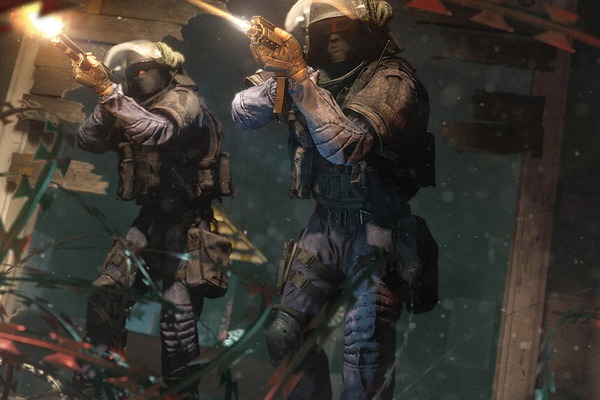
This has to be addressed head-on, as although I've already mentioned Star Wars Battlefront's campaign omission being a big sticking point, 2015 really was the year where more developers released multiplayer-only games... at full price. Take Destiny's Taken King expansion/replacement, for example. The base game would've already set you back £60 at launch, and now that TKK is out, you need the previous two pieces of lacklustre DLC for it to work - which are £25 a pop. The 'deal' put in place is to re-buy the original game, both DLC packs and TKK for another £60, but that literally means you've wasted your money from 2014, as that version of the game is completely irrelevant. Turtle Rock Studio's Evolve was built "with DLC in mind", and although the developers sought to release all future map packs for free, its problem lay within a paltry selection of game modes to play. Rainbow Six: Siege has the same problem; a threadbare excuse to string together a handful of maps with some semblance of a 'campaign', then riddled with microtransactions and progression-skips if you have enough extra coin. It all comes across as very money-hungry, with consumer satisfaction discarded in favour of either brand identity or developer reputation bringing in the money regardless. Every time a game chooses to put any progression behind a paywall with real cash, it's an instant middle finger to the sense of reward you would've gotten by playing naturally. Microtransactions are a truly awful business practice born from the mobile gaming scene, and one that treats every property like a slot machine, the players forever pulling levers and hoping for satisfaction. Twin that with the multiplayer-only experiences that offer what used to be side modes for top dollar, and we've got one hell of a problem, where your love for a given property is thoroughly mined to get as much money out as possible.

2. Leaving THAT Major Plot Thread Unfinished - Metal Gear Solid V: The Phantom Pain
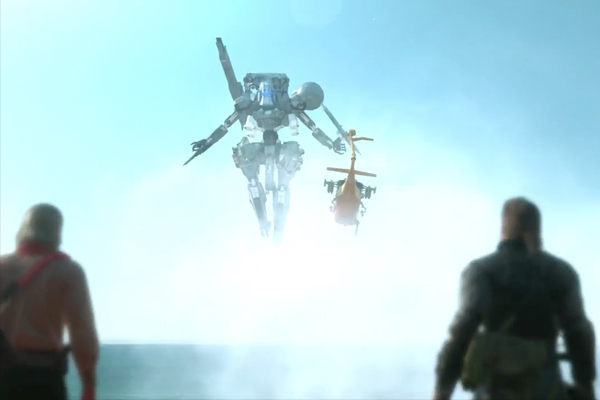
Cut content in video games isn't anything new, but when you're putting the final touches on one of the greatest stories ever told in video game history (Hey come on, his arm wasn't really controlling his mind), there shouldn't be any room for anything less than a grand send-off. Sadly, MGS V's final few months of development were tarnished by awful tales of employee abuse on behalf of publisher Konami, and it's a harsh working environment that you can tell translated across into Hideo Kojima's final project. Come the point in the story where young Liquid Snake has made off with the hulking monstrosity Sahelanthropus, we all (understandably) thought there was going to be one final, epic showdown, as Boss tracked down the blonde rapscallion and reclaimed what was rightfully his. ...Nope. Instead, because the cutscene where this happens was left on the cutting room floor, we're supposed to believe that both Liquid and Psycho Mantis kept a gigantic walking robot completely out the eyes of the public for a good 20 years, before the events of MGS 1 when they finally decided to act on the world-enslaving whims they had as children. Right now there's no reason not to release the final chapter as free DLC, as it could be tied into the story as a 'one last mission'-type deal. Konami have already extended the narrative through the nuclear disarmament event and restored Quiet's functionality as a buddy through fan demand alone, so why not this one last thing?

1. Reusing Skyrim's Broken Game Engine - Fallout 4
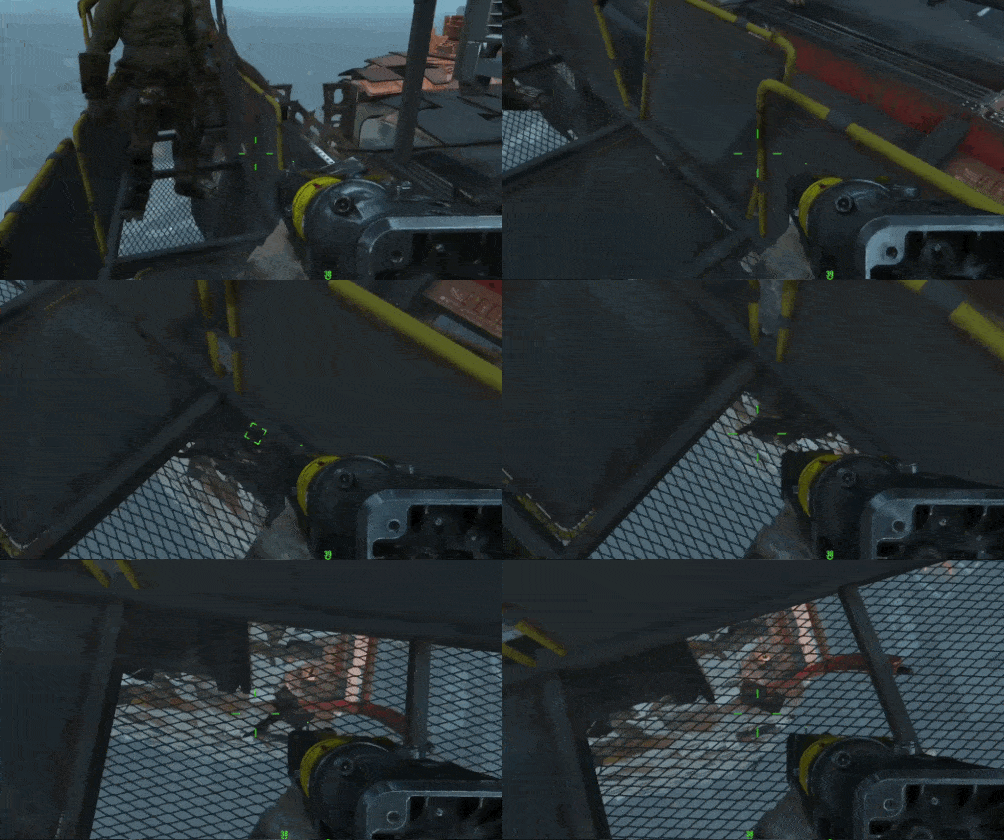
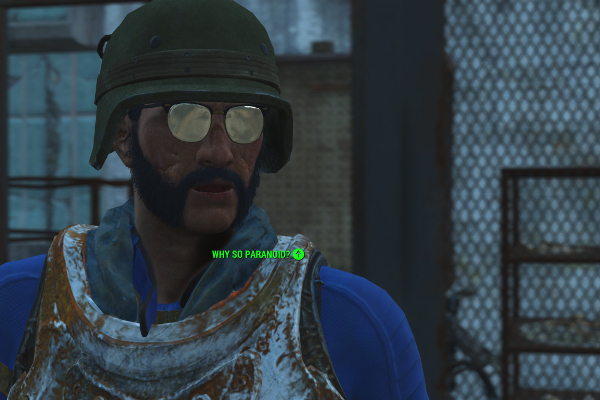
It's hard to look at Bethesda's latest near-masterpiece and not think back on what could have been, had they not elected to continue using the already unstable Creation engine. Originally made for Skyrim, that game was remembered just as much for its 'Bethesda jank' as it was impressive dragon-filled skies and treasure-filled caves. Come the time for Fallout 4 to enter development, Bethesda weren't about to discard all the hard work they'd put in, and so this leap to the next generation of console hardware was built on an outdated model. The results were obvious, as although Fallout 4 is still a masterpiece of interlocking systems like loot and item/weapon progression, basic animation for yourself and especially the NPCs around you is stilted as hell. Faces animate to varying degrees of fidelity depending on their importance to the story, and aside from the shooting mechanics which were tightened up with the help of Doom devs iD Software, it's a very similar-feeling product to both Fallout 3 and New Vegas. There's plenty to celebrate within Fallout 4, but just imagine everything it completely nails, bolstered by a game engine as polished as something like Metal Gear Solid V... it would've been spectacular. What big-budget or highly-reputable game from this year managed to get one thing wrong? Let us know in the comments!

Gaming Editor
Gaming Editor

WhatCulture's Head of Gaming.