10 Prolific Video Games Kids Today Will Never Play

Is anyone really going to seek out something like Shenmue?
Kids today don€™t know how lucky they are when it comes to gaming. Gone are the days when a system€™s limitations played an enormous part in what a title would look and play like, instead the current generation get to experience a phenomenal level of game design and graphical quality that far exceeds anything that the consoles of yore were capable of. Over these years many a legendary game has come and gone on some systems that are no longer readily available. Some of these titles genuinely defined childhoods, others revolutionised gaming and introduced mechanics and design ideologies that are commonplace today. All of them were considered amongst the cream of the crop for their day and age, but sadly, many are practically inaccessible to the current generation of gamers for one reason or another. Older gamers recognise that these classic titles played a huge part in getting us to where we are today, and relish them with the appropriate levels of nostalgia. There are likely even some kids who may decide to explore the games on this list at a push too, but unfortunately, whether it€™s through lack of availability or the simple fact that gaming has moved on to a point where these titles would feel horrendously dated and/or unplayable to those who have been raised on more recent consoles, many are destined to go unappreciated by the current and future generations of gaming youngsters.

10. Tomb Raider

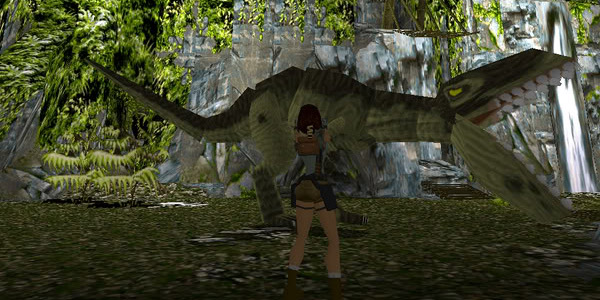
When Tomb Raider was first released on the SEGA Saturn way back in 1996 it was revolutionary, and when it arrived on the PlayStation a few months later it exploded. The game was one of the first fully 3D action-adventure titles and it laid the groundwork for practically every effort that followed during the 32-Bit era. Of course, people are more than aware of Tomb Raider in the present era. The series is still going strong and plenty of kids will have enjoyed the newer adventures of Lara Croft - some may even have been convinced to explore the back catalogue a little bit and find out what they missed. That, unfortunately, is exactly where the problem lies. As great as Tomb Raider was, it has aged terribly. The graphics in particular look stark and basic when compared to later games from the same generation, never mind those that came afterwards. Lara has the same €˜tank€™ controls that many third person adventure game characters from the era had, which are a little difficult to get to grips with for those not acquainted with them, making it almost impossible to adapt (even then) for all but the most patient of players. Frustration can turn any gamer off and with Tomb Raider the unforgiving nature of those controls is a barrier that most younger gamers just won't be willing to break through.

9. Myst

02 Myst During the late 1980s through to the early 1990s the adventure genre was in something of a boom period. LucasArts and Sierra were wowing gamers with interesting plots and fiendish puzzles and it was not at all uncommon for the average PC owner to have an adventure game or two in their collection. While Telltale has been doing a great job of revitalising the genre in recent years it is still not at the point that it was during that period. While many of the top players of the era relied on a mix of puzzles, story and humour, Myst was the high point of the genre on a visual level. It broke ground in terms of graphical presentation, which in turn led to it becoming one of the highest selling PC games of all time. Granted the game was even slower to get going than most other adventure titles, but few can deny that it did a great job of immersing players into its world and the title ended up on a bunch of other consoles as a result. Unfortunately, Myst is a game that is not in-keeping with the tastes of the younger generation. With its graphical impact lessened over time and availability being something of a factor, kids today simply won€™t be able to relish the enormity of the experience in the same way that gamers of the early 1990s were able to. In fact, it is likely that most will find the game boring and quickly move onto whatever latest shooter is doing the rounds.

8. Elite

When Elite emerged in 1984 it quickly gained a reputation as a programming marvel of the age. It could easily be argued that it was the first ever open-world title and the sheer scope of the game is still capable of baffling those who remember the consoles of the period. Elite was, at its core, a space exploration game. Managing to jam eight galaxies - each with 256 planets - into 22Kb of memory, it offered gamers something they had never really experienced before; freedom. Though rightly revered as one of the greatest games of all time, its wireframe graphics and sprawling levels of complexity would make it inaccessible to the current generation of gamers. Though the game is fairly easy to find online it simply isn€™t a title that newcomers get a handle on, nor would its complexity be appreciated by anyone raised on sprawling open-world titles that have become dedicated to streamlining the experience. A slight caveat to this entry is the existence of Elite: Dangerous, which has brought the concepts of the game into the modern age thanks to a successful Kickstarter campaign. Though it has attained positive reviews it remains to be seen if the kids of today will latch onto it in the same way as those in the 1980s did the original.

7. Wolfenstein 3D

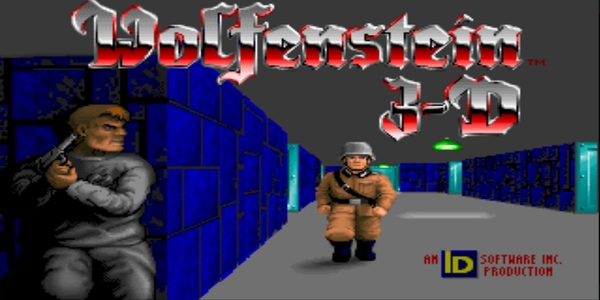
The First Person Shooter genre has come so far in recent years, and the genre as a whole is still exceptionally popular with legions of kids sharpening their skills on the latest Call of Duty or Battlefield. For many of this generation the origins of the genre would be practically inconceivable - unless they saw it for themselves. Those who played it at the time know how revolutionary Wolfenstein 3D was. The title popularised an entire genre and paved the way for the likes of Doom and Quake, which in turn set the standards for FPS games that would follow. It was violent to a level that was still quite rare at the time and the graphics blew most contemporaries out of the water. Obviously the genre has evolved massively since those early days, meaning that kids today would simply not be able to enjoy Wolfenstein 3D as they should. The game has aged as you would expect, but the real issue is that the FPS games are now so prevalent that the 'shock' of seeing a game like this working at all no longer exists. Even though the core mechanics would still be familiar to anybody picking it up for the first time, younger gamers would still be turned off by the primitive AI and the fact that they have seen it all done a million times already on the current generation of consoles.

6. Tetris

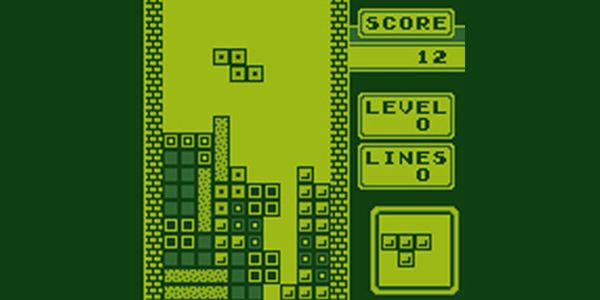
While it would be a stretch to claim that Tetris is difficult to get hold of in the modern era, the fact remains that it simply isn€™t appreciated by the modern generation as it was when it first made an appearance. At its peak Tetris was sold alongside every Game Boy and millions of kids whiled away the hours trying to match up as many falling blocks as they could. It has become one of the most famous videogames of all time and has put in an appearance on practically every console known to man at one point or another. It is partly this ubiquitous nature that ironically leads to kids failing to appreciate it - everybody knows what Tetris is, whether they have played it or not. For a younger generation, knowing about it is often enough, and right now it just doesn't mesh with the current gaming trends. The puzzle genre as a whole has fallen since the era when Tetris was king. Today, games of this nature are more readily found on Facebook than anywhere else, with titles like Tetris easily lost amongst the myriad of puzzle games constantly bugging people to spend time on them. All of this makes it hard for younger generations to see its importance or quality, regardless of a fantastic level of accessibility that's remained throughout.

5. Goldeneye 007

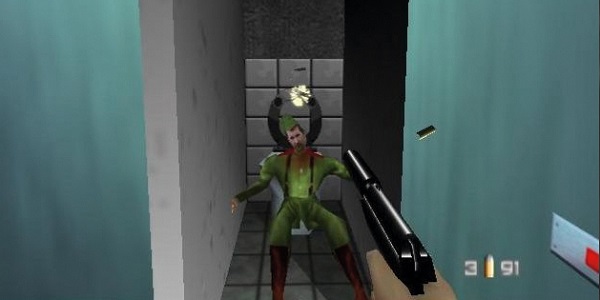
Where Wolfenstein was a watershed moment for the FPS genre when it came to acceptance from the masses, Goldeneye was one of the first to really make use of a good narrative that was integrated into the core gameplay mechanics. It is often lauded as one of the best games of all time and it was an essential purchase for anybody who owned a Nintendo 64 in the late 1990s. Though Activision have attempted to bring a rebooted version of the game to the market in recent years, their effort was little more than a cash grab that exhibited little of the charm that made the N64 title so popular. The existence of Activision's version of the game could put youngsters off from sampling the original, but there are a number of other issues that could dissuade the current generation. For one, Goldeneye 007 is still not available as a downloadable game on any service, which means players that want to experience it will need to get themselves an N64 and the original cart. Should a kid manage to do that, it wouldn€™t be long before they switched back to something more modern. The simple fact of the matter is that Goldeneye has dated horrendously since its heyday, particularly in regards to the way it plays. Graphics can be forgiven but in an era where two analogue sticks or a mouse and keyboard setup are the norm, using a single analogue stick and the C-buttons just wouldn€™t cut it with the current generation.

4. Final Fantasy VII

Before Final Fantasy VII Japanese RPGs were something of a niche genre, at least in the UK, but with the seventh in the series everything changed. The game was enormously popular, so much so that there is still an enormous clamour from the fanbase to have the entire thing remade for a current generation. While Final Fantasy is still a popular IP, the traditional Japanese RPG genre has fallen back into that niche territory since those days of unbridled popularity. Many modern RPGs have seen fit to evolve the basic formula in an effort to suit Western tastes and compete with the rise of that style of RPG. Even the Final Fantasy series itself is not immune to this changing tide, with the more recent iterations often drawing the ire of older fans.. With gaming evolving past the slow, turn-based battle mechanics of older FFs and storytelling across other genres becoming even more complex, the game is no longer rare in the sense that it provides a long and interesting narrative, meaning there's even less reason for the kids of today to choose it over any number of modern games that offer a great story combined with more modern gameplay. That, and the blocky graphics were dated by the time Final Fantasy VIII had arrived on the scene at the time, never mind being laughable today.

3. The Legend Of Zelda: Ocarina Of Time
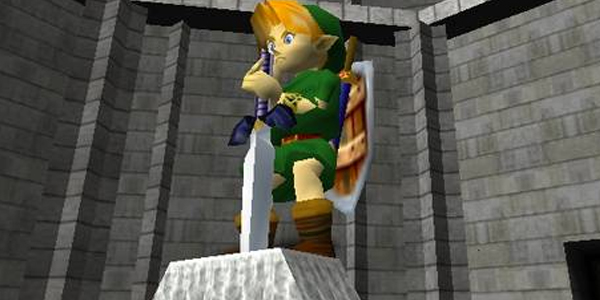
Ocarina of Time is one of the most important titles in the history of gaming. It brought one of Nintendo€™s most beloved series into the 3D realm and it offered gamers a world that was richer and more vibrant than practically anything that had come before it. Plenty of love for the game still exists, which is why the release of a 3D version was so heavily hyped, however since those first steps into Hyrule were taken by millions back in 1998 there have been a bunch more Zelda games. While their individual merits could be argued until the cows come home, that alone makes for a slew of newer titles far more likely to get played instead. Even with the game being available on both the 3DS and via the Virtual Console, the fact is that what made Zelda so special in 1998 is now commonplace. Expansive gaming worlds are everywhere and the core gameplay mechanics have been refined by the games that followed. As great as Ocarina of Time is, the majority of younger gamers simply won€™t recognise its influence on the titles of today, instead seeing it as a dated effort that doesn€™t offer anything different from many a modern adventure title.

2. Deus Ex

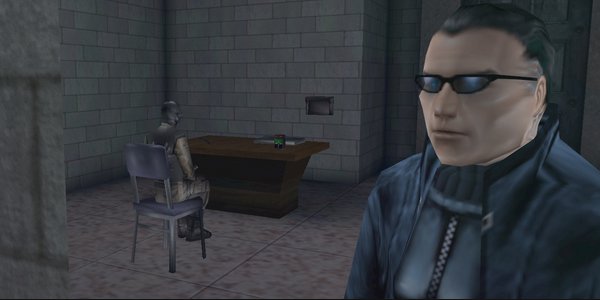
Deus Ex was - and still is - one of the greatest games ever. It managed to meld the First Person Shooter genre with RPG mechanics to create a gaming experience that was quite unlike anything else available at the time. Add in a complex storyline that could branch in any number of directions based on your actions and the ability to solve the majority of problems in a variety of ways and you have the recipe for a classic. If that description sounds familiar to younger readers, it would be because branching narratives, versatile problem solving and FPS games mixed with RPG mechanics are commonplace today. The newer Fallout games offer one such example and there is even Deus Ex: Human Revolution that has continued the legacy of the series, easily being more likely to capture the attention of any younger gamer today. The fairly dated graphics and slightly clunky shooting mechanics are two other factors that would dissuade gamers of the current generation but, like with a few other games on this list, perhaps the main the reason that Deus Ex is ignored by kids today is that much of what it innovated or popularised has become commonplace. Modern game design is at a point where there is little to offer that hasn't been seen before, and especially when we're all focussed on newer consoles it's almost impossible to imagine someone going back to something like this.

1. Shenmue

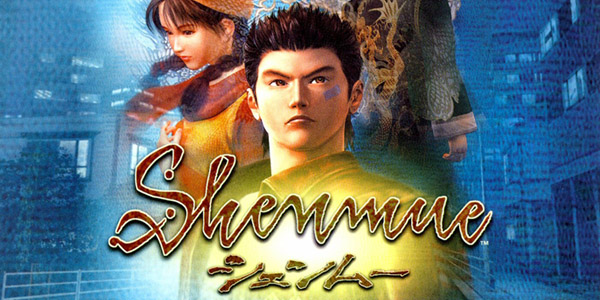
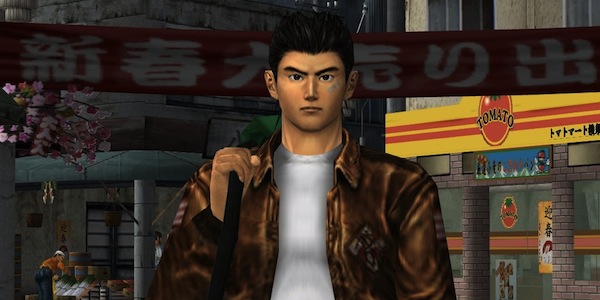
The Shenmue games have a rabid following now, but at their peak they never quite attained the popularity that they deserved, hampering the franchise going forward. The titles were amongst the first to create a world that felt and looked €œreal€, producing one of the most immersive experiences around when it was released - you'd be hard pressed to find anyone who wasn't wowed by the quality of the graphics and level of detail featured throughout. The title also helped to spawn the free-roaming game style that we know today in addition to popularising Quick Time Events, otherwise known as the €˜Press A to not die€™ events that many modern games ram into their cutscenes. Like others on this list Shenmue was an innovator and a trailblazer. However, it is not the year 2000 anymore and the things that made Shenmue so fresh back then are now implemented as standard in so many titles today. Even with that said, the game has plenty to offer anyone thanks to graphics that still look great, an excellent combat system and an engrossing story. However, the barriers for entry are twofold, one anyone who wants to sample its delights will need to get their hands on a Dreamcast and a copy of the game - which goes for a fairly high price in the current market - and furthermore the game just didn€™t attain the level of popularity it deserved making it very harder to ascertain a copy at all. Which other classic or influential titles are very much a 'place-in-time' type deal when it comes to their appeal? Let us know in the comments and join the Facebook page for more!

Contributor

Lee Price is a writer for 411mania.com and Starburst Magazine, which is published in the UK. He is currently working as a freelance writer. He hopes to one day fund his addiction to video games by writing about video games, and he maintains a sporadically updated blog at leesrandombulls*it.wordpress.com