10 Most Disappointing Video Games Of The GENERATION
The ups and downs of the generation that give us whiplash.

With the close of 2020 comes the end of a console generation - one that's seen more ups and downs than the usual rollout of systems, and one where top-tier studios indulged in consumer-abusing practices more than ever.
The last seven years saw the embracement of microtransactions in home console gaming; the notion of dropping £60 on a new title only being your entry fee, with rollouts of cosmetics, weapons and items coming with extra price tags.
We've seen countless IPs and formerly beloved developers wither away or bide their time in markedly hands off fashion, too. While Rockstar turned all their attention towards GTA Online - their only release being Red Dead Redemption 2 - we've seen the death of Konami as a respectable creator. Bethesda's patchwork charms turned into genuinely unfinished products, and EA fast-became everybody's favourite entity to hate after mishandling both Mass Effect and Star Wars.
In all honesty there are TONS of awesome things that came out of the eighth generation too, but boy was it a bumpy road along the way.
10. Anthem

If we're talking disappointments, we have to factor in how much potential something had; how excited people were in the run-up to launch, and what the final product actually was.
In Anthem's case, yes this was the next IP from Bioware, but it was a Bioware that had been notably misfiring for the entire decade.
Where Dragon Age Inquisition was solid enough - if not terribly paced - Mass Effect 3 delivered a notably divisive ending, and Mass Effect Andromeda was a total laughing stock. VERY few people actively believed Anthem would turn that spiralling momentum around, and the game we got was every bit the corporate cash cow wannabe nobody wanted.
EA and Bioware have vowed to reboot Anthem going forward, but at this stage it feels like the servers are only online through sheer denial, because the writing was on the wall from day one.
9. Watch Dogs

2014 feels like a lifetime ago, but Watch Dogs was the first major title we were all pinning our next-gen hopes on, only for launch to be a total disaster.
Watch Dogs practically invented the term "downgrade" after we got eyes on the retail version versus that we were sold at E3 beforehand, and things got even worse immediately after. Players on PC realised they could turn various features back on to restore Watch Dogs' visuals to something resembling the promotional footage, confirming the PS4 and Xbox One were notably underpowered compared to what developers were aiming for.
Watch Dogs itself was a solid enough open-world game with a neat hacking mechanic, but it would take Watch Dogs 2 to actually deliver on that potential. Even today I don't feel like Watch Dogs is the Assassin's Creed successor Ubisoft pegged it as, and that's a huge missed opportunity.
8. Mass Effect Andromeda
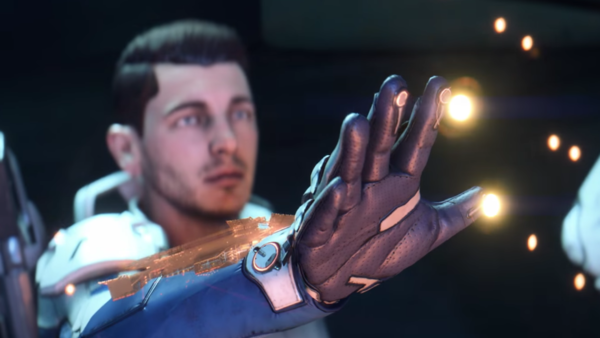
Back to Bioware, as again it was hard to truly believe Andromeda was going to be anything remarkable after the promising Shadow Realms was cancelled, and the devs seemed allergic to showing anything off.
We'd later find this was down to Andromeda practically being on fire during its entire development; the initial No Man's Sky-style project goal of a larger interactive galaxy being slowly sliced to pieces until it resembled what we got.
That first glimpse of gameplay came from the The Game Awards 2016, and immediately the reality set in that this needed WAY more time in the oven. Facial animations were hilariously bad, but that was nothing compared to the pre-launch "exclusive access" window of Andromeda's first 10 hours, where all hell broke loose.
The gifs were everywhere, but this was just the tip of the iceberg. Bioware's Montreal studio should be commended for getting the game shipped, but it was clear Andromeda was a product of corporate necessity; capitalising on various deluxe editions promising content that never came, and a title pushed out the door with multiplayer microtransactions prioritised, to cash in no matter what.
7. Tony Hawk's Pro Skater 5

It's hard - now that we've had the immaculate Pro Skater 1 & 2 remakes - to remember just what a state the brand was in beforehand, but Tony Hawk's Pro Skater 5 is simply an insult to its own franchise name.
Genuinely farted out to meet a contractual deadline rather than given any care and attention overall, this was evident the SECOND you got hands-on. Pro Skater 5 simply handled like hell; its new "innovative" slam animation doubling as the grind button, meaning you bailed more times than not just trying to link anything together.
Graphics were decidedly last gen, with mission goals on bland levels revolving entirely around collectibles.
This was just embarrassing; emblematic of the worst parts of triple-A game development. Take a notable IP with a hungry fanbase, cash in and move on.
6. Assassin's Creed Unity

The original laughing stock, Assassin's Creed: Unity followed up Watch Dogs as Ubisoft's twin justification for their "Next generation starts here" marketing spiel, only for it to be hilariously broken.
From faces disappearing in cutscenes to main-man Arno Dorian hanging in mid-air while you try to chase a target, Unity's file size had to be completely replaced on Xbox One - to the tune of 50GB - just to get it stable.
It feels like a distant dream now, but this was supposed to be the debut of Assassin's Creed on next-gen. Granted, the environmental design and art department work is second to none - you really can take a virtual tour through Revolution-era France - but every last part of gameplay was woefully undercooked.
5. Mighty No. 9

As we found across the generation, fan-funding can be a mighty poisonous double-edged sword.
On the one hand you've got titles that deliver exactly what they set out to do, like Bloodstained: Ritual of the Night, but on the other are the Godus' of this world, or more disastrously, the Mighty No. 9s.
Assembled as a spiritual successor to Mega Man - because Keiji Inafune couldn't get Capcom to green light an official sequel - Mighty No. 9 hoovered up $3.8 million to deliver this "dream project", only to then spend the money in all the wrong places.
See, No. 9's original project goal was based around acquiring $900,000. When over four times that amount came in, Inti Creates began working on WAY too many versions of the game at once. They added features nobody wanted, and stretched themselves way too thin, resulting in a title that looked like a cheap knockoff to the main brand, rather than a loving continuation.
4. Star Wars Battlefront
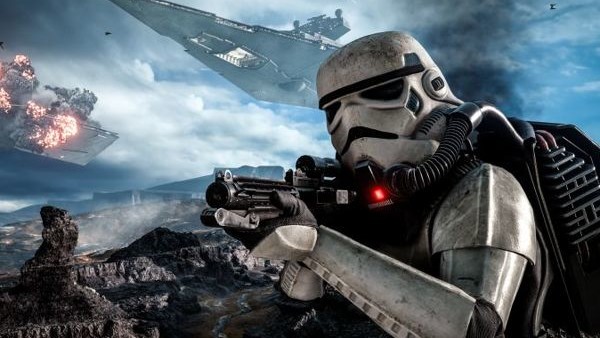
Yes, we can look at the disastrous Battlefield 2 as one of the worst-received titles in quite some time, but it was 2015's half-arsed effort that set expectations low in the first place.
See, in 2015, Star Wars was coming back. EA had acquired the rights for Star Wars video games two years prior, and with an unprecedented amount of hype surrounding The Force Awakens, come hell or high water they were going to have something for you to play that Christmas.
Whilst Battlefront looked absolutely stunning - as is the case with DICE and their Frostbite engine - it was clear corners were cut at every opportunity. There was no campaign, weapon selections and overall animation variety was lacking. Modes like Walker Assault felt unbalanced, and for what we were paying, Battlefront had very little content to justify a premium price tag.
Again, like always the "fix" was to move onto a sequel, meaning this "return instalment" was quickly forgotten about.
3. Fallout 76

Fallout 76 wasn't disappointing because we had massively high expectations for it as an individual game, but more for how Bethesda would surely pull their act together after Fallout 4.
Whilst that game is divisive at best, it showed to fans and detractors alike that the studio's insistence on using the same outdated tech over and over, was going to hit breaking point eventually.
Fallout 76 is every bit that breaking point, in mission statement to final product; its inexcusably broken launch state to the whirlwind of consumer-abusing insanity that became its pre-order bonuses and monthly rollouts.
All the while the microtransaction storefront was functional - as it always is in every broken game - but playing Fallout 76 felt like an alpha for something that never came.
Storage chest glitches wiped out entire inventories overnight, the most loyal fans were lied to about which version of a deluxe edition bag they'd be getting, and all-round there was an air of being thoroughly disappointed. In Fallout 76, sure - this was coming after Fallout 3 and New Vegas were received with open arms - but in Bethesda too, for falling quite so far.
2. Destiny

Never before has a game so half-baked; so disastrously handled during development and so thoroughly deflating... still gone on to influence an entire wing of the triple-A market.
Yes, we can point to Overwatch as popularising loot boxes in 2016, but it was Destiny's attempt to mesh MMO game design with a set of enjoyable gameplay mechanics, that everybody from Agents of Mayhem to The Avengers totally ran with.
Still, Destiny 1 was such a monumental cockup, you had to convince yourself it was fun to play. The sort of game where the fanbase itself admitted they have an addiction problem, and average playtime across those who stuck around was a whopping 500 hours per person.
Yes, Bungie's immaculate shooting kept us glued to the screen, but because of Activision's "10 year plan" for the IP, at some point Bungie had to abandon stapling this together and move onto Destiny 2.
1. No Man's Sky

I will stress all day long that personally I always loved No Man's Sky, and what Hello Games have turned it into is nothing short of remarkable.
However, this is single-handedly the most misled and disappointed a mass audience was, across the entire generation.
The fake tech demos showing features that weren't coded yet. The runaway hype that pretended this indie game being developed by 13 people could somehow be a Star Citizen - every part of the lead-up to No Man's Sky seems destined to fail in retrospect, and yet we all went along with it.
Creative Director Sean Murray has obviously been dragged for getting FAR too carried away with what the game was going to be, versus the reality of development, but his comments factor massively into how disappointed people felt.
Big talking points like two players finding each other happened on day one, only there were no character models or recognition on the game side to acknowledge what was happening. Immediately the lie of No Man's Sky was unravelling, and what followed was a year of radio silence from Hello Games, while the industry reckoned with both its own hype cycle machinations, and the reality of what was sold.
Four years on, Hello Games have completely overhauled No Man's Sky, turning it into one of the most unique and enjoyable sci-fi survival games of all time. It's a testament to perhaps the only good thing to come out of all this: That if your core idea is good enough and people want it to succeed, genuinely flawed ambition can turn into true brilliance.
Still, here's hoping the next generation of consoles doesn't repeat the mistakes of the past.