10 Impactful Ways Hardcore Fans Ruin Video Games
They couldn't even let Mass Effect 3 end properly.
If you are a gamer, you have an unprecedented amount of influence over your hobby of choice. Sure, it might seem that developers are living in their own little world and at times are actively trying to annoy you, or go against the wishes of the majority of the audience take, for example, the wholly unsatisfactory ending to Mass Effect 3, which caused widespread internet outrage but really, they'd do anything to please you take, for example, BioWare's scrabbling to put out a new, better ending to Mass Effect 3. The internet has rallied fandoms like no convention or zine culture has ever managed before, and its influence is being felt in comic books (which are becoming more diverse and less sexist by increments), TV (Steven Moffat seems to run Doctor Who on the whims of his fans, and The Legend Of Korra recently made an audience-originated romantic pairing canon in the series finale). But nowhere is that audience or influence stronger than in video games. Despite having more in common with the movie industry in terms of huge budgets, dreams being crushed and profits wrought, video games are entirely beholden to fans. That's why they push to release stuff on the date set, even if it's not finished (unless it's Duke Nukem), why DLC artificially extends lifespans - and why careers are made or broken on Metacritic scores. That sounds like utopian vision of democracy, where the walls of capitalism are broken down so that creators and audience can converse on a level playing field and influence can go both ways, rather than gamers being as passive as moviegoers or book readers. In reality, it's a little more complex. Here are ten ways that fans ruin video games.
10. Expectations Can Never Be Met

9. Resisting Criticism
8. Forcing Out Voices They Don't Like
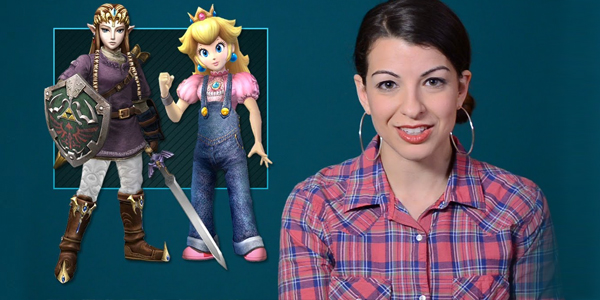
The resistance of criticism and considered (and even not-so-considered) critique has the same cumulative effect that forcing out the voices that bring them up does. The GamerGate campaign means that there are dozens, if not hundreds, of mostly women in the games industry developers, designers, journalists, fans who have been scared off of the entire form, because it's not worth all the rape threats and bomb scares called into public appearances. What happens when you have an art form that nobody critiques? It becomes stagnant and, honestly, boring. Without a wide and diverse base of people making and talking about games, you create a sort of echo chamber which ensures no new ideas ever come through, and the gaming industry becomes endless sequels and copies of Call Of Duty and Watch Dogs. Besides being a horrible, nasty and just plain bad thing to do to specific people, by ignoring the voices of anyone who isn't a triple A studio fronted by some macho dudes who like shooting things means that you're limiting games. It means that new developments and breakthroughs have less chance of happening, and that's the fault of the audience.7. Sales Can Make Or Break Careers
6. Fans Don't Forgive, And They Don't Forget

5. Sycophancy Is Just As Damaging
On the other hand, it's equally as unhelpful for fans to just accept everything that gets shoved down their greedy throats. Whilst there are many who will jump on a perceived slight either from an individual or by taking a less-than-great title way too personally and boycott a developer into the ground, there is equally the side of gaming fandom which uncritically buys every single Grand Theft Auto or Call Of Duty sequel and demands it be called art. It's another form of voting with their wallets, and it has the same effect of eventually making every single game into either a grimy, grey, post-apocalyptic first-person-shooter or the latest FIFA update. The GTA franchise is a good example: a lot of the actual mechanics still suck, the stories are awful, and the level of humour in them is twelve-year old trying to remember a South Park bit. And yet Rockstar doesn't change any of these obvious problems, because people keep buying their titles without complaint, and it receives across the board positive reviews. And if it doesn't, the fans are more than ready to silence those critics and voluntarily, too. Never pointing out flaws, even to be constructively critical, means that you get inferior products.4. They Don't Allow For Nuance

3. The Narrow Definition Of Game
2. They Don't Understand Games Development

1. Everyone Is Scared Of Them
