10 Bullsh*t Video Game Mechanics You Had To Go With
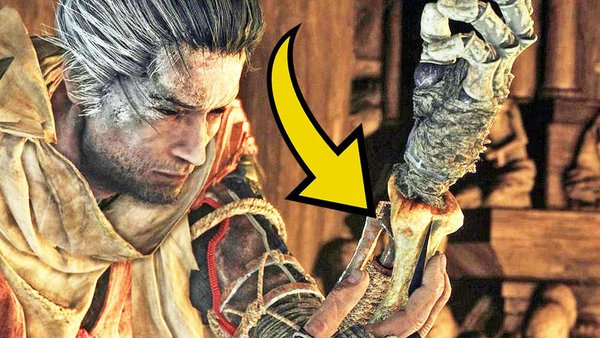
Sekiro's Dragonrot was one step too far.
If you're reading this, I'm going to assume that you at least consider yourself a regular game-player, and have played a fair few titles in your time. You know your hitboxes from your jump-dashes, your blind boxes from your premium currencies, and your over-encumbrances from your fast-travel spawn points.
Point being, you understand the shared language of gaming, and within it are many comments spoken as to the various things developers have gotten wrong over the years, when crafting the genres, mechanics, characters and gameplay styles we now all know and love.
It's easy to forget that console multiplayer has only been a thing for less than 20 years; that genre titans like Apex Legends and Fortnite are just children, and that from fans to creators, we're all striving to experience that "perfect" game that gets everything just right.
The following then, range from awkward design experiments to bugbears and bygone tropes that for some reason, just won't die. We've all experienced them, we all hate them, but yet they persist.
10. One Person Detects You? EVERYONE Knows - Cyberpunk 2077

A problem borne from the stealth genre... that Metal Gear Solid 2 actually fixed way back in 2001, was the notion of an entire bank of enemies knowing your exact position, the second only one of them finds out.
Annoyingly, even Metal Gear would ditch this in MGS 3, but over the years everything from Assassin's Creed to Fable, Splinter Cell to Cyberpunk 2077 has seen entire bases go on alert, just because you brushed up against one enemy too closely.
Even worse is not knowing how much noise you're making, inevitably triggering an NPC to whirl round on the spot, point an invisible finger and call the cavalry within seconds.
9. Inaccurate Percentages - XCOM
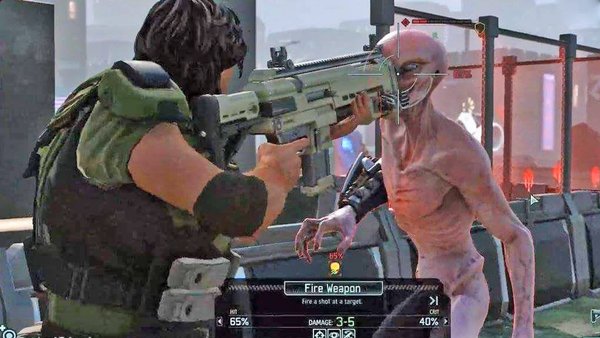
Okay, why even have percentage-based actions in games, if there's no consistency in their supposed execution?
That's a flowery way to say that if I'm pushing a rifle into an alien's face and the shot's likelihood is 90%, I'm kinda gonna lose all hope if it doesn't connect.
Over the years, XCOM has become synonymous with this huge disparity between visuals and action, leading to fans thinking "Screw it, why not!" when faced with both 5% chances and 95%.
Ultimately, XCOM - and more recently, Disco Elysium's - percentage-chance exchanges are either going to work or not, so maybe it's easier to just think of them as 50/50 coin flips?
8. Slot Machine Loot Boxes - Need For Speed: Payback
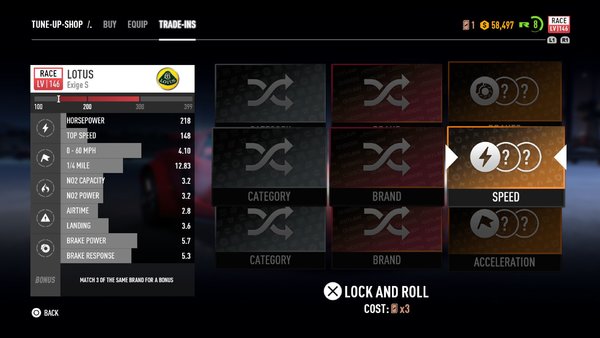
Microtransactions are somewhat infuriatingly, here to stay. When done well they're a way to support a dedicated workforce keeping servers online, managing digital storefronts and tweaking the balance of competitive multiplayer.
When they're outright ridiculous though, is the likes of Need for Speed: Payback or NBA 2K20, where money-grubby publishers thought the best way to address the increasing pressure around loot boxes and gambling, was to make in-game casinos.
In both these titles your upgrade paths are resigned to literal slot machines. Slot machines powered by coins acquired from microtransactions.
Thankfully the backlash was immense and on the NFS side, Payback tanked, with the response to both these implementations being nothing but disgust.
7. Over-Encumbrance - Fallout & Elder Scrolls

Speaking of disgust, how many times have you been dissuaded from doing another side mission or exploring more of an RPG's open world, because you simply won't be able to carry whatever you find?
At this stage - with "over-encumbrance" being rife across Fallout, Elder Scrolls and The Witcher 3 - I'd wager everyone who's spent any time in these games has felt the sting of having to leave something behind.
Now, some titles try to mitigate the damage, giving you a horse or companion to share an inventory with, but why can't we - in a fantasy game with dragons and magic spells - cast something that would transport our gear home, or to a custom location?
Every time the reason given for enforcing over-encumbrance is that it would make a game "less realistic", yet in Skyrim you're free to resurrect a chicken to help you fight a giant with a club and its pet woolly mammoth whenever you like.
6. A Broken Enemy Detection System - Splinter Cell: Pandora Tomorrow

Another awkward growing pain of the stealth genre - how to make sure you're playing efficiently, and not just leaving bodies everywhere in your pursuit of the next quest marker?
Well, the otherwise solid and recommendable Splinter Cell sequel, Pandora Tomorrow, had an idea... and it can often make you restart entire missions.
See, Splinter Cell has a light meter, and as a way to - in theory - make sure you were hiding bodies effectively, Pandora Tomorrow does a background check on unconscious enemy placement and the location of the darkest areas in the level, then raises the alarm if the two don't line up.
The huge problem, is you could've stuffed a guy down an alleyway where no one would find him, maybe launch someone off the side of a cliff or drown them in a river - things the scan couldn't account for, and all things that still give you a red mark.
Three checks and it was back to the beginning - something that when the game does this process in between checkpoints, means you could end up with a broken save where the only recourse is to try again.
5. Escort NPC Walk Speeds - Jak 2, Shadow Of War, The Witcher 2
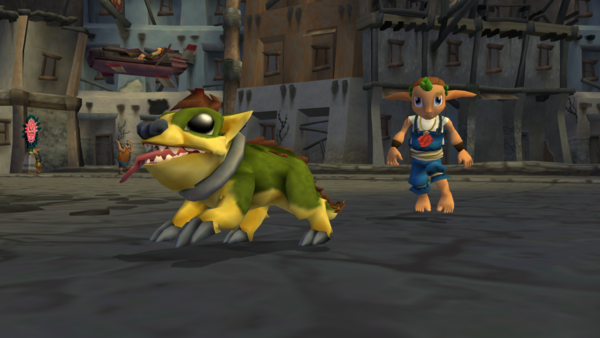
Now I'm not talking about escort missions in general here, oh no. No, there's something way more pernickety that we've all experienced, that literally only Ghost of Tsushima actually got right:
I'm talking about NPC walk speeds, and the annoying reality of coding an escort or follow-able character with a speed that's faster than your default walk, but slower than your default run.
It results in edging forward, bit by bit, trying to maintain pace with the character in question but forever looking just that bit too awkward.
Again, only Ghost of Tsushima comes to mind as a recent title that fixed such an age-old issue, having characters match YOUR speed instead, and even mounting horses to keep up if need be.
4. Difficulty Scaling In Loot Shooters - Destiny, Outriders, The Division

Over the years, difficulty has come in many forms. We've had increases in the number of enemies on screen if you go higher, maybe more aggressive A.I. or methods of flanking you in a shooter that aren't present on "Easy" or "Medium".
At the absolute bottom of the rung, though, is every looter-shooter's idea of challenge - the idea of making it so random projectiles and base attacks can now one-shot you, as every enemy does 10x the damage.
You'll hear optional raids and bosses referred to as "challenging", but they all end up going down the same way: You deploy a tactical, game mechanics-based approach... but the enemy kills you in seconds, simply because their level is that much higher.
They didn't outsmart you, you weren't playing badly... you just hadn't put enough time in to grind out the numbers governing attack and defence.
3. Dying Too Much Auto-Deletes Your Save - Hellblade: Senua's Sacrifice

Possibly the mechanic that stopped more people checking out Hellblade in the first place, the bizarrely advertised - and not actually true - idea, that the game would delete your entire save file if you died too much.
Tying into Hellblade's powerful, emotional depiction of psychosis and the titular Senua slowly being consumed by demons both literal and personal, an oily black mass would engulf more of her arm, every time you died.
It took until launch for the truth to come out though - that despite what Ninja Theory had been saying about the notion of Senua losing it all if you couldn't play well enough - it wasn't true.
Still, those who missed the memo spent far too much of Hellblade in constant fear they were going to lose it all, when clearer marketing would've benefited everyone.
2. One Thing At A Time - Animal Crossing: New Horizons

Considering how ludicrously popular Animal Crossing: New Horizons is; how many sales records it smashed and how it was the game keeping spirits high across 2020... we've all kinda forgiven just how outdated a lot of its controls and mechanics feel.
I'm talking about the fact you have unlock an item select wheel, how you can only craft one thing at a time. How weapons break after an amount of hits you can't see. How you have to button through repeat dialogue interactions with the likes of Blathers or Orville every.single.time.
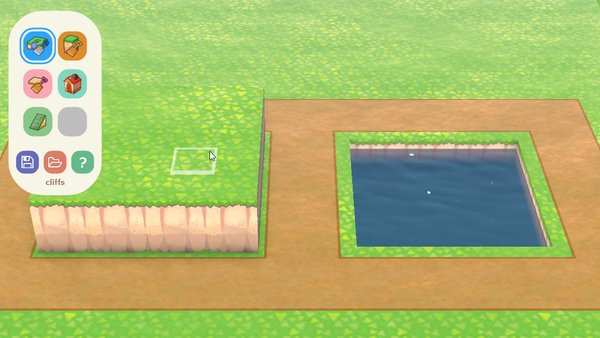
The worst thing though - and it's quadruply so, because it takes so long to actually unlock - is the "Island Designer" app i.e. how you terraform your island to remix pieces of land, inclines, declines and bodies of water.
Put simply, it sucks. There's no wider aerial view whatsoever, so instead you're stuck interacting - one square at a time - with what's right in front of you, slowly, oh-so slowly, carving your island into what you want.
Laying down a path? Making a mountainside or steep decline? They take afternoons of manoeuvring your villager around this invisible grid, committing to and deleting your progress every few minutes.
Why Nintendo hasn't deployed a far more robust customisation suite I'll never know, as the wider fandom is now using a homemade version from developers Rob Fichman and Carmela Diaz, just to get an idea of what they're aiming towards.
Just look how much better this is!
1. Dragonrot - Sekiro: Shadows Die Twice
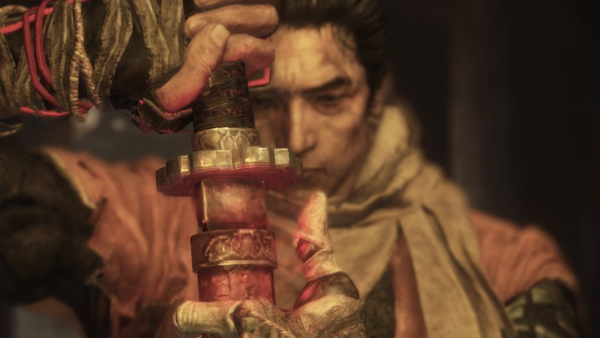
The video game equivalent of someone laughing at you while on a "Game Over" screen, Sekiro's "Dragonrot mechanic" is similar to Hellblade's "arm rot", but has a more demonstrable effect on in-game NPCs.
Namely, they'll slowly disappear from their positions if you repeatedly die, bringing about the horrific realisation that you can't complete certain quests, talk or acquire items if you can't beat an enemy or boss. Obviously you'll be struggling to do this anyway, as Sekiro is easily FromSoftware's most demanding game when it comes to sheer hand-eye coordination and reaction times.
Thankfully there are eventually ways to mitigate Dragonrot, but they came after scores of players were restarting, thinking they'd doomed their saves altogether. When so much of Shadows Die Twice is already mashing you into a fine paste, dealing with this on top was too much.