Widows Review: 6 Ups & 3 Downs
Another intense winner from Steve McQueen.

The latest film from 12 Years A Slave director Steve McQueen is in UK cinemas now - ahead of its state-side release on November 16 - and the early consensus is that it's another impressive effort from the acclaimed filmmaker with sure-fire awards potential.
Though it makes a number of disappointing detours - almost exclusively in the scripting department - Widows is an undeniably pulsing feat of sublime direction and performance.
While unlikely to see McQueen repeat his previous Oscar success, his execution is about as strong as you could expect from his screenplay co-written with Gillian Flynn.
With one of the year's most stacked casts, a ton of pulse-pounding suspense and a healthy dose of unexpected satire, this is an intriguing compromise between genre and "art-house" filmmaking, even if it can't always reconcile the two.
Simply, if you're craving an extremely up-market presentation of middle-brow material, look no further. Sure to be one of the year's least-pretentious awards contenders, Widows is electrifying, enthralling and sometimes infuriating also...
Downs...
3. The Disappointingly Generic Plot

Widows is sure to earn many comparisons to David Fincher's Gone Girl, primarily because both films were written by Gillian Flynn (in this case with McQueen), who also wrote the Gone Girl novel.
Both Fincher's movie and this one are frustrating in the sense that, if you strip away the A+ director and cast, the script and narrative are honestly pretty uninspired.
Though the marketing suggested that Widows would be a subversive, feminist spin on the heist movie formula, it's surprising just how straight-up generic and workmanlike the film's plotting really is.
From the character drama surrounding the three focal women to the various B-plots running through the film and the execution of the climactic heist itself, without Steve McQueen and a top-drawer cast it'd be incredibly easy for this film to have turned out a totally average thriller.
It's hard to shake the feeling that Flynn really lucked out convincing both Fincher and McQueen to helm her scripts, because while they have an obvious mainstream appeal, they also tend to feel a bit rote and lacking in nuance.
2. Hans Zimmer's Surprisingly Dull Score
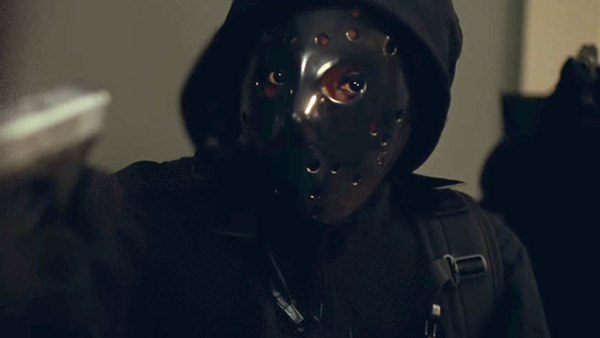
If you watch this movie unaware that it was scored by Hans Zimmer, you'd probably assume it was scored by someone trying to produce a Zimmer knock-off.
Despite the obvious prestige appeal of a project like this, Zimmer's score is oddly low-effort when it's not low-key.
This is especially true during the movie's set-pieces, which are typically backed up a repetitive ticking sound which feels like a half-hearted knock-off of his own, far superior Dunkirk score.
Heard without any preconceptions about the identity of the composer, it genuinely sounds like someone making their best attempt to copy the style of someone like Zimmer or Cliff Martinez, but falling rather short of the mark.
Thankfully the score is employed fairly minimally and unobtrusively throughout, though a movie this epic and sprawling clearly deserved a soundscape more convincing.
1. It Gets Pretty Silly At Times
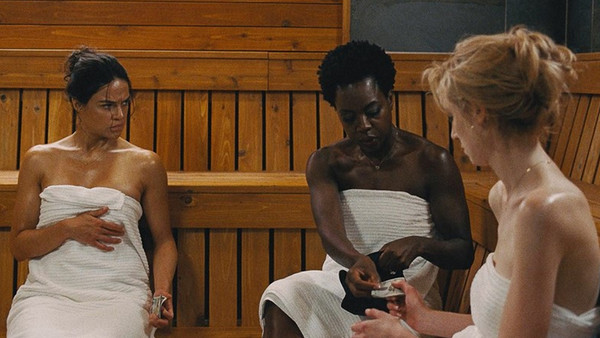
No spoilers here, but vast elements of Widows' narrative are based on fairly flimsy motivations, contrived and convoluted events taking place by happenstance, and a third-act plot twist that will surely be one step too silly for some viewers.
This is Gillian Flynn's method, of course, though she pulled off the dizzying sleights of hand far more persuasively in Gone Girl, probably because that movie's big reveal was far more compelling, and Fincher is better-versed in genre material than McQueen.
The actors of course fully commit to the material at all times, but there are some pretty inexplicable and groan-worthy moments later in the movie that wouldn't feel too out of place in a bargain basement thriller.
So, while Widows doesn't quite live up to the immense awards hype, it's still a highly entertaining movie for the most part. Here's everything McQueen and co. got right...
Ups...
6. Viola Davis' Oscar-Worthy Performance

Shocker! Viola Davis gives one of the best performances of the year here, helping to significantly elevate the movie beyond some of its more frustrating dramatic excesses.
As a bereaved woman desperate to win her freedom, her Veronica Rawlins is one of the year's most compelling and driven female characters, with Davis proving an utter force-of-nature every time she's on screen.
Though Davis will probably get pipped to the Best Actress Oscar by either Lady Gaga (A Star is Born) or Glenn Close (The Wife), there's virtually no chance she won't scoop her fourth nomination here, and rightly so.
It's definitely a shame she doesn't have more restrained material to work with, but you certainly can't fault the actress for doing her level best to class it up.
5. Steve McQueen's Incredible Direction
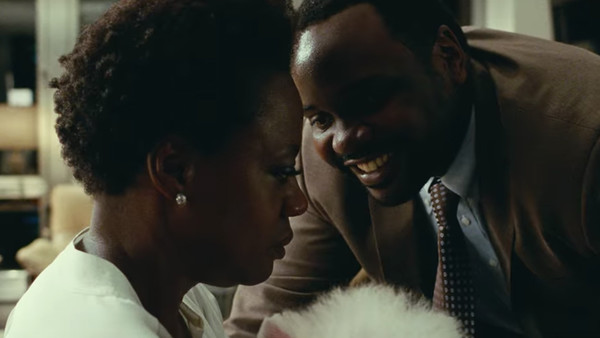
Steve McQueen is an extremely interesting choice to direct a movie like this, given the more patient, slow-moving and deliberate nature of his previous movies Hunger, Shame and 12 Years A Slave.
McQueen certainly rises to the challenge, though, bringing his art-house flair to a familiar premise and creating a number of memorable compositions sure to stick with viewers.
Surely McQueen's strongest work in the movie involves a scene in which politician Jack Mulligan (Colin Farrell) gets into his chauffeur-driven car with his assistant and goes on an extended rant about his failing campaign.
The entire scene, which goes on for several minutes, is shot in one continuous take with the camera mounted to the car as it drives around, forcing the viewer to focus on the city surroundings while simply hearing Farrell's voice. It's a fairly straight-forward flourish all things considered, but splendid in its own way.
Though McQueen is to an extent at the mercy of the material's demands, it's hard to imagine few being anything but impressed with what he brings to the table here.
4. The Excellent Ensemble Cast

Without question, Widows has one of the most spectacular casts assembled for any movie, prestige or not, of the last few years. It is an utter embarrassment of riches, and clearly, following his previous Oscar-winning effort just about everybody in Hollywood wants to work with Steve McQueen.
Every single actor brings their A-game here, from the surprisingly small appearances by Liam Neeson and Jon Bernthal as the widows' ill-fated husbands, to the sublime front-line work from Michelle Rodriguez, Elizabeth Debicki, Cynthia Erivo, Colin Farrell and Brian Tyree Henry.
Especially note-worthy beyond Davis are Daniel Kaluuya, who is absolutely terrifying as a violent enforcer for his crime boss brother (Henry), and perhaps best of all, Robert Duvall in a surprisingly meaty role as Jack Mulligan's cantankerous father Tom. At 87 years of age, it's great to see him still turning in exceptional work like this.
Of the entire cast, the only actor who really feels under-served is the amazing Carrie Coon, basically relegated to a few scattered minutes of screen time as the only widow who decides to sit-out the heist.
Otherwise, everyone has at least a few worthy scenes to do their thing and makes the most of it.
3. It's Shockingly Brutal
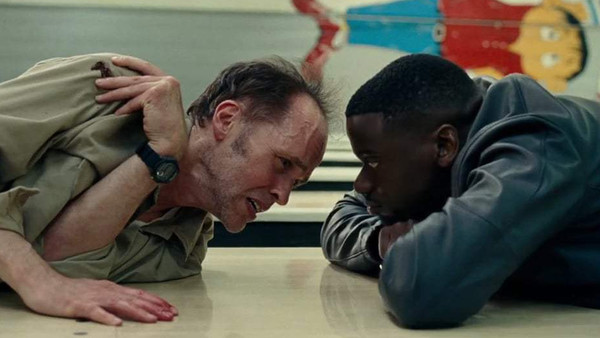
While just about every heist movie has some measure of violence, McQueen does a wonderful job keeping the blood-letting infrequent and making it all the more bracingly effective as a result.
From the savage opening death of the widows' husbands, to Kaluuya's Jatemme Manning brutally murdering and assaulting various adversaries, the violence never feel disposable or cartoonish, with a jolting grittiness that proves frequently surprising.
McQueen's no stranger to depicting stark atrocities on screen, of course, and his penchant for detached formalism serves him well here. Even when the story gets too daft for its own good, the life-threatening stakes always feel palpable.
2. The Witty, Hilarious Social Satire
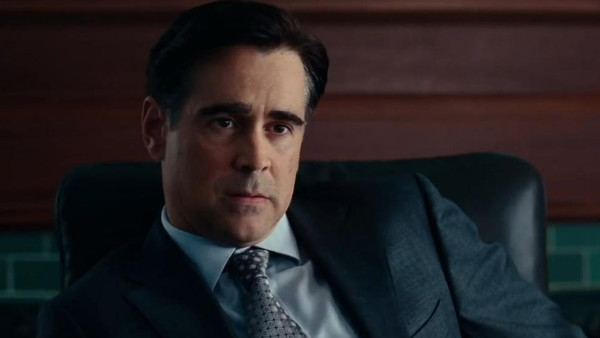
Gillian Flynn may be a little too in-love with pulpy schlock, but she does know how to write amusing satire, as she proved so brilliantly in Gone Girl and again with her script here.
Though laid on decidedly less thickly than in Fincher's film, Widows is rife with barbed, pointed and often shockingly funny social commentary regarding race, class and gender.
In the age of #MeToo there are sure to be many future think-pieces about the movie's politics, particularly that the climactic heist involves the women effectively impersonating men in order to get the job done. That's to say nothing of its angry stabs at gentrification and the difficulty involved in getting black people elected to office.
It probably would've upended the movie's tone if Flynn leaned into the humour as much as she did in Gone Girl, so her restraint in this regard is laudable, while these snarky bursts of levity nevertheless prevent the film from being too much of a maudlin downer.
1. The Fantastic Pacing & Editing
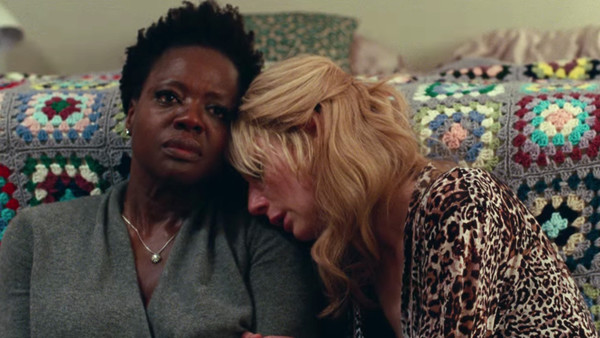
Given the sheer number of actors, characters, subplots and settings in this movie, it would've surprised nobody if Widows ended up clocking in at an epic 150 minutes-or-so, and yet, McQueen brings it in at just a pinch over two hours.
In fact, the editing is so light-footed - courtesy of McQueen's usual editor Joe Walker - that some may end up feeling that it's just too breathless for its own good.
McQueen rarely lingers on a scene for pause as he has done in all of his previous movies, and while that may disappoint some, it feels like an acceptable concession given the more populist nature of the material.
There's certainly not a boring minute in the film, and even when a scene doesn't really work, McQueen soon enough transitions us to another soapy subplot or a brilliant Viola Davis monologue.
What did you think of Widows? Shout it out in the comments!