The Marvel Villain Problem Explained
It's the MCU's most popular criticism, but is it deserved?

Nothing is ever perfect, and if there's one stumbling block that Marvel's world-conquering MCU has constantly run up against, it's their so-called "villain problem". Ever since Iron Man kicked everything off back in 2008, the studio's array of super-villains have lacked the magic of their fully-formed heroes, but why has the perception of this problem endured for a decade, and is it even right to say that there’s still an issue after Thanos and the Vulture have received so much praise?
The problem has haunted the MCU since its inception, however the specifics of the issue have shifted as the years have gone on. The antagonists featured in Phase 1, for instance, were pretty solid, at least for the first two thirds of each movie. The interplay between the likes of Thor and Loki, Stark and Stane, and even Captain America and Red Skull made for engaging drama, with the chemistry between these duos elevating the material thanks to Marvel's genius approach to casting.
The problem was, however, that most of this conflict was stripped away by the time the third act rolled around. The final third often featured a by-the-numbers punch up between the two enemies that prioritised spectacle over substance. The nuances of each antagonist deteriorated to the point where they were cartoon villains, which was never actively bad, but certainly made them pale in comparison to other, more complex movie villains at the time.
5. Phase 1 Origins
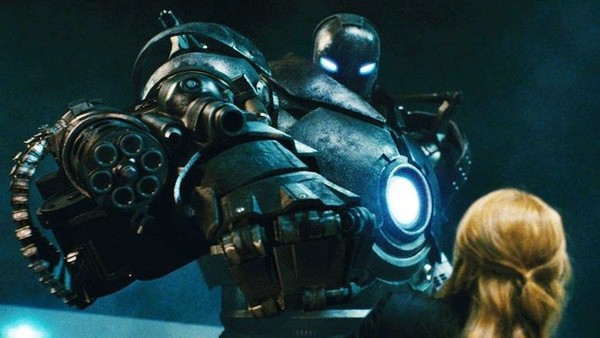
It didn’t help either that, visually and thematically, the villains themselves lacked variety. For the most part they were mirror images of the hero: Obadiah Stane was a businessman who had his own Iron Man armour, the Red Skull was injected with the same super-soldier serum as Steve Rogers, Loki was Thor’s adopted brother and the Abomination was the Hulk on steroids. Not only did this make the relationships between these duos feel too familiar across each movie, but having them share abilities and powers didn’t inspire amazing action sequences.
Of course, that was fine, because these movies were very much vehicles to establish charismatic leading heroes who would eventually go on to define the entire genre. It might be hard to believe, but at the time the likes of Thor and Iron Man were considered B-players in the superhero world. They were the characters Marvel still owned the rights to because other companies didn’t think they were worth buying. Consequently, the studio went to great lengths to make these "weaker" characters work, gambling on daring casting choices like Robert Downey Jr. to prove these heroes could go toe to toe with, and even better, A-listers like Spider-Man or Batman.
Consequently, most of those earlier films focus entirely on building these heroes both as action stars but also as charismatic leading men. You get the spectacle of them in action - be it Iron Man walking away from an explosion or Cap punching Nazis - but they're established as real people first and foremost. The downside was, by doubling-down on that, it left little room to explore the intricacies of the villains.
4. Blame The Avengers
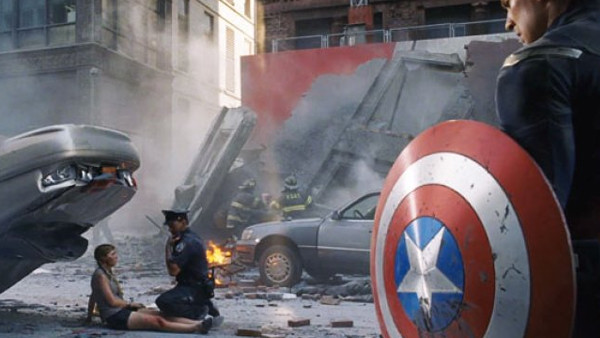
Unfortunately, it was Phase 2 which really cemented the idea that there was a villain problem, and there’s only one movie to blame: The Avengers. No, it’s not that Loki was bad - in fact, his turn in that team-up movie made him one of Marvel’s biggest characters - it was that Joss Whedon's flick changed the focus of MCU movies entirely.
Until then the films were surprisingly small-scale affairs; there was spectacle, yes, but heroes were only really going up against small teams of enemies and usually one villain. The Avengers, on the other hand, needed a threat big enough to warrant seven different superheroes teaming up, so the director had them fight a literal army.
It made for easily the best third act Marvel had put together at the time, but it set the bar in terms of scale that every subsequent movie had to follow. It was no longer enough for the stakes to be personal, the entire world had to be hanging in the balance, with the villain hidden behind waves of interchangeable henchmen. This made for a sense of spectacle that other franchises - like Fox with X-Men: Apocalypse - immediately attempted to ape, but it meant that main villains were pushed aside even more in favour of focusing on battles which didn’t even feature them.
3. Team Ups And Screen Time
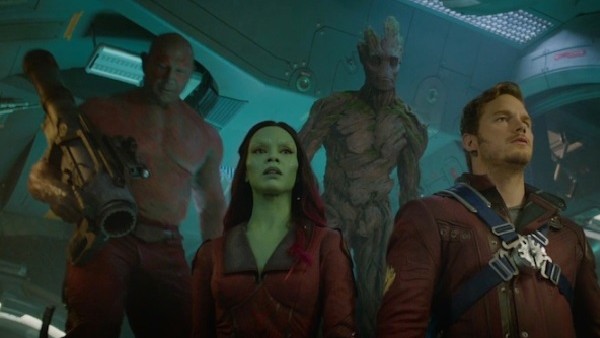
The Avengers also inspired a thirst for superhero teams, something which Phase 2 movies revelled in. Though protagonists in this genre rarely ever work in isolation - even Chris Nolan’s Batman operates alongside a duo of trusted advisors in Alfred and Lucius - sidekicks and teams became far more popular after Joss Whedon’s game-changer. That obviously manifested in squads of heroes like the Guardians of the Galaxy getting their own movies, but it also affected solo flicks, such as Iron Man 3 giving larger roles to Pepper Potts and War Machine, or Captain America: The Winter Soldier teaming Steve up with Black Widow and Falcon.
By making the relationship between the heroes the anchor of these Phase 2 movies, as well as the increase in henchman battles, it was sort of inevitable that the actual villains would be pushed out. That’s not speculation either, if you look at the screen time of all characters across Phase 1 and 2, the antagonists are the ones hit the most.
For reference, villains averaged 20 minutes across the early movies, with the likes of Loki and Obadiah Stane getting 21 and 22 minutes on screen respectively. Cut to Phase 2 and that time is more than halved, with Thor: The Dark World’s Malekeith having a paltry 8 minutes on screen, while Guardians of the Galaxy’s Ronan enjoyed a mere 7. It didn’t help that of this small screen time, the heroes rarely ever actually interact with the villain either, and when they do turn up it's in an action scene or to deliver exposition. They’re kept at arm’s length, not being allowed to develop a proper dynamic and only clash at the very end.
2. Fixing The Issue

It’s not that villains need a lot of screen time to make an impact - Darth Vader was famously only on screen for 23 minutes across three movies - but it is indicative of how important Marvel thought villains were to their success. It’s no surprise that the A-list actors drafted into these projects, such as Christopher Eccleston and Mickey Rourke, were vocal about their distaste for the way both them and their characters were treated. The former called the company “dishonest”, while the latter complained that the bulk of his material, and much of the work he put into developing Whiplash and making him more than a one-dimensional bad guy, was left on the cutting room floor.
This is, of course, by design, as it's the heroes which people flock to the movies to see, not the villains. That said, Marvel have gone to great lengths to fix this problem following the end of Phase 2. The studio has attempted to centre their latest offerings around the personal relationships between the heroes and villains. Guardians 2 pitted Peter against Ego, his “father” who killed his mother, Spider-Man: Homecoming had the Vulture invade the Web Head’s home life, while Black Panther’s Killmonger arguably had stronger motivations than that movie’s titular character.
And then, of course, there’s Thanos. While none of the villains in the MCU have movies that could be described as “theirs”, in the same way The Dark Knight is The Joker's movie and not Batman's, this guy does. Not only in terms of screen time - although The Mad Titan did enjoy a whopping 31 minutes on screen in Infinity War - but he was the most active force in the narrative, with huge spells dedicated to rationalising why he was trying to wipe out half the universe. It worked as well, with plenty of Thanos sympathisers popping up in the months following the movie’s release. Hell, the credits even end with the phrase “Thanos will return”, affirming once and for all that this was his movie.
1. Where Are We Now?

These Phase 3 villains not only had more screen time, but the time they did spend on screen was dedicated as much to exploring their motivations as it was exposition or action. You knew why Killmonger was doing what he was doing; you understood his ideological stance (that was perfectly pitted against Black Panther's own worldview) and his backstory was intricately tied to the main plot in a way that made him a sympathetic figure. Like all great villains he was shrouded in shades of grey, and in turn masked the supposed "good" guys in the same uncertain morality.
All these villains had clear motivations and their own personal stakes tied to the plot, and even if they weren't fully interrogated, they managed to get the audience to think about deeper thematic material larger than the here and now. Even Hela, the weakest of the Phase 3 villains (down to Marvel slipping into bad habits like having her isolated from the bulk of the action and main cast), had motivations that raised questions about Asgard's colonial past, and added an interesting element to a race of heroes who had so far been presented as flawlessly moral people (if a bit arrogant).
So is it fair to say that Marvel still has a “villain problem”? Well, kinda. They’re still far more focused on heroes than villains, but they have made great strides recently to give their baddies more depth and, at the very least, simply more time on screen. Obviously the issues laid out here aren't hard and fast - The Winter Soldier was a great foil and he came in the midst of Phase 2, while Hela faltered in Phase 3, but the general trends seem to point towards an overall improvement.
It's not perfect yet, but Marvel are finally confronting their villain problem. Though that only matters if you ever considered it a "problem" at all.