The Hobbit: The Battle Of The Five Armies - 10 Reasons It's A Great Adaptation
33 pages into a two and a half hour movie? Absolutely justified!
10. It Delivers An Epic Battle That Justifies The Expansion From The Books...
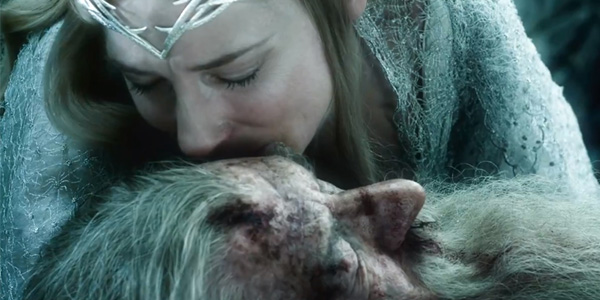
"So began a battle that none had expected; and it was called the Battle Of Five Armies , and it was very terrible."Covering just five pages and recounted more as an historical event than through its characters eyes, the battle that formed the title of the final Hobbit film was little more than a footnote in the book. Bilbo observes the battle from a distance, watches as the eagles fly in and is then knocked unconscious. There was more book devoted to the unexpected party than the war between the orcs, dwarves, men, elves and eagles. But, of course, as a conclusion not just to a six movie series, that final battle needed to be an epic event and the film certainly achieves that. It might not have had the emotional clout of the Battle of the Pelannor Fields or the shock and awe of the Battle of Helms Deep, but it did measure up. In this final film Peter Jackson gave fans a worthy adaptation of this mighty event. There will be more films in the fantasy genre, but it is hard to imagine any delivering quite the majesty of the battles presented in this film and The Lord Of The Rings Trilogy.
9. ...But Also Stays True To The Book Too

8. Smaug Unleashed
If you were to draw up a wish list for what fans were most looking forward to in The Hobbit's cinematic adaptation, Smaug's conversation with Bilbo in the mountain and his attack on Laketown would have been high on that list. There might have been dragons on film before, but they all paled in comparison to Smaug the Stupendous. For the all the grumbles over the previous Hobbit movies, that scene between Bilbo and Smaug in The Desolation Of Smaug made this creature the definitive dragon in cinematic history. The opening of The Hobbit: The Battle Of The Five Armies showed Smaug at his most powerful, raining fire and death upon the poor people of Laketown. It might have lasted just ten minutes, but that was ten minutes of cinematic gold and a thrilling recreation of the events in the book. From now on, all movies containing dragons will have to use this battle as the template.7. The Rise Of Bard The Hero

6. Thorin's Personal Journey
5. Bilbo's Herosim And Fall Into Darkness
4. The Battle Of Five Armies Has Relevance To The War Of The Ring
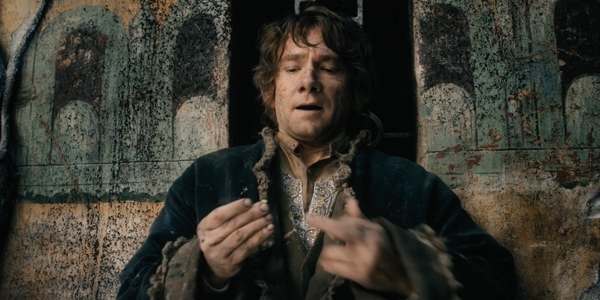
After the publication of The Hobbit's sequel - The Lord Of The Rings - Tolkein toyed with returning to his earlier adventure and tying it chronologically into the War Of The Ring. This was something Peter Jackson acheived successfuly, without ever needing to explicitly flash-foward to future events of shoe-horn in characters that tied The Hobbit to The Lord Of The Rings. Using The Silmarillion, appendices and other Tolkien Lore, Jackson shaped the final film as a natural precursor to his original trilogy without needing to create lots of new material. The location of the Lonely Mountain Erebor is as much a strategic position in the war against good and evil as it is a treasure horde of untold wealth. In this film Gandalf serves to reminder Thranduil - and the audience - of the consequences of it falling into orc hands. It would give them a strategic position over all the other races, making them a greater threat still. With the Necromancer already driven from Dol Guldur, the battle at the Mountain was the next key step in the war against the darkness - a war that couldn't be lost. These subtle references elevated The Hobbit Trilogy from a simple quest to kill a dragon and steal back its gold. The battle for Erebor became the first strike in the war that would end at the gates of Mordor many years later.3. Mount Gundabad Ties The Film To The Wider Middle-Earth Mythology

2. The Path To The Lord Of The Rings Begins
As the final film in the trilogy, Peter Jackson not only adapted the story presented in the pages of The Hobbit, but borrowed heavily from the appendices of The Lord Of The Rings, conscious to link to the events of the other trilogy. Through the events of the assault on Dol Guldur and the Battle of the Five Armies, Peter Jackson carefully wove in small events and lines of dialogue that set up many of the plot lines of the later chronological trilogy One of the joys of the assault on Dol Guldur was the chance to see Saruman The White in full bad-assary action. Along with Elrond, he took on the mighty of the ghostly Nazgul, while Galadriel faced the Necromancer herself. As the threat of Mordor was established, Saruman took ownership of tracking down the enemy. On its own, this moment would have shown that the white wizard was willing to see the fight through to the end. But considering his betrayal in The Fellowship Of The Ring, Saruman's words became something much more; the first steps towards darkness. Jackson was also able to cleverly reference a young Aragorn, referred to only by Thranduil as Strider. In The Lord Of The Rings Trilogy the ranger from the north was 85 years old - the Dúnedain being blessed with long life - but here the future King of Gondor was a young man who does not yet know his destiny. As Thranduil sends Legolas on the quest to find Strider, so does Legolas' role in the events of the War of the Ring become more apparent. Jackson did not need venture before the confines of The Hobbit book. However, these two events perfectly linked the two trilogies and still allowed The Hobbit to end its story on its own merits.1. The End Goes Back To The Beginning
