MCU: 14 Things You Learn Rewatching Spider-Man: Homecoming
Yep, the Vulture is still the best MCU villain.
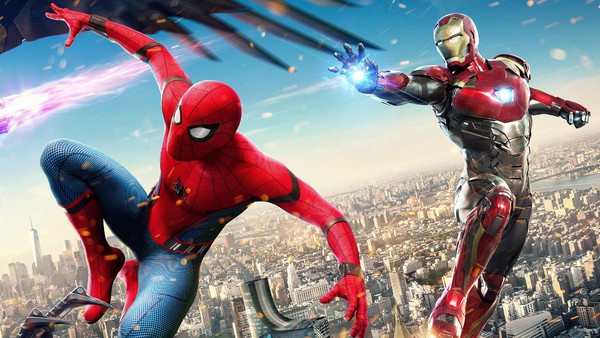
Even now, a year on, it's crazy that Spider-Man: Homecoming was anywhere near as good as it was. While Marvel Studios finally had a say in how the character was presented onscreen, there was no guarantee that they could successfully crowbar him into a superhero universe that was already thriving without him.
Fortunately, they not only successfully integrated Spider-Man into the wider MCU without hitting any roadblocks along the way, but arguably created the definitive version of the character put to screen yet. By making some pretty major changes from how Sony have approached the hero previously, perhaps most obviously by firmly rooting Peter Parker in a high school setting, the filmmakers managed to justify a second reboot of the hero in a mere five years.
Not everyone was happy, of course, and a couple of major worries about Iron Man having such a prominent role in particular dogged the movie even after its release, but now that the dust has settled and the honeymoon period is over, Homecoming's strengths and weakness are clearer than ever.
14. Peter's Gadgets Aren't That Bad
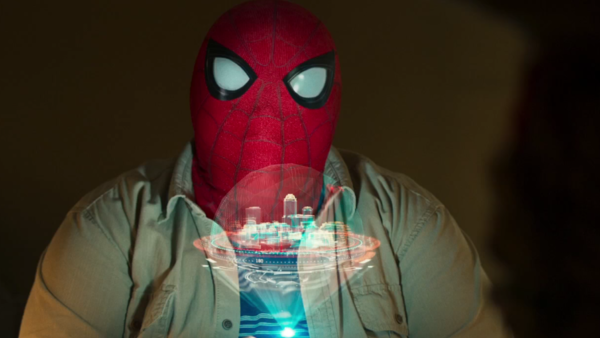
One of the most controversial new additions Homecoming made to the Spidey mythos was giving Peter an Iron Man-esque suit. It didn't let the hero fly or shoot laser beams out his hands or anything, but it did come with a JARVIS-style A.I. built in, as well as a myriad of different gizmos that gave the wall-crawler a leg up in superhero fights.
Iron Man's inclusion in the film in general was perceived to have taken the focus away from the titular hero, and the high-tech suit didn't help, but on a rewatch, the new costume isn't all that bad. In fact, the suit is essential in separating this version of the hero from previous incarnations, giving him an added element and a different set of problems that neither Andrew Garfield or Toby Maguire had to deal with.
Likewise, it helps solve a few issues that could have cropped up now that Spidey is part of a larger Marvel universe. Peter Parker has always been a D.I.Y, cash-strapped hero, which wouldn't have made all that much sense when he's best buds with billionaire Tony Stark. Homecoming's addition of a new suit is clearly an attempt to bridge that gap, and successfully keeps the spirit of Spider-Man alive while giving him some new toys to play with.
13. Donald Glover Is Completely Wasted
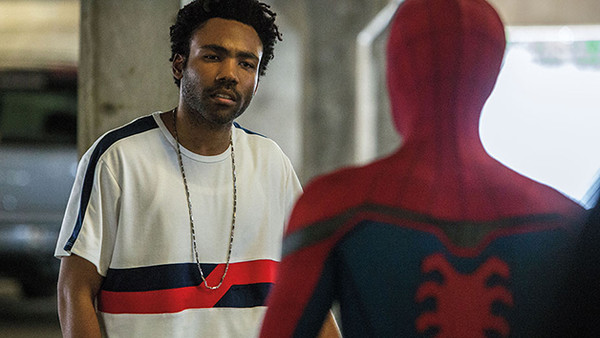
Spider-Man fans and Donald Glover have always had a weird relationship. The actor famously threw his hat into the ring to play Peter Parker during The Amazing Spider-Man era, but it wasn't to be.
Since that series concluded his star has risen massively though, and despite being too old to play the MCU’s teenage incarnation of the Web Head, did nab a mystery role in Homecoming. Unfortunately, it turned out to be a minor part as a cookie-cutter criminal who turns up for a handful of scenes and isn’t mentioned ever again.
It was annoying enough at the time, but going back it seems like an even more egregious waste of Glover’s talents. The actor is inevitably only going to get bigger once Solo drops in May, and Marvel will no doubt be kicking themselves that they wasted him on this throwaway appearance.
Still, there's always a way to salvage that in the sequel, as there's a hint that the nephew he mentions in Homecoming could turn out to be Miles Morales. Please, Marvel, make it happen.
12. The Timeline Doesn’t Make Any Sense
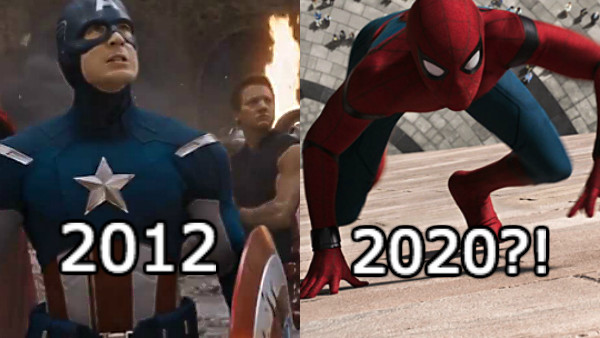
Although the initial wave of Marvel movies all roughly took place in the same short space of time, ever since The Avengers, the timeline of the MCU has been an absolute mess.
Small details like Steven Strange being name dropped in The Winter Soldier (which apparently takes place before the Sorcerer Supreme’s own movie) have brought the timeline into question, and since then all bets have been off. At least, until Spider-Man: Homecoming established that all modern MCU flicks take place eight years after Loki's invasion of New York.
That cleared things up at the time, but since then it’s become obvious that Homecoming’s time-jump has only made matters even more confusing. In their eagerness to shoehorn Spidey into the MCU (look! He was the kid from Iron Man 2! That makes things less dumb probably!) Sony and Marvel ended up putting their foot in their mouth, to the point where Infinity War is ignoring the timeline altogether.
It doesn’t take anything away from the movie itself, but it does sort of make its relationship to the wider Marvel universe a bit awkward.
11. It Proves Not Every Hero Has To Stop The End Of The World
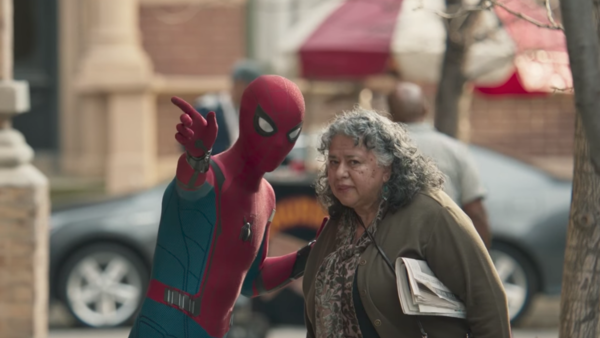
It might be hard to remember, but the idea of superheroes fighting huge armies and trying to prevent the end of the world is a rather new convention. It wasn’t really until The Avengers where this became the go-to climax for every comic-book movie, as most flicks before then opted for a smaller, more personal set of stakes.
Not least was the original Spider-Man trilogy (and, to their credit, the two Amazing Spider-Man movies), which presented some of the best hero/villain encounters the genre has ever seen. Sure, the stakes were still high, with usually the fate of NYC hanging in the balance, but the real battle was always between two interconnected, larger-than-life personalities trying to take each other out.
Homecoming thankfully brings the focus back down from end-of-the-world shenanigans to one high schooler fighting back against a weapons dealer. With that tighter focus, the film was able to deliver one of the best MCU villains to date, and proved that superhero flicks can still be full of spectacle and jaw-dropping action even when the Earth isn’t in constant danger of exploding.
10. Michelle Being MJ Is A Confident, Surprising Move
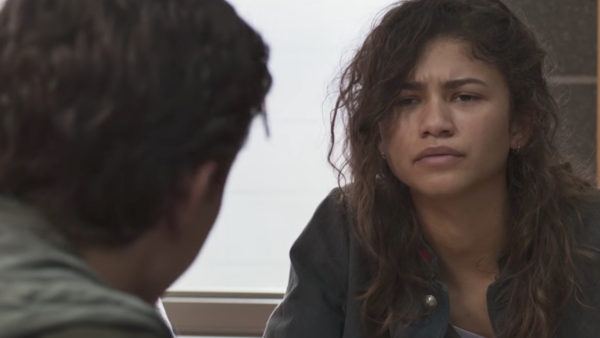
Though Peter Parker is as love-struck as he’s ever been in Homecoming, his affections are centred around Liz (who also just happens to be the daughter of the Vulture), a new character entirely disconnected from any of his comic-book sweethearts.
Obviously that romance doesn’t last, and Peter’s affections turn to a girl who’s been there the whole time, Zendaya’s Michelle. The twist being that before the credits roll, Michelle reveals she also goes by another name: “MJ”.
The twist obviously drew ire from die-hard fans for deviating too much from the source material, but it’s actually probably the best decision the filmmakers could have made. After two incarnations of the Wall Crawler, fans are familiar with Peter’s comic-book love interests, having seen his relationship with them play out over five movies.
Consequently, having Michelle be MJ keeps the spirit of the comics alive while retaining the element of surprise for viewers. Marvel can go in any direction they want with this character now, and fans won’t just be waiting for the movies to hit the same beats that the others covered so extensively.
9. Secret Identities Need To Be A Thing Again
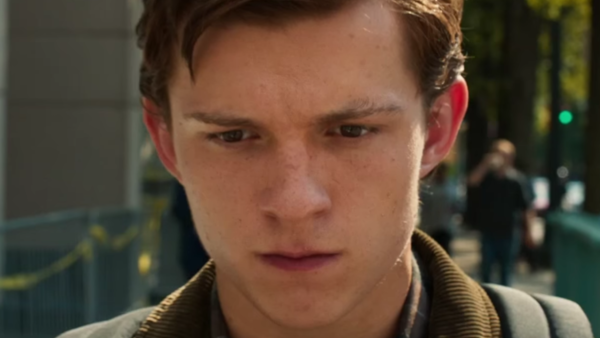
Ever since Tony Stark famously announced to the world that he was Iron Man in the final scene of the first MCU movie, the concept of secret identities has been seen as a dated concept, barely even brought up in superhero flicks where the hero’s duality is pretty much their defining feature (see every movie Snyder’s Batman has shown up in).
That’s a shame though, as Spider-Man: Homecoming reestablishes how much drama can be wrung out of a hero trying and failing to balance these two warring parts of their life. Much of the reboot is in service of positioning Spidey as different to the other Avengers; they’re celebrities, mythical beings, gods, and he’s just a kid who wants to do good without giving up his right to a relatively normal life.
It does a lot to humanise Peter Parker, and also goes to show how most modern comic-book films have dropped any pretence of their heroes being relatable, everyday people.
8. Marisa Tomei Is Just The Best
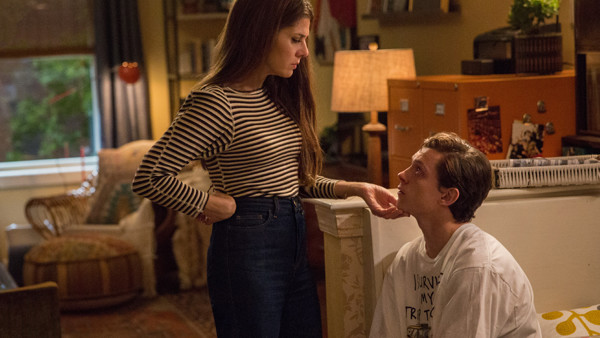
After Aunt May was nailed perfectly in Sam Raimi’s original trilogy, Sony have struggled to reinvent the character for their subsequent reboots. After botching it a little with the admittedly always great Sally Field (remember when an Aunt May solo movie was going to happen?!), the studio opted for a much younger version of the character and cast Marisa Tomei in the part for her MCU debut.
Though it had some fans feeling a bit cautious, especially when Tony Stark burst in and started flirting with her in Civil War, Homecoming quashed any lingering doubts.
On a rewatch, it’s even more obvious how great of a decision it was. This is a younger version of Peter, and having a parental figure he can easier relate to makes for a relationship unlike anything else in the MCU. Likewise, it makes it possible for May to have an expanded, active role in the sequels, and not somebody Peter’s always trying to keep far away from his heroic duties.
Also, the final reveal of May walking in on Peter in his superhero suit and letting out a bellowing “what the f**k?!” is the perfect way to tease their shifting relationship going into the sequel.
7. Its Final Message Is A Bit Weird

Peter turning down Stark’s offer at the end of Homecoming sends a cool little message that not everybody has to be an Avenger to still be a hero. Rejecting the Iron Spider suit and ditching the press conference, Spidey returns to his role as a street-level hero to enjoy his teenage years without the weight of the world on his shoulders, leaving The Avengers to deal with bigger threats if they should arise.
It's a satisfying ending, and is actually quite reminiscent of how Iron Man 3 wrapped up before Avengers: Age of Ultron happened. There Stark destroyed all of his suits and retired to a life with Pepper Potts… which was immediately undone when he was called back into action with The Avengers and ended up accidentally creating another suit, this time manned by a malicious, world-conquering A.I.
In the same vein, Infinity War threatens to undo Peter’s decision here, as the movie will see him joining his fellow superheroes in the battle against Thanos. It admittedly makes more sense than Stark’s 180 - after all, the fate of the entire galaxy is hanging in the balance - but it still sort of dampens the emotional heft of how his arc concluded in Homecoming.
6. It Works Well As An Iron Man 4
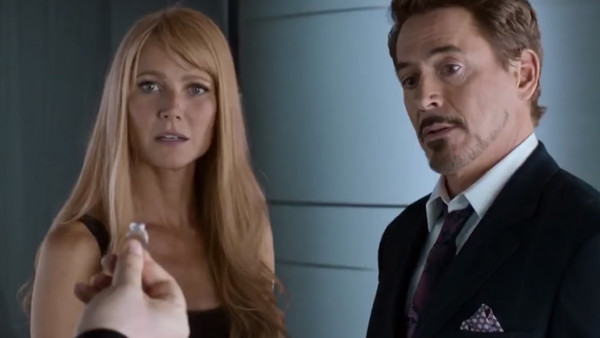
Despite showing his face in a chunk of movies since Iron Man 3, Tony Stark hasn’t headlined his own series in over half a decade. While those other flicks have done a lot to develop his character though, they’ve left little room to investigate the ins and outs of his personal life in the way his own headline movies did.
While he’s once again a supporting character in Spider-Man: Homecoming, the flick does do a lot to reestablish Stark's position in the MCU. Not only is he depicted as a mentor to Peter, but we also get an insight into how the hero is dealing with a post Civil War world, while Happy Hogan fills Tony's place when he can’t be there in person.
Hell, the constantly aloof Gwyneth Paltrow even reprised her role as Pepper Potts for the first time in years (albeit in a quick cameo) to reestablish that, yes, her and Tony are back together.
Obviously this is a Spider-Man movie through and through, but it also functioned as a great way for Marvel to make an Iron Man 4, without actually making an Iron Man 4.
5. Tony Stark Could Be The Uncle Ben Of This Series

Although in the comics it’s Captain America who’s the mentor to young Spidey, Marvel swapped him out for Tony Stark in the MCU, and this relationship has slowly become the backbone of the entire universe.
Teaching him to be the person (and hero) he needs to be in the absence of his real rather as well as Uncle Ben, Stark is the only on-screen father figure we’ve seen Parker interact with. Which means it's going to hurt like hell if he dies.
This is pure speculation, of course, but somebody is dying in Infinity War, and while losing Tony would be powerful because of his role as the architect of the MCU, it would have extra, wide-reaching personal ramifications thanks to his relationship with Spider-Man.
There’s no chance the series will retread the Uncle Ben plot line for the third time in ten years, so it would make sense to give his symbolic role, and the motivation he gives Spidey in death, to someone who's already Peter's established father figure in this universe.
4. The Best Action Scenes Pit Peter Against Himself

For the most part, Homecoming doesn’t pit its hero against huge monsters or waves of robots, but returns the MCU to street-level threats that have been absent since the early Phase 1 movies.
However, the action's tighter focus also allows for great scenes where Peter Parker has to go toe to toe against his greatest enemy: himself.
Whether he’s buried under rubble and trying to free himself to chase the Vulture, attempting to repair a sinking ship or simply pushing himself to find a way inside a building before an elevator shaft collapses, the film's action scenes aren’t only tense because they're life-or-death situations, but because each struggle is presented as a battle between Spidey and his own body.
Again, this approach goes a long way in making Spidey feel far more relatable and human compared to other MCU heroes. These personal action beats expertly convey just how much of a strain it is on Peter to pull off superhuman feats and be the hero everyone expects him to be, and acts as a constant reminder that despite the theatrics, Spider-Man is still just a kid in a suit.
3. Spidey Doesn't Have To Be Tied To NYC

While the likes of Batman and Superman have fictional cities like Gotham and Metropolis to be the guardians of, Spider-Man has always been firmly rooted in the culture of New York City.
In fact, the furthest Sam Raimi and Marc Webb’s respective series veered away from Manhattan was Peter’s childhood home in Queens, but Homecoming (and to a lesser extent, Civil War), proves just how much there is to get out of putting the wall crawler in different environments.
Hell, in his latest film Spidey doesn’t set foot in Manhattan at all, and a big chunk of the action takes places in Washington DC.
Now he’s part of a larger universe, the filmmakers are free have him travel outside of his comfort zone, which ultimately does a fantastic job of distinguishing this version of the superhero from Sony’s previous incarnations.
2. The Vulture Might Be The MCU’s Best Villain

Initially a regular old bad guy interested in alien weapons, the late twist which reveals that, like Peter, Michael Keaton's Vulture is also living a double life, and is actually the father of the hero’s Homecoming date, remains one of the MCU’s finest moments.
There was a worry that this twist wouldn’t hold up without the element of surprise, but fortunately this story thread is even more rewarding on a rewatch when you know what’s coming, as it casts the Vulture’s earlier actions in a far more sympathetic - and tragic - light.
Peter’s enemies are always a reflection of himself, and these suspenseful moments award the Vulture with added depth by showing that he’s wrangling with the same issues of duality.
When it comes to being the MCU's best villain, he only really has Loki and Killmonger to wrangle with, but neither of those two are anywhere near as relatable as Keaton’s Vulture.
1. It Doesn’t Force Its World-Building

Sony and Marvel did a ridiculously solid job at integrating Spidey into the wider MCU with Homecoming, but what’s often overlooked is how brilliantly they also established a rich playground dedicated only to the Wall Crawler’s mythos.
Unlike the ham-fisted world-building of the The Amazing Spider-Man 2, which bent over backwards to set up upcoming movies to the point where that sequel was bursting at the seems, Homecoming establishes Spidey’s world in a more natural way.
By introducing B-list villains like Shocker and Michael Mando’s excellent Scorpion, the filmmakers laid the groundwork for future plots that, even if they don’t come to fruition, add a rich layer of detail to this movie.
These villains might not be brought back into the fold in future movies, but that's ok, as their presence simply serves to establish two different superhero universes without feeling like mere sequel baiting.