Every Best Picture Oscar Winner Ranked Worst To Best
44. Spotlight (2015)

Scooping Best Picture despite only having one other Oscar to its name, Spotlight may have been a surprise victor at the time, but it was also a worthy one, beating the likes of The Revenant and Mad Max: Fury Road with a harrowing portrait of the Boston Globe's crusade against abuse within the Catholic Church.
Meticulously crafted and unflinching, the drama is a hard-hitting ode to real life heroism, brought to life by a series of subtle, heartbreaking performances (mainly from Mark Ruffalo, Rachel McAdams, and Stanley Tucci), and McCarthy's restrained direction. Time will make it a classic.
43. Rebecca (1940)

The only film to secure the great Alfred Hitchcock a Best Picture win, despite it probably not even cracking his top ten, Rebecca is a classic Hollywood thriller, at once romantic, brooding, and hauntingly mysterious.
Hitchcock would go to bigger and far better things after this - his first American production - but the results of this exciting drama still sizzle with an eager energy that cannot be denied. Much like the vast majority of his work, it's aged incredibly well, and finds the Master of Suspense already in his element.
42. Terms Of Endearment (1983)

The best part of James L. Brooks' iconic tearjerker Terms of Endearment is how mature and intelligent it is. Though melodramatic and even manipulative, the drama is authentic and real enough to never once feel forced.
Telling an intimate story of new love, a struggling mother-daughter relationship, and heartbreak, Terms of Endearment soars with its cast and Brooks' witty script, which effortlessly balances the film's breezy humour and wrenching tragedy. Broadcast News is still the superior Brooks picture, mind you.
41. Ordinary People (1980)

The ever-brilliant Robert Redford spent years as one of Hollywood's most beloved and talented leading men, and with his sophisticated directorial debut Ordinary People proved he could be just as good behind the camera as he was in front of it.
A deep look into the lives of a family beset by loss, Redford's drama is one of defining performances (namely from former TV stars Mary Tyler Moore and Timothy Hutton, and a never-better Donald Sutherland) and raw honesty. From its first frame to its last, it's a sorrowful journey impossible to emerge from unchanged.
40. The Departed (2006)

It's baffling that The Departed won Martin Scorsese his first (and so far only) Best Director statue, but it's place as a fantastic Best Picture winner can't be questioned.
With an epic ensemble cast and a twisting tale of crime, corruption and double-crosses that finds Scorsese at his most energetic and violent, this remake of 2002's Infernal Affairs has everything you'd ever want, finding a way to be at once bleak, unpredictable, endearingly messy, and intensely rewatchable.
Yes, Scorsese should have won Oscars for Taxi Driver, Raging Bull, Goodfellas and so on, but The Departed's victory was deserving enough to stop it feeling like a pity prize.
39. The Shape Of Water (2017)

Much like Scorsese's win for The Departed, The Shape of Water is not Guillermo del Toro's best, but that doesn't mean it didn't deserve its acclaim.
The story of a mute woman who falls in love with a captive sea-creature, the fantasy-romance is magical and engrossing, brought to life by astounding production design and a shy, heartbreaking performance from Sally Hawkins.
It may lack the darker aspects that makes del Toro's better work so affecting (Pan's Labyrinth especially), but The Shape of Water is such a tender, expressive burst of imagination it's hard to not fall under its spell.
38. Titanic (1997)

Titanic has it flaws, from its much-discussed historical inaccuracies, overdrawn modern-day subplot, and occasionally awful dialogue, but its weaknesses are easily dwarfed by its epic set pieces and the tragic love story at its centre.
It's impossible to watch star-crossed soulmates Jack and Rose fall in love, knowing how their short time together is destined to end, and not become charmed by James Cameron's stunning vision and touching ode to the lives lost on the Unsinkable Ship, or Leonardo DiCaprio and Kate Winslet's almost palpable chemistry.
This is sweeping, big budget moviemaking at its finest, working in spite of its faults as a spectacle you can't help but admire and weep over.
37. My Fair Lady (1964)
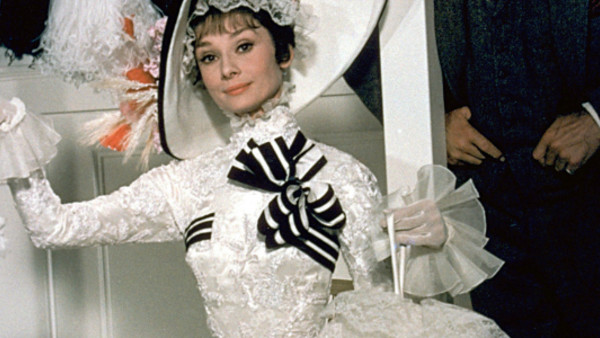
Tracing its inspirations back to George Bernard Shaw's stage play Pygmalion, My Fair Lady is a musical of almost unrivalled elegance and charm, following Audrey Hepburn's flower seller as she's drafted into high society by an overeager professor.
Infamous for Hepburn's singing, which was dubbed by the admittedly lovely Marni Nixon, the musical overcomes this troubled historical footnote with a story that's ardent and moralistic, with heaps to say about class, gender, and empowerment.
It all still holds up today as a crowd-pleaser with wit and intelligence that feels, in many ways, far ahead of its time. And despite the fact she doesn't sing, Hepburn is utterly hypnotic in the eponymous role, as she was in every film.
36. West Side Story (1961)

Recently given a more complete and modern spin by Steven Spielberg, the original West Side Story feels dated in parts, but it's so spritely and fun its eventual tragedy continues to haunt over sixty years later.
Based on Stephen Sondheim's seminal musical of the same name, the romance takes the core concept of Romeo & Juliet and turns it into a dark fable about gang warfare in New York City, barrelling to an inevitable but harrowing finale.
Equally cheesy and sweet, violent and exciting, West Side Story is timeless in its execution and striking assessments of innocence lost and prejudice. It's tough to deny its power, even if Spielberg found a way to improve it.
35. The Lost Weekend (1945)
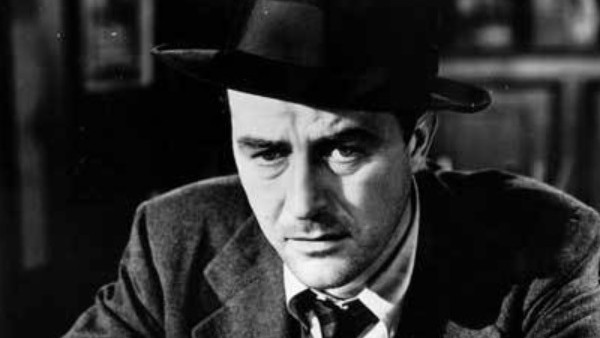
Even if you've never seen Billy Wilder's The Lost Weekend, you'll probably be able to picture the scene in which Ray Milland moves under neon signs, highlighting his latest binge and regressing emotional state.
A dark and troubling drama about an alcoholic writer at the end of his rope, Wilder's thoughtful, mature exploration of addiction is a tough sit, and though it may seem slightly melodramatic through modern eyes, its unflinching honesty still rings true.
Dramas about addiction are nothing new, but The Lost Weekend remains a defining example of how to portray it effectively on the big screen, as well as another in a long line of movies that proved Wilder was without flaw for almost two decades.